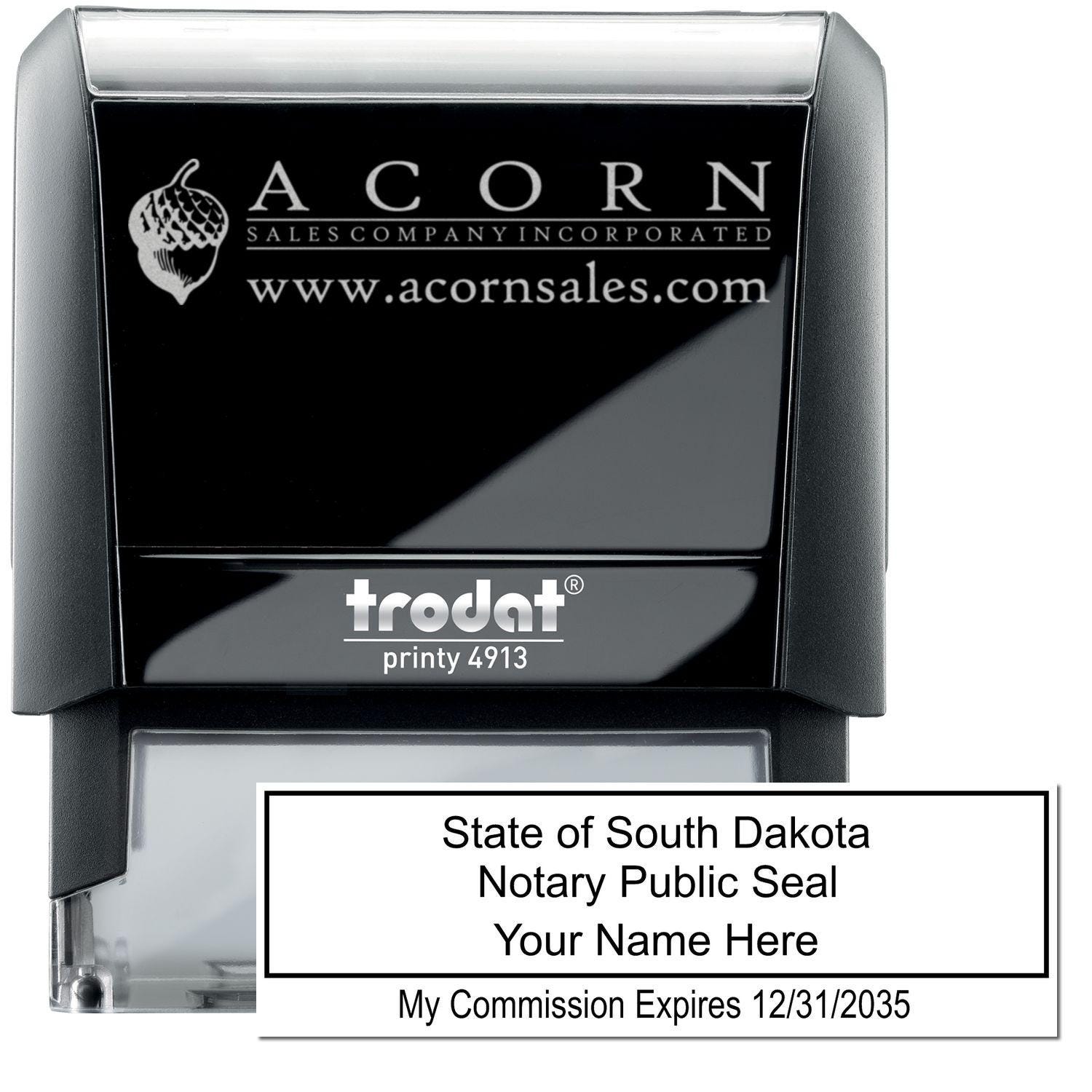
If you serve as a notary public in the Mount Rushmore State, having the right south dakota notary seal is more than just a formality. This small but powerful tool confirms your role as an impartial witness and protects the validity of every document you notarize. By selecting a seal that meets state guidelines and suits your personal preferences, you can manage your duties effectively, avoid legal issues, and maintain public trust. Let’s explore why a well-chosen seal is critical, how to select one, and the best ways to keep it safe throughout your commission.
Understand the Purpose of a South Dakota Notary Seal
At first glance, a seal might look like a simple emblem, but it offers significant legal and practical purposes. In South Dakota, your seal acts as evidence that you’re a commissioned notary public and that any notarized document has been handled by an authorized individual. When you place your seal on a document, you’re communicating that the signer’s identity was verified and the required notarial actions were properly executed.
- Identification: People who rely on the notarized document can immediately see the official imprint or stamp, which assures them of the document’s validity.
- Protection: With a legible seal, you reduce the likelihood of challenges to the authenticity of your notarial acts.
- Recognition: Across different jurisdictions, the presence of a proper South Dakota notary seal alerts officials that a trusted authority (you!) has stepped in to confirm the signing.
In short, your seal ties you to your professional role and upholds the integrity of every record you authorize. Whether you’re notarizing wills, real estate forms, affidavits, or power of attorney documents, it’s important to fully understand the role your seal plays.
Why Accuracy Matters
Even though a seal might appear to be a small detail in the big picture of every contract or affidavit, it’s actually one of the most scrutinized elements of the notarial process. Your seal and your signature are the first things attorneys, financial institutions, and government agencies look for to confirm authenticity. If the seal is missing, incorrect, or illegible, the entire document may be thrown into question.
- Reliability: Individuals who rely on your notarial work want a straightforward, error-free process. Properly placed seals confirm you’ve taken your responsibilities seriously.
- Legal Compliance: South Dakota notarial law demands that each commissioned notary use a valid seal when finalizing a notarization. Missing or incorrect details can result in legal repercussions, including fines, potential lawsuits, or even suspension of your commission.
- Professionalism: Maintaining an accurate seal is part of upholding your reputation. Clients and colleagues alike expect you to follow best practices in every transaction.
Think of your notary seal as a promise to deliver professional, lawful service. By ensuring it’s precise, up-to-date, and fully in line with South Dakota guidelines, you’re making sure your notarial acts stand up to scrutiny.
Legal Requirements for a Proper South Dakota Notary Seal
Before you purchase or update your notary seal, it’s wise to familiarize yourself with South Dakota’s specific regulations. Although the state’s requirements are relatively straightforward, you never want to risk overlooking an important detail.
- Text Requirements: Typically, the seal must display the words “Notary Public” and “South Dakota.” Your name should also appear exactly as it’s listed on your notary commission.
- Shape and Size: South Dakota doesn’t always mandate a specific shape (like round or rectangular). However, your seal should be large enough to be easily identifiable and legible when used on official documents.
- Ink Color: While there isn’t always a strict rule about the color of your inked stamp, many professionals opt for dark blue or black since it stands out on publicly filed documents.
- Expiration Date: Some notaries choose to include their commission expiration date to further validate the document’s authenticity. Check if this is required or optional based on the latest guidelines available through official state resources.
By adhering to these requirements, you’ll avoid costly mistakes that could lead to invalid documents. Make sure to regularly check for any statutory updates or changes, as legislation can occasionally shift to address emerging needs.
Choosing the Right South Dakota Notary Seal
You have a variety of notary seal options, and each comes with its own set of benefits. Carefully weighing the pros and cons ensures you’ll pick a solution that matches both your professional style and the legal mandates of South Dakota.
Select the Style
- Rubber Stamp (Self-Inking or Pre-Inked):
Self-Inking: Convenient and quick, a self-inking stamp can produce thousands of crisp impressions before needing a refill. Pre-Inked: Pre-inked stamps tend to deliver a sharp imprint, often favored for legal documents where clarity is paramount.
- Embosser:
A notary embosser has a raised impression that’s easily felt on paper. Some professionals prefer this option for its traditional, sophisticated look. Although embossers create a tactile design, some recipients might ask for an inked version for scanning or photocopying. You may want an embosser alongside a regular inked stamp to cover all bases.
Compare Materials
- Durability: If you travel frequently for work, a durable metal or heavy-duty plastic frame can hold up better to frequent use.
- Portability: Compact stamps are easier to store in a small case or drawer, which matters if you’re on the go.
- Ergonomics: An easy-grip handle can make it comfortable for you to use the seal multiple times a day.
When making your decision, think about how often you’ll notarize documents and where you typically provide these services (in an office, at a client’s location, etc.). Plan to keep at least one backup stamp or embosser in case of loss or damage.
Maintenance and Security
Owning a valid South Dakota notary seal is just the start. To fulfill your statutory obligations and offer the highest standards of service, it’s equally important to handle seal maintenance and security with care.
- Storage: Keep your seal in a locked drawer or cabinet when you’re not using it. This rule applies whether you’re working at a dedicated office or a home workspace. Unauthorized use can lead to serious legal implications.
- Inspection: Every few weeks, test your stamp on a scrap piece of paper to ensure it produces a crisp, legible impression. If you notice fading or partial prints, clean or replace the pad (in the case of a self-inking or pre-inked stamp) or repair the embosser.
- Handling: Avoid lending your seal to others, even trusted colleagues or family members. You alone are authorized to place that seal on official documents, and sharing it can compromise your notarial acts.
- Updates: Whenever your name or legal status changes (for example, a name change due to marriage), remember to update your commission and obtain a new seal that reflects these modifications correctly.
Going the extra mile with maintenance and security helps you dodge embarrassing misprints and potential forgery. It also upholds the high standards that notaries are expected to maintain in South Dakota.
Working With Acorn Stamps
When you’re in the market for a new or replacement South Dakota notary seal, it’s reassuring to partner with a supplier that understands your unique needs. Acorn Stamps has been a trusted, family-owned business since 1964. That’s more than 60 years of experience fulfilling notary seal requirements for professionals like you. Whether you prefer a self-inking stamp, a pre-inked version, or a traditional embosser, Acorn Stamps has you covered.
- Expert Guidance: Wondering if you need a round or rectangular ink stamp? Looking for a stamp that also includes your commission expiration date? Their knowledgeable team can walk you through all the pros and cons.
- Stellar Customer Service: With decades of service under their belt, Acorn Stamps prioritizes fast turnaround times and detailed personal support. This is especially important if you’re on a tight timeline to finalize your commission or renew a license.
- Commitment to Quality: High-quality materials matter, especially if you’re stamping dozens of documents each week. From sturdy metal frames to crisp text plates, Acorn Stamps ensures a long lifespan and a legible imprint.
If you want peace of mind that your notary supplies align with state regulations, working with Acorn Stamps can give you exactly that. You’ll get a product crafted to your specifications, along with customer service designed to address any worries or special requests.
Frequently Asked Questions
How Does a South Dakota Notary Seal Differ From a Stamp or Embosser in Other States?
Your seal essentially follows the same principle—proving you’re an authorized notary public. However, the exact text, shape, and size requirements can differ from state to state. South Dakota’s unique regulations specify what must appear on the seal, including your name, “Notary Public,” and “South Dakota.” Always verify that you’re complying with the most current guidelines for your jurisdiction.
Can I Use an Embosser Instead of an Ink Stamp?
Yes. South Dakota law typically allows either an inked notary seal or an embosser, as long as it meets the state’s legal requirements. Many notaries use both. An inked stamp ensures easier photocopying or scanning, while an embosser gives documents a professional, raised impression. It’s a good plan to keep both handy, especially if your clients frequently need digital copies.
What If Someone Else Uses My Seal Without Permission?
Your seal should always remain in your custody. If someone does use it without your authorization, you could face legal complications—questionable notarizations might be traced back to you. In any case of theft or unauthorized use, report the incident to the proper authorities immediately (for instance, local law enforcement and the South Dakota Secretary of State’s office). You may need to apply for a replacement seal and document the situation thoroughly.
Do I Need to Replace My Seal When I Renew My Commission?
Although not always mandatory, it’s generally a good practice to replace or re-verify your seal whenever you renew your notary commission. This helps ensure the seal remains in optimal condition, displays accurate personal details, and fully meets any new design or legislative requirements. Even if you choose to keep the same design, a refreshed ink pad or updated device guarantees a cleaner and more reliable impression.
Where Can I Get a Quality South Dakota Notary Seal Quickly?
If you’re pressed for time, consider working with a reputable supplier like Acorn Stamps. They specialize in fast turnaround times without sacrificing quality. With over 60 years of experience, Acorn Stamps uses premium materials that yield crisp, official imprints every time. You can order online or reach out to their customer service team to discuss your specific needs and customization options.
By taking the extra steps to secure the right south dakota notary seal, you elevate your professional standing and safeguard the authenticity of every notarial act. Whether you’re a first-time notary or renewing your commission, a reliable seal underscores your credibility and demonstrates your dedication to upholding South Dakota’s notarial standards. You’ll stand ready to serve your clients with confidence, knowing that each document you stamp is as official and trustworthy as it gets.