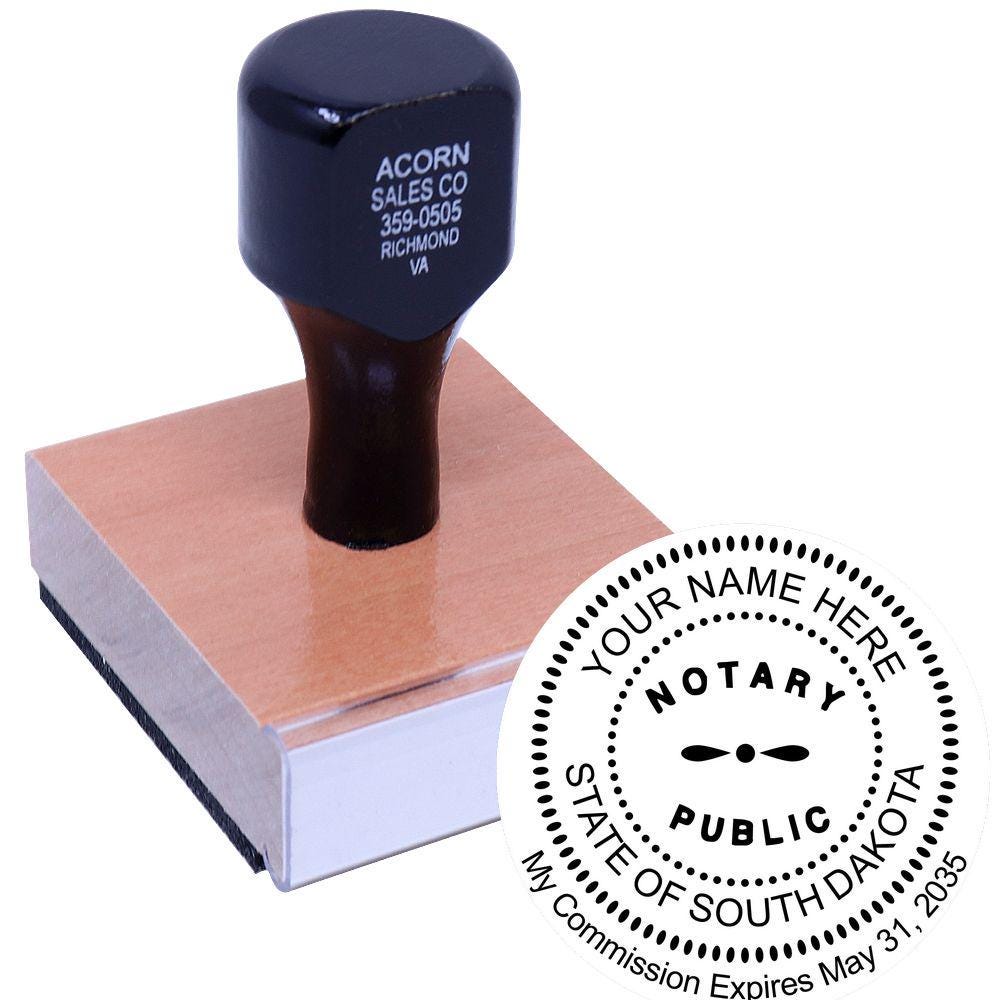
Natural light might not help you here, but having the right South Dakota notary public stamp definitely will. Whether you are brand-new to the notary process or simply updating your supplies, choosing the perfect stamp is crucial to fulfilling your official duties. You want a seal that meets state guidelines, holds up under daily use, and helps you present a professional image with every notarization. Below, you will discover essential details for selecting your notarial tools, including tips on design, durability, and maintenance.
Understand The Importance Of Notarization
Before you start shopping for a South Dakota notary public stamp, it helps to know why your work as a notary holds such significance. As a commissioned official, you help validate signatures, administer oaths, and ensure that important documents are genuine. Your authentic seal is more than a symbol, it is legal proof of a document’s credibility.
The Notary’s Role
- Verify identity. You confirm that signers are who they claim to be.
- Ensure willingness. You check that all parties enter agreements without coercion.
- Confirm awareness. You ensure signers fully understand the contents of the document.
All of these tasks hinge on your integrity and attention to detail. That is why it is so important to have a reliable stamp that can stand up to daily demands.
Know Your Stamp Requirements
Every state has its own criteria for notary seals, and South Dakota is no exception. Your stamp must include specific information, such as your name, the words “Notary Public,” and sometimes state references like “South Dakota.”
Physical Dimensions
South Dakota typically does not specify precise measurements for notary stamps, but you will want to ensure that all text is easy to read and fits within the stamp properly. You might feel tempted to go extra large for emphasis, but an excessively big stamp could obstruct the document’s text. Pick a moderate size that is legible and neat without overpowering the page.
Commission Details
Most states require you to leave space for details about your commission, including your commission number (if applicable) and the statement “My commission expires on …” or some variation of that phrase. Make sure your new South Dakota notary public stamp includes the essential commission information. This ensures every notarized document is properly labeled and recognized by state authorities.
Compare Stamp Vs. Embosser
Once you have clarified your stamp requirements, you may be curious about other available notarization tools. One common question is whether to use a rubber ink stamp or a metal embosser. While both can be valid in certain contexts, you will want to confirm which method the state of South Dakota prefers and which might best serve your personal workflow.
Key Differences
- Ink stamp: Offers quick application and high visibility. You can customize font style, include your commission details, and fit more text in a compact space.
- Embosser: Presses or “crimps” a raised seal onto the paper for a tactile impression. Some notaries like the traditional look and feel, but it can be difficult to see or photocopy.
In South Dakota, a traditional rubber or self-inking stamp suffices as the primary notary tool. You may still add an embosser for aesthetic or pride-of-office reasons, but remember that your official seal in many situations will need to be legible in copies, which is where an ink stamp excels.
Choose Quality Materials
No matter which style you select, you will want the hardware itself to be sturdy. The last thing you need is a stamp that fails in the middle of a busy workday. Invest in a well-crafted product from a reputable supplier so you can trust it will stand the test of time.
Self-Inking Vs. Pre-Inked
You will encounter two main stamp types:
- Self-Inking Stamps
Contain a built-in ink pad. Typically lasts for thousands of impressions. Generally easier to re-ink.
- Pre-Inked Stamps
Rely on ink within the stamp’s rubber. Often produce crisp, clean impressions. May be slower if you have heavy, rapid stamping sessions. Both versions are popular among busy notaries; the choice often comes down to personal preference. Self-inking can be more convenient if you prefer a quick stamping process. Pre-inked stamps are sometimes praised for finer, more precise impressions.
Incorporate Personal Preferences
Beyond the legal must-haves, feel free to personalize your stamp to match your style. Some notaries opt for a refined typeface, while others go with a more minimal look. Just make sure the state-required elements remain clear and well-ordered.
Layout And Font
- Choose a font that is easy to read, like Arial, Times New Roman, or other legible styles.
- Maintain sufficient spacing between words to avoid a crowded look.
- Consider a circular layout if you want a classic look, or rectangular if you prefer a modern appearance.
A final note: even though you may prefer a more creative layout, the state can reject a stamp that is illegible or missing required text. So, keep style elements balanced with legally mandated details.
Rely On Acorn Stamps
When it comes to choosing your South Dakota notary public stamp, you want both reliability and quality. At Acorn Stamps, we have offered top-notch South Dakota notary stamps and seals for over 60 years. Family owned and operated since 1964, we continue to provide the stellar customer service and super-fast turnaround times you need.
Family-Owned And Operated
There is something very personal about working with a family-owned business, especially when you are handling official duties. You can depend on the pride we take in every product that leaves our shop. We have spent decades refining our craftsmanship, ensuring your stamp comes out just the way you want it.
Unique Customer Service
- Personalized guidance. Our team listens to the details of your commission, so we can recommend the ideal type and size of notary stamp.
- Fast response times. We believe in getting your notary seal or stamp to you as soon as possible.
- Commitment to excellence. We have built a reputation on quality, and we will make sure your stamp stands up to everyday use.
Fast Turnaround And Reliability
Our production process is designed to get your notary supplies shipped quickly without sacrificing precision. Once you share your preference, self-inking or pre-inked, rectangular or circular, our experts will craft your South Dakota notary public stamp with care, then expedite it to your door. You will not just get your stamp faster, you will get it at a quality level that supports your professional image.
Maintain Your Stamp Properly
Buying a durable stamp is step one. Proper care ensures it keeps producing crisp, legible impressions for the entire life of your commission.
Cleaning And Storage
- Clean the surface. If ink residue builds up on the rubber, gently wipe it with a damp cloth or an ink-safe cleaning solution.
- Store upright. Place the stamp standing on its base, not lying on its side. This helps maintain even distribution of ink and prevents accidental leakage.
- Avoid extreme temperatures. Prolonged exposure to heat or cold can degrade the stamp’s rubber and reduce ink quality.
If you notice uneven impressions or fading, it might be time to re-ink. Always choose an ink recommended by the manufacturer to preserve clarity and reliability.
Frequently Asked Questions
How Do I Know If My Stamp Is Legally Compliant In South Dakota?
Before purchasing, read through the state’s guidelines on required text and layout. Typically, you need your official name, the words “Notary Public,” and the state name “South Dakota.” Double-check whether you must include your commission number or expiration date. If you work with a trusted supplier like Acorn Stamps, you can rely on them to ensure compliance with local regulations.
Can I Use An Embosser Instead Of A Stamp?
In most cases, an inked impression is preferred because it reproduces better in photocopies and scans. Embossers are often used as a complementary seal for ceremonial or aesthetic reasons. They can look professional, but always keep an official ink stamp on hand for daily notarizations in South Dakota.
How Long Does It Take To Get My South Dakota Notary Public Stamp?
With Acorn Stamps, you can typically expect a quick turnaround, thanks to our efficient production and shipping processes. Exact times may vary based on your location, order details, and any design customizations, but our focus is always on getting your stamp to you as soon as possible.
Is A Self-Inking Stamp Better Than A Pre-Inked Stamp?
Both are great options, it depends on your personal preference and usage needs. Self-inking stamps tend to be convenient and fast for repetitive stamping tasks, whereas pre-inked stamps often deliver extremely sharp and clean impressions. If you are still unsure, talk to our team at Acorn Stamps for guidance based on how frequently and where you plan to notarize.
What If My Commission Information Changes?
If you renew your commission, change your name, or relocate within the state, you might need to update your notary seal. Contact Acorn Stamps or another reliable provider for a new stamp reflecting your current details. Remember that your old stamp is no longer valid once you have changed the information on your official commission.Understanding the nuts and bolts of choosing a South Dakota notary public stamp is one of the best ways to set yourself up for success. The right seal complements your professionalism, meets state regulations, and simplifies your day-to-day tasks. As you continue to provide a critical service to the community, a dependable stamp will prove to be one of your most valuable investments. And when you choose Acorn Stamps, you get more than just a product, you join a family tradition of quality, speed, and trusted expertise. With proper care, your new notary stamp will continue to deliver crisp, clear impressions for every important document you notarize.