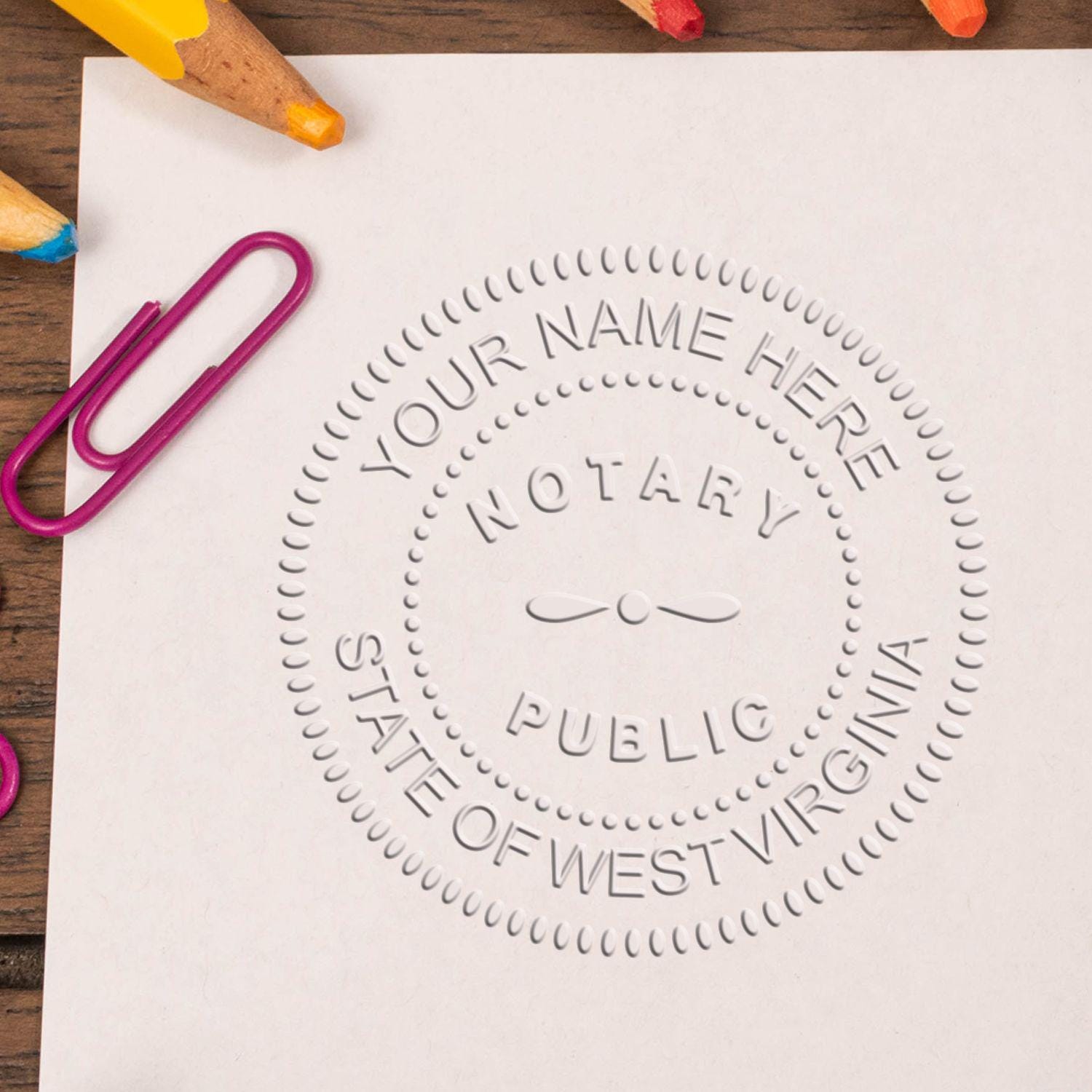
You’ve likely heard how important your WV notary seal is for every notarial act you perform in West Virginia. As a notary public, you need a reliable seal that meets state requirements while also fitting your budget. In this comprehensive guide, you’ll explore the different types of seals, discuss important purchasing factors, and discover tips for caring for your seal so it remains in top shape for years to come. You’ll also learn about outstanding providers—like Acorn Stamps, a family-owned and operated company since 1964 that offers West Virginia notary stamps and West Virginia notary seals with stellar service and rapid turnaround times.
Understand WV Notary Requirements
Before you choose a WV notary seal, it’s wise to understand the basic guidelines set by the state of West Virginia. Your seal isn’t simply an accessory—rather, it’s a mandatory tool used to verify and authenticate your notarial acts.
It Must Meet State Standards
- West Virginia requires that your seal contain the words “Official Seal,” your name, and “Notary Public.”
- The seal typically must also include the words “State of West Virginia” to confirm your authority within West Virginia’s jurisdiction.
It Must Be Legible
- The impression or ink stamp must be readable so your notarial acts stand up under scrutiny.
- If the information in your seal is faint or smudged, you risk having documents challenged.
It Should Last Through Your Commission
- The average commission in West Virginia spans five years. Your seal should be durable enough to keep impressions crisp throughout your commission term.
- If you notarize documents often, consider how frequently you may need to re-ink or replace your seal.
Understanding these requirements helps you pick the right seal from the start. You’ll want a seal that not only satisfies regulations but also holds up under regular use.
Compare Different WV Notary Seal Types
Your next step is deciding which type of WV notary seal fits your needs. Each style—pre-inked, self-inking, or embosser—carries distinct pros and cons. The best choice ultimately depends on your preference, frequency of use, and budget.
Pre-Inked Stamps
Pre-inked stamps use a reservoir of ink embedded in the stamp die itself.
Distinctive Features
- Produces crisp and clear imprints with minimal pressure.
- Often has a slimmer design than self-inking models.
Potential Drawbacks
- Refilling the ink reservoir can be slightly more involved than re-inking a self-inking stamp.
- Tends to be slightly more expensive upfront, though the print quality is typically excellent.
Pre-inked options often appeal to notaries who want professional-looking imprints and are willing to pay a bit more upfront for convenience.
Self-Inking Stamps
Self-inking stamps include a built-in ink pad that re-inks the die after each impression.
Distinctive Features
- Quick, one-step stamping—ideal if you need to notarize many documents in short succession.
- Typically straightforward to re-ink by replacing or applying ink to the internal pad.
Potential Drawbacks
- Some lightweight self-inking styles may not produce as crisp an impression if pressure isn’t applied evenly.
- Bulkier than pre-inked options, which may matter if you carry it around daily.
A self-inking seal is often a favorite for notaries who prioritize speed and ease of re-inking.
Embossers
An embosser crimps (or embosses) the paper, creating a raised impression.
Distinctive Features
- Adds a professional, official aesthetic.
- Doesn’t require ink; the imprint remains permanently pressed into the paper.
Potential Drawbacks
- Impressions can be less visible on photocopies.
- Requires more hand pressure, which can be tiring if you handle many documents each day.
Embossers are a classic choice, providing a traditional style that some clients prefer. Even if you primarily use an inked stamp, you might keep an embosser on hand for special documents or if your clients expect an embossed seal.
Consider Key Purchase Factors
Beyond the basic seal type, you’ll also want to think about budget, design, storage, and compliance. A little planning now can save headaches in the long run.
Budget
- While staying within your budget is essential, it’s also wise to consider potential replacement costs down the road if you select a cheaper option.
- Higher-quality seals, like premium pre-inked or metal-cast embossers, may have a higher upfront cost, but they often provide greater longevity.
Design Quality
- Ensure that the seal has clear and accurate text. Look for clean, easily readable fonts that won’t blur or bleed over time.
- You can often select from various styles or fonts to match your personal or business branding.
Storage
- If you travel to clients, a compact and sturdy seal may make it easier to transport. Look for a snap-on protective case, especially if you use an embosser.
- Keeping your seal in a dedicated pouch or container prevents damage and keeps it free from dust and debris.
Legal Compliance
- Make sure the seal design meets West Virginia’s notary requirements. If you’re unsure, you can consult official state resources for exact wording and format.
- Your seal must incorporate your name, your “Notary Public” designation, and “State of West Virginia.” You’ll often also include your commission expiration date for clarity, though this depends on state rules.
By balancing cost, design, storage, and compliance, you can zero in on the seal that best suits your notarial responsibilities.
Explore Budget-Friendly Options
If you’re new to the notary profession or simply looking for a low-key solution, budget-friendly seals can accomplish your essential tasks without straining your wallet.
Basic Economy Stamps
- Often cost less than higher-end models.
- Typically made of lighter plastic, which reduces the durability somewhat.
Starter Embossers
- Generally feature a lightweight metal handle and an affordable dye plate.
- Suitable for notaries who don’t expect to emboss many pages per day.
Refurbished or Clearance Items
- Occasionally, you’ll find discounted or refurbished seals. Just ensure they comply with updated notary design requirements.
Budget-friendly seals are particularly helpful if you’re experimenting with different notary duties or you don’t plan to stamp documents daily. Even the most basic stamp can be effective if you keep it properly inked and store it safely.
Check Mid-Range Seals
Mid-range options often offer a balance between affordability and longevity. Whether you choose a standard self-inking stamp or a more robust embosser, you’ll find quality materials and a comfortable feel.
Standard Self-Inking Stamps
- Offer reliability and speed.
- Usually feature a plastic body, but a better quality ink mechanism than budget models.
Mid-Range Embossers
- Often provide a comfortable grip and improved durability.
- Can include customization, such as your own unique embossing layout or handle color.
Versatility
- If you expect varied notarial tasks, a mid-range seal ensures you won’t outgrow its capabilities.
- Some come with additional security features, like protective cases or locking mechanisms.
This price range hits a sweet spot for many West Virginia notary publics. You generally get a more durable construction, smoother operation, and fewer issues over time.
Invest In Premium Seals
For notaries who handle a high volume of documents or simply prefer a refined feel, premium options could be the right investment. While these typically cost more, the benefits often outweigh price concerns.
Heavy-Duty Self-Inking or Pre-Inked Stamps
- Sturdy metal frames that deliver consistent impressions even under heavy use.
- Premium inks that resist fading or smudging over time.
High-End Embossers
- Constructed from solid metal for smooth action and a crisp seal.
- Designed with ergonomic handles to reduce hand fatigue.
Advanced Customization
- Possibly include your logo or specialized text (as allowed by state regulations).
- Ideal for notaries who also plan on brand building or want to stand out in a competitive market.
Premium seals can last through multiple commission cycles. They’re particularly beneficial if you notarize frequently, need exceptional clarity, or want to convey a professional impression at every appointment.
Maintain Your Seal Properly
Once you find your ideal WV notary seal, you’ll want to keep it in good condition. Proper maintenance ensures you never have to scramble for a replacement in the middle of a notarial act.
Store It Correctly
- Keep your stamp or embosser in a dedicated case or box. Avoid tossing it loosely into a bag or drawer.
- Exposure to heat and moisture can degrade inking mechanisms or rust metal.
Clean and Refill
- For inked stamps, replace or refill the ink pad periodically to maintain clear impressions. Most should last for thousands of uses before needing a refill.
- Wipe your embosser surfaces gently, ensuring no paper scraps are lodged in the crimp plates.
Check for Wear
- If the text on your seal starts to blur or fade, investigate why. You might need to re-ink, adjust pressure, or replace certain parts.
- Regular maintenance extends the lifespan of your seal and keeps your notarial acts looking professional.
Why Choose Acorn Stamps
When it comes to sourcing a reliable WV notary seal, choosing the right vendor can make all the difference. Acorn Stamps stands out for several reasons:
- Leading Supplier of West Virginia Notary Seals
Acorn Stamps has years of experience producing stamps and embossers specifically designed to meet West Virginia’s notarial guidelines for clarity and compliance.
- Family-Owned and Operated Since 1964
With six decades of service, Acorn Stamps brings tradition and craftsmanship to every seal. You’ll benefit from the personal touch and attention to detail that only a long-standing, family-run business can provide.
- Stellar Customer Service
Whether you need quick answers on product specs or help with a custom order, Acorn Stamps’ support team is ready to assist. You can count on fast responses, friendly guidance, and a commitment to ensuring your satisfaction.
- Super-Fast Turnaround
If you’re in a rush to start notarizing, Acorn Stamps works diligently to process orders quickly—so you receive your new WV notary seal without excessive wait times.
In short, if reliability, expertise, and a personal connection matter to you, Acorn Stamps is an excellent partner for your notary needs.
Frequently Asked Questions
Is a WV notary seal always required for every notarization?
Yes. West Virginia law requires notaries to use an official seal on all notarial acts. This seal verifies your authority and helps deter fraud by confirming you’re a commissioned notary public.
How often should I replace or re-ink my notary seal?
That depends on how often you notarize. If you notice fading impressions or difficulty reading your seal text, it’s time to re-ink or possibly replace the seal. Self-inking and pre-inked stamps typically last for thousands of impressions, while embossers may need fewer replacements as they do not use ink.
Can I use a decorative seal design or font?
You have some flexibility in how your text looks, but West Virginia regulations require clear language stating your name, “Notary Public,” and “State of West Virginia.” Avoid overly ornate fonts that might compromise legibility, and make sure your seal still meets official requirements.
Do I need separate seals for different commissions?
If you move from one commission term to the next and your identifying details change (for instance, your name or expiration date), you’ll need a new seal that reflects the updated information. Always confirm with West Virginia’s notary guidelines before reusing the same seal.
Are digital seals permissible in West Virginia?
Electronic or digital notarizations may be allowed under specific guidelines, but you generally still need a physical seal for traditional notarizations. If you provide remote online notarizations, check West Virginia’s latest rules regarding electronic seals to ensure you remain compliant.
Choosing the ideal WV notary seal involves understanding your state’s requirements, picking from different seal types, and weighing factors like cost, quality, and convenience. Whether you opt for a simple budget stamp or a premium metal embosser, maintaining your seal will keep you efficient and confident in your notarial role. And for a reliable partner who celebrates over half a century of commitment—consider Acorn Stamps for top-notch service and products that fit every price range. With the right seal at your side, you’ll be well-prepared to serve as a trusted West Virginia Notary Public.