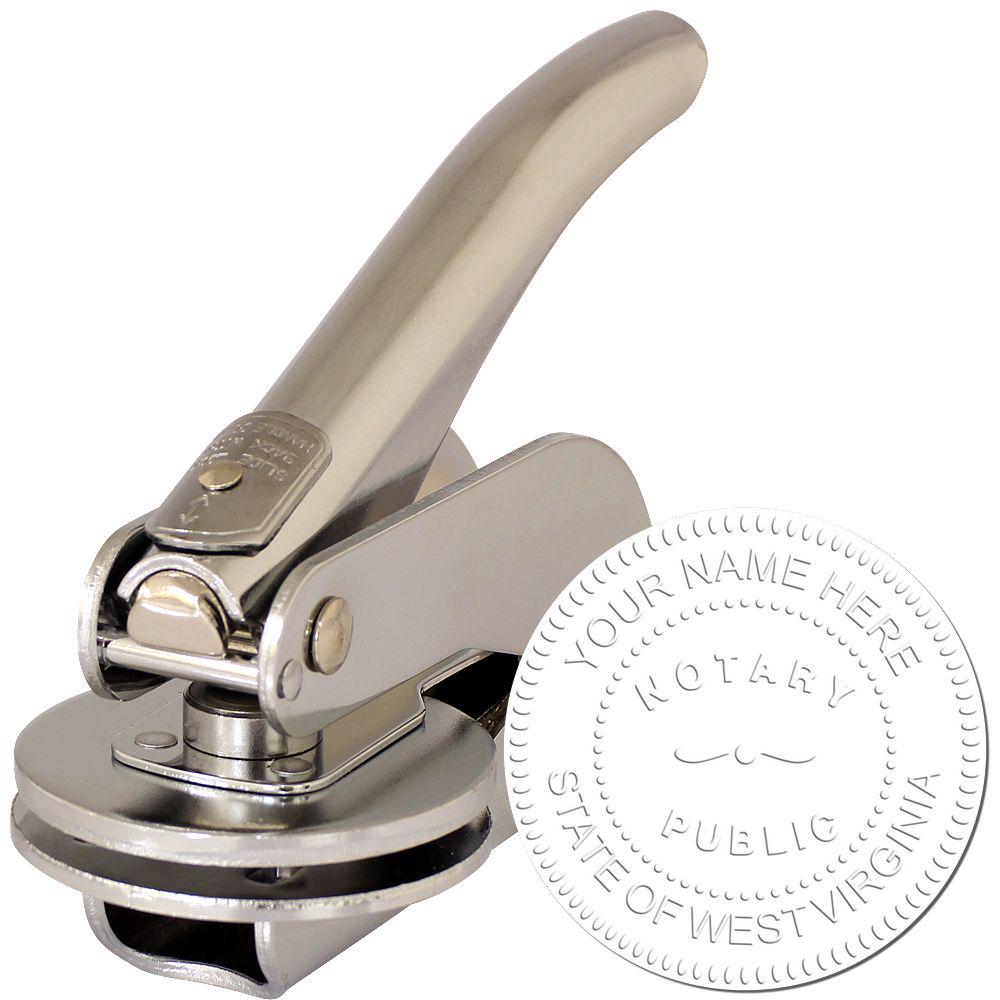
If you are a commissioned West Virginia Notary Public, your West Virginia notary seal is more than just a stamp on paper. It is your official mark of authenticity, credibility, and accountability. Every document you notarize gains legitimacy in the eyes of your clients and the state. The seal represents your dedication to serving your community and upholding legal integrity. In this article, you will explore why a reliable West Virginia Notary Seal matters, how to choose the right one, and how leveraging the right tools can help you move your notary career toward greater success.
Explore the Role of a Notary in West Virginia
West Virginia Notaries are state-appointed officials who provide essential services to prevent document fraud. Whether you are verifying signatures on property deeds or administering oaths for affidavits, your presence protects both signers and recipients, ensuring legal documents are genuine and freely signed.
Understanding Your Responsibilities
- Verify Identity: Your primary task is confirming that each signer is who they claim to be. This step typically involves checking government-issued identification.
- Confirm Willingness: You ensure that all parties are signing without coercion and understand the consequences of their signatures.
- Maintain Records: You may be required to keep a notary journal with the date, type of document, and signer details. Thorough recordkeeping adds another layer of trust.
By carrying out these responsibilities with care, you help prevent fraud, encourage honesty, and uphold the integrity of important papers in West Virginia.
Common Documents You Will Encounter
- Property Deeds and Real Estate Closings
- Power of Attorney Documents
- Affidavits and Court-Related Filings
- Loan and Mortgage Agreements
The variety of documents you will come across makes your role both challenging and rewarding. Every day can present a new type of document requiring your seal, which underscores the importance of having a reliable tool that delivers a clear, crisp impression each time.
Discover the Significance of a Notary Seal
A West Virginia Notary Seal is more than a formality, it is your official mark that proves the document was notarized by a commissioned Notary Public in full compliance with state regulations. The clarity and permanence of your seal impression often set the tone for how seriously the document is taken by legal professionals, financial institutions, and clients.
Serving as Your Signature of Authority
When you apply your notary seal, you are confirming:
- You have witnessed the signer affix their signature.
- You have validated the signer’s identity.
- You are fulfilling your responsibilities under West Virginia law.
Because of these points, your seal is a visible symbol of trust. People rely on a properly executed seal to provide assurance that the notarized document will withstand scrutiny if ever questioned in court or by third parties.
Meeting State Regulations
Each state, including West Virginia, dictates specific guidelines for the seals its notaries use. Complying with these rules helps you avoid legal complications and ensures your notarizations remain valid. Common regulatory requirements include:
- Seal Shape, Size, and Format
- Required Text (Your Name, Commission Number, State)
- Legibility Standards
No notary wants to face having their work invalidated because of an improper seal. By adhering to West Virginia’s guidelines, you help your clients feel confident that their documents will be accepted by any agency or institution that requires notarization.
Choose a Trusted Supplier
Selecting a dependable West Virginia Notary Seal provider is a critical decision for your career. You want a seal that not only meets state requirements but also holds up to repeated use over long periods.
Look for Quality Craftsmanship
A top-quality seal delivers:
- Consistent Impressions: Clear, clean, and visible text with every application
- Durable Materials: Sturdy construction to handle daily stamping needs
- Ergonomic Design: A comfortable grip that allows easy and accurate stamping
The last thing you want is to struggle with a seal that fails to produce legible impressions or wears down quickly, risking rejection of documents. Investing in a well-made seal means fewer problems over time and a more professional appearance in front of clients.
Consider Acorn Stamps
When you are shopping for notary supplies, keep track of the supplier’s reputation, turnaround time, and customer service. Acorn Stamps is a leading provider of West Virginia Notary Stamps and West Virginia Notary Seals. As a family owned and operated business since 1964, Acorn Stamps has over 60 years of service under its belt. Here is what you can expect:
- Stellar Customer Service: Their friendly and knowledgeable team is dedicated to meeting your needs.
- Super Fast Turnaround: Quick shipping means you do not waste time waiting when you have new or urgent projects.
- Trusted Craftsmanship: Decades of experience ensure their products are both long-lasting and easy to use.
A supplier that prides itself on quality and dependability helps you maintain a professional edge in your notary practice.
Follow Key Best Practices
Your West Virginia Notary Seal is a standardized tool, but you have the flexibility to use it in various ways to stay organized, keep yourself safe from liability, and wow your clients with professionalism.
Positioning the Seal Appropriately
Every notarization you perform has a designated location for the seal. Placing it in the right spot ensures the seal is fully legible, and it protects other important text on the page. Here are a few tips:
- Look for Empty Space: Avoid stamping over signatures or typed text.
- Keep Ink Consistent: Make sure you have enough ink to avoid patchy or faded impressions.
- Double-Check the Imprint: If the seal is not clearly impressioned, re-stamp carefully, or attach a separate certificate to maintain clarity.
With a bit of care and attention, you can ensure your notarized documents maintain a polished look.
Handling Client Information Securely
As a Notary Public in West Virginia, you often handle sensitive documents that contain personal data. Maintaining confidentiality is both a professional duty and a legal responsibility:
- Store Completed Documents Securely: Keep them in a locked cabinet or private file so they are safe from unauthorized viewing.
- Protect Your Notary Journal: If you maintain a journal, safeguard it properly, as it can contain sensitive details like addresses, phone numbers, and identification documents.
- Respect Privacy: Never share personal details of any signers unless the law compels you to do so.
Privacy breaches can erode trust quickly. Using best practices for confidentiality shows your commitment to professionalism and helps reassure clients that their documents are safe in your hands.
Maintaining Your Notary Tools
Follow a simple maintenance routine so your seal remains ready for daily notary tasks:
- Clean the Seal After Heavy Use: If ink residue builds, use a gentle cloth to wipe it clean.
- Store It in a Dry, Safe Place: Avoid exposing your seal to moisture or extreme temperatures that could distort its rubber or metal parts.
- Refill or Replace Ink Pads: Keep an eye on your ink levels. Running out is inconvenient, and it can ruin important documents if the seal is too faint.
- Inspect for Wear: Over time, the engraved portions can wear down. If the impression looks faint or incomplete, consider ordering a replacement.
A properly maintained seal will keep producing crisp and accurate impressions, reinforcing your reputation as a polished notary professional.
Elevate Your Notary Career
A well-executed West Virginia Notary Seal can transform how your clients perceive your services. It is often the subtle details that set you apart from the crowd. You may expand your client base, command respect in your community, and open doors to new opportunities by adding extra value to each notarization.
Diversify the Services You Offer
Notaries can broaden their horizons in several ways:
- Remote Online Notarization (RON): West Virginia has allowed limited remote notarization practices. If eligible, you can deliver services to clients who cannot meet in person.
- Mobile Notary Services: Offer to visit offices, hospitals, or homes, saving clients the hassle of traveling.
- Loan Signing Specialization: Consider additional training to become a Signing Agent for mortgage documents—often a more lucrative avenue.
When you add extra services, your notary seal remains central to proving the authenticity of the documents you handle, reinforcing your role as an indispensable resource.
Strengthen Client Trust Through Professionalism
From your personal attire to the condition of your desk, everything a client sees or interacts with contributes to their overall experience. Consider:
- Organized Workspace: Keep commonly used forms, references, and your notary seal neatly arranged.
- Clear Fee Structures: Provide an upfront summary of any fees for your notary services.
- Prompt Communication: Respond quickly to client questions so they do not experience delays.
You will build a reputation for reliability, making you the go-to notary when people need a professional who truly understands the notary process.
Leverage Your Seal to Network
Your seal’s impression will pass in front of lawyers, real estate brokers, and business owners, among others. That constant visibility can spark relationships and referrals if you make it evident that you provide top-notch notarization services. A heartfelt greeting, a quick conversation, and a brilliant seal impression combine to leave a lasting impression of professionalism.
Frequently Asked Questions
Below are some of the most common questions West Virginia Notaries ask about seals and their role:
Do I need both a notary stamp and an embosser for my West Virginia Notary Seal?
West Virginia does not strictly require both. Some notaries choose to have a self-inking stamp for day-to-day tasks and use an embosser for more formal documents. Check the current state guidelines and consider what is most suitable for your practice and personal preference.
How often should I replace or re-ink my notary seal?
It depends on your level of use. If you handle dozens of documents daily, you may need to re-ink your seal monthly. For moderate use, every few months may suffice. It is important to regularly test your seal on scrap paper. The moment you notice uneven or faint stamping, re-ink or replace it.
What happens if my seal impression is rejected by a client or agency?
If your seal is unclear or does not meet West Virginia’s guidelines, that document might be considered invalid. The solution is typically as simple as re-notarizing the original document or attaching a new certificate, provided the signing date and details remain valid. Always remain attentive to your state’s rules to avoid such issues.
Can I use a decorative or personalized notary seal?
While your notary seal can reflect your style, it must still comply with state regulations. West Virginia usually requires specific text and layout. Adding extra decorative elements might conflict with legibility, so always confirm any variations are permissible. The priority is clarity of the required information.
Why should I consider Acorn Stamps over other suppliers?
Acorn Stamps has a longstanding reputation with over 60 years in service, family owned and operated since 1964. They are known for stellar customer support, high-quality products, and fast turnaround times. By choosing a reputable supplier, you invest in an accurate seal that boosts your professional image.
A durable, properly maintained West Virginia Notary Seal strengthens your credibility and accelerates your notary career. Remember to keep your seal up to date, thoroughly review state guidelines, and maintain a professional standard in every notarization. When you use a reliable seal from a trusted provider like Acorn Stamps, you are better equipped to serve your clients with confidence and skill. By combining essential notary knowledge with outstanding tools, you truly unlock your notary potential.