As a West Virginia notary public, you know how crucial it is to have the right West Virginia notary supplies at your fingertips. The integrity of every notarized transaction rests on your ability to apply the correct tools, verify identities properly, and maintain impeccable records. By equipping yourself with the most essential items, you ensure that your work remains accurate, compliant, and hassle-free. Below, you will find everything you need to know about which supplies to prioritize, how to optimize their use, and where to find quality options that fit your budget and needs.
Understand Notary Fundamentals
Before diving into specific stamps or seals, it helps to review the foundational role you play as a West Virginia notary. You are entrusted with authenticating signatures, preventing fraud, and upholding the law. When you notarize documents, you confirm the identity of signers, ensure they’re acting willingly, and provide an official certification.
Why Proper Tools Matter
- Compliance With State Requirements. West Virginia law demands high standards from notaries, including the correct application of stamps, seals, and record-keeping.
- Professional Reputation. Your clients rely on you to handle sensitive legal documents. Quality supplies show that you take your duties seriously.
- Time Savings. Having reliable tools on hand streamlines your workflow, helps you avoid mistakes, and projects an organized image.
- Fraud Deterrence. When you use official instruments such as stamps and seals, fraud becomes more difficult for individuals who may try to forge or tamper with legal documents.
By knowing why each tool matters, you’ll be better prepared to invest in supplies that meet both your practical and professional needs.
Choose A Reliable Notary Stamp
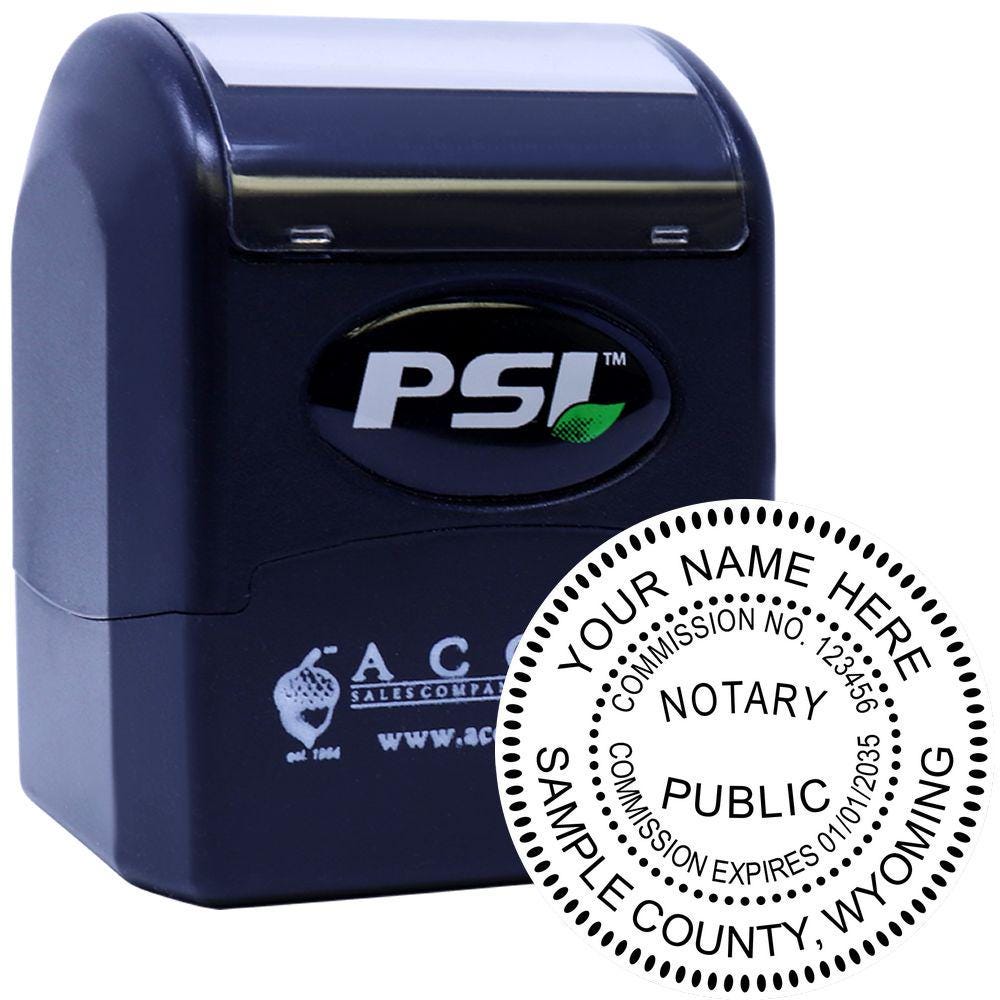
One of the first items you should secure is a high-quality notary stamp. In West Virginia, you typically use an inked stamp to provide essential details such as your name, your title as a notary public, and the phrase “State of West Virginia.” Since the stamp verifies authenticity, clarity and durability are critical to ensure the impression is legible on every document.
Different Stamp Varieties
- Self-Inking Stamps. These come pre-loaded with ink inside the stamp mechanism. They’re convenient and fast, making them an excellent choice if you often travel or handle multiple notarizations in a single day.
- Pre-Inked Stamps. Pre-inked designs burn the text or image into a specialized material. They tend to create crisp impressions and can last for thousands of uses before needing a refill.
- Traditional Rubber Stamps. Although they’re less common today, rubber stamps require a separate ink pad. They can be cost-effective but may be less convenient if you’re frequently on the go.
No matter which type you choose, ensure it meets the standard size and layout guidelines required by West Virginia law. Always double-check the clarity of the text, because a smudged or faded stamp can invalidate a document.
Get The Correct Notary Seal
Your notary seal complements your stamp by providing an extra layer of security and professionalism. In some states, an embosser is optional, but many West Virginia notaries find it beneficial for certain documents or when clients request an engraved impression.
Mastering Proper Seal Use
- Confirm Requirements. West Virginia may not strictly require an embosser in every case, but it can enhance the perceived legitimacy of your notarized documents.
- Practice Your Technique. Apply consistent pressure across the seal for a clear impression. If you’re new to embossing, practice on scrap paper first.
- Consider Placement. Positioning the seal too close to the edge of a page can result in partial impressions. Always leave enough margin space for the seal to be fully visible.
An embossed seal won’t necessarily replace your stamp, but think of it as a worthy addition, especially when you want to reinforce authenticity for clients or official agencies.
Maintain A Thorough Record
In your role as a West Virginia notary, precise record-keeping is non-negotiable. Your notary journal or record book functions as a safeguarded history of your transactions. If a question arises about a signature, date, or specific notarization detail, you can refer directly to your meticulously maintained records.
Essential Record-Keeping Tips
- Include All Key Data. At a minimum, note the signer’s name, type of document, date, and the type of identification presented.
- Keep Records Secure. Your journal should remain under your control, in a locked drawer or cabinet when not in use. Privacy is paramount, as it may contain delicate information.
- Use Legible Handwriting. If it’s hard to make out details, your records become less useful in cases of dispute or audit. Print or write neatly, and consider using a uniform pen type for consistency.
- Retain Old Journals. Even after you fill a journal, keep it in a safe place. Some states advise holding onto journals for several years after your commission expires.
Detailed records protect both you and your clients from misunderstandings or allegations of wrongdoing. They also illustrate your commitment to upholding the highest notarial standards.
Verify Signers’ Identities
Confirming a signer’s identity is one of your key responsibilities as a notary. While examining a government-issued photo ID is typically the standard method, there are additional supplies that can help reinforce your verification process.
Inkless Thumbprint Versus Alternatives
- Why Thumbprints Help. A thumbprint can offer an extra layer of identity confirmation. It’s not required in all situations, but some notaries prefer using it for sensitive transactions such as those involving property deeds or financial agreements.
- Inkless Pads. An inkless thumbprint pad leaves a discreet mark without creating a mess on signers’ fingers or your desk. These pads are convenient, portable, and simple to use.
- Digital Options. Some notaries also integrate digital tools like fingerprint scanners or mobile apps for identity verification, but West Virginia law might have specific guidelines to follow in digital scenarios.
Evaluate when it’s appropriate to request a thumbprint and be sure to store any biometric data in a secure manner, respecting state and federal privacy regulations.
Add Other Helpful Tools
Beyond the fundamentals of stamps, seals, and identification aids, several additional supplies can streamline your duties as a West Virginia notary. While not all are mandatory, they often make a notable difference in your daily workflow.
Optional But Useful Supplies
- Notarial Certificates. These pre-printed certificates reduce the risk of errors and ensure correct wording for acknowledgments or jurats.
- A Portable Bag. If you travel to clients’ homes or offices, a weather-resistant bag helps protect your stamp, seal, and documents from damage.
- Quality Pens. Signature quality can suffer if you constantly rummage for a pen that’s about to run dry. Keep reliable black or blue pens in stock.
- Customized Stationery. If you’re building a personal brand, letterheads or business cards can lend a professional touch that clients will remember.
Think about your unique working style. If you often handle documents on the move, a sturdy organizer can be a lifesaver. For stationary offices, keeping your supplies arranged on a tidy desk may suffice. It’s these smaller considerations that distinguish a well-prepared notary from an unprepared one.
Partner With A Trusted Supplier
Investing in high-grade west virginia notary supplies assures you won’t have to worry about replacing items prematurely or dealing with poor impressions. A reliable provider recognizes West Virginia’s specific notarial regulations and offers customer service if you need custom text, have design questions, or require an upgrade.
What Makes Acorn Stamps Unique
When you’re looking for dependable notary products, Acorn Stamps stands out as a top supplier for West Virginia notary stamps and seals. Family owned and operated since 1964, Acorn Stamps takes pride in nearly 60 years of providing stellar customer service and super fast turnaround times. Whether you need a pre-inked stamp or an elegant embosser, you can expect consistent quality built on decades of expertise.
Here are a few reasons why you might choose Acorn Stamps for your key notarial items:
- Compliance With State Requirements. Because they’ve served countless notaries across the country, Acorn Stamps understands West Virginia-specific regulations.
- Fast Production And Shipping. Meeting tight deadlines is key in the notary world, and their quick turnaround means you’ll rarely be left waiting.
- Personalized Customer Help. Get support if you need your name or commission details laid out just right to meet West Virginia guidelines.
- Long-Lasting Products. Durability saves you money and stress, and their stamps and seals are designed to hold up under heavy use.
Remember, your notary supplies are not merely office accessories, they represent your professional identity. Partnering with a trusted provider like Acorn Stamps can make a significant difference in both quality and convenience.
Answer Your Top FAQs
Below are some frequently asked questions related to the must-have tools and day-to-day best practices for West Virginia notaries.
What Is The Most Important Supply For A West Virginia Notary Public?
In most cases, your notary stamp is your primary essential. A clear, legible stamp ensures the notarized document carries your official information and conforms to West Virginia state standards.
Do I Need A Journal If West Virginia Does Not Make It Mandatory?
Even if not strictly required by law, maintaining a record book or journal is highly recommended. Complete records serve as evidence of your actions if a dispute arises and reflect your commitment to thorough documentation.
Should I Use An Embosser If My Stamp Is Already Sufficient?
An embosser adds a professional appearance and can provide an extra security measure. While your stamp typically suffices for most transactions, an embossed seal may be appropriate for high-value or sensitive documents.
How Often Should I Update My Notary Supplies?
Evaluate your supplies each year. Once your stamp starts fading or documents become hard to read, it’s time for a replacement. Your commission length also dictates when you’ll need an updated stamp with your new expiration date.
Is Errors And Omissions Insurance Essential For A Notary?
Errors and omissions (E&O) insurance is not legally required in every case, but it’s a valuable safety net that protects you financially if a claim is made against you for a mistake. It’s worth considering if you handle frequent, high-stakes transactions.
Conclusion
Making sure you have the correct West Virginia notary supplies isn’t just about checking items off a list, it’s key to fulfilling your duties reliably, efficiently, and professionally. From a sturdy notary stamp that leaves crisp impressions to an optional embosser that adds polish, every piece of equipment reinforces the authenticity of the documents you handle. A well-organized record book, identity verification materials, and supplemental tools such as notarial certificates or travel bags can make your role run smoothly.
Don’t forget the importance of working with a reputable provider for top-quality stamps and seals. With Acorn Stamps, you benefit from over half a century of expertise and outstanding customer support, ensuring that every imprint you make adheres to West Virginia’s standards. By selecting well-made materials and using them correctly, you can focus on serving your clients, safeguarding their legal affairs, and upholding your standing as a trusted West Virginia notary public.