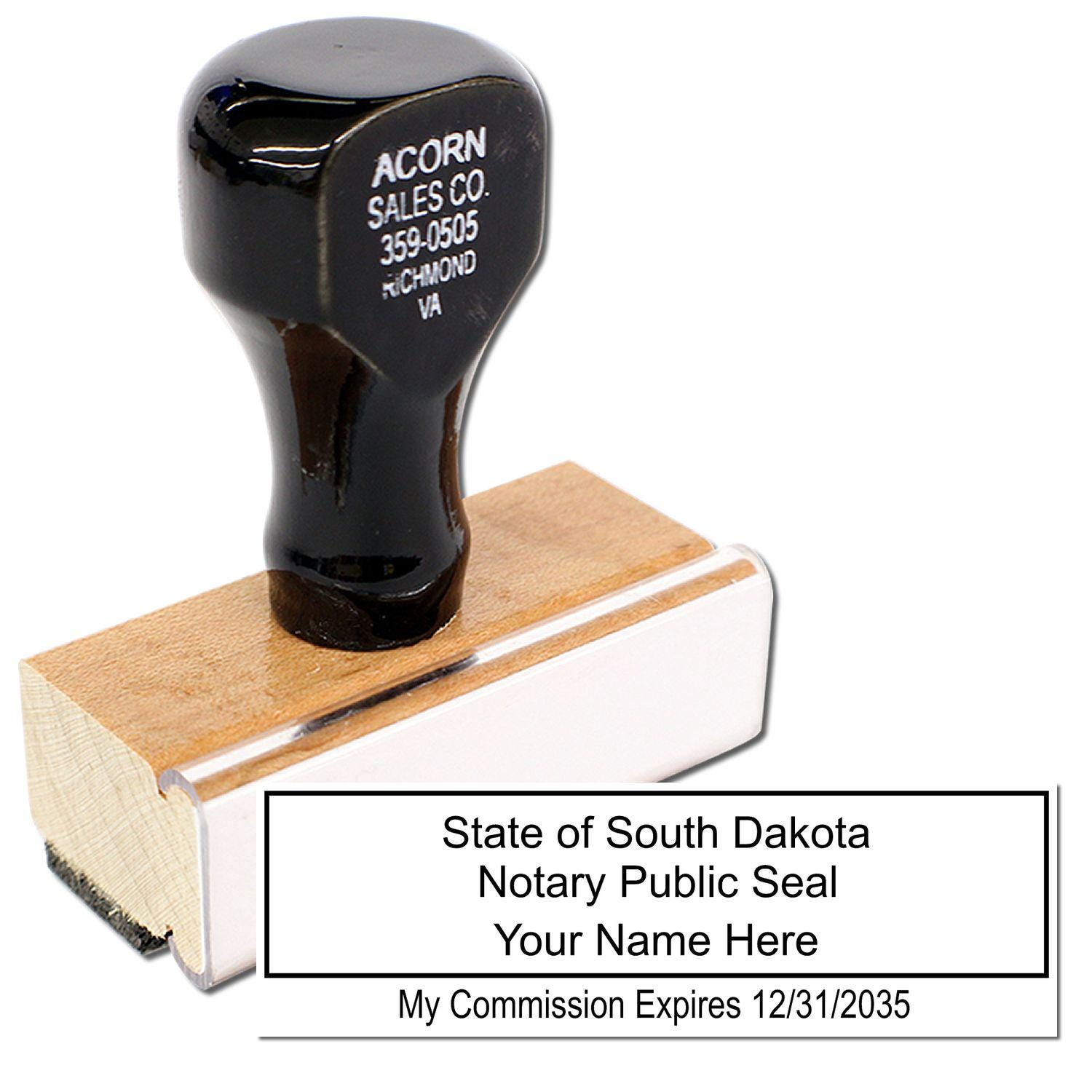
Understand South Dakota Notarization
When you decide to become a notary public in South Dakota, it is critical to know all the South Dakota notary requirements that govern your commission. These regulations keep the notarial process secure, legally compliant, and beneficial for your local community. Whether you are filing documents, verifying signatures, or administering oaths, upholding the standards set by the state is essential for maintaining credibility and avoiding legal repercussions.
Why These Requirements Matter
You serve as an impartial witness to the signing of important legal papers, from property deeds and affidavits to financial documents. Because you validate identities and confirm the willingness of signers, you play a vital role in preventing fraud. Failing to satisfy state requirements could lead to a revoked commission or even legal liabilities. By understanding each step thoroughly, you set yourself up for a productive, long-term notarial career in South Dakota.
Confirm Your Qualifications
Before you can even apply for a commission, you need to make sure you meet certain prerequisites. These basic rules range from your age and residency status to your background standing. Being fully aware of your eligibility ensures a smoother application process and helps you avoid wasted time or official rejections.
Citizenship And Residency
The first prerequisite typically requires you to be a resident of South Dakota or employed within its borders. Officials want to ensure that you are tied to the state in a meaningful way. If you live just across the border but hold a position within South Dakota, you might still qualify. Before proceeding, verify the latest residency guidelines on the official state government website to make sure you fit the residency or employment requirement.
Age And Education
In addition to meeting citizenship criteria, you must also be at least 18 years old. Having a minimum high school diploma or its equivalent is recommended, but the primary condition is that you have the ability to fulfill notarial responsibilities with diligence and accuracy. In many situations, your competence in reading, writing, and basic recordkeeping is more essential than having a specific advanced degree.
Good Moral Character
Another important condition is maintaining good moral character. While the specifics can vary, this generally means you cannot have a recent felony conviction or a history of major legal indiscretions. If you have concerns about your past legal record, reach out to the appropriate state office for clarification. By confirming your standing in advance, you protect your application from unexpected hurdles.
Complete Your Application
Once you have verified that you meet all the initial requirements, you are ready to begin the official application process. Paying attention to every detail, from bonding to filing fees, will keep you on track as you proceed toward obtaining your notary commission.
Bonding Essentials
Under South Dakota law, you are typically required to acquire a notary bond before you can be commissioned. This bond provides financial protection in the event you make a mistake that causes harm to someone, covering potential damages or legal fees. You will want to compare providers carefully, making sure to select a reputable bonding company that is recognized by the state. Keep in mind that this bond does not protect you personally if you engage in fraudulent or criminal behavior, so it is still crucial to follow every rule diligently.
Filing Fees
Along with the bond, you will need to pay a modest filing fee when you submit your application. This fee covers administrative costs for processing, recordkeeping, and verification. Check the most current fee schedule on the official South Dakota state website or consult your local county office. Having your payment ready when you file helps prevent delays in approving your application.
Oath Of Office
Once you have been notified that your application is accepted, you must take an oath of office. This step formalizes your commitment to uphold the laws of South Dakota and diligently perform your notarial duties. You usually do this at your county courthouse or another authorized location. Although it is a straightforward procedure, treat the oath with the respect it deserves. By publicly pledging to act ethically and thoughtfully, you reinforce trust in your services.
Organize Your Notary Tools
When your commission is granted, it is time to gather the practical tools of your trade: a notary stamp, seal, and recordkeeping journal. These tools help you carry out legal notarizations in an orderly, trackable manner.
Choosing Acorn Stamps
Selecting the right supplier for your South Dakota notary stamp and seal is an important decision. Consider partnering with Acorn Stamps, a family-owned and operated business since 1964, offering 60 years of exceptional service. From super fast turnaround times to stellar customer support, Acorn Stamps has earned a reputation as a top supplier of South Dakota notary stamps and South Dakota notary seals. Quality materials and precise craftsmanship ensure that your stamp impressions are always sharp and readable. Because each state enforces specific seal guidelines, you can rely on a trusted supplier like Acorn Stamps to provide you with the correct format and design.
Proper Stamp Usage
Using your notary stamp correctly is essential. Always place your stamp near your signature on the document you are notarizing, ensuring it is legible. Double-check the date, your notary name, and any other required markings. South Dakota regulations might vary slightly on where you can place your seal, so confirm any location guidelines before you start. Remember to replace your ink pad or re-ink your stamp regularly. A faded or incomplete impression could invalidate a document, leading to frustration or legal complications for the signer.
Know Your Responsibilities
After meeting the South Dakota notary requirements and assembling your tools, you will need to perform your duties ethically and accurately. These responsibilities encompass administering oaths, verifying identities, and maintaining thorough records.
Administering Oaths
Part of your role as a notary public involves administering oaths and affirmations. This might be relevant for affidavits, sworn statements, or legal testimonies. Always remind individuals to speak truthfully throughout the process. Your presence helps establish credibility for legal and official purposes. For consistency, keep written text of the oath on hand so signers know exactly what they are affirming.
Verifying Identities
Before notarizing any document, you need to confirm the identity of each signer. Valid forms of identification typically include a driver’s license, passport, or other government-issued photo ID. Make sure the name on the ID matches the name on the document, and keep an eye out for expiration dates. When in doubt, ask for additional proof of identity or request a credible witness to vouch for the signer. Taking these extra steps prevents fraud and upholds the integrity of the notarization.
Keeping Records
Even though South Dakota does not universally mandate that notaries maintain a journal, many experts recommend you keep one anyway for your own protection. A detailed journal log can help you note the date, signer’s name, type of document, and any pertinent observations. Should any legal questions arise about a notarization, having a thorough record can help demonstrate that you acted appropriately. Be sure to store your journal in a secure location and keep backups if you choose to maintain a digital version.
Renew Your Commission
Notary commissions in South Dakota do not last indefinitely. You are required to renew your commission periodically to remain in good standing. Staying ahead of your renewal date prevents gaps in your authority and ensures you can continue serving without interruption.|
Renewal Timeline
South Dakota typically grants commissions for a set period, after which you must go through the renewal process if you wish to continue notarial duties. The renewal often involves a new bond, payment of applicable fees, and completion of required paperwork. Make a note of your expiration date well in advance so you do not end up rushing through a renewal or allowing your commission to lapse. By planning ahead, you remain ready to assist clients and avoid potential penalties for notarizing with an expired commission.
Avoid Common Pitfalls
Becoming a notary and meeting all the south dakota notary requirements is only the beginning. You should also familiarize yourself with pitfalls that could jeopardize your commission or lead to legal complications down the road.
Notarizing Without A Valid Commission
One common mistake is failing to track your commission expiration date. If you continue to notarize documents after your commission expires, your notarizations are invalid, and you could face penalties. Maintain a calendar reminder or checklist that gives you ample notice when renewal approaches.
Overstep Your Jurisdiction
You must stay within your territory when performing notarial acts. Typically, you cannot notarize documents if the signer or document is located outside of South Dakota, unless the state offers provisions for interstate or remote notarizations. Always confirm state regulations before proceeding. When in doubt, consult an updated state handbook or contact the South Dakota Secretary of State’s office for guidance.
Check These FAQs
Curious about specific details regarding the south dakota notary requirements? Here are five commonly asked questions that might help clarify your role.
How Much Does A Notary Bond Cost In South Dakota?
The cost of a notary bond often depends on the bond amount and provider. Many notaries find that the bond fees are relatively affordable, averaging a modest sum per commission term. Make sure to shop around to get the best rate from an approved provider.
Can I Use A Self-Inking Stamp Instead Of A Manual One?
Yes, self-inking stamps are generally acceptable in South Dakota, as long as they meet state guidelines for design, size, and content. Check with your supplier or the Secretary of State’s office for any restrictions. A self-inking stamp can save time and ensure clear impressions with each use.
Do I Need A Separate Seal If I Already Have A Stamp?
Often, the term “stamp and seal” is used interchangeably. However, some notaries prefer using an embosser in addition to an inked stamp. The embossed seal can add sophistication to important documents, but it is not always mandatory. Verify with state regulations to determine if both are required for your commission.
Should I Keep A Journal Even If It Is Not Required?
Even though South Dakota might not make recordkeeping mandatory, maintaining a journal is a wise practice. If someone later disputes a notarization, your journal will be your most powerful evidence of the steps you took to confirm the signer’s identity. Detailed notes can help you recall specifics that protect you from personal liability.
Where Can I Purchase Supplies With Fast Shipping?
Acorn Stamps offers a comprehensive selection of notary supplies specifically designed to meet South Dakota’s standards. Their family-owned heritage, dating back to 1964, ensures that you receive time-tested quality, fast turnaround, and excellent customer support. This makes it easy and efficient to acquire everything you need to fulfill your duties as a notary public.
By taking a proactive approach to learning and satisfying South Dakota’s regulations, you maintain a trustworthy persona in the world of notarization. This knowledge not only benefits you but also supports every individual who relies on your services to authenticate documents.Maintaining your bond, tracking your renewal dates, and selecting reliable tools like a clear notary stamp or seal from Acorn Stamps can significantly enhance your success as a South Dakota notary. In the ever-evolving realm of legal documentation, thorough preparation is your best ally for building lasting confidence and credibility.
Remember, you serve an important role in authenticating vital paperwork that affects people’s property, finances, and legal matters. By adhering to each south dakota notary requirement, you reinforce the significance of your commission and uphold the integrity of the notarial system. With proper bonding, precise stamping, and careful recordkeeping, you safeguard yourself and the public you serve.
As you practice your notarial duties, you create an environment of professionalism and transparency. Whether you are a new notary or renewing your commission, staying informed protects not only your commission but also your reputation. By following these guidelines every step of the way, you can fulfill your role confidently and honorably in the state of South Dakota.