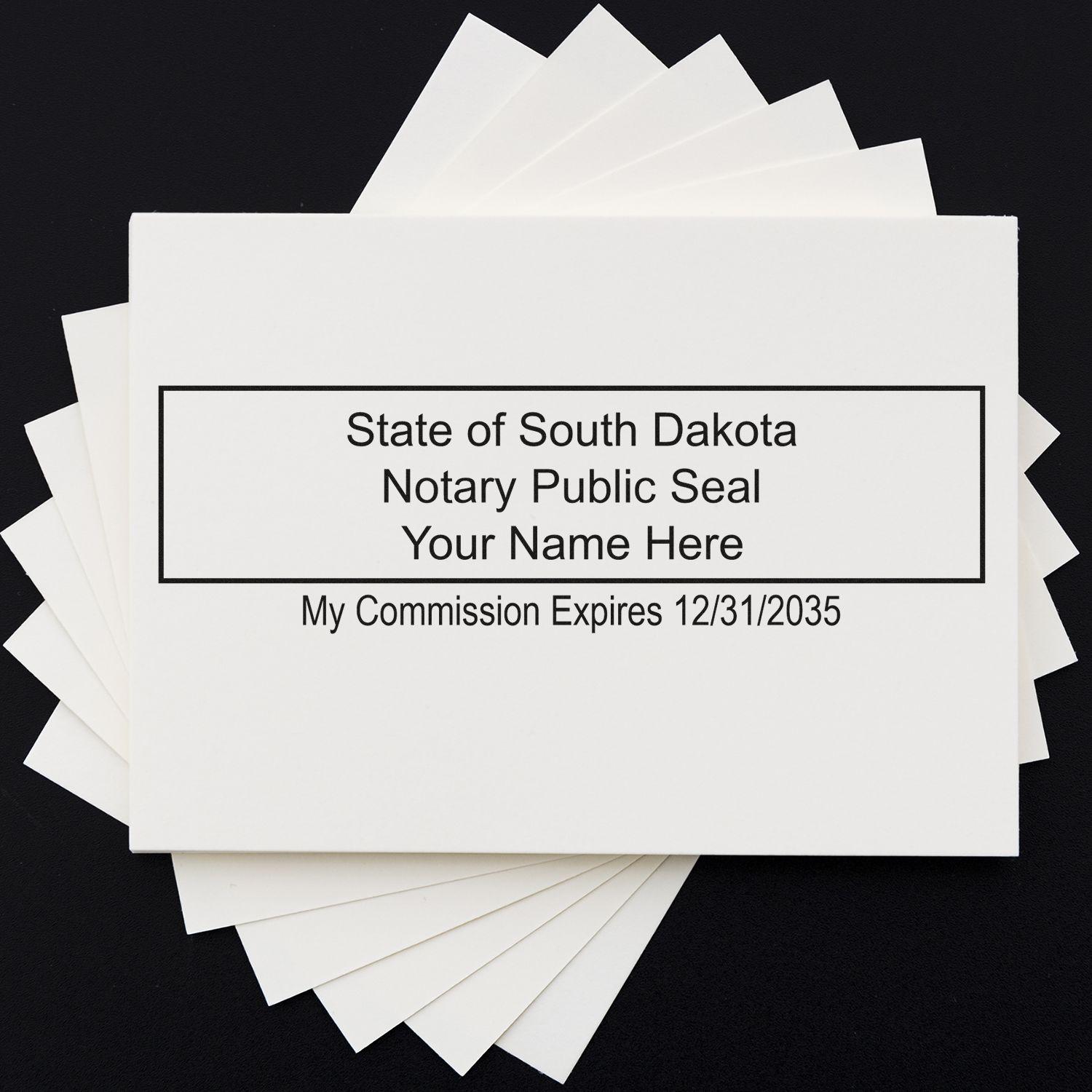
You know how vital it is to have reliable and compliant South Dakota notary supplies to perform your duties with confidence. Whether you’re just beginning your commission or looking to upgrade your toolkit, these items help you notarize documents accurately and maintain credibility with those who depend on your services. Below, you’ll discover how to choose the best notary stamp, when to use a notary seal, and why keeping a record book is a must. Let’s explore each essential supply step by step so you can stay organized, professional, and in line with South Dakota regulations.
Explore Key South Dakota Notary Supplies
South Dakota requires you to practice proper notarization procedures so that your work stands up in legal contexts. To do this, you benefit from various supplies that keep you consistent and compliant. By investing in sturdy, high-quality tools, you can streamline your day-to-day duties and maintain the trust you build with clients.
- Notary Stamp: A primary marking device that imprints your name, “Notary Public,” and other relevant details.
- Notary Seal: Features an embossed impression that indicates you’ve witnessed the signing of a document.
- Record Book or Journal: Tracks each notarization, adding an extra layer of security and documentation.
- Ink Pads and Refills: Keep your stamp crisp and clear for every impression.
- Carrying Case or Organizer: Protects your supplies from damage and keeps them accessible on the go.
As a South Dakota Notary Public, you’re empowered to authenticate a wide variety of documents for individuals, businesses, and government offices. Having the right supplies means you can fulfill these responsibilities more efficiently. Plus, stocking up on top-quality items reduces long-term expenses because you won’t have to replace or repair them as frequently.
Choose the Right Notary Stamp
A well-made South Dakota notary stamp is one of your most important items. It places key information onto each document and ensures clarity in legal contexts. Because your stamp is often the first thing people look for on a notarized document, it’s critical to select a style that fits both your practical needs and state guidelines.
Determine the Format
South Dakota typically requires the stamp to include your name as it appears on your commission, the words “Notary Public,” and your commission expiration date. Ensure you follow the exact phrasing and layout your state guidelines specify. Most notary stamps conform to a rectangular or circular shape, but check that your chosen stamp leaves a clear, legible impression every time.
Pick the Stamp Type
Several types of notary stamps exist, each with unique advantages:
- Self-Inking Stamps
Contain a built-in ink pad. Easy to handle, great for high-volume notarizations. Typically last for thousands of impressions before needing re-inking.
- Pre-Inked Stamps
Provide crisp, clean lines. Use an oil-based ink that resists fading over time. Often compact in design, though they can be a bit pricier upfront.
- Traditional Rubber Stamps
Require a separate ink pad. Offer flexibility in terms of ink types and colors. Usually more affordable but can be messy if you travel often.
Ensure Quality and Compliance
When choosing your stamp, compliance with South Dakota state rules is non-negotiable. If you’re unsure whether a certain stamp meets regulations, ask trusted suppliers like Acorn Stamps. They specialize in South Dakota notary stamps and offer stellar customer service. Because they’ve been family owned and operated since 1964, they understand and respect local requirements, ensuring you get exactly what you need without guesswork.
Understand the Role of a Notary Seal
Along with your stamp, you might also need a South Dakota notary seal. While stamps use ink, a seal often creates an embossed impression on paper. This raised imprint can help deter fraud and adds a visual and tactile layer of authenticity to any document you notarize.
When to Use a Seal
South Dakota regulations permit (and sometimes encourage) a notary seal, especially for documents that must be authenticated in multiple jurisdictions. Some organizations or legal professionals might specifically request an embossed seal, so having one on hand can prove invaluable. If you choose to use a notary seal, be sure it reflects your current commission name and expiration date.
Types of Notary Seals
You have a few sealing devices to consider:
- Handheld Embossers
Compact and easy to carry. Suitable for mobile notary work. Require a bit of squeeze force to make a clean impression.
- Desktop Embossers
Ideal for an office setting. May produce cleaner impressions with less manual effort. Often larger than handheld designs.
- Pocket Embossers with Adapters
Offer portability coupled with an optional desktop adapter. A versatile choice for those who split time between an office and fieldwork. Just like with your stamp, make sure your seal inscription is compliant with state regulations. Acorn Stamps provides high-quality South Dakota notary seals and can guide you through any special requirements.
Maintain a Notary Record Book
A thorough record book (often called a notary journal) is an essential safeguard for you and the parties you serve. While South Dakota may not strictly require you to keep a record of every transaction, it’s considered best practice for accountability and protection. If a notarized document is ever questioned, you’ll have a written account of the who, what, where, and when.
Benefits of Using a Journal
- Protects You Legally: In case of disputes, your detailed record shows good-faith efforts to verify identity and maintain proper procedures.
- Demonstrates Professionalism: Clients and officials alike see you’re serious about your duty.
- Keeps You Organized: A consistent journaling habit helps you track your workload, fees, and repeating clients.
What to Include
Use a structured approach in your record book:
- Date and Time of Notarization
- Type of Document Notarized
- Signer’s Name and Contact Information
- Form of Identification Checked
- Notary Fee Charged (if applicable)
- Signer’s Signature (for added confirmation)
This systematic practice can shield you from misunderstandings and ensure you’ve followed all the necessary steps.
Organize Your Essential Tools
Keeping supplies scattered in multiple places might lead to confusion or lost items when you need them most. Whether you’re on the road notarizing documents for clients or you’re stationed in an office, having a dedicated system keeps your workflow smooth.
- Carrying Case or Bag
Choose one with compartments for your stamp, seal, pen, ink refills, and record book. Look for a sturdy, water-resistant material to protect your supplies from accidental spills.
- Label Your Supplies
Label your stamp or seal with your name in case it’s ever misplaced. Mark your ink refills with the date of purchase to track when they might dry out.
- Keep Extra Pens and Ink
Stock up on enough writing instruments to handle unexpected volume. Keep additional ink pads or refills on hand so you’re never stuck with a faint stamp impression. A well-organized system signals professionalism to your clients and helps prevent last-minute scrambles for missing items.
Keep Your Supplies in Good Shape
Your notary supplies are an investment, and they need regular care to maintain functionality. From basic cleaning measures to storing them properly, small efforts can significantly extend their lifespan.
Clean and Store Your Stamps
- Use a scrap piece of paper to stamp out any excess ink after each session.
- Wipe the stamp’s outer edges with a soft cloth to prevent ink buildup.
- Store the stamp in an upright position away from direct sunlight or extreme temperatures.
Care for Your Embosser
- Avoid pressing too hard when embossing, as excessive force can warp the metal plates.
- Keep the embosser covered when not in use to protect it from dust.
Replace Ink Pads on Schedule
Self-inking and pre-inked stamps might need a refill eventually. As soon as you notice a faded impression, refill or replace the ink pad. Regular maintenance prevents blotchy or unreadable stamps that could cause your notarizations to be questioned.
Stay Compliant With State Rules
South Dakota notarial rules can change, and staying informed is key to keeping your commission intact. Updated guidelines on renewal requirements, stamp formats, or official wording might appear periodically.
- Check Official Websites
Visit South Dakota’s Secretary of State website to confirm any recent updates or deadlines for renewal. Sign up for newsletters or alerts if available.
- Renew on Time
Mark your commission expiration date clearly. Submit renewal apps early to avoid a lapse in your notary authority.
- Train and Refresh
Attend workshops or refresher courses if you feel you need more clarity on duties. Keep your contact details updated with professional networks who share new state regulations.
Explore Acorn Stamps for Your Supplies
Whether you need a brand-new set of South Dakota notary supplies or simply want to update your current kit, consider Acorn Stamps. They’ve been family owned and operated since 1964, providing nearly 60 years of service to notaries across the nation. Known for super fast turnaround times and stellar customer service, they offer an array of high-quality notary stamps and seals tailored for South Dakota’s requirements. By choosing a dedicated notary supplier, you save time, avoid guesswork, and can focus on performing your duties with peace of mind.|
Frequently Asked Questions
Do I Really Need Both a Notary Stamp and a Seal in South Dakota?
In many cases, a stamp alone meets standard requirements. However, some organizations request an embossed seal for added verification. Having both on hand ensures you’re ready for any document demands.
How Often Should I Replace My Notary Stamp?
You should replace it when impressions start fading or if the stamp’s details become illegible. With proper care, a high-quality stamp can last for thousands of impressions before needing a simple ink refill or pad replacement.
Can I Share a Single Record Book With Another Notary?
It’s best to keep your own notary record book to maintain clear, personal accountability. Sharing a journal makes it difficult to confirm who performed each notarization.
What Happens if I Change My Name During My Commission?
If you legally change your name, you’ll need to update your commission details as required by the state. You should also obtain a new stamp or seal reflecting your updated name.
Where Can I Buy Compliant Supplies Quickly?
Acorn Stamps offers a variety of South Dakota notary supplies, from stamps and seals to carrying cases and ink refills. Their super fast turnaround means you can get your tools swiftly and focus on your duties with confidence.
By keeping your supplies top-notch and staying informed about state guidelines, you protect yourself and your clients. A reliable South Dakota notary stamp, a clearly embossed seal, and a detailed record book help you notarize documents with pride and accuracy. No matter how many documents you handle, keeping these essentials in prime condition ensures every notarization goes smoothly and every client trusts your services.