Review State Requirements
When you begin your journey as a South Dakota Notary Public, your SD notary stamp becomes one of your most important tools. Understanding the state requirements will help you select the right notary stamp for your daily responsibilities. While the guidelines might sound intimidating at first, rest assured that once you have the right information, you can navigate the selection process with confidence.
General Guidelines for South Dakota Notary Stamps
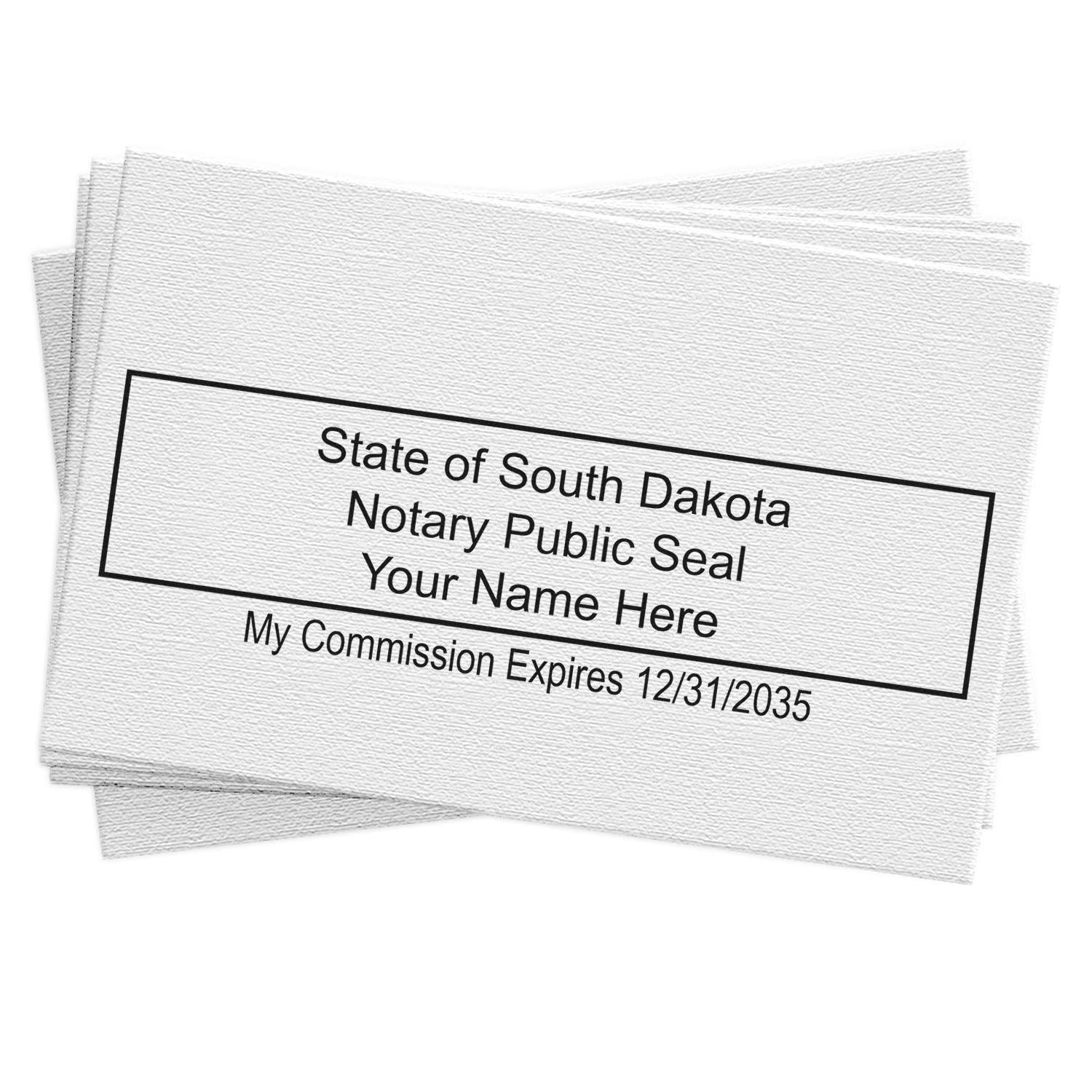
South Dakota regulations specify certain formatting elements you should include on your notary stamp. Typically, you are required to display your name, the words “Notary Public,” and “South Dakota.” Some states also mandate the size and shape of the seal impression. In South Dakota, these requirements are relatively flexible, but confirm any updates with official sources or your commissioning authority to ensure compliance.
- Your full legal name must appear exactly as it is on your commission.
- The phrase “Notary Public” and “South Dakota” must be visible within the circular or rectangular design of the stamp.
- Review any additional guidelines posted on the Secretary of State’s website to make sure your stamp remains valid even if regulations change.
Importance of Compliance
Proper compliance protects you from potential legal or administrative issues. You do not want to risk having a notarization questioned because your stamp does not meet guidelines. South Dakota’s rules aim to promote uniformity, ensuring that all notary acts are recognized and respected. By following official stamp requirements from the start, you protect your reputation and maintain public trust in your notarial acts.
Consider Stamp Type
Once you confirm the legal requirements, you have an array of notary stamp styles to choose from. Different stamp types can influence how quickly and neatly you can apply official seals to documents. Your decision will likely come down to personal preference, budget, and how heavy your notary workload is. Below are three major types of notary stamps to consider.
Traditional Rubber Stamps
A traditional rubber stamp consists of a handle with a rubber die that must be used with a separate ink pad. You press the stamp onto the ink pad and then apply it to the document. Although these can sometimes be messier and require an extra step, they are often the most affordable option. If you are just starting as a notary and have a limited budget, a rubber stamp might be the easiest first purchase.
- Advantages: Lower initial cost, easy to replace.
- Challenges: Can take extra time to ink, and ink pads might dry out or leak.
Self-Inking Stamps
If you perform frequent notarizations and want a smoother workflow, a self-inking stamp could be your best bet. This style holds ink in an internal reservoir, meaning each time you press down, the stamp re-inks automatically. Self-inking stamps deliver clean, consistent impressions, making them popular among many professionals. However, you do need to refill or replace the ink cartridge once it begins to dry out.
- Advantages: Quick stamping, consistent impressions, less mess.
- Challenges: Slightly more expensive than a basic rubber stamp, and ink pads will eventually need replacement.
Pre-Inked Stamps
Pre-inked stamps store ink within the stamp’s own ink cells, so the impression can be incredibly crisp and precise. The ink in these stamps typically lasts for thousands of impressions before needing a refill. Pre-inked stamps can be more expensive upfront but often prove cost-effective long term because they require fewer refills compared to other options. This style is ideal if you notarize documents multiple times a day and need a reliable solution that produces sharp details.
- Advantages: Extremely clean and clear impressions, high ink capacity.
- Challenges: More expensive than self-inking and traditional rubber stamps.
Factor in Stamp Quality
Choosing the right type of SD notary stamp is only one part of the equation. You also want to look at the stamp’s construction, as well as the overall quality of the impression.
Durable Materials
Stamps come in various materials, including plastic, metal, and wood. Plastic stamps can be lightweight and cost-effective but may not last as long as metal or higher-grade materials. If you work with your notary stamp every day, you might benefit from a heavier-duty design that stays consistent over time. A robust handle or casing will serve you well if you need to transport your stamp or keep it in a busy office environment.
- Metal frames and handles tend to offer superior longevity.
- Plastic shells can still be durable if well made, but they might show wear sooner.
Impression Longevity
Check the manufacturer’s estimates for how many impressions the stamp will deliver. You want a stamp that keeps producing a crisp seal, even if you have multiple signings or long documents to notarize. Pre-inked and self-inking stamps often have an advertised number of impressions. Although these estimates can vary, they provide a ballpark for evaluating the product’s lifespan and overall value.
Think About Design and Customization
Because a notary stamp is a professional item, you want it to reflect both your legal obligations and your sense of style. Elements like layout and ink color can be customized to some degree, depending on your choices and state guidelines.
Layout and Text
South Dakota notary stamps typically feature a round or rectangular layout. The standard circle often ranges from 1.5 to 2 inches in diameter, while rectangles can be around 1 x 2.5 inches. You will need to ensure the text around the perimeter is legible and meets state rules.
- Customize your name for professional clarity (e.g., Jane Smith, Notary Public).
- Keep decorative elements minimal so the essential text remains clear.
Choosing the Right Ink Color
Some notaries choose a standard black ink to demonstrate professionalism, while others may consider blue to indicate originality of a document. In South Dakota, the law does not specify an official ink color, as long as it provides a clear, legible impression. If you want to add a personal touch, you could opt for a colorful ink, but remember that most official documents rely on darker options to show up well on scans or photocopies.
- Black provides the most consistent legibility.
- Blue can help distinguish original documents from photocopies.
- Other colors can be used, but clarity always comes first.
Align with Brand and Supplier Reliability
Beyond the design of the stamp itself, it is essential to consider which company you will trust with this crucial piece of notary equipment. A brand’s reputation can make a difference in both product quality and customer experience. If you want a reliable SD notary stamp that looks professional and arrives on time, start by sourcing from a well-regarded supplier.
Why Choose Acorn Stamps
When searching for the right combination of quality, selection, and service, you might come across Acorn Stamps. Family owned and operated since 1964, Acorn Stamps has spent over 60 years supplying notaries with top-tier South Dakota notary stamps and seals. If you have specific state requirements or need help understanding your commission details, their knowledgeable staff can guide you through the process. The company’s focus on stellar customer service, super fast turnaround, and long-standing reputation in the market can give you peace of mind that you are getting exactly what you need.
- Wide variety of SD notary stamp options, from self-inking to pre-inked.
- Customizable and durable designs made to meet state requirements.
- Timely shipping and responsive customer support to assist you throughout the ordering process.
Check Turnaround and Pricing
Like any professional tool, the timeline and cost of your SD notary stamp factor into your ultimate decision. You want a stamp that fits your budget without compromising on quality, and you also need to consider how quickly you can get it in hand, especially if you are facing an immediate need for your notary services.
Balancing Budget and Quality
Just because you want a top-quality stamp does not mean you need to overspend. If you rarely use your stamp, a traditional rubber stamp might be enough. On the other hand, if you notarize documents daily, investing in a self-inking or pre-inked model may end up saving you money in the long run. Consider how often you will stamp, and seek out a product that offers long-lasting impressions.
- Compare initial purchase cost versus long-term maintenance expenses.
- Look for volume discounts, especially if you need multiple stamps for different offices or staff members.
- Remember that some premium stamps may reduce smudges and re-stamping, ultimately saving on time and ink.
Shipping and Production Speed
Whether you need a stamp right away or can afford to wait a little longer, turnaround time is still an important factor. Some suppliers offer fast production, but shipping options may differ based on where you live. If your commission ceremony or first assignment is coming up soon, you will want to choose a company with a proven track record of prompt order fulfillment.
- Look for expedited shipping if you are in a rush.
- Check the supplier’s average production times before placing your order.
- Confirm the expected delivery date, especially around holiday seasons when shipping carriers might experience delays.
Practical Tips for Daily Use
Having the perfect notary stamp is only half the battle. Knowing how to use and maintain it properly ensures a crisp seal every time. Build these best practices into your routine so your stamp always reflects well on your professional reputation.
Storage and Maintenance
Proper storage keeps your SD notary stamp in good condition over time. If you are using a self-inking or pre-inked stamp, place it in a protective case or upright container so dust and debris do not accumulate on the surface. For a traditional rubber stamp, your primary concern is preventing the ink pad from drying out. Close the ink pad securely and store it at room temperature.
- Wipe the stamp face occasionally, following the manufacturer’s guidelines for cleaning.
- Keep extra ink cartridges or pads on hand, so you are not caught off guard if your stamp runs dry during a busy day.
- Avoid exposing stamps to extreme heat or direct sunlight for prolonged periods.
Replacing Your Stamp
Even high-quality notary stamps have a limited lifespan, especially if you use them extensively. Over time, the notary seal may wear down or the impression may become too light. Plan for replacement if you see cracks in the rubber, if you notice your stamp body is damaged, or if the text no longer renders clearly on documents.
- Inspect your stamp regularly for signs of wear.
- Budget for replacement at least once during your commission; the timing can vary depending on how often you notarize.
- When you replace your stamp, confirm that it meets the most current South Dakota requirements in case any regulations have changed.
Frequently Asked Questions (FAQs)
Below are some common questions you might have regarding your SD notary stamp, from legal considerations to practical tips. If you need additional guidance, consider consulting the Secretary of State’s official resources or reaching out to your notary stamp supplier.
Do I Need a Specific Design for My SD Notary Stamp to Comply with South Dakota Law?
Yes. Your stamp must at least display your name, the words “Notary Public,” and “South Dakota.” The state may allow variations in shape and layout, but do not leave out these essential details.
How Often Should I Refill or Replace the Ink In a Self-Inking or Pre-Inked Stamp?
It depends on how frequently you use the stamp and the brand you purchase. Most self-inking or pre-inked stamps will last for several thousand impressions. If you notice lighter or patchy ink coverage, it might be time to refill or replace the ink cartridge.
Can I Use a Blue Ink SD Notary Stamp Instead of Black Ink?
In most cases, yes. South Dakota does not have a strict ink color requirement. Blue ink can help you, and those receiving the document, quickly identify the original. However, always confirm any color guidelines if you work with specific documents requiring black ink for scanning or recordkeeping.
What Is the Difference Between a Stamp and an Embosser for Notary Purposes?
An embosser creates a raised seal on the paper, while a stamp applies ink directly to the page. Both can serve as an official mark of notarization, but many states, including South Dakota, rely primarily on ink stamps for legibility and uniformity. If you want to use an embosser, check if it is recognized as valid in your state.
Where Can I Get Help Choosing the Right SD Notary Stamp?
You can start by contacting reputable providers like Acorn Stamps, a family owned and operated business since 1964. Their knowledgeable staff can guide you through the process, from selecting the right stamp type to ensuring your design meets South Dakota’s notary requirements. With a wide array of options, you are sure to find the perfect notary tool for your needs.
Selecting your SD notary stamp involves balancing legal guidelines with personal preference, not to mention budget and timeline considerations. By focusing on compliance, stamp quality, and a reputable supplier, such as Acorn Stamps, you can set yourself up for a smooth and professional notarization experience. Take the time to compare the features and benefits of each stamp type, confirm South Dakota’s requirements, and keep a watchful eye on quality. Once you have the right stamp in hand, you will be ready to perform your duties and serve the public with confidence.