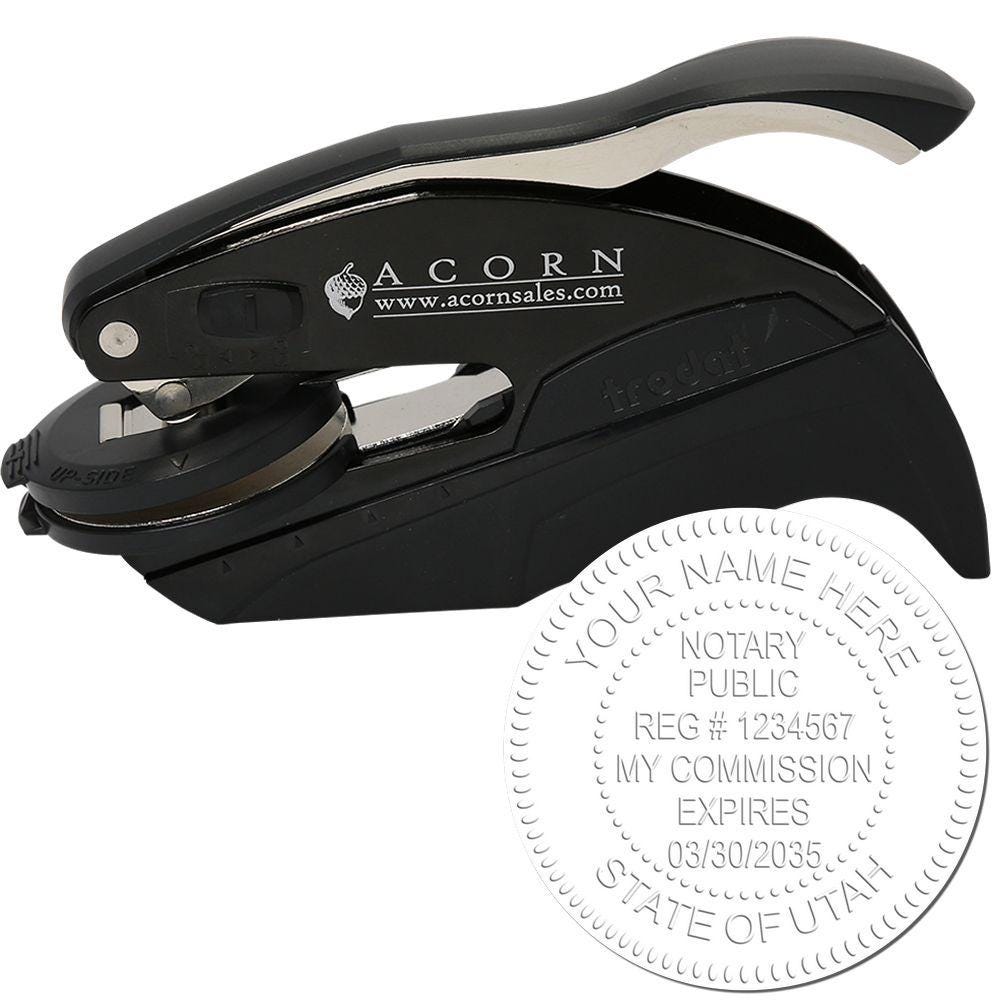
Utah notary stamp requirements can sometimes feel like a maze of technical details, especially when you are juggling everything else that comes with being a notary public. Luckily, understanding these guidelines does not have to be stressful. By focusing on the essentials and choosing a reliable supplier, you can ensure your stamp is fully compliant with state laws. Below, you will find a friendly, step-by-step breakdown of what you need to know and how to make the process smoother.
Recognize Utah Stamp Basics
Before diving into the specifics, take a moment to appreciate why the state emphasizes a well-defined notary stamp. In Utah, your official seal is not just a formality. It is a significant tool that verifies the legitimacy of the documents you notarize. When you place your stamp on a certificate or affidavit, you add a visual endorsement that your commission is valid and recognized by the state. Being attentive to your stamp details also helps avoid delays or invalidated documents. Every “Utah Notary Public” commission carries the responsibility of ensuring that all legal paperwork is accurately stamped, which in turn protects the public from fraudulent activities. By treating your stamp as a priority, you reinforce the professionalism of your notary practice and keep your clients confident in the services you provide.
Know The Key Elements
Utah outlines specific elements that your notary stamp must include, and missing any of these can result in an invalid seal. Although exact requirements may evolve over time, you can generally expect to see these critical components:
- Your Notary Name
You must use the exact name under which you are commissioned. If you recently changed your name legally, be sure to update your paperwork before updating your stamp.
- The Words “Notary Public” And “State Of Utah”
This language makes it clear to anyone examining the document that the seal is both official and recognized by Utah government authorities.
- Commission Number Or Expiration Date
The law often requires you to display either your commission number or the date when your commission ends. Including this information on your stamp helps other parties verify your up-to-date status.Keeping these elements accurate is far easier than dealing with rejections caused by an incomplete stamp. If you are ever uncertain about new legal guidelines, checking the Utah Notaries Public Online User Manual or the state’s official resources can save you weeks of hassle.
Pick Your Stamp Style
Selecting a stamp that fits your personal preference, budget, and state requirements does not have to be overwhelming. There are several designs at your disposal, but they generally fall into three main categories:
- Self-Inking Stamps
These stamps come with a built-in ink pad. They are known for leaving clean, crisp impressions and are often refillable, making them a popular choice if you handle high volumes of notarizations each day.
- Pre-Inked Stamps
These use oil-based ink, producing especially sharp impressions. Pre-inked stamps usually last through thousands of impressions before needing a refill, but they can be slightly more expensive.
- Traditional Rubber Stamps
This older style requires a separate ink pad. While you might think it is outdated, some notaries prefer the greater control over ink levels and color types that come with a rubber stamp and pad.
Regardless of the style you prefer, confirm that your stamp meets the legal imprint size and clarity requirements. You always want your seal to leave a legible mark on the document, especially for official records.
Consider A Trusted Supplier
Looking for a reputable supplier can save you time, money, and plenty of headaches down the road. You need someone who thoroughly understands Utah notary stamp requirements and keeps track of any updates to local laws. That way, you benefit from professional guidance before you even place your order.
Acorn Stamps is one such trusted source with a long track record of serving notaries. Family owned and operated since 1964, the company has over 60 years of expertise in delivering top-quality Utah notary stamps and seals. Acorn Stamps prides itself on its stellar customer service and super-fast turnaround, ensuring you can get back to your notarial work with minimal interruption. If you are unsure which type of stamp style or ink color suits your needs, their knowledgeable team will walk you through the pros and cons of each option so you feel confident in your final choice.
Taking this extra care when selecting a supplier is an investment in your peace of mind. A properly crafted stamp will leave your documents with a clean, clear seal that meets all the legal criteria in Utah. Plus, a good supplier will stand behind their products, helping you if a re-ink or replacement becomes necessary later.
Maintain Your Notary Credential
After purchasing a fully compliant notary stamp, the next step is keeping it in good condition and securing it properly. Whether you invest in a self-inking or pre-inked model, remember these basic maintenance tips:
- Store Your Stamp In A Safe Place
Your stamp is your legal signature in many ways. Avoid lending it to anyone or leaving it unattended to maintain the integrity of any notarized documents.
- Monitor Ink Levels
Faint impressions or uneven stamping can raise questions about the authenticity of a seal. Refill your ink or replace your pad as soon as you notice any drop in clarity.Besides taking physical care of your stamp, do not forget about renewing your commission when it is time. Utah law typically requires you to submit a renewal application and possibly undergo background checks or training programs. Staying on top of your expiration date can help you renew your stamp in advance so you never have a lapse in your notarial authority.
Avoid Common Pitfalls
Working as a notary public in Utah can be smooth sailing as long as you avoid a few common pitfalls. Overlooking details about your stamp or misunderstanding state rules can create unnecessary hurdles.
- Neglecting To Update Your Stamp After A Name Change
If your legal name changes due to marriage, divorce, or any other reason, you must update your notary commission and your stamp. Failing to do this can render your official seal invalid.
- Applying The Seal Incorrectly
Stamping over important text or using a blurred impression might cause your notarization to be rejected. Practice stamping on scrap paper until you get the position precise. Also, ensure there is enough room on the document for the seal to be clear.
- Letting Someone Else Use Your Seal
Your notary stamp is your personal responsibility and may not be shared with other individuals, even if they work in the same office. Keep it in a secure location to avoid potential fraud or misuse.By knowing these common stumbling blocks, you will be better prepared. Thoroughly reading Utah’s guidelines and keeping detailed records of your notarizations also help maintain your professional standing.
Frequently Asked Questions
Can I Use A Customized Logo On My Utah Notary Stamp?
You might enjoy making your stamp look unique, but Utah regulations require certain text and data to appear clearly. While additional custom designs are not strictly forbidden, be aware that your stamp cannot omit or obscure the mandatory elements such as your name, “Notary Public,” “State of Utah,” and your commission details. Always prioritize legibility and compliance over aesthetics.
How Often Do I Need To Replace My Utah Notary Stamp?
How long your stamp lasts depends on factors like usage and ink quality. Self-inking or pre-inked stamps typically last for thousands of impressions before running low on ink. You only need to replace the entire stamp if it starts to wear out or break. Otherwise, refilling or swapping the ink pad can prolong its life. Keep an eye on clarity. Faint seals may not be accepted.
What If My Stamp Is Lost Or Stolen?
Losing your notary stamp is a serious matter. If it goes missing, notify the relevant Utah authorities right away to minimize any chance of misuse. You should then apply for a replacement, ensuring that your new stamp’s information matches your current notary commission records. Prompt action protects you from liability and helps maintain trust in your notarial acts.
Do I Need A Separate Embosser In Utah?
Although some notaries like to use an embosser for aesthetic reasons or additional security, Utah only requires a clear ink stamp. If you decide to add an embosser, make sure it does not substitute any of the legally needed details. Many notaries choose to use both a stamp and an embosser, but the ink stamp is the official requirement.
Why Choose Acorn Stamps For My Supplies?
Acorn Stamps offers more than just top-notch notary products. As a company that has been family owned and operated since 1964, they bring six decades of expertise to meet your notarial needs. Their personalized customer service ensures you get the correct stamp type, size, and ink color. With efficient production and shipping, you will have your seal promptly so you can continue conducting notarizations without delay. By having a thorough understanding of Utah notary stamp requirements, you position yourself for success as a trusted notary public. Paying attention to the required elements, choosing the right style, and partnering with a dependable supplier like Acorn Stamps can make the entire experience both smooth and satisfying. When you combine stellar supplies with your professional skill set, you deliver top-quality notarizations to clients throughout the state.