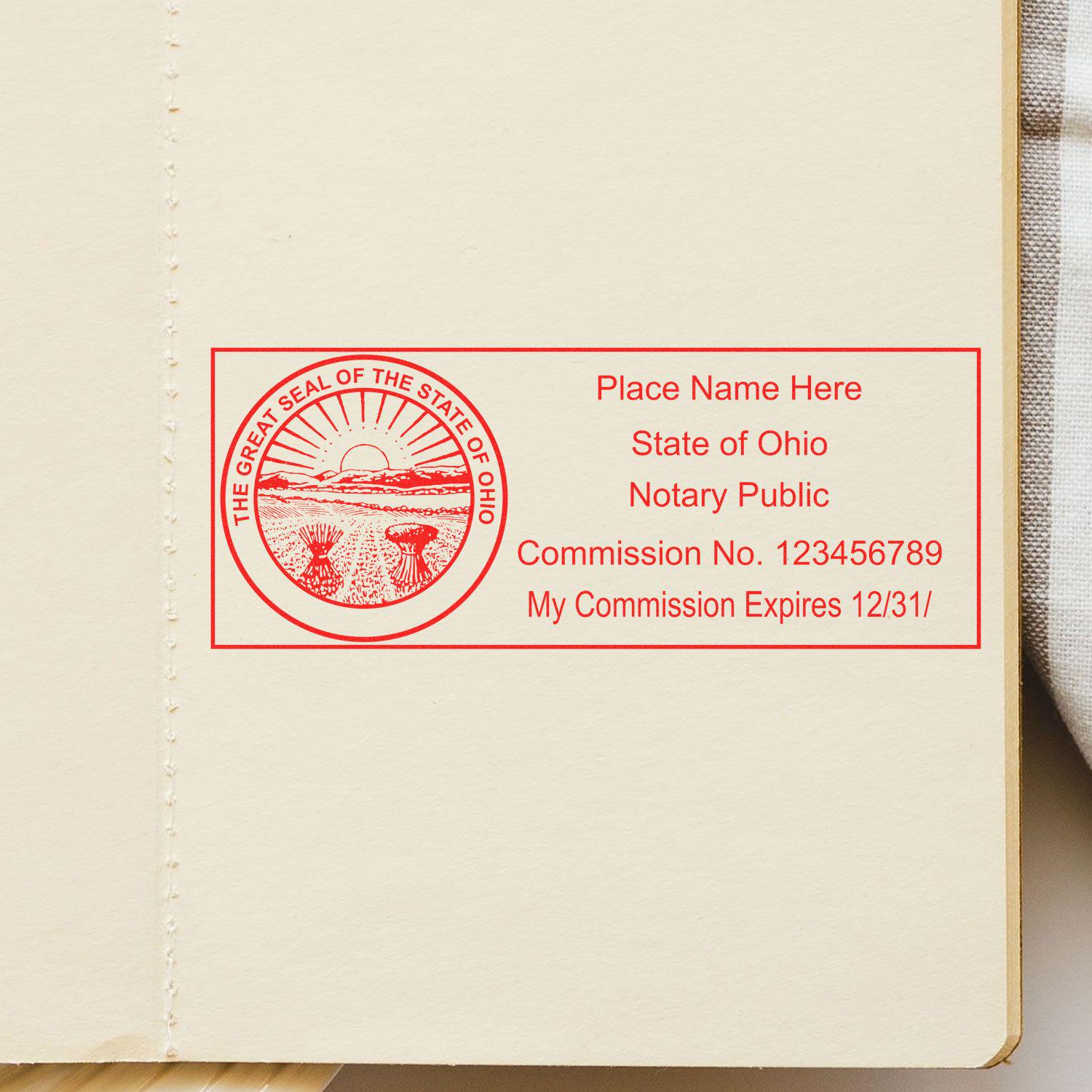
You may already know that meeting Ohio notary requirements is a key step in becoming a trusted notary public in the Buckeye State. Whether you are just starting out or seeking to refresh your knowledge, understanding how to satisfy these requirements helps you maintain professional standards in every notarization. Below, you will find an in-depth look at what you need to become an Ohio notary public, insights on how to carry out your notarial duties responsibly, and tips for selecting the ideal Ohio notary stamp and seal. By following these guidelines, you will be well on your way to a successful and credible future as an Ohio notary.
Understand Ohio Notary Requirements
In Ohio, notaries witness the signing of essential documents, verify identities, and ensure the authenticity of signatures. This helps protect citizens from fraud, empowers legal processes, and fosters trust in various financial, real estate, and judicial activities. Because your position holds such a high level of authority, Ohio notary requirements are carefully structured to guarantee your readiness and integrity.
Why Notaries Matter
- Provide legal assurance: Your notarized documents are seen as more trustworthy and official.
- Deter fraud: By verifying a signer’s identity, you help combat deception or misuse of documents.
- Uphold legal standards: Reliable notaries fulfill the needs of businesses, courts, and individuals for legal compliance.
When you meet Ohio notary requirements, you join an essential network of professionals who protect the integrity of documents throughout the state.
Basic Qualifications
Ohio sets a few clear qualifications that you must meet to be eligible as a notary. If you are a newly interested applicant or a current notary renewing your commission, you should confirm that you fulfill these requirements before submitting an application.
Age And Residency
- You must be at least 18 years old.
- You need to be a resident of Ohio or an out-of-state resident employed in Ohio (confirm local policies).
In most cases, you must also be a United States citizen or a permanent legal resident. These guidelines ensure that notaries have established ties to the community and can effectively serve it. Always verify the latest details from the Ohio Secretary of State, since rules can occasionally change based on legislative amendments.
Complete The Application Process
Once you confirm you meet the eligibility criteria, it is time to move on to applying for your notary commission. Ohio’s application process is relatively straightforward, but attention to detail is vital. Mistakes can slow down your approval or even lead to rejection, so staying organized pays off.
Gather Your Documents
Expect to provide:
- A valid, government-issued photo ID: Typically a driver’s license or passport.
- Proof of completed education or training: If required by your county or under current regulations.
- Supporting documents: These can include items like a background check, depending on your county procedures.
Collect these ahead of time so you can respond quickly to any requests from state officials. Organizing your paperwork in a clear folder makes the application process smoother and helps you avoid losing any important records.
Filing With The State
In Ohio, applications are currently managed through the Secretary of State’s office. You will often complete the application online, though printed forms may be available if you prefer a mail-in approach. Expect to pay a filing fee. After the state reviews your information, you will be notified of your approval status.If your application is rejected, carefully review the reasons for denial, correct any issues, and reapply. Many times, the problem may be as simple as an incomplete form or missing detail. Staying patient and ensuring accuracy goes a long way in finalizing your commission.
Training And Testing
Ohio notary requirements may include specialized training and a test to ensure your knowledge of Ohio notarial law. This training does not take long, but it covers valuable points on the legal and ethical aspects of notarizing documents. By completing a training course, you are better equipped to serve the public with confidence. Common training topics:
- Document identification and recordkeeping.
- Procedures for verifying identification.
- Ethical responsibilities to prevent fraud and maintain confidentiality.
Exam preparation:
- Familiarize yourself with Ohio Revised Code sections related to notarial acts.
- Study hypothetical scenarios on verifying signatures, especially for unusual or unconventional documents.
Many courses provide practice exams to get you comfortable with question formats. It is important to treat these seriously. When you pass, you will have a solid framework to conduct professional notarial acts.
Responsibilities And Duties
Being an Ohio notary public comes with daily responsibilities beyond simply stamping and signing documents. You act as a neutral witness, ensuring that all parties understand the document’s implications before they sign. Your diligence reinforces the trust placed in you by the state and the clients who seek your services.
- Verifying identity: You must confirm the signers are who they claim to be, typically by checking a photo ID.
- Confirming willingness: Signers should not be coerced or under undue influence.
- Ensuring competence: You should ensure that the signers appear mentally competent at the time of signing.
- Maintaining logs: Keep a consistent record of each notarial act, noting the signer’s name, ID details, document type, and date.
Following these practices helps you avoid any liability issues and maintain the integrity of each notarized record. If you are unsure whether a situation qualifies for notarization, consult your training materials or seek legal guidance for clarity.
Avoid Common Mistakes
New notaries sometimes make oversights that may seem minor but can have legal ramifications. By spotting these potential pitfalls early, you can avoid unnecessary complications further down the line.
- Failing to require identification: You must request valid, government-issued IDs from signers.
- Using an incorrect stamp or seal: Ohio has specific guidelines about what must appear on your seal.
- Neglecting recordkeeping: Always document each notarization in a journal, even if it is not required by law in all settings.
- Overstepping authority: Notaries cannot provide legal advice. Suggest that clients seek a licensed attorney for topics beyond your scope.
Paying attention to proper procedure at every stage is part of meeting Ohio notary requirements with consistency and professionalism.
Choose The Right Stamp And Seal
Your notary stamp or seal is crucial for finalizing official documents. In Ohio, your seal must include your name and the words “Notary Public” along with “State of Ohio.” Whether you choose an inked stamp, an embosser, or both, high quality is non-negotiable. A clear impression on the document helps prevent rejection by banks, courts, or government agencies.
- Consider durability: Opt for sturdy, long-lasting materials.
- Check imprint clarity: A faint or smudged seal might be considered invalid.
- Keep updated info: If your commission, name, or county changes, be sure to get a new seal.
When you are equipped with the right Ohio notary stamp and seal, each signature you notarize gains immediate legitimacy. Along with your thorough approach to confirming signers’ identities, a top-quality impression on the documents ensures no cause for dispute.
Why Use Acorn Stamps
Selecting the right supplier for your Ohio notary stamp and seal saves you time, money, and stress in the long run. At Acorn Stamps, we pride ourselves on being a top supplier of Ohio notary stamps and Ohio notary seals, as well as on providing exceptional customer service.
- Family owned and operated since 1964: With over 60 years of service, we have stood the test of time.
- Stellar customer service: Our team is here to answer your questions, guide you through stamp or seal options, and ensure you have the best possible experience from start to finish.
- Super fast turnaround: We know you want to fulfill your duties without delay, so we aim to get your supplies to you promptly.
We understand that your notarial seal is more than just a product. It is a symbol of your responsibility and your commitment to serving the public. When you choose Acorn Stamps, you can trust that every step of the process will be handled with care and expertise.
Frequently Asked Questions
Below are a few common questions about Ohio notary requirements, designed to help you address any lingering uncertainties. If you have more detailed concerns, make sure to review the official resources provided by the Ohio Secretary of State.
How Long Does My Ohio Notary Commission Last?
Ohio notary commissions typically last for five years before renewal is required. However, confirm your exact commission expiration date by checking the documentation you receive upon approval. As your renewal date approaches, verify you have all relevant paperwork and meet any new state requirements that may have taken effect.
Can I Notarize Out-Of-State Documents?
Yes. You can notarize documents originating from other states, as long as the signing takes place in Ohio and you follow Ohio’s notarial rules. Always ensure you record the transaction in your notary journal and that the signer’s ID is valid. If an out-of-state notary certificate is requested, confirm it aligns with Ohio regulations to avoid legal conflicts.
What If A Signer Cannot Provide A Valid ID?
In Ohio, you should insist on proper identification to confirm the signer’s identity. If an individual cannot produce a standard government-issued ID, some situations allow credible witnesses who can vouch for the signer’s identity. Confirm that the witness is personally known to you or can provide proper ID themselves. Follow your notary training guidelines to avoid violating notarial regulations.
Am I Required To Keep A Notary Journal?
While Ohio law does not always mandate a journal, many professionals strongly recommend using one for each notarization. A consistent log can protect you in case of legal disputes because it documents the details of every transaction. It can also help you track your business if you charge fees for notarizations. Keeping a journal is a best practice that reinforces your professionalism.
How Do I Update My Information If I Move?
If you move within Ohio or change your name, you will need to update your notary information through the Ohio Secretary of State. For name changes, you may also have to purchase a new stamp or seal that reflects your updated credentials. Contact your local notary commissioning authority for instructions and complete this process before performing new notarizations.Fulfilling Ohio notary requirements involves more than passing a test or stamping documents. It means continuously upholding the trust of individuals, businesses, and the legal system. By applying diligently,
understanding your duties, and investing in quality supplies such as your Ohio notary stamp and seal, you can serve your community with integrity. When you choose Acorn Stamps for your notary supplies, you join thousands of satisfied customers who rely on our family-owned expertise and quick service. We know how important it is to have the tools you need exactly when you need them, and we are dedicated to ensuring that your notarial experience is smooth and professionally rewarding. Let us be your trusted partner as you establish yourself as a conscientious Ohio notary public.