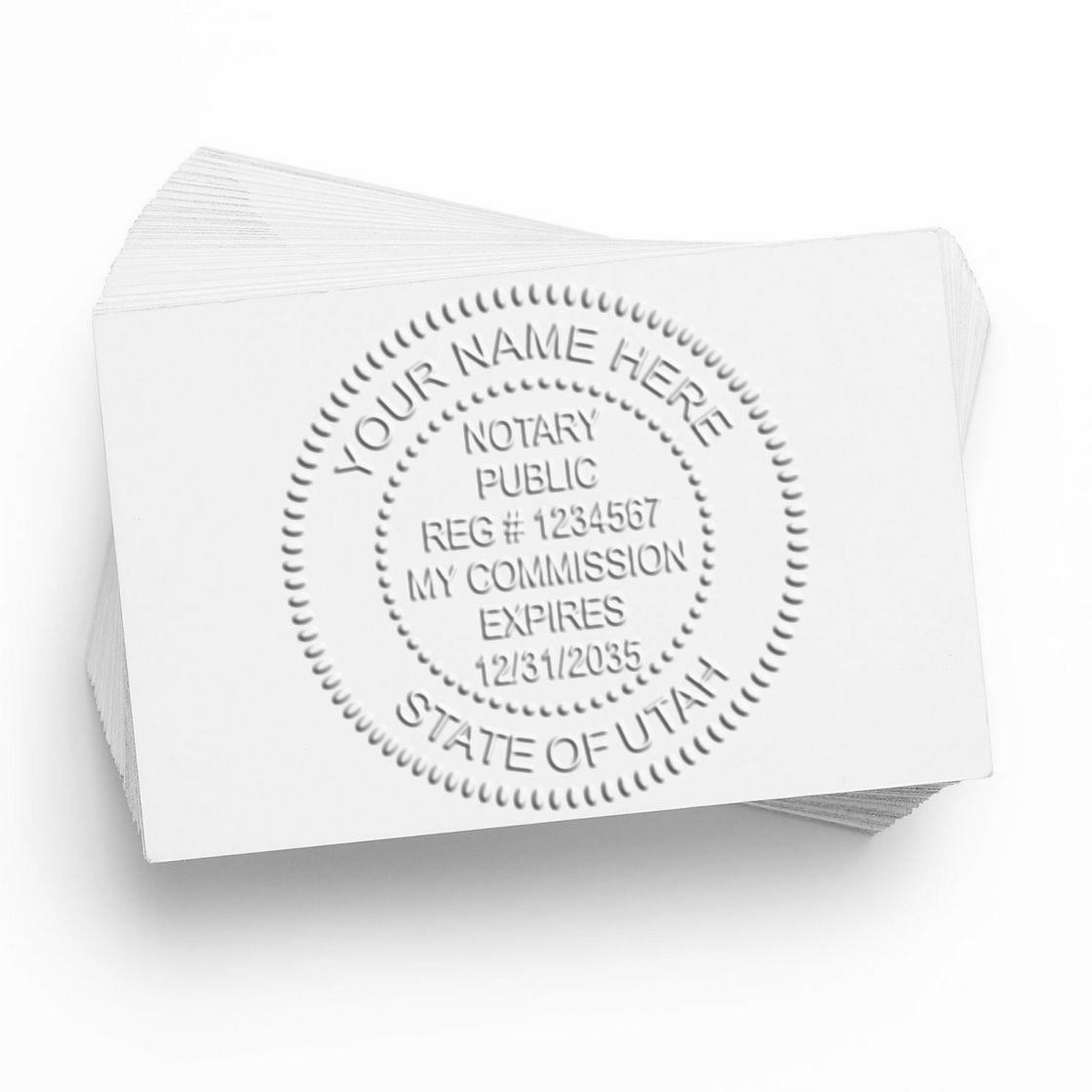
Understand Utah Notary Requirements
If you are a Utah notary public, you already know that precision and adherence to state guidelines are part of your daily work. Before you start searching for a new Utah notary seal, it helps to review the essential rules and regulations set by the state. Your seal cannot be just any stamp or embosser, and staying up to date ensures that your notarizations remain valid.
What Utah Law Requires
- The official Utah notary seal must include your name exactly as it appears on your notary commission.
- It also needs to identify you as a notary public for the state of Utah by including the phrase “Notary Public, State of Utah” or a similar variation that meets current requirements.
- The commission number and expiration date must appear somewhere on your official imprint, either within the seal itself or close by.
Ensuring that your seal meets these guidelines is how you maintain your professional credibility. Even small deviations can cause avoidable legal complications. When you are confident that your seal matches the state’s requirements, your notary services remain a trusted resource in your community.
Keeping Up With Updates
Regulations can evolve over time. Administrative changes, updated state seal designs, or adjustments in technology can influence the notary seal you use. To stay compliant:
- Check the Utah Lieutenant Governor’s website for the most recent notary updates.
- Confirm that your commission is current and your name is correct in government records.
- If you renew your commission or your name changes, you will likely need a new seal that reflects the updated information.
By staying aware of these basic rules, you will avoid confusion and protect your role as a reliable Utah notary public.
Recognize the Importance of a Quality Seal
You might wonder why the choice of your Utah notary seal makes such a difference. While it is possible to purchase a budget, generic stamp at a local office supply store, you risk poor-quality imprints or faster-than-expected wear. As a notary public, your seal is far more than just a stamp. It is the official mark that confirms your authority and assures signers their documents are properly notarized.
Ensuring Legitimate Transactions
A high-quality seal ensures each document you notarize is valid. An illegible seal can raise questions about your authenticity as a notary. If your seal fades or smudges, it can become difficult for anyone reviewing the document to verify the authenticity of your work. Over time, unclear imprints or incomplete seals could lead to rejected legal documents or disputes about whether the notarization was accurate.
Reflecting Professionalism
Since your seal is a visible embodiment of your notarial duties, investing in a superior product is an investment in your reputation. The impression you leave on documents should reflect both expertise and reliability. High-quality notary seals:
- Produce clean, sharp impressions that are easy to read.
- Last longer, reducing the need for frequent replacements.
- Suit the style requirements of official documentation, from real estate forms to affidavits.
Ultimately, an effective seal tells your clients and colleagues that you take pride in your notary role. It signals that you are prepared, detail-oriented, and dedicated to upholding Utah’s legal standards.
Explore Key Seal Types
When it is time to choose or replace your Utah notary seal, you will discover several options. Understanding each type will help simplify your selection process. From self-inking stamps to embossers, the right seal depends on your personal preference, frequency of use, and the kind of documents you typically handle.
Self-Inking Stamps
A popular favorite among active notaries, self-inking stamps come with an internal ink pad and a built-in mechanism that re-inks the stamp after each use. This convenient design means:
- Faster workflow, since you do not have to reach for a separate ink pad.
- Cleaner operation, because the ink surface is shielded when not in use.
- Consistent, clear impressions, even after repeated usage.
Most self-inking stamps are relatively small, which makes them easy to carry if you often travel for notarizations.
Pre-Inked Stamps
Pre-inked stamps, sometimes referred to as “flash stamps,” have ink stored directly in the stamp’s body. This type typically offers crisp, high-resolution imprints. They tend to be quieter than self-inking models and can deliver thousands of clear impressions before needing a refill. However, you may find they are slightly slower to re-ink between uses, which can be a factor if you have a high-volume workflow.
Traditional Rubber Stamps
While traditional rubber stamps might be the oldest style, they can still be a perfectly valid choice. They require a separate ink pad, and some notaries prefer the tactile control of how much ink they apply. If you only perform occasional notarizations or want a backup seal for emergencies, this simple and affordable option could do the job.
Embossers
Unlike ink-based stamps, embossers create a raised impression in the paper, giving documents a distinctive, professional feel. Some states and organizations still prefer embossed seals for their security benefits, because it is harder to forge or alter the impression. However, keep in mind that in many modern printing practices, embossed text might be difficult to reproduce clearly if the document is scanned or faxed. If you do want an embosser, double-check Utah’s notary requirements and consider pairing it with an inked seal to ensure consistent readability across digital platforms.
Know the Visual Elements
To maintain a professional, authorized look, your Utah notary seal usually includes a carefully arranged layout featuring your name, commission number, expiration date, and the required notarial wording. Knowing how these details come together will guide you in selecting a seal that is both compliant and highly legible.
Layout and Sizing
An ideal seal design is neat, balanced, and easy to read. Typical designs place your name prominently in the center, with the surrounding text identifying you as a notary public for Utah. It is best to choose a design where the text is neither too crowded nor so spread out that the stamp looks disconnected.
- Keep your commission number and expiration date in a visible but concise spot.
- Make sure the letters are large enough to remain legible without appearing cramped.
- Consider the dimensions of your stamp or embosser so it fits easily within the margins of common legal documents.
Ink Color Considerations
While black ink remains the traditional choice for many Utah notary seals, some notaries opt for blue or other colors to help distinguish the seal from standard text. However, confirm that the color you choose meets state requirements and that it photocopies or scans clearly. If your stamped impression is too faint, it could be deemed invalid, particularly for important legal or financial paperwork.
Select the Right Supplier
Buying a Utah notary seal is not just about picking the design that looks nicest. The supplier you choose will have a direct impact on quality, turnaround time, and overall customer experience. This is where it pays to do your homework and opt for only the most reputable providers.
Why Choose Acorn Stamps
For top-notch Utah notary stamps and Utah notary seals, Acorn Stamps has you covered. Family owned and operated since 1964, Acorn Stamps has 60 years of experience in delivering professional tools that meet the strictest requirements. Their focus on stellar customer service means you can expect friendly guidance, expert advice, and a super fast turnaround time for your orders.
With decades of experience, they understand the nuances of Utah notary law. Whether you are renewing your commission or getting your first seal, you can feel confident that Acorn Stamps is well-versed in the latest regulations. Plus, their commitment to continuous innovation ensures you will find reliable products that last.
Ordering Basics
Once you settle on a provider, the process is pretty straightforward. You typically:
- Provide your current notary information, including your name as it appears on your commission, your commission number, and the expiration date.
- Choose the style of seal (self-inking, pre-inked, traditional, or embosser) that suits your needs.
- Confirm shipping addresses and time frames. Because notary seals are custom-made, you will want to ensure all details are correct before finalizing your order.
A reputable supplier like Acorn Stamps is happy to answer any questions during the ordering process, ensuring that the seal you receive aligns perfectly with your state’s guidelines.
Maintain and Store Your Seal
Once you have the ideal Utah notary seal, your next priority is keeping it in top working condition. Regular maintenance and a reliable storage routine will extend the life of your stamp or embosser, and help you avoid accidental damage or unauthorized use.
Proper Cleaning and Refilling
No matter which style of notary seal you choose, a little upkeep goes a long way:
- If you use a self-inking or pre-inked stamp, watch for signs of fading. Re-ink according to the manufacturer’s instructions to avoid blotching or uneven impressions.
- For embossers, periodically check the metal plates to make sure no dirt, paper fragments, or buildup is affecting the clarity of the raised impression.
- Avoid harsh chemicals or abrasive materials that can damage the rubber or metal components. A gentle wipe with a dry, clean cloth usually does the trick.
Secure Storage
Your seal has significant legal authority, so treat it with the same respect as any other sensitive item. Keep it in a locked drawer, cabinet, or safe when not in use. This precaution safeguards against potential misuse that could jeopardize your professional license. It is also worth having a consistent storage spot to reduce the risk of misplacing your seal. If you lose your official seal, it will need to be replaced promptly, and you may need to notify the appropriate state authorities.
Avoid Common Mistakes
Even with an excellent supplier and proper care, there are pitfalls that can come up when you use your Utah notary seal daily. By recognizing these errors in advance, you can prevent minor slip-ups from turning into major headaches.
Overusing or Misusing the Seal
Use your seal only for official notarizations, and never apply it to blank documents. Overstamping or using it frivolously can undermine the significance of your notarial acts. Always confirm the type of document you are signing is appropriate for notary services.
Failing to Update Information
Remember, any change in your name or contact details might require an updated seal. Using a stamp that has outdated information (like an expired commission date) could invalidate your notarial certification on important paperwork.
Neglecting Document Checks
Before you stamp:
- Verify the signer’s identity thoroughly.
- Check all documents for completeness.
- Make sure that all pages are present and accounted for.
When you combine diligent checks with a high-quality seal, you uphold the trust that the public places in your service.
Frequently Asked Questions
Below are five common questions about Utah notary seals. These quick answers should clarify any lingering uncertainties and help reinforce your confidence in daily notary tasks.
Do I need special approval from the state for my Utah notary seal?
You do not need to submit your specific seal design for pre-approval in most cases, as long as it meets the official requirements. However, once you have your commission, make sure your seal includes the correct notary wording, your name, commission number, and your expiration date.
What should I do if my seal impressions become faint?
If you use a self-inking or pre-inked stamp, follow the manufacturer’s instructions to re-ink it. Traditional rubber stamps may just need a fresh, good-quality ink pad. For embossers, clean the metal plates and ensure that no debris is caught in the mechanism.
Is an embosser more secure than an ink stamp?
An embosser can add an extra layer of security by creating a raised impression. However, for modern digital records and photocopies, an ink stamp is typically clearer. Many Utah notaries choose to maintain both tools for maximum flexibility.
How often should I replace my Utah notary seal?
That depends on usage and maintenance. A well-made, properly cared-for self-inking or pre-inked stamp can last for thousands of impressions before a refill or replacement is necessary. Embossers can last for many years if handled gently. If you notice deterioration, it may be time for a replacement.
Where can I quickly order a high-quality Utah notary seal?
You can find a reliable, top-tier option at Acorn Stamps. They are family owned and operated since 1964, which means you can count on their decades of experience, stellar customer service, and super fast turnaround times. Choosing a high-quality Utah notary seal is a smart investment in your professional image. With the right seal in hand, you will notarize with confidence, ensuring documents meet official standards and reflecting your commitment to the role. By following proper maintenance practices and staying vigilant about state regulations, you will keep your notary service reliable for years to come. Happy stamping!