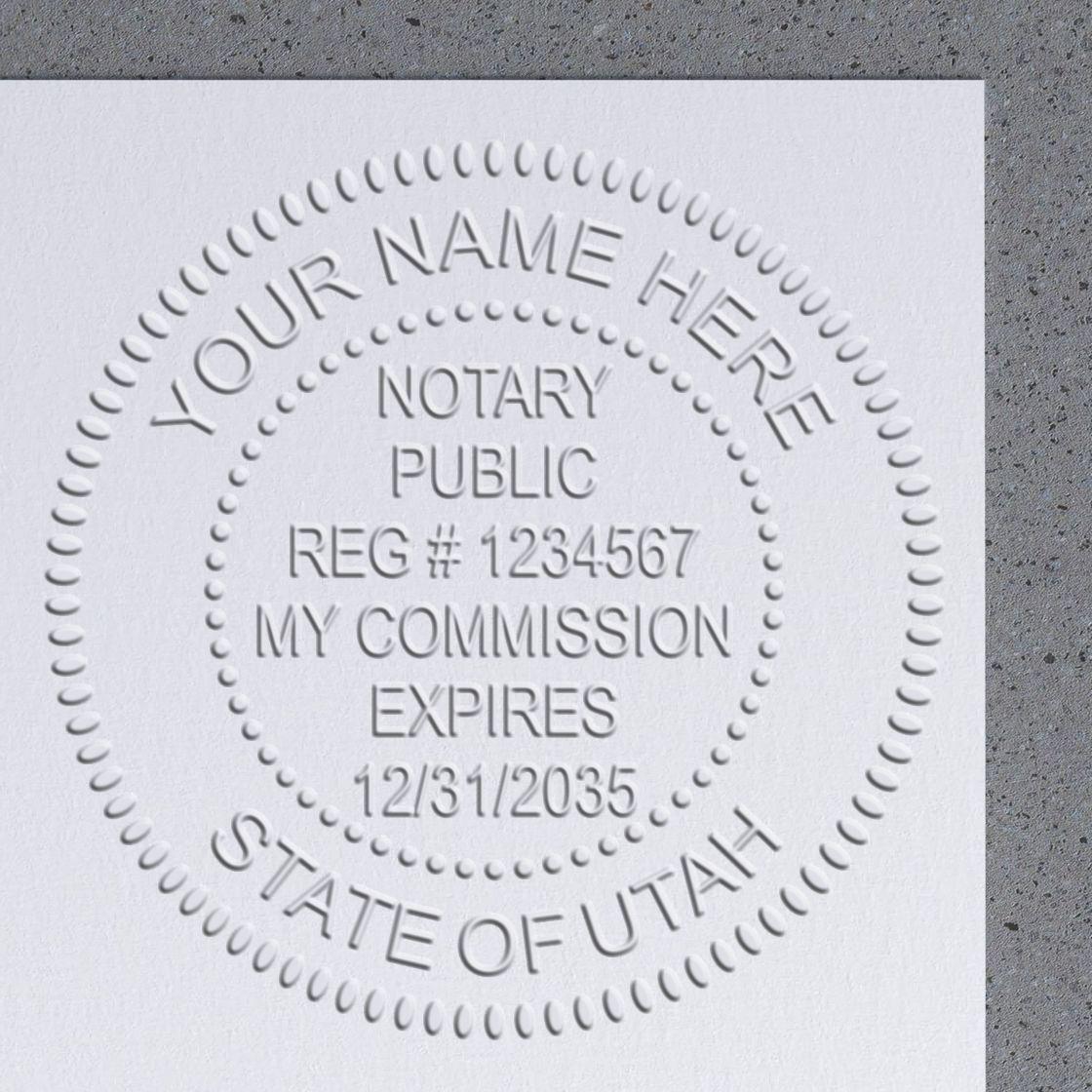
Whether you are newly commissioned or have years of experience under your belt, understanding Utah notary seal requirements is critical for ensuring your documents are valid. By following the right guidelines, you protect yourself, your clients, and the integrity of every notarization you perform. Below, you will find a practical roadmap that explains everything you need to know about Utah’s notary seal rules. You will also discover how to select your seal, avoid common errors, and give your professional image a boost with the right practices.
Know The Legal Basics
Utah’s notary seal requirements can feel daunting at first. However, once you understand the purpose behind each rule, you will see how they all work together to maintain accuracy and trust in the notarial process.
Why Utah Requires A Seal
As a notary public in Utah, you serve as an impartial witness to official documents, signatures, and oaths. Utah demands that you use a seal, an ink stamp or an embosser, so that your notarial acts are immediately identifiable and verifiable.
- A seal represents your unique authority granted by the state.
- It provides tangible proof that the document was notarized in compliance with Utah laws.
- The impression helps anyone reviewing the document confirm that each signature is legitimate.
When you place your notary seal on a document, you reinforce the trust that clients, courts, and other officials put in your work. This is a critical responsibility that you should uphold consistently.
Key Design Requirements
Before you purchase or design your seal, it is important to understand the basic elements that Utah law stipulates. These specifications ensure that your seal is both recognizable and difficult to replicate fraudulently.
- Your seal must include your name exactly as it appears on your commission.
- It must also display the words “Notary Public” and “State of Utah.”
- You need to include your commission number or commission expiration date (some choose to include both).
- The seal must be a rectangular ink stamp or a circular embosser with a clearly legible impression.
Even though there is a standard structure for the notary seal, you still have some flexibility with style choices. For instance, you may opt for an engraved embosser or a self-inking stamp. As long as you meet Utah’s legal requirements and your impressions are clear, your seal will be viewed as compliant.
Prepare Your Notary Seal
In addition to understanding what your seal must show, you should also consider how to acquire one. Quality matters, because the best seals leave crisp, readable impressions, something that your clients and recording offices appreciate. Don’t forget that poor-quality impressions can lead to the rejection of important documents and, in some cases, legal complications.
Choosing A Trusted Supplier
You want a supplier who understands Utah notary seal requirements, delivers high-quality products, and stands by their work. Since your reputation and the validity of notarized documents depend on how legible your stamp or embosser is, it is worth doing a bit of research.When you turn to Acorn Stamps, a family-owned business serving notaries for 60 years, you benefit from:
- A wide selection of Utah notary stamps and Utah notary seals
- Expert craftsmanship that ensures precise detail
- Stellar customer service if you have questions or need guidance
- Super fast turnaround so you can begin your notarial duties quickly
By relying on an experienced provider like Acorn Stamps, you can rest assured that your supplies meet Utah’s requirements without sacrificing style or clarity.
Best Practices For Stamps
Whether you select an ink stamp or an embosser, proper use and care will maintain the longevity of your notary seal. Here are a few suggestions to help you consistently produce error-free impressions:
- Test Your Stamp Regularly
Practice on scrap paper to confirm legibility.
Check for evenly distributed ink if you are using a self-inking stamp.
- Keep Extra Ink On Hand
If you rely on a self-inking stamp, make sure to store replacement ink cartridges.
Light or fading impressions might cause rejections by recipients.
- Consider An Embossing Seal For Formality
Embossers can be used alongside or in place of an ink stamp.If you use an embosser, ensure the raised impression remains clear when photocopied or scanned.
- Store Your Stamp Safely
Keep your seal locked in a secure location whenever it is not in use.
Treat it with the same level of security as your commission certificate or other sensitive materials.
By following these best practices, you can protect your seal from everyday wear and avoid the embarrassment or legal risk of an illegible mark on an important document.
Avoid Common Pitfalls
Even if you understand the law and have a professional seal, certain mistakes can still happen. You can maintain a flawless notarial record by learning to anticipate and prevent common errors.
Illegible Impressions
One of the most frequent oversights is failing to produce a clean, legible impression. This can occur due to:
- Insufficient ink or uneven application
- A worn-out stamp pad
- An embosser with dull edges
To evade these problems, pay attention to how the impression looks on the page. If the text is distorted or faint, pause and fix it immediately by re-inking or replacing parts as necessary. In addition, you can lightly press or emboss on a variety of paper types to see how well your seal transfers. Make adjustments to your stamping technique to achieve the best outcomes.
Damaged Or Expired Seals
Your seal is the core tool of your profession, and letting it expire or become damaged reflects poorly on your practice. More importantly, it can place you in violation of Utah’s regulatory standards. Here is how to stay on top of potential issues:
- Know your commission expiration date and plan ahead for renewal.
- Inspect your seal for signs of wear. If the handle, embossing plate, or inking mechanism is cracked or uneven, replace it.
- Avoid dropping or exposing your stamp to extreme temperatures.
If your stamp or embosser is compromised, you need to replace it immediately. Using a defective or non-compliant seal can invalidate your documents and jeopardize your standing as a Utah notary public.
Use Your Notary Seal Properly
Beyond simply owning a notary seal, you have to use it correctly for each notarial act. Good record-keeping and cautious stamping practices set you up for success, helping you establish a reliable track record of valid notarizations.
Documents Requiring A Seal
In Utah, every notarized document must include your seal on the certificate or near the signature you are notarizing. Each profession and document type can come with unique requirements, but here are the most typical instances in which your seal is needed:
- Real estate deeds and mortgage documents
- Legal affidavits
- Powers of attorney
- Estate planning paperwork, such as wills or trusts
- Business contracts and licensing forms
Always confirm that you have applied your seal in the correct location. Check that it does not overlap signatures or obscure vital information on the page. A neat, standardized placement makes documents easier to validate later on.
Recording And Keeping Records
Maintaining an organized notarial journal is crucial for accountability and transparency. Although Utah does not always demand a journal, it is strongly recommended to keep one for your own protection and for official review if questions arise. Document these essential details in your log:
- Date and time of each transaction
- Type of document notarized
- Signer’s identification details
- Any relevant notes about the signing or special circumstances
In your journal, reference your seal usage as well, especially if you needed to re-stamp because of a faint impression. This practice protects you from disputes and ensures you can quickly provide accurate information if your notarizations are questioned.
Frequently Asked Questions
Below are five common questions about Utah notary seal requirements. Use these answers to verify your own knowledge and to guide your day-to-day notarial duties.
Do I Need To Use A Seal For Every Notarization?
Yes. In Utah, each notarial act you perform must include a distinct, legible impression. Even if you think the document only requires your signature, you should still use your seal to confirm its authenticity.
Can I Have More Than One Notary Seal?
You can have multiple seals, such as a self-inking stamp and an embosser, as long as they all adhere to Utah’s regulations. However, keep track of each seal, and ensure you use them responsibly.
When Should I Replace My Notary Seal?
You should replace your seal if it no longer produces clear impressions or if it becomes damaged. You also must obtain a new seal if the information on it (like your name or commission dates) changes as a result of renewal or personal updates.
Do I Need Approval For My Seal Design?
Generally, you do not need special approval as long as your seal meets Utah’s statutory requirements. That said, always confirm you have included your correct name, commission number, and the words “Notary Public” and “State of Utah.” If you are uncertain, consult an official reference from the Utah Office of the Lieutenant Governor or consider asking your supplier.
Where Can I Get Quality Utah Notary Stamps And Seals Quickly?
Acorn Stamps has you covered with high-quality Utah notary stamps, a variety of seal designs, stellar customer service, and super fast turnaround times. As a family-owned and operated business for over 60 years, they have reliable expertise to guide you in selecting and caring for your seal.
By taking the time to become familiar with Utah notary seal requirements, you strengthen the integrity of each notarization you perform. Remember to check your stamp’s condition regularly, update your seal if anything changes in your commission, and store your notarial tools securely. Ultimately, a compliant and well-maintained notary seal is one of the most effective ways to safeguard your professional standing and support the trust placed in you by every signer.