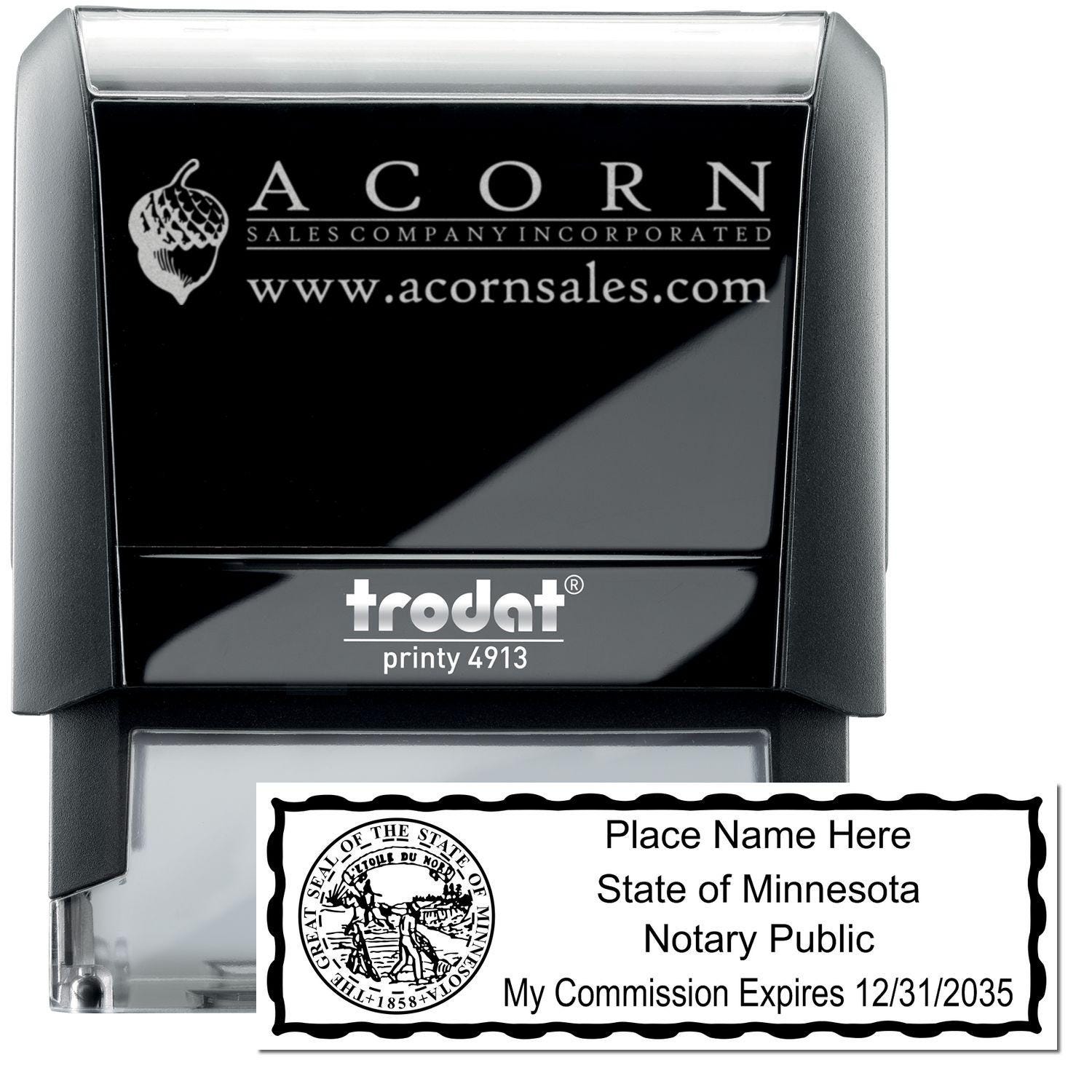
If you’re a Minnesota Notary Public, your daily responsibilities hinge on having the proper MN notary stamp and seal. This duo not only demonstrates your authority to verify signatures, but it also symbolizes your role as a trusted public officer. By making sure you have the correct stamp and seal, you help maintain legitimacy in all your notarized documents. In this guide, you’ll learn about what sets a Minnesota notary stamp and seal apart, how to meet state requirements, and how to find the perfect provider for your needs. Let’s dive into the essentials so you can make your mark with confidence.
Understand Minnesota Notary Basics
Before you begin your notary journey, it’s useful to grasp your role as a Minnesota Notary Public. Your responsibilities aren’t simply about adding a stamp to a document. Instead, you serve as an impartial witness, verifying each signer’s identity and willingness. By doing this, you help prevent fraud, ensure accuracy in records, and keep legal documents sound.
- You confirm that each signer appears in person.
- You check IDs to verify identities.
- You confirm the signer understands what they’re signing.
- You administer oaths when needed.
Aside from these tasks, your stamp or seal is your official mark. Whenever you sign and stamp a notarized document, you leave behind proof that you followed Minnesota rules. This means your MN notary stamp and seal must meet specific guidelines, including the proper shape, ink color, and required data—such as your name and the words “Notary Public.”
In Minnesota, your commission typically lasts for five years, and you’ll need to keep up with renewals if you want to maintain your status. Although you might see references to a “seal” or “stamp,” Minnesota typically allows both, and you can decide which is more convenient for you. Still, many notaries carry both a stamp and a seal embosser to cover various document requirements.
Review State Requirements
Along with understanding your general duties, you’ll also want to learn the specific obligations for Minnesota Notaries Public. The State provides details on what must appear on your official mark:
- Your name precisely as it appears on your notary commission.
- The words “Notary Public.”
- The name of the State of Minnesota.
It’s critical to comply with these guidelines so your notarizations remain valid. Failing to meet any of these rules can cause confusion or even rejection of your documents. You’ll also need to avoid any design or style that might make your official mark look unprofessional or illegible. While you have some freedom in choosing aesthetic details, clarity is key for both your stamp ink and embossing impression.
Another aspect to remember is that Minnesota’s laws can change occasionally. If the State refreshes regulations or updates design requirements, you’ll need to update your stamp or seal accordingly. This means you should stay in touch with the Minnesota Secretary of State’s office or check online resources now and then. Keeping informed ensures you’ll quickly spot changes and order a new stamp or seal before your old one falls out of compliance.
Sometimes, you might wonder whether your notary stamp or seal can use non-black ink. While black is often the standard, Minnesota does not mandate a single color—though it should be easily readable on your documents. Always aim for high contrast and sharp impressions. Should you have any questions about specific ink or design choices, check official resources or consult your supplier.
Compare Stamp And Embosser
When it comes to the MN notary stamp and seal, you can opt for a traditional inked stamp, an embosser, or both:
- A Notary Stamp uses ink to leave a clear, visible imprint. It’s fast, convenient, and easily fits into day-to-day notarial tasks. Inked stamps are also more likely to reproduce well on photocopies or scans, making them useful for paperwork that needs digital storage.
- A Notary Embosser, often referred to as a seal, creates a raised impression on the paper. Many notaries like the professional look of an embossed seal. However, raised images can be harder to reproduce in some scanners or copiers. Embossers may also require a bit more pressure to achieve a crisp, distinct impression.
If your office or clients regularly handle older-style documents, you might prefer the formal touch of a raised seal. On the other hand, if your aim is simplicity or you frequently need to create certified copies, a stamp might be more suitable. Some Minnesota notaries keep both tools on hand—an inked stamp for everyday notarizations and an embosser to accommodate special requests or traditional documents. You’ll have to decide which option fits best with your workflow, but having both ensures you’re prepared for all scenarios.
Select The Right Provider
Choosing the right provider for your MN notary stamp and seal is just as important as understanding the rules. A reliable provider will make sure your tools comply with state guidelines and arrive on time. At Acorn Stamps, you’ll find a top supplier for Minnesota notary stamps and Minnesota notary seals, backed by 60 years of experience. Family owned and operated since 1964, Acorn Stamps has earned its reputation for stellar customer service and super fast turnaround. When evaluating a potential provider, keep an eye out for:
- Customization Options: You want your name to match your commission precisely.
- Quality Materials: The best stamps and embossers use durable components, ensuring crisp impressions.
- Competitive Pricing: While you don’t need to overspend, watch out for exceptionally cheap stamps that break down quickly or produce blurry prints.
- Fast Shipping: If you’re starting a new commission or renewing at the last minute, prompt delivery is crucial.
With Acorn Stamps, you get all these features plus a helpful support team ready to answer questions about Minnesota requirements. Whether you need one notary stamp to test the waters or you’re stocking up your entire office, working with a trusted provider can streamline your process and give you confidence in every notarization.
Ensure Proper Usage
Using your MN notary stamp and seal correctly is key to fulfilling your duties. After you’ve verified each signer’s identity and willingness to sign, you’ll:
- Write or print your name exactly as it appears on your notary commission.
- Add any required language, like the certificate wording that states the type of notarization.
- Stamp or emboss the paper in a space that’s clear of text or signatures.
- Sign your name and, if applicable, note the date of notarization.
Having a consistent procedure helps prevent mistakes like stamping over vital text or forgetting to include the required notary certificate. Some notaries keep a quick reference card that lists each step. By consistently following the same routine, you reduce the risk of errors, omissions, or invalidations. Minnesota requires that you use your notary stamp or seal only when you are legally authorized to do so. This means your commission must be active and in good standing. If your commission expires or you move to another state, you’ll need to renew your eligibility or apply for a new commission. Using your notary tools without a valid commission can lead to legal repercussions and damage your professional reputation. By maintaining your status and practicing the correct procedure every time, you’ll keep your notarizations seamless and legally sound.
Store And Protect Tools
Your MN notary stamp and seal are an extension of your official authority, so you need to store and protect them carefully. If someone else uses your stamp or seal—intentionally or accidentally—you could be held liable for any fraudulent activity. Beyond following state regulations on usage, simply keeping your tools under lock and key can prevent a host of problems.
- Dedicate a Drawer or Safe: If you work from a home office, consider a locked cabinet. In a larger workplace, you might use a designated notary supply drawer that only you can access.
- Guard Against Damage: Leaving your stamp in direct sunlight or extreme heat can cause the ink pad to dry out or the embosser to warp. Keep them in a cool, dry space.
- Check for Wear and Tear: Periodically inspect your stamp to ensure the impression remains crisp and the ink is not running low.
When you do need to transport your stamp or seal, plan ahead. A small case can protect the embosser from accidentally clamping onto objects, and it helps prevent ink from leaking onto other items in your bag. By treating your notary tools with care, you preserve their accuracy and longevity, helping ensure that each notarization looks professional.
Renew Your Commission Responsibly
As a Minnesota Notary Public, you’ll typically have to renew your commission every five years. The better prepared you are, the smoother this process will be. Here are some tips:
- Stay Informed: Mark your renewal date in a calendar or digital reminder. This ensures you avoid any lapse in your commission.
- Check Application Steps: Sometimes the renewal process requires you to fill out a new application, provide proof of residency, or pay a fee. Familiarize yourself with these steps ahead of time.
- Order A New Stamp Or Seal Early: If the new term requires updated details or if your current tools show wear, don’t wait until the final week to replace them. Aim to order from your supplier—like Acorn Stamps—several weeks before you officially need them.
- Maintain Records: Keep documentation of your renewal, including your updated certificate, in a safe place.
Once your renewal is complete, you’ll be ready to keep serving clients without interruption. Delays in renewal can result in a gap during which you can’t legally perform notarizations. By planning ahead, you safeguard your credibility and prevent scheduling issues for your clients who rely on you for timely notarizations.
Explore Professional Benefits
Being a notary in Minnesota can open doors to extra opportunities. Whether you work independently, run a small business, or hold a position where notarization is frequently needed, your MN notary stamp and seal can help you stand out. By using professional-grade notary tools:
- You Offer Greater Trust: Your official mark speaks volumes about your reliability. Clients often feel more comfortable entrusting sensitive documents to someone with the right notary tools.
- You Reduce Errors: Crisp, clear impressions reduce the chance of confusion in legal documents. This means fewer rejections and happier clients.
- You Save Clients Time: Rather than sending them to a different office or location for notarization, you streamline the process by being fully equipped on-site.
- You Gain Potential Income: You may charge fees for notarization services, according to Minnesota’s rules. When you fit these tasks efficiently into your workflow, you can boost revenue without rearranging your entire schedule.
Ultimately, your notary commission and the proper stamp or seal can enhance your professional brand, making you a more versatile asset to any employer or client. Consistency and care in your paperwork help you build a reputation as someone people can depend on for accurate notarizations.
FAQs About MN Notary Stamp And Seal
Below are five frequently asked questions about notary stamps and seals in Minnesota. If you have additional concerns, it’s always a good idea to consult the Minnesota Secretary of State’s office or contact a reputable supplier like Acorn Stamps.
“Do I Need Both A Stamp And An Embosser?”
You’re not required to use both. A notary stamp is typically enough, especially when clarity for scanned or photocopied documents is important. However, some notaries prefer the traditional look of an embosser or want to accommodate clients who request an embossed document. Having both ensures flexibility in any situation.
“How Often Should I Replace My Stamp Or Seal?”
If the impression starts to fade or show wear, it’s time to consider a replacement. Many high-quality stamps can last for thousands of impressions, but heavy usage may wear them out faster. Similarly, if the text on your seal becomes difficult to read, you should update it to maintain your official mark’s integrity.
“What Happens If I Lose My Stamp Or Seal?”
Contact the Minnesota Secretary of State’s office to report the loss and follow any additional steps they recommend. This helps provide a record in case someone tries to use your lost stamp or seal fraudulently. You’ll then want to order a new one right away to continue your notary responsibilities without interruption.
“Can I Use Colored Ink?”
Minnesota does not specify a single ink color, but you should use an ink that contrasts clearly with your documents, such as black or dark blue. Avoid inks that may be difficult to read when scanned or copied. If in doubt, choose black, which is a safe option for most agencies and organizations.
“Why Choose Acorn Stamps For My MN Notary Tools?”
Family owned and operated for six decades, Acorn Stamps combines experience with exceptional customer care. You get custom, state-compliant stamps and seals that arrive quickly—perfect if you’re starting a fresh commission or renewing soon. For any questions or special requests, their knowledgeable staff is ready to help you create the perfect official mark.
By prioritizing a reliable MN notary stamp and seal, you strengthen your professional image, prevent costly errors, and deliver peace of mind for those who rely on your services. Whether you’re brand-new to the notary world or simply refreshing your toolkit, staying in compliance and using a trusted supplier like Acorn Stamps puts you on the path to confident, hassle-free notarizations every time.