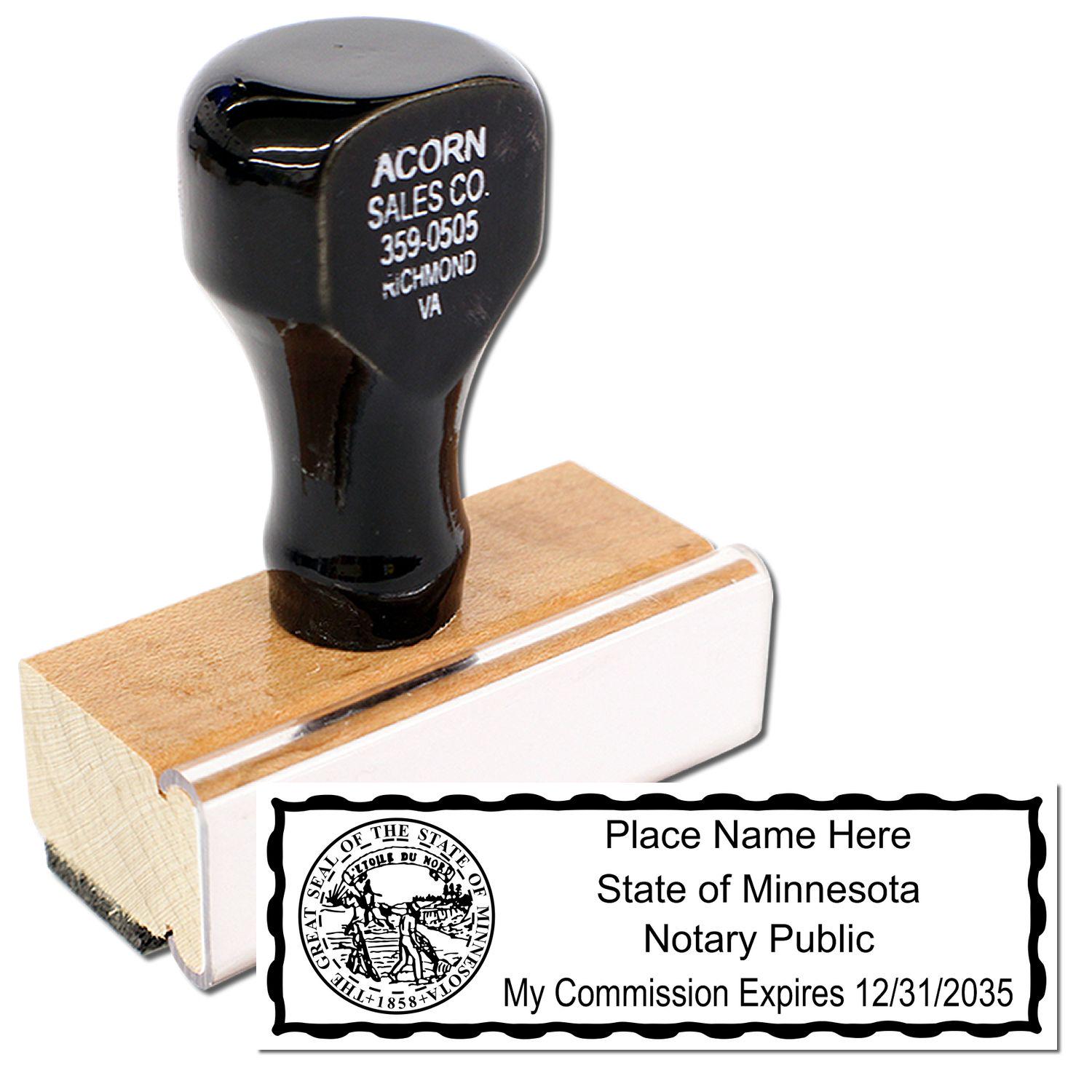
Use the keyword “minnesota notary seal requirements” in the first paragraph to establish relevance.Have at least 1600 words.Make sure to incorporate the brand voice and the editor insights, including mention of “Acorn Stamps,” their family-owned history, and excellent service.
Understand Minnesota Notary Seal Requirements
If you want to avoid common pitfalls in your notarial work, it is crucial to first understand Minnesota notary seal requirements. Whether you are just starting your commission or renewing it, a proper seal ensures your acts remain valid and well-documented. In Minnesota, a notarial seal is required by law for authenticating the documents you sign. The seal helps confirm that you hold an active notary commission and that your notarizations are legitimate. Working without full knowledge of these requirements can lead to legal headaches, confusion, and even rejection of important paperwork.
Why A Proper Seal Matters
Your notary seal is more than just a formality. It identifies you as a Minnesota notary public in good standing and gives your clients or signers the confidence that their documents will be legally recognized. When your seal is used correctly, it:
- Shows that you have passed the necessary qualifications set by the state.
- Acts as a visual mark on documents, offering clear proof you oversaw the signing.
- Shields you from potential allegations of improper practice or fraud.
- Helps the recipient verify that you are a legitimate notary in Minnesota.
In short, a properly created seal is essential for every notarization you complete. Neglecting any part of the requirements can jeopardize your professional credibility.
Official Minnesota Guidelines
Minnesota law outlines specific instructions for how a notary seal should look and be used. While the exact guidelines can change over time, the main points you should keep in mind include:
- A clear impression or stamp.
- Inclusion of key details, such as the words “Notary Public” and “State of Minnesota.”
- Legible letters that can be confirmed upon inspection.
Always double-check these regulations if you are unsure about your seal’s layout. By doing so, you help ensure that your notarial acts hold up over time and remain compliant with statewide rules.
Spot Common Mistakes
Ensuring you comply with Minnesota notary seal requirements can feel daunting at first. For many notaries, small oversights turn into bigger problems down the road. If you understand the typical mistakes people make, you will find it simpler to steer clear of them.
Missing Or Incomplete Information
A frequent error is leaving out key details that Minnesota law requires. Perhaps the word “Notary Public” is missing, or the stamp does not state the phrase “State of Minnesota.” Failing to include even one crucial element can cause confusion for individuals relying on your notarized documents. Worse, it can mean the document might be rejected by authorities, leading to delays and frustration.
Illegible Stamp Impressions
Another issue often encountered is a seal impression that is not clearly visible. This can happen if the seal is worn out, if the ink level is too low, or even if there is debris on the seal. Always test your seal on a scrap piece of paper before a signing. If you cannot quickly read “Notary Public” and “State of Minnesota” on the sample impression, it is time for a replacement or a fresh ink pad. Crisp and neat seal markings not only project a professional image, they are also essential for the legality of your documents.
Failure To Update Your Seal
Your commission expiration date is not a “set and forget” detail. If your commission has been renewed or updated, but your seal still carries expired information, you may run into serious compliance issues. Clients might question the validity of your notarial acts, and some documents can be deemed invalid. Whether you are a brand-new notary or you have held your commission for years, always make sure your seal aligns with your current commission details.
Overusing Or Misusing Your Seal
Your notary seal is meant solely for official notarial acts. Using it for non-notarial purposes, such as endorsing personal notes, can raise eyebrows and lead to legal questions. Even if you perform an official act, ensure the signers are present before stamping documents. Protecting yourself from liability often hinges on using your seal strictly according to the guidelines set by Minnesota law.
Navigate Minnesota’s Design Rules
When you order your Minnesota notary stamp or embosser, you might wonder what design elements you can include. State requirements outline how your seal can be configured, but you also have some flexibility in appearance and type.
Choosing A Stamp Vs. An Embosser
Minnesota notaries can use either an inked stamp or a raised-emboss seal. Both comply with current laws, provided they contain the required text. Stamps leave an instant, ink-based impression, which is usually easier for recordkeeping. Embossers create a raised effect in the paper, offering a classic look and a more tactile mark. Some notaries even opt for a dual system, meaning they use both an inked stamp and an embosser for certain specialized documents.
Layout And Placement
Where you position your seal on the document also matters. Stamping over signatures or critical text can obscure the details, leading to confusion. Instead, place the seal close to your handwritten notarial certificate or near the signer’s signature, making sure that nothing important is covered. Keep in mind that the seal’s impression must remain clear enough to be photocopied or scanned, if necessary.
Lettering Style And Size
Although the law mandates certain words and phrases, it does not necessarily dictate exact font choices, text size, or style. However, to maintain a professional appearance, go for a clean, readable font that does not distract from the document. Avoid decorative or overly stylized fonts that could make your seal look informal. The data on your seal is meant to be instantly legible, so factor that into any design decisions.
Use Your Notary Seal Properly
Bringing all these points together, you can see that simply owning a properly designed seal is only half the battle. The other half is using it methodically for each and every notarization you conduct in Minnesota.
Verify The Signer’s Identity
Before you use your seal on a document, double-check that the signer in front of you is who they claim to be. Ask to see valid identification, such as a driver’s license or a passport. Remember, your role as a notary public is to serve the public by preventing fraud and ensuring the accuracy of important legal transactions. Applying your seal without identity verification can compromise that purpose, creating legal vulnerabilities for you and the signer.
Confirm The Document’s Readiness
Once you are satisfied with the signer’s identity, confirm the document is complete. The signer should only fill in any blanks before you apply your seal. Partial or missing information in a contract or affidavit can lead to legal disputes. Ensuring that everything is filled out and that the signer is fully aware of the document’s contents is part of a notary’s ethical duty.
Document Your Notarial Act
After you stamp the document, be sure to update your notary journal or record. Although Minnesota law may not always require a journal for every notary, it is widely recommended as best practice. A consistent record of each notarization offers added protection for you if questions arise about a particular document in the future. Include:
- Date and time of notarization.
- Type of document or transaction.
- Name and address of the signer.
- Any unique identifiers or ID numbers.
Clear records maintain the integrity of your notarial acts and make sure you have proof of each signing if disputes happen later.
Handle Renewal And Replacement
Your Minnesota notary commission will have an expiration date, typically a few years after your commission is first issued or last renewed. Preparing for this renewal period or dealing with an outdated seal is vital if you want to stay compliant.
When To Renew
It is good practice to track the expiration date of your commission so you never reach a point where your notary authority lapses. The state typically sends a renewal reminder, but relying solely on that can be risky in case of mail delays or oversights. Set a personal reminder six months before your commission expires. Renewal requirements usually involve:
- Submitting a renewal application to the Minnesota Secretary of State (or relevant authority).
- Paying associated fees.
- Updating any personal information if you have changed addresses or names during your last term.
Ordering A New Seal
A renewed or updated commission means you may need an updated seal. If your prior stamp included an old expiration date, you must replace it with a new stamp or embosser showing your current commission details. Opt for high-quality, state-compliant materials to guarantee clear impressions. A new seal can be a great fresh start if your previous one was showing signs of wear.
Disposing Of The Old Seal
Old or expired seals should not remain in circulation. Prevent confusion or even fraudulent use by destroying defective or outdated seals. Many notaries damage the rubber stamp elements so they cannot be reused. By taking a few extra steps to properly dispose of old seals, you maintain public trust and reduce the chance of your seal landing in the wrong hands.
Choose The Right Supplier
When it comes to ordering a new Minnesota notary stamp or seal, the supplier you pick can make your life easier and streamline your notarial practice. A reputable company understands Minnesota notary seal requirements, offers top-notch customer support, and ensures your seal is manufactured correctly.
Why Go With Acorn Stamps
If you are looking for a dependable place to get your Minnesota notary stamp and seal, consider Acorn Stamps. Family owned and operated since 1964, Acorn Stamps has delivered over 60 years of service to notaries across the state. They are known for:
- Stellar customer service dedicated to making you feel supported.
- Super fast turnaround when you need your stamp or seal in a hurry.
- High-quality materials that allow for crisp impressions every time.
Having a partner that truly understands Minnesota’s rules can reduce your stress as you order or update your seal. By relying on a solution that is both local and time-tested, you can focus more on delivering top-tier notarial services to your community.
Comparing Different Seal Types
Acorn Stamps offers a variety of seal styles, such as traditional rubber stamps, self-inking stamps, and embossers. For those who prefer a sleek approach, a self-inking stamp can speed up repetitive tasks. Meanwhile, embossers create that classic raised feel many people appreciate for more formal documents. As long as your seal includes the required details, the choice between a stamp or an embosser mostly comes down to personal preference and usage patterns.
Placing Your Order
Ordering through Acorn Stamps is simple. You select the type of stamp or embosser you want, provide your commission information, and verify the final proof. When your items arrive, double-check that all details, spelling, and expiration dates match your valid commission. This extra minute of verification can save you a world of trouble if something was typed incorrectly.
Frequently Asked Questions
Here are five of the most commonly asked questions about Minnesota notary seal requirements. Each response aims to clarify the main points notaries often need to know.
Do I Need Both A Stamp And An Embosser?
You only need one or the other to meet state requirements, as long as the impression is clearly legible. Some notaries opt for both, particularly if they handle a variety of documents where one format might be more convenient or more readily accepted.
What Happens If I Use An Old Seal With Outdated Expiration Dates?
You risk having your notarizations questioned or rejected. Even if your notary commission is active, an old seal can create doubts about the validity of the act. It is best to order a new stamp or embosser with your updated commission information as soon as you renew.
How Can I Tell If My Seal Impression Is Acceptable?
The impression should be clear enough that anyone reading it can identify your name, the words “Notary Public,” “State of Minnesota,” and any other required text. If parts of the seal are faded or incomplete, consider re-inking the device or ordering another one.
Is A Notary Journal Required In Minnesota?
Minnesota does not mandate a notary journal for all acts, but it is strongly recommended. Keeping a journal of your notarizations is an excellent way to protect yourself and provide proof that you performed each step correctly if your actions ever come into question.
How Do I Safely Dispose Of My Old Seal Or Stamp?
Render it unusable. If it is an inked stamp, you can remove the rubber component and cut or deface it. If it is an embosser, bend or remove the metal embossing plate so it cannot create valid impressions anymore. By following these guidelines and staying mindful of Minnesota notary seal requirements, you are on your way to avoiding costly notarial mistakes.
Always order your supplies from a reputable provider like Acorn Stamps, known for over half a century of reliability, so you can focus on delivering professional and compliant notarial services. Remember, consistent attention to detail keeps you, as a Minnesota notary, in good standing with the law and helps ensure every document you notarize is properly executed.