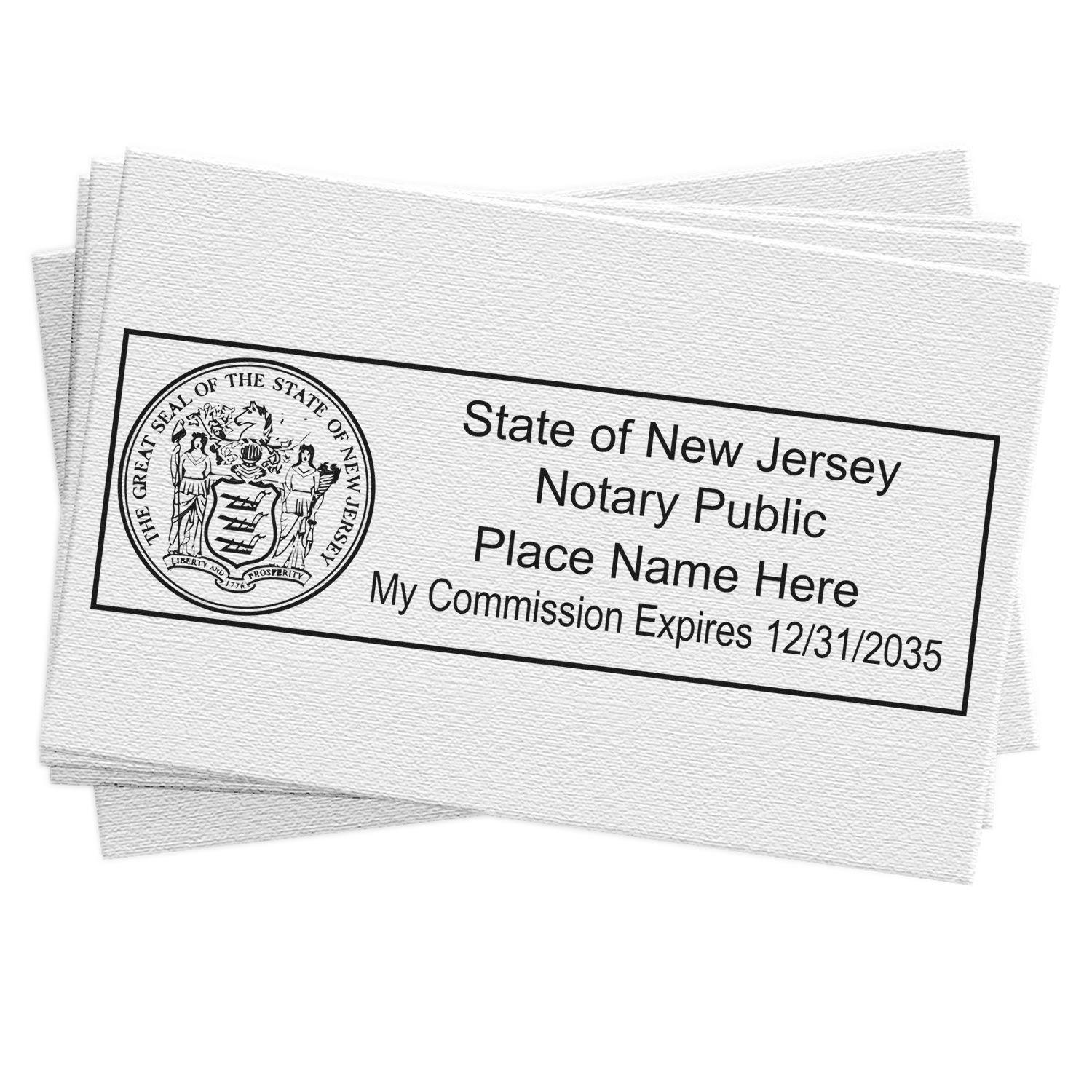
Natural light may not be a concern when you use your New Jersey notary seal embosser, but understanding and following state requirements certainly is. If you are a newly commissioned notary public in the Garden State or an established professional who wants to refine best practices, mastering your embosser is a must. You will rely on it whenever notarizing official documents, from real estate paperwork to affidavits. Because your notary seal embosser verifies the legitimacy of signatures and ensures no one tampers with records, you want every imprint to be crisp and compliant. The moment you begin applying your seal, you carry a responsibility to uphold New Jersey regulations, maintain your own credibility, and streamline the notarization process for the people you serve.
In this guide, you will learn how to properly use and care for your New Jersey notary seal embosser. You will discover helpful ways to ensure accurate impressions and store it in a way that prevents damage or misuse. You will also explore how to apply the seal so that it complies with state guidelines regarding placement and readability. In some cases, failing to do so can make a document invalid or raise doubts about its authenticity. Although an embosser may seem relatively straightforward, each step in using it matters to the long-term success of your notary commission.
Making a good impression is about more than just the seal. It encompasses everything from how you prepare the document to how you handle customer interactions. With the right combination of knowledge and technique, you will feel more confident every time you reach for your embosser. Whether you work from a small office or on the go, you can ensure that each notarization is carried out with consistency and professionalism. If you ever have questions about which embosser settings are right for your needs, reliable suppliers such as Acorn Stamps are here to support you at every step. After all, proper training coupled with high-quality tools sets you up for a long and rewarding career as a notary public in New Jersey.
Below, you will find practical tips on everything from state guidelines to daily maintenance. By the time you finish reading, you should have a clear plan for using your embosser. You will also walk away with valuable insights on how to handle common challenges, like embossing documents with tight margins or ensuring legibility even after photocopying. Keep these pointers in mind, and your notarial duties in New Jersey will run smoother than ever.
Understand Your Embosser Requirements
Learn the Role of the Embosser
Your New Jersey notary seal embosser carries your official imprint that provides authenticity to legal files. Whether you are certifying property deeds, loan documents, or sworn statements, you add a distinct raised impression confirming your role as a state-appointed witness. This relief effect highlights a notary’s approval and seals the text from tampering. It is different from an ink stamp, which leaves a flat mark. The embossed seal is immediately noticeable to document recipients, helping to prevent fraud.
In the eyes of New Jersey law, the embossed seal is considered a critical tool. You are typically responsible for ensuring that every embossment is consistent with the specific design, shape, and wording allowed by the state. Double-check that you have the correct text, spelling, and border style. If your embosser is incorrect, it might cause complications or delays when someone reviews the document. Use a reputable vendor that understands these guidelines, so you know your embosser is valid for official use.
Verify You Have the Right Embosser
The design and layout of notary embossers can vary slightly, so make sure yours meets New Jersey-specific standards. For instance, you usually have your name, your commission ID (if required), and the words “Notary Public” or “State of New Jersey” arranged in a circular pattern. Before you make any final purchase, review the state’s official notary seal regulations. Accuracy in design saves you from reordering a corrected seal later.
Always confirm that your full name on the seal matches the name you used when you applied for your notary commission. If you have had a name change, check the appropriate steps with the state to ensure your new name is properly documented on your seal. This foresight spares you potential legal complications down the road.
Follow New Jersey Rules
Comply With Placement Requirements
Whenever you notarize a document, pay special attention to where you place your embossed seal. Some documents have designated spaces for a seal, so look for a blank area near or around the signature line. The raised impression should not overlap critical text or signatures, as it can obscure important details. If space is tight, you might need to emboss a margin area while ensuring all text remains readable.
New Jersey expects legibility in your seal imprints. If the seal ends up halfway off the page or over key information, you risk having the document rejected by relevant authorities or recipients. Always double-check that the embossed mark will appear crisp and complete. In doing so, you safeguard not only the legality but also the professional appearance of your work.
Confirm Document Details Before Embossing
Before you bring out your New Jersey notary seal embosser, verify that the document you are about to notarize is complete. Every signature, date, and statement should be filled in to avoid blank spaces that might be used for fraudulent alterations. In addition, confirm the signer’s identity by reviewing valid identification, such as a driver’s license or passport. Following standard identity verification protocols prevents potential legal disputes.
As a notary, you must also maintain a notary journal, recording every transaction. Although New Jersey does not always mandate it, keeping a journal is a wise strategy that can protect you if any questions arise later. In your journal, note the signer’s information, document type, date of notarization, and a reference to the seal. These details can prove extremely valuable if a document’s authenticity is ever questioned.
Master Your Technique
Position the Document for a Clear Imprint
At times, you might work from cramped office spaces or busy public settings. Regardless of your environment, the first step is ensuring a stable surface. Place the document flat on a firm table and align your embosser around the designated area. If your embosser is handheld, maintain a steady grip so you can press downward without slipping. A slight shift can blur the impression, making it hard to read.
When you squeeze your embosser, apply consistent pressure. If you press too lightly, the seal might be faint. If you press too forcefully, you could tear the paper. Experiment with a scrap sheet of paper to practice your technique and discover the balance of pressure that yields a clear, readable impression.
Use Appropriate Paper and Position
Although you can emboss on a range of papers, some thicker types might require a little extra effort. Thinner pages, on the other hand, can tear if you press heavily. If the document’s paper is quite thick, expect to put slightly more force into the embosser. Always hold it steady to avoid slipping. If a document has multiple pages, consider your approach to each page. It is typically best to place your seal on the page with the signatory text, rather than an attachment page, unless you are affixing a loose certificate.
In addition, check for any instructions from the recipient or filing agency. They might prefer an ink stamp version of your seal in addition to the embossed mark, especially if the document will be scanned or photocopied. An embossed seal can sometimes be harder to reproduce in scans. If that is the case, you can pair your embosser with a notary ink stamp to ensure visible evidence of your seal on digital copies.
Care For Your Embosser
Clean It Routinely
Keeping your New Jersey notary seal embosser in good shape means more than just wiping off smudges. Over time, dust or even small bits of paper can build up around the die. These particles can create a slightly uneven impression, reducing the clarity of your seal. To avoid such issues, plan regular inspections. Look closely at the embossing plates and remove any trapped debris with a soft cloth or canned air.
Steer clear of moisture around your embosser, since water can lead to rust or corrosion on metal parts. If you need to remove a spot or stain, use a mild, non-abrasive cleaner. Test it on a small surface first to be sure there is no discoloration. Proper cleaning preserves the crispness of every imprint you make.
Store It Securely
When you are finished with each notarization, store your embosser in a locked drawer or safe location. Access to your embosser should remain restricted to you alone. If someone else uses your seal, it could expose you to liability. Keeping the device away from high humidity and temperature fluctuations extends its life and prevents warping of the handle or oxidation of the metal die.
A compact carrying case can protect your embosser if you frequently work off-site. The case helps shield it from damage in transit. Should your embosser show signs of wear such as misaligned plates, or if you notice that your impressions are no longer crisp and legible, consider contacting a trusted supplier for a repair or replacement. Following these precautions will keep your seal operating smoothly whenever duty calls.
Choose A Trusted Supplier
Shopping for a New Jersey notary seal embosser is an important step for your notarial career. You want high-quality construction and a seal that aligns with the requirements of state law. It is also worth noting the turnaround time, customer service, and reputation of the supplier. That is where Acorn Stamps comes in. Not only does Acorn Stamps provide stellar customer support, but they also offer super fast turnaround for those moments when you need a new seal in a hurry.
Acorn Stamps has been family owned and operated since 1964, meaning they have over 60 years of experience supplying notary essentials. That expertise ensures you receive a seal that is craft-made to meet New Jersey standards. A reliable supplier can also clarify any special requests, such as adding your commission expiration date if applicable. You will often find it easier to navigate the ordering process when an experienced team reviews your design specifications. Whether you are placing your first order as a new notary or updating a worn-out embosser, a supportive vendor can simplify the process and give you confidence in your official equipment.
Working with a trusted provider also helps if anything ever goes wrong. In case you lose your seal or require an urgent replacement due to a name change, established suppliers like Acorn Stamps can expedite your order. Ultimately, a well-constructed embosser coupled with a dependable support system saves you time and frustration, letting you focus on offering top-notch notarial services to your clients.
Expand Your Notary Skills
Build Professional Relationships
Your reputation as a New Jersey notary public expands beyond the quality of your seal. Clients will return to you if they trust your thoroughness, integrity, and transparency. Suppose you carefully verify a client’s identity before embossing the document. That diligence shows your commitment to lawful, accurate notarization and can lead to word-of-mouth referrals or repeat business.
Working with reputable agencies or attorneys can also open doors for you. They might pass your name along when someone needs dependable notary services. Put effort into being personable and communicating clearly about fees, scheduling, and any required documents. The more reliable you are, the more your business or personal notary practice can grow.
Set Clear Expectations
Before you begin notarizing, walk your client through the essential steps: explaining what they are signing, verifying their ID, and confirming their willingness to proceed. This clarity not only builds trust but also helps avoid potential misunderstandings. If a client does not fully understand the nature of a document, encourage them to seek legal advice rather than guess. As a notary, you are not allowed to offer legal counsel, but you can suggest they consult an attorney for clarity.
You should also be transparent about your fees upfront if you charge for notarial services. Keep a consistent rate to avoid allegations of unfair pricing or impropriety. If you work for a government office or a private firm, your charges might be established by law or company policy, in which case you will want to post or share those rates so there are no surprises.
Keep Learning and Stay Updated
Regulations and best practices can change over time. Staying informed about updates from the New Jersey Division of Revenue and Enterprise Services is smart. Several professional organizations, including the National Notary Association, offer resources, webinars, and continuing education programs.
Taking advantage of these can help you remain at the forefront of your field. You might also find it beneficial to connect with other New Jersey notaries through local associations or online forums. Exchanging insights can help you better understand regional quirks or emerging trends. Sometimes, you may even pick up time-saving strategies or discover new resources for expanding your services, such as traveling notarizations or remote online notarizations if the state permits them. Keeping your skills relevant ensures you continue to deliver effective service to your community.
Wrap Up Your Notary Journey
Your New Jersey notary seal embosser may look like a simple handheld device at first glance, but it holds enormous power and responsibility. By now, you should have a clearer understanding of how to use and maintain this vital tool. From verifying each signer’s identity to ensuring the seal is placed correctly on the document, each step in your process upholds the integrity of the notarial act. Adhering to state regulations, pairing your embossment with thorough record-keeping, and renewing your commission on time all reflect a commitment to professional excellence.
Not only should you stay current with any legislative changes, but you also need to treat your embosser as the critical security device it is. By storing it properly, you reduce the risk of unauthorized use and protect yourself from potential legal liabilities. And if you ever encounter a problem with your seal’s clarity or design, a trusted partner like Acorn Stamps can guide you. As you refine your notary services, keep focusing on building relationships based on trust, consistency, and professionalism.
Your journey as a notary public in New Jersey is ultimately about serving others with integrity. A fully functional embosser helps you confirm each signature’s legitimacy, but your personal approach to each appointment is what distinguishes you from the rest. When you handle documents with care, treat clients respectfully, and perform each notarization accurately, you lay the foundation for a strong reputation. By following the steps outlined in this guide, you will empower yourself with the knowledge and confidence to handle any challenge that comes your way.
Frequently Asked Questions
Is An Embosser Required By Law In New Jersey?
New Jersey law requires you to use an official notary seal, and an embosser is a common choice. Some notaries also maintain a rubber ink stamp or utilize both forms, especially if the document will be scanned. Always ensure your seal clearly displays the necessary text to comply with state regulations.
What Should I Do If My Embosser Breaks Mid-Commission?
If your embosser is damaged, you should order a replacement as soon as possible. While waiting, you may not be able to complete notarial acts if state law requires a physical seal. Reach out to a reputable supplier like Acorn Stamps for a fast turnaround, so your notary duties are not on hold for long.
Can I Share My Embosser With A Colleague In The Same Office?
No. Your embosser is for your exclusive use. Providing others access to your seal can place you at risk for liability if unauthorized notarizations occur. Properly secure your embosser at all times to prevent misuse.
Do I Need To Use A Journal If It Is Not Mandatory In My State?
Even if a journal is not strictly required, it is strongly recommended. A journal can protect you in cases where a notarial act is questioned. You can log details about each notarization, the signer’s ID, the date, and the documentation type, making it easier to confirm or clarify details later.
Will A Raised Embossed Seal Show Up On Photocopies?
Raised seals can be difficult to see in standard photocopies. Some clients or agencies may need an ink stamp that reproduces more clearly in digital or photocopy formats. To cover all bases, consider using an ink stamp in addition to your embosser if the receiving party requests it.
By paying attention to these guidelines, using high-quality products like a well-crafted New Jersey notary seal embosser, and working with experienced suppliers such as Acorn Stamps, you will run a smooth, reliable practice. A tiny tool can make a big difference in maintaining trust and legality for all parties involved. Take pride in your work, stay informed, and watch your reputation as a skilled New Jersey notary flourish.