Understand The Notary Landscape
Minnesota notary requirements can sometimes feel daunting, but with the right information, you can navigate them smoothly and confidently. As you explore each step, remember that your role as a notary public is about more than just stamping documents. You help safeguard legal processes and protect your neighbors from fraud or misrepresentation. This sense of responsibility underscores each decision you make, from meeting eligibility criteria to acquiring the proper seal.
In this guide, you will find a clear, user-friendly overview of what's required to become a notary in Minnesota. You'll also discover suggestions for staying compliant, maintaining professional standards, and choosing top-quality supplies. By the end, you'll feel prepared to handle official procedures and serve your community responsibly.
Meet Basic Eligibility Criteria
Before you begin any paperwork, you'll want to confirm you meet the core qualifications for becoming a Minnesota notary public. Meeting these criteria ensures you are eligible to perform the duties vital to this role.
- Age And Residency
You must be at least 18 years old and a resident of Minnesota (or a resident of a state that shares a border with Minnesota and works in the state). This helps ensure you have a permanent connection to the area where you will provide notarial services.
- Good Character And Integrity
Minnesota expects its notaries to uphold honesty and fairness. That means you should have no history of serious legal infractions that could compromise your ability to remain impartial or trustworthy. If you have concerns about your background, consider consulting an attorney or contacting the Minnesota Secretary of State for clarification.
Complete Required Application Steps
Meeting the basic criteria is just the start. You’ll also need to follow a standard application process to finalize your credentials. Although the road can appear complex, breaking it down into manageable steps helps you streamline the entire experience.
Submit Your Application
Begin by accessing the notary application forms through the Minnesota Secretary of State’s website. Those forms guide you through crucial details, such as your contact information, verification of eligibility, and a signature attesting to your accuracy and honesty. Ensure each field is answered truthfully and thoroughly.
Pay The Filing Fee
Alongside your application, you will pay a filing fee to the Minnesota Secretary of State. The exact fee can change periodically, so confirm the current amount before submitting. Retain a record of your payment since you may need it for future reference, especially if your application’s status requires verification down the line.
Obtain A Notarial Bond
Once your application is approved, you must secure a notarial bond. This bond serves as a safety net, protecting the public in case you make an error or omission in your official duties that leads to financial loss. The bond’s value in Minnesota is typically set at a certain amount (for instance, $5,000), but check the most recent guidelines to be sure. Working with reputable insurance or bonding companies is always recommended to ensure everything is in order.
Master Essential Training And Education
While Minnesota notary requirements do not always mandate formal classes, you can benefit immensely from notary-specific training. Even if you are confident in your knowledge, structured education helps you stay current on best practices.
Explore Resources And Materials
- Online Courses: Look for webinars or virtual training sessions that address Minnesota-specific notarial laws, ensuring you understand stricter identification rules or signature guidelines unique to the state.
- Secretary Of State Materials: The Minnesota Secretary of State’s website offers official resources that outline the scope of your responsibilities, potential penalties for misconduct, and tips for protecting yourself legally.
Practice Ethical Scenarios
An important part of your training is learning how best to manage tricky situations. For instance, what if a signer lacks the proper identification, or if you’re suspicious a document is incomplete or fraudulent? Familiarize yourself with real-life scenarios so you can handle them appropriately. Skillful decision-making strengthens public trust in your role as a state-appointed official.
Gather Your Notary Supplies
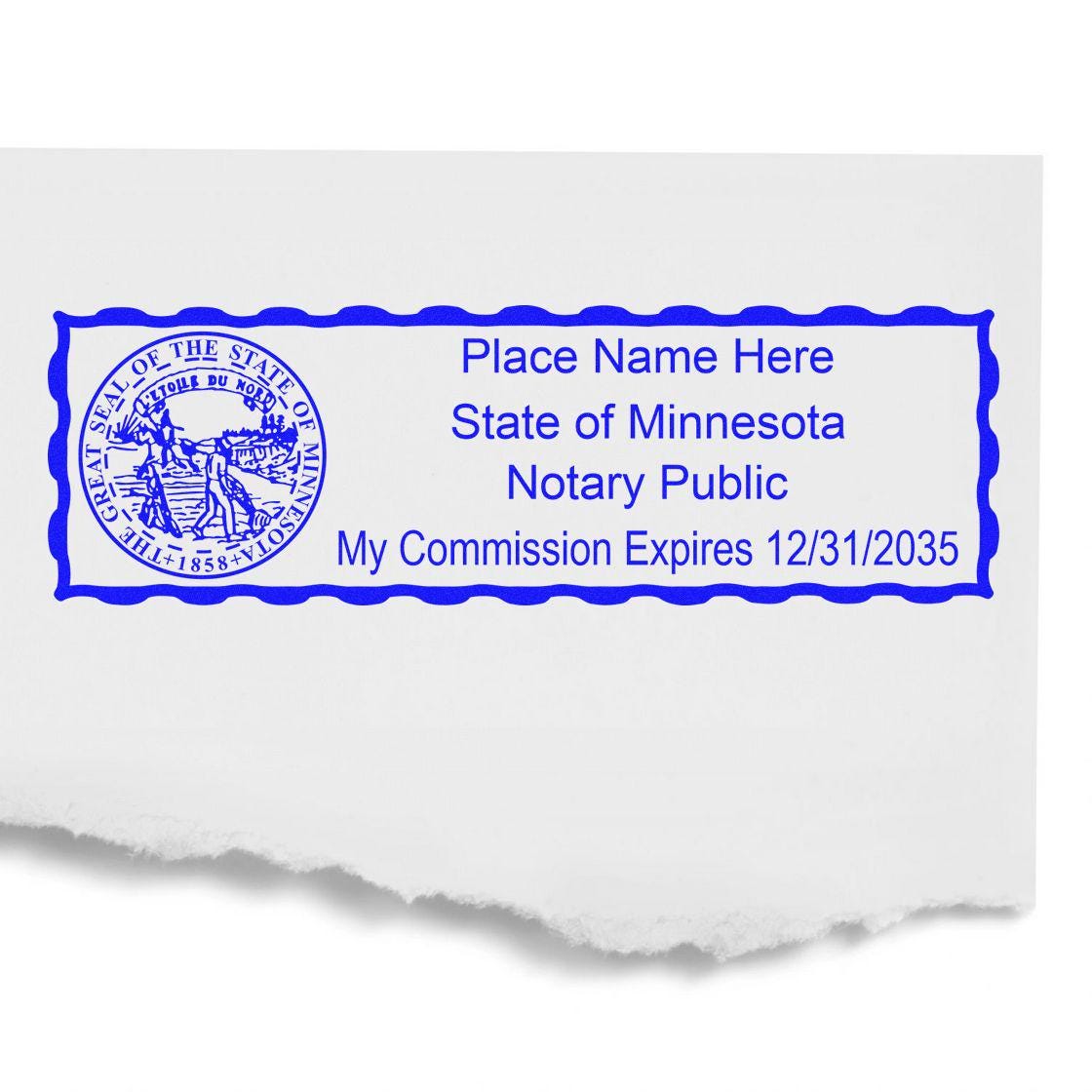
Even after you’ve secured your commission, you’re not quite ready to begin stamping. The right supplies ensure your documents comply with legal standards and appear professional. You’ll often need a high-quality Minnesota notary stamp and, in some cases, a notary seal for embossing.
Select A Reliable Supplier
Choosing a trusted provider for your stamp and seal pays off both immediately and in the long run. Acorn Stamps has proudly served Minnesota notaries for 60 years and can help you meet your supply needs with:
- Minnesota Notary Stamps that produce crisp, clear impressions
- Minnesota Notary Seals that offer an elegant, professional image
- Friendly Customer Service to guide you through options
- Super Fast Turnaround so you can get started quickly
Because notarial impressions must be legible on official documents, it’s best to invest in tested products for durability. With a family-owned and operated approach, Acorn Stamps focuses on ensuring you receive the ideal stamp or seal for your notarial tasks.
Keep Extras On Hand
Another aspect to consider is having extra ink pads or additional supplies so you never run out in the middle of an important signing. Place a small order of backup materials to store safely. If your primary stamp malfunctions or you need to notarize multiple documents in a short time, these spares come in handy.
Maintain Compliance Throughout Your Term
Securing your commission is only half the story. Throughout your term, you must uphold the values and rules that define your office. This includes staying diligent about official procedures, safeguarding your stamp, and renewing your commission before it expires.
Safeguard Your Commission Documents
Keep a secure record of your notary commission certificate, bond documents, and any correspondence you receive from the Minnesota Secretary of State. You may need to reference these documents for verification or during future renewals. Storing them in a locked cabinet or digital vault ensures they remain confidential and protected from theft or damage.
Record-Keeping And Journal Practices
Although Minnesota does not always require notaries to keep an official journal, it’s a good idea to maintain one anyway. A journal, either paper or electronic, creates a record of every document you notarize. This record can protect you if questions arise about the authenticity of a signature or if someone disputes the circumstances of a notarization.Record important details, such as:
- Date and time of notarization
- Type of document
- Signer’s name and address (when applicable)
- Identification method used
- Notarial fee (if applicable)
Renew On Time
In Minnesota, the notary commission typically lasts for five years, though exact terms can vary. Mark your calendar for the renewal window well in advance. Failing to renew in time means you’ll have to reapply and potentially go through extra steps to restore your notarial privileges. Prompt renewal keeps your services uninterrupted and your clients confident in your availability.
Follow Proper Notarization Procedures
A core part of fulfilling the Minnesota notary requirements is correctly performing your notarizations. By consistently applying the correct procedures, you avoid costly mistakes and protect the integrity of every document you handle.
Verify Signer Identity
When someone asks you to notarize a document, start by verifying their identity. You can do this by examining government-issued IDs, such as a driver’s license or passport. In Minnesota, you may also use credible witnesses if allowed by law. Always check that the ID is valid and not expired.
Confirm Willingness And Awareness
The signer should be entering the transaction of their own free will. Be alert to signs of undue pressure or confusion. If something feels off, you have the authority to refuse to notarize until you are convinced the signer is acting independently and understands the document’s implications.
Observe The Actual Signature
To notarize properly, the signer must sign in your presence. If the document arrives already signed, ask the signer to sign again or, if appropriate, request a sworn statement that they signed it personally. This precaution helps prevent unauthorized signing and fraud.
Address Common Missteps
One of the most important parts of working as a notary is staying aware of potential pitfalls. By recognizing these issues beforehand, you can address them quickly and uphold professional excellence.
- Incorrect Stamp Usage
Faint or smudged stamp impressions create confusion about whether the document was notarized properly. Use a high-quality Minnesota notary stamp and check the impression’s clarity before finishing any forms.
- Misplaced Stamp Or Seal
Never leave your stamp or seal lying around where unauthorized individuals might take it. Keep it in a locked drawer, safe, or other secure location. Lending it out to others, even to fellow notaries, is strictly prohibited.
- Overstepping Your Authority
Remember that notarization verifies identity and a signer’s willingness, but not the validity of the document itself. Avoid offering legal advice unless you are also a licensed attorney. Doing so could place you at risk of serious penalties.
- Unclear Documentation
Make sure you understand precisely what is required on a notarial certificate. Missing information—like a date, location, or type of notarization—could render the procedure incomplete.
Strengthen Your Community Connections
When you consistently deliver professional and fair notarial services, you become a trusted resource in your community. That positive reputation can lead to more referrals and stronger networks of colleagues who appreciate reliable notary publics. Depending on your personal or business goals, you might also consider continuous improvement by joining organizations or attending local workshops. Engaging with other Minnesota notaries keeps you informed about changes to state laws and fosters collaborative problem-solving.
Look To The Future
As technology evolves, so do methods of notarization. Keep an eye on changes, such as the potential for remote online notarization (RON), which allows notaries to meet with signers virtually. Minnesota has specific guidelines around remote notarization, so be sure to consult the Secretary of State website if you’re interested in this avenue. Adopting emerging practices early could make your services more accessible to clients who can’t meet in person.
Finally, remember that your growth as a notary does not stop when you receive your commission. From mastering more sophisticated identification methods to expanding your network of clients, your potential is wide open. Staying educated and prepared will ensure you serve effectively for years to come.
Frequently Asked Questions
Below are five common questions about Minnesota notary requirements—plus straightforward answers that can help you manage daily notarial challenges.
How Long Does A Minnesota Notary Commission Last?
In most cases, your commission remains valid for five years. Be sure to apply for renewal before it expires so you can continue performing notarial acts without interruption.
Is A Notary Journal Required In Minnesota?
Minnesota law currently does not make journaling mandatory. However, maintaining a detailed journal is highly recommended to protect yourself and your signers by creating a record of all notarizations you perform.
Can I Notarize Documents For Family Or Friends?
While there is no specific law forbidding it, you should proceed carefully. If you are a party to the document or stand to benefit from it financially, avoid notarizing to prevent a conflict of interest. Always ensure impartiality.
What Is A Notarial Bond And Why Is It Necessary?
A notarial bond provides financial protection to the public if you make a mistake that leads to a monetary loss. In Minnesota, you must secure a bond for a set amount (often around $5,000) as part of fulfilling notary requirements.
Where Can I Purchase A Minnesota Notary Stamp Or Seal?
You can purchase them from a reputable vendor like Acorn Stamps, which has 60 years of experience and offers prompt, friendly service. A reliable stamp and seal help ensure your notarial impressions follow state guidelines.
Now that you have a clearer roadmap, you’re well on your way to becoming a confident, knowledgeable notary public in Minnesota. Approach each step—application, bonding, proper supplies, and beyond—with diligence and care. As you fulfill these responsibilities, you’ll find that every successfully notarized document is not just an official task, but a valuable public service that reflects your professionalism and commitment to the community.