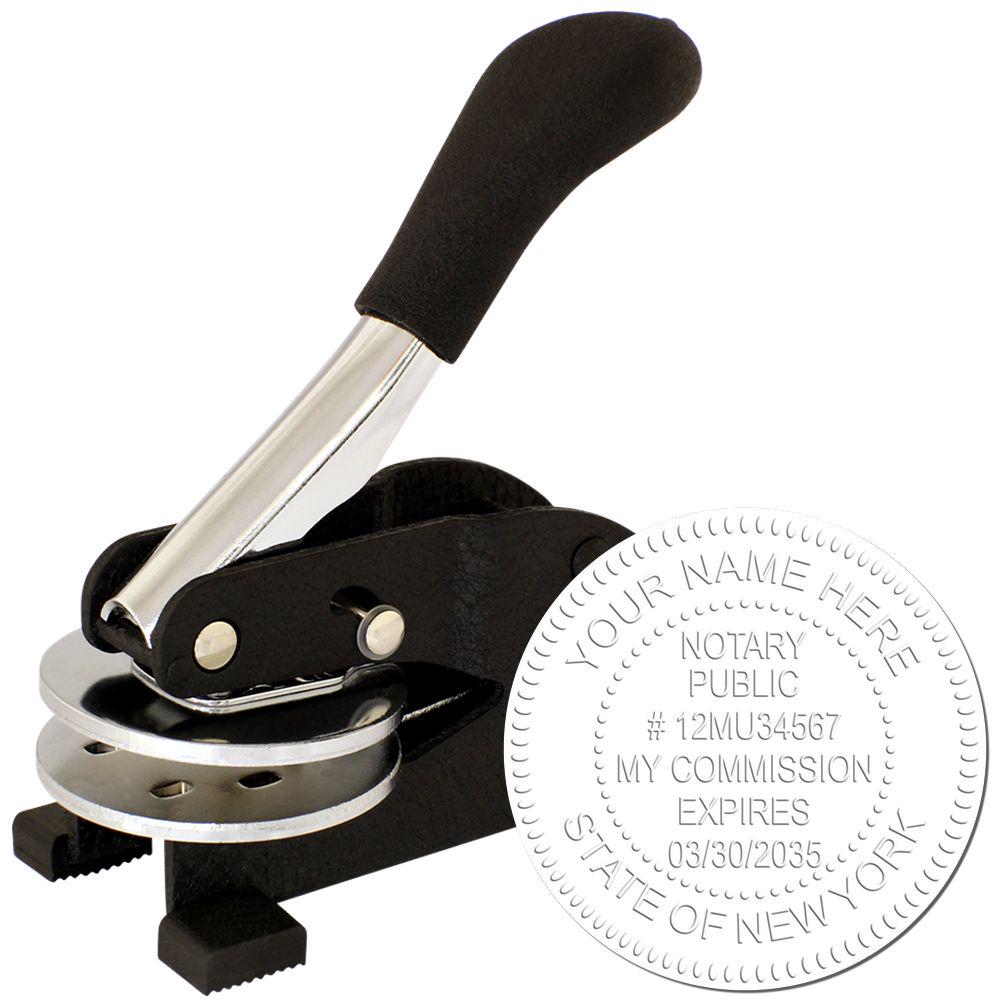
You rely on your New York notary stamp to make every notarized document official, trustworthy, and legally binding. Whether you are just starting your journey as a New York Notary Public or you have years of experience, knowing the ins and outs of your new york notary stamp ensures that you serve your community with confidence. From essential legal requirements to tips on selecting the right stamp style and supplier, the information below will help you maximize your efficiency and accuracy in every notarization.
Discover the Role of the New York Notary Stamp
When you serve as a commissioned Notary Public in New York, your stamp is more than just a piece of equipment. It is a key indicator that a document has been verified for authenticity, confirmed for signatures, and properly recorded in your notarial journal. Understanding this role helps you stay mindful of your duties.
Definition of a New York Notary Stamp
A New York notary stamp is the distinctive impression or ink stamp you affix to an official document after verifying its authenticity. It typically includes:
- Your name, exactly as it appears on your notary commission
- The words “Notary Public, State of New York”
- Your notary commission expiration date
Because New York law requires specific information in your stamp, you will want to confirm that yours meets the current state guidelines before you begin notarizing.
Why This Stamp Is Indispensable
From property deeds to affidavits, nearly any document that requires an oath or acknowledgment also requires a valid notarial seal or stamp. This stamp reassures the signer and recipient that the appropriate legal process has been followed. Without it, the document’s legitimacy can be called into question.
Understand the Legal Requirements
New York has its own statutes regulating the elements of a notary stamp, in addition to rules on how to use it properly. Familiarizing yourself with these requirements reduces the risk of rejection for the documents you notarize.
Authorized Wording and Format
The core requirement is that your New York notary stamp must include your notary details in a clear and legible format. While there are no uniform color requirements for the ink, an easily visible ink color (commonly black or blue) is recommended to prevent unreadable imprints. To maintain professionalism and consistency, consider choosing a tried-and-true rectangular or round design.
Mandatory Identification
Notaries in New York typically identify themselves on documents using two main tools: the official stamp and a separate notary certificate with their commission details. The stamp and certificate must match the information on your official notary commission. Any discrepancy can lead to confusion or invalidation of the notarization.
Commission Renewal Considerations
Be sure to renew your notary commission before it expires, and update the commission date displayed on your stamp if necessary. Renewing on time prevents any lapse where you might be unable to perform notarial acts. It is wise to mark your calendar for your commission’s expiration date so that you are never caught off guard.
Identify the Core Components of Your Stamp
You have a few options when ordering your new york notary stamp. Some people prefer a traditional wood-handled stamp, while others opt for pre-inked or self-inking models. Regardless of the style, each type offers the same fundamental purpose: to display your commission information accurately.
Standard Hand-Stamp
- Requires a separate ink pad
- Often chosen for its classic appearance
- May need re-inking pads more frequently if you conduct multiple notarizations each day
Self-Inking Stamp
- Contains a built-in ink pad
- Makes impressions quickly and neatly
- Recommended for fast-paced notarial work
Pre-Inked Stamp
- Laser-engraved to ensure a crisp image every time
- Offers up to thousands of distinct impressions per ink refill
- Typically smaller in size, which makes it more portable
When deciding which type of stamp to purchase, think about how frequently you will be stamping documents, your personal preference for design, and your budget. A self-inking or pre-inked stamp can speed up your workflow significantly if you handle a high volume of transactions each day.
Choose the Right Supplier
Finding a reliable supplier for your notary stamp is just as important as understanding legal requirements. You want a company that produces stamps adhering to state regulations and offers outstanding customer support if you experience any technical hiccups.
Look for Quality and Compliance
A reputable supplier will ensure your stamp meets New York’s legal standards. They will confirm your commission name spelling, the correct expiration date, and exact wording required by the state. You never want to find out mid-transaction that your stamp lacks essential information.
Consider Acorn Stamps
When you are looking for a top-quality new york notary stamp, consider working with Acorn Stamps. We have been family-owned and operated since 1964, delivering over 60 years of reliable service. Our stellar customer support and super fast turnaround make it easy to get the right stamp on time. Whether you prefer a self-inking version or a pre-inked design, you can trust that each order follows state guidelines and meets your personal preferences.
Compare Prices and Turnaround
Pricing for a New York notary stamp can vary widely depending on design, stamp type, and supplier. Gather quotes from a few reputable vendors and compare how long it will take to receive your order. Keep in mind that going with a cheaper or unverified source may risk quality, legibility, and compliance.
Learn How to Use and Maintain Your Stamp
Having a well-crafted stamp is only half the battle. You also need to know how to apply it consistently and keep it in good working condition. Proper usage and maintenance extend the lifespan of your notary stamp and ensure clarity on every document.
Placement on Documents
When you notarize a document, place your stamp near your signature or notarial certificate. Although the exact location can depend on the structure of the document, the stamp should be easily seen. Avoid placing your notary seal over text or signatures, as it can obscure important details. Instead, find an open space that allows your stamp to stand out.
Stay Clean and Inked
- Keep your stamp surface free of dust or debris
- Store your stamp (and ink pad, if separate) away from extreme heat or cold
- If you notice faint prints, clean or replace the ink pad or refill the stamp reservoir
Regularly test your stamp impression on a scrap piece of paper to ensure it remains crisp and readable.
Protect Your Commission Details
Remember that your New York notary stamp includes sensitive information, such as your commission number and expiration. Do not leave it in plain sight when you are not using it. Consider storing it in a secure drawer or locked box to prevent unauthorized use.
Maintain Compliance and Professionalism
As a notary, you carry the responsibility of upholding legal and ethical standards. Knowing these standards and following them diligently help preserve the integrity of the notarial process.
Always Verify Identity
Before applying your New York notary stamp, confirm the signer’s identity with a state-issued ID, driver’s license, or government-issued passport. This step ensures the person signing the document is truly who they claim to be.
Keep an Accurate Journal
While New York State only requires notaries to maintain records when notarizing real estate-related documents, many professionals choose to keep a notary journal for all transactions. A well-documented journal:
- Demonstrates your diligence
- Protects you and the signer if questions arise later
- Acts as evidence that you followed proper procedures
Know Your Boundaries
New York notaries can administer oaths, affirmations, and acknowledgments. However, you cannot offer legal advice without a license to practice law. Staying within your authorized duties helps reinforce public trust in the notarial system.
Explore Common Uses and Scenarios
Your new york notary stamp will see use in various legal, personal, and professional settings. You might be asked to notarize everything from real estate documents to insurance paperwork or affidavits. Understanding common scenarios can prepare you for the variety of tasks you may encounter.
Real Estate Transactions
Real estate closings often require notarized signatures for deeds, mortgages, and other contractual documents. You will likely see multiple signers who each need to acknowledge their part in the agreement. With so many critical papers, having a dependable stamp and knowledge of the process is paramount.
Business Agreements
Notarizing commercial contracts, partnership agreements, or loan documents is part of many corporate transactions. Businesses rely on you to ensure all critical commitments are verified. A professional approach, speedy service, and proper recordkeeping make these notarizations seamless.
Personal Legal Documents
From living wills to powers of attorney, individuals often turn to notaries for important personal matters. You will likely field questions about how notarial acts work, so be prepared to explain the steps in simple and understandable terms. Providing a calm environment and a friendly attitude can help signers feel at ease.
Keep Your Stamp Up to Date
Your notary stamp and commission are tied together. As you approach your renewal date, you will want to get an updated stamp with the appropriate expiration date if you plan on continuing your notarial services.
Check Your Commission Status
Mark your calendar or create a reminder at least a few months before your commission expires. That gives you enough time to submit any required forms, fees, or continuing education (if applicable) without rushing.
Replace or Refill Promptly
If your stamp is wearing out or the impression is fading, do not wait until the ink is completely dry to address the issue. Stamps in poor condition can leave partial or blurred imprints that may not hold up to scrutiny. Ordering a replacement or refill pack early keeps you ready for any notarization that comes your way.
Reap Peace of Mind With a Trustworthy Partner
Choosing a reliable supplier for your new york notary stamp, such as Acorn Stamps, makes your job easier. Acorn Stamps ensures that every seal meets state guidelines, arrives quickly, and offers consistent quality throughout its lifespan. As a New York notary, you can focus on serving your community without worrying about defective or subpar supplies.
Why Acorn Stamps Is a Smart Choice
- Family owned and operated since 1964
- Limited wait time because of super fast turnaround
- Excellent support for any questions about your order
- Guarantee that your stamp aligns with New York’s current regulations
By partnering with a reputable provider, you can be confident that you are fully prepared for whatever documents clients bring your way.
5 FAQs About New York Notary Stamps
Below are common questions that often arise when you are setting up or maintaining a New York notary stamp. While these answers provide general guidance, always consult state laws or official sources for the most up-to-date requirements.
Do I Need a New Stamp Every Time I Renew My NYS Notary Commission?
It depends on changes to your commission information. If your name or expiration date changes, you will need a new stamp showing the updated details. If all your commission information stays the same, you may continue using the current stamp, though it is often recommended to replace older stamps that fade over time.
Can I Use an Embosser Instead of an Inked Stamp in New York?
Yes, New York notaries can use an embosser, although many choose an ink stamp for convenience. However, make sure you follow the required guidelines by including all mandatory information. An embosser may still need to display (or be used alongside) the wording “Notary Public, State of New York” and your commission dates in a readable format.
Where Should I Keep My NYS Notary Stamp When Not in Use?
It is best to store your stamp in a secure place, such as a locked drawer, cabinet, or briefcase. Avoid leaving it out in the open, especially if you work in a shared office environment. Protecting your stamp helps prevent misuse or time-consuming inquiries about invalid notarizations.
What If My Stamp Smudges on a Document?
If your notary stamp smudges or is unclear, you should typically apply a fresh impression on the same page in a clean area. Make sure you note any corrections in your notarial record or on a separate certificate if needed. Aim to provide a clear imprint whenever possible to avoid confusion or future disputes.
Does My Stamp Ink Color Matter for Official Documents?
While New York law does not require a specific ink color, it is a good idea to use a dark ink (black or blue) for clear visibility. Some offices or agencies have internal preferences, so black is the most common choice. Bright or light colors can make reading the stamp difficult, which could cause rejection of the document.
By following these guidelines, you will be positioned to serve as a knowledgeable, responsible, and efficient New York Notary Public. The right new york notary stamp, used properly, can increase your credibility in the eyes of your clients. Whether you are notarizing real estate documents, business agreements, or personal forms, taking the time to comply with legal requirements and invest in reliable supplies makes your role easier and more satisfying.
If you are ready to upgrade or purchase your new york notary stamp, consider partnering with Acorn Stamps. With 60 years of experience, we combine swift delivery and thorough compliance checks to ensure your stamp fits every legal standard. Making the right investment in your notary stamp benefits not only you but also your community, as clients trust and value your reliable service for commercial and personal documents alike.