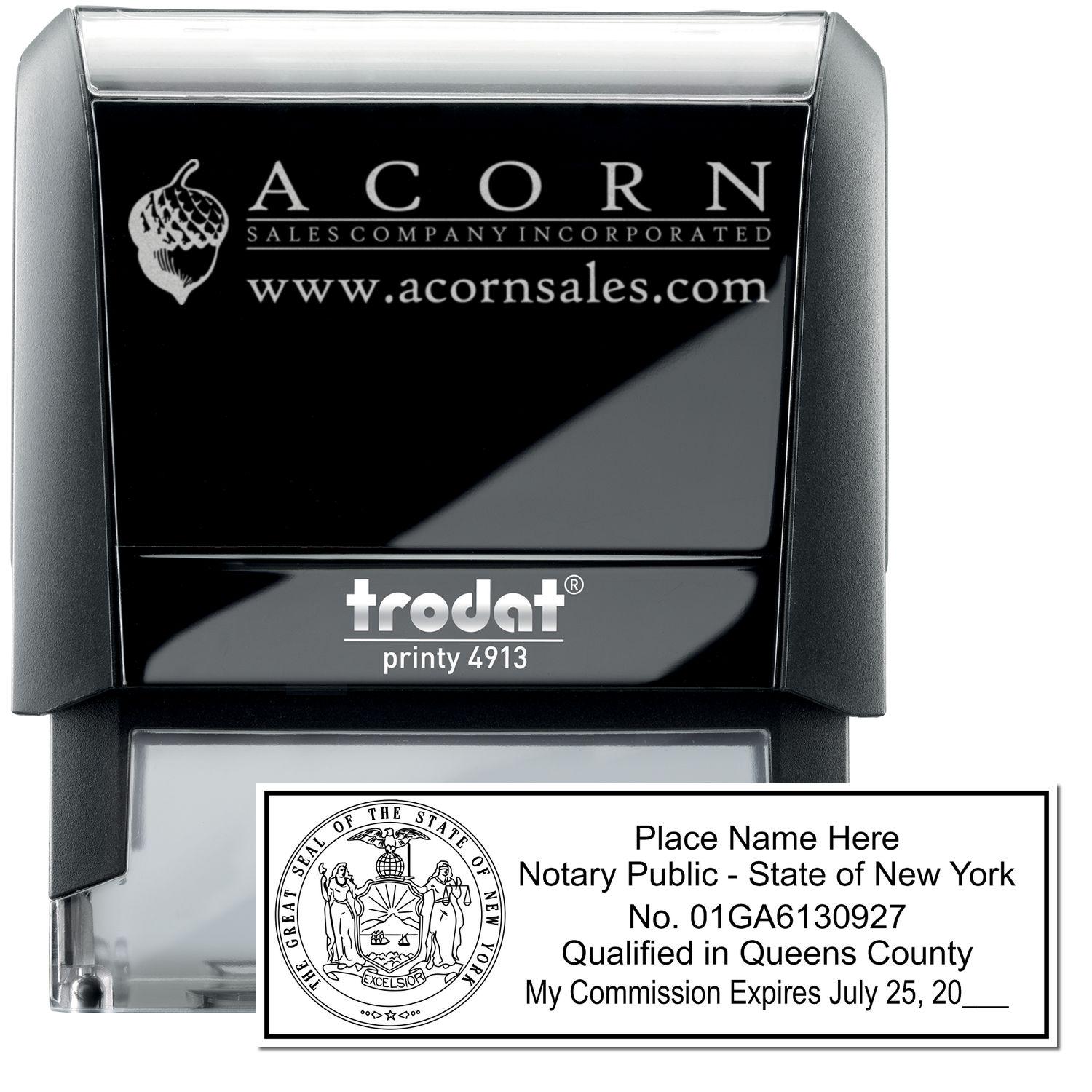
Choosing the right New York notary embosser can feel overwhelming, especially when you want to ensure every document you handle is perfectly stamped and meets state regulations. As a New York notary public, you rely on precise, professional tools to support your role in authenticating critical paperwork. An embosser is more than just a seal. It’s a reflection of your credibility, a safeguard against fraud, and a key piece of your everyday supplies.
In this guide, you’ll learn what makes an embosser legally acceptable in New York, how to spot quality features, and ways to select the ideal style for your notarial duties. Whether you’re newly commissioned or looking to upgrade, you’ll find all the information you need to make a confident buying decision.
Know The Basics Of New York Notary Embossers
A New York notary embosser is a specialized device that leaves a raised impression on paper, typically showing your name, the words “Notary Public,” and other required details. While many notaries also use inked stamps, embossers continue to be popular for their professional look and added layer of security. Because the embossing physically imprints the paper, it’s difficult for others to alter the document without leaving signs of tampering.
- Purpose: Verifies your authorization as a New York notary public
- Appearance: Creates a raised seal or impression on the document
- Security: Resists fraud because it physically changes the paper
Embossers help you meet the state’s official requirements by displaying your commission information in a clear, standardized manner. This ensures recipients — from government agencies to private firms — know your seal is legitimate.
Understand Why Quality Matters
From legal forms to financial agreements, every document you notarize should carry a crisp, professional seal. A subpar embosser might produce faint or uneven impressions, which can diminish your credibility as a notary public. Quality affects:
- Clarity: A clean impression makes your seal easy to read.
- Durability: Well-built embossers survive daily wear-and-tear without failing at critical moments.
- Consistency: High-quality devices produce uniform impressions each time, eliminating guesswork.
When your notary work demands accuracy and reliability, you need an embosser that never leaves anyone second-guessing its authenticity.
Check The Legal Requirements
Before you invest in a new embosser, it’s important to confirm that your seal design meets all New York State regulations. While specific requirements can shift, you generally need to include:
- Your name as it appears on your notary commission
- The words “Notary Public for the State of New York” or a variation required under current rules
- Your county of qualification (in certain cases)
- Any expiration date details if mandated
You’ll want to refer to the most recent resources from New York State’s licensing department to ensure your seal format is up to date. If you’re unsure, contact the issuing authority or consult an official state guide. Staying within the rules protects both you and the integrity of the documents you handle.
Explore Embosser Styles
Embossers typically come in various shapes and sizes, each catering to different practical needs. The two primary designs you’ll see are handheld and desktop (or desk) models. Yet within those categories, there are several style variations to consider:
- Handheld Pocket Embosser
- Handheld Long-Reach Embosser
- Desktop Standard Embosser
- Desktop Heavy-Duty Embosser
Each style offers unique features:
- Pocket Embosser: Small and portable, it fits easily in a bag or briefcase. Ideal when you rarely notarize outside your office but need the occasional on-the-go option.
- Long-Reach Embosser: Provides extra clearance for embossing deeper into a page. This offers more flexibility for document placement.
- Desktop Standard Embosser: Stays steady on a flat surface. Usually easier to press, delivering consistent impressions.
- Heavy-Duty Embosser: Often used by those with high-volume notarization tasks. Built to withstand repeated use without losing quality.
To narrow your choice, consider your environment and personal preferences. If you travel frequently to notarize documents, a portable design might be more convenient. On the other hand, if you mostly notarize from a single location, a desk embosser will keep everything secure and stable.
Consider Key Features
Not all embossers are created equal. Here are several important features you should look for before finalizing your purchase:
- Impression Depth: A deeper emboss is harder to replicate and typically looks more professional.
- Durability: High-grade metals or strong plastics can handle repeated use without bending or breaking.
- Ergonomics: If you’re used to stamping multiple documents, a comfortable grip and easy-to-press handle become essential.
- Alignment Guides: Some embossers include markings that help you position the seal precisely.
- Customization Options: Ensure your full notary details fit your embosser layout.
When shopping for a New York notary embosser, you’ll want a product that strikes a balance between performance and personal comfort. A device that’s too bulky or rigid might slow you down, while an overly lightweight model might lack the resilience you need for daily tasks.
Decide Between Handheld And Desktop
Choosing a handheld or desktop embosser largely depends on two main factors — your work volume and where you typically perform notarial duties.Handheld Advantages:
- Portable, takes up little space in a bag
- Quick to use for occasional, on-the-spot notarizations
- Often cost-effective, especially in basic designs
Handheld Drawbacks:
- Can be tiring if you’re pressing multiple documents each day
- Smaller handles may be trickier for those with grip or wrist concerns
Desktop Advantages:
- Greater stability during use
- Generally easier to press, which is helpful if you have to stamp thick documents
- Suitable for high-volume notary work, providing uniform impressions
Desktop Drawbacks:
- Less portable
- Might occupy more desk space
Weigh these points according to your routine. If you find yourself traveling to different offices or client locations, you might lean toward a handheld model. If most of your notarizations happen in one spot, a desktop variety can provide comfort and consistency.
Factor In Your Budget
Your notary embosser is an investment in your professional toolkit. The cost will vary depending on the style, material, and custom options you choose. While it’s tempting to focus solely on a low price, remember that you often get what you pay for when it comes to notary seals. A cheaper, flimsy device could fail mid-impression and force you to replace it sooner than expected.
- Basic embossers can start at a lower price point but may lack advanced features.
- Mid-range models often provide better grip and higher-quality construction.
- Premium or heavy-duty options are best for those who notarize large volumes daily.
Overall, set a budget that reflects your notary workload. A quality embosser pays for itself by performing reliably and boosting your professional image.
Choose The Right Supplier
Even the best product features won’t matter if you buy from a company that lacks expertise or reliable service. When choosing where to purchase your New York notary embosser, look for vendors with a solid reputation for trustworthiness, longevity, and strong customer care.
One top option is Acorn Stamps. Family owned and operated since 1964, Acorn Stamps has offered quality New York notary stamps and notary seals for 60 years — an impressive track record of satisfying customers across the state. Their product line covers everything from affordable, lightweight embossers to more robust, heavy-duty models. If you’re pressed for time, you’ll appreciate their super fast turnaround, so you can get back to business as soon as possible. Throughout it all, their friendly, helpful service staff is ready to guide you through the process and answer any questions that pop up.
Along with picking a supplier who knows the ins and outs of notary requirements, pay attention to return policies and warranties. A supplier that stands behind its products with a clear guarantee policy indicates confidence in quality. You’ll also want a company that updates its designs to align with the latest New York notary guidelines, ensuring every seal sold is always compliant.
Step-By-Step Ordering Tips
Ordering your new notary embosser can be quick and straightforward when you follow a few simple steps:
- Gather Your Notary Information
Make sure you have your official name and commission details, as stated on your legal notary documentation.
- Choose Your Embosser Style
Decide whether you want a handheld or desktop model. Consider your notarial volume, ergonomic comfort, and overall budget.
- Confirm Customization Options
Verify how your name will appear. Check if the supplier offers different border designs or font styles that are acceptable for New York.
- Check The Proof
Reputable suppliers usually provide a proof or preview of your seal design. Double-check the details for spelling accuracy and compliance with state rules.
- Submit Your Order
Once everything looks correct, finalize your purchase. If you choose Acorn Stamps, you’ll benefit from their fast turnaround, which means you won’t be left waiting for weeks. By taking these steps, you reduce the risk of typos or legal inaccuracies, ensuring you get a top-notch embosser every time.
Frequently Asked Questions
Am I Required To Use An Embosser In New York If I Already Have An Ink Stamp?
New York does not always require an embosser by law. However, many notaries keep both an ink stamp and an embosser for added professionalism and fraud protection. Plus, some clients may specifically request a raised seal, so having an embosser on hand can broaden the services you offer.
How Do I Keep My Embosser In Good Condition?
Maintenance largely comes down to careful use and storage. Avoid applying excessive pressure, which can degrade the device’s alignment. Wipe down the metal surfaces from time to time to remove dirt or debris. If your embosser starts producing fuzzy or shallow impressions, consider having it serviced or replacing worn parts.
Can I Emboss Any Part Of The Document?
You can place your notary seal on nearly any section of the document, but it’s generally best practice to keep it near your signature or near the notarial certificate text. Ensure there’s enough empty space so the seal doesn’t overlap important wording or signatures. Also, be mindful of any margins or placement guidelines your local recorder’s office may enforce.
Do I Need A Special Reverse Embosser?
In New York, standard embossers are generally sufficient. Reverse embossers — which emboss genealogical or decorative seals differently — aren’t typically required for notarial acts. Always confirm if the receiving party requests a particular style, but standard embossers are usually acceptable.
What Happens If I Move To A New County?
A: If you move to a different county in New York, you may need to update your commission details. Some notaries choose to replace their embossers if county information is included in the seal. You can contact the state’s licensing department or your local county clerk to determine if modifications are necessary. Always keep your seal details current to maintain compliance.
When you invest in a reliable New York notary embosser, you equip yourself with the right tool to perform your duties confidently, accurately, and efficiently. From fulfilling legal obligations to creating a professional impression on every document, a well-chosen embosser keeps you prepared for any notarial situation. If you’re ready to purchase, remember that Acorn Stamps stands out for its quality, speedy service, and time-tested experience dating back to 1964. By verifying your seal’s details, picking a design that suits your workflow, and maintaining it properly over time, you’ll uphold your notary commission with complete peace of mind.