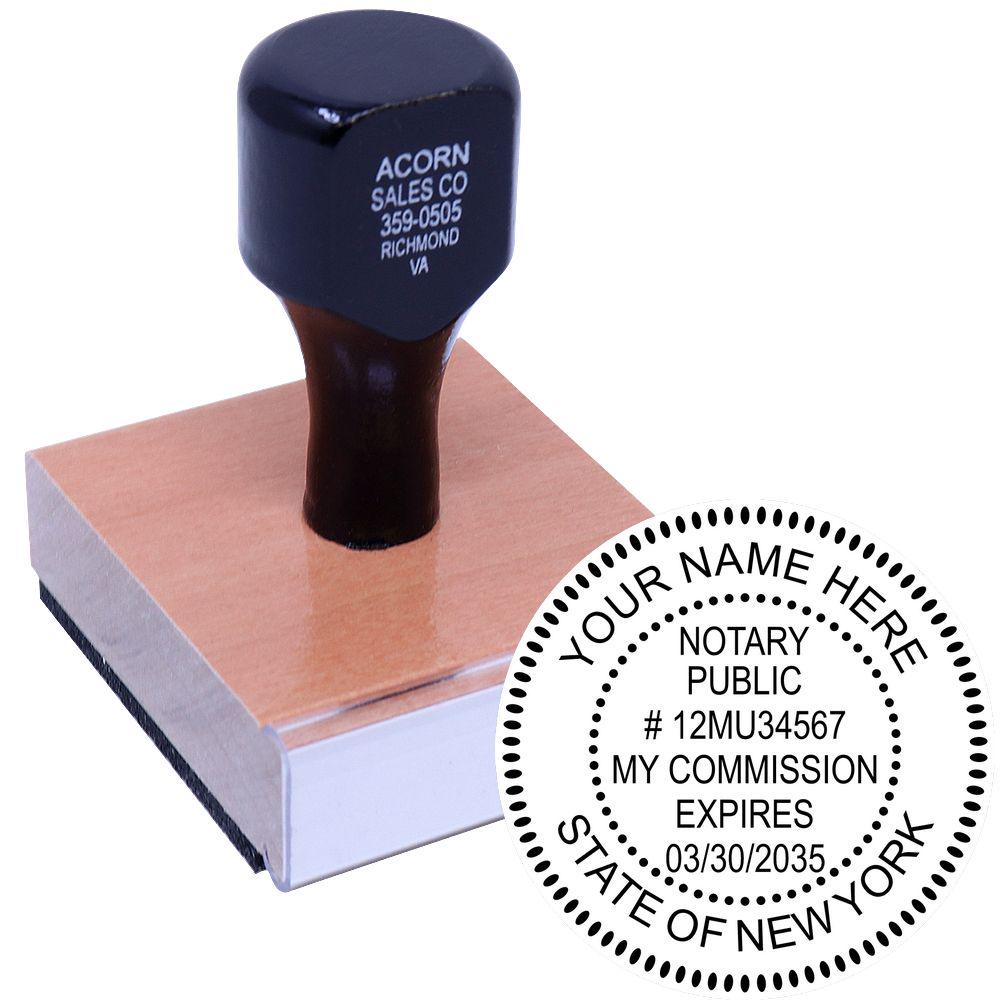
When you first become a New York notary public, one of the most crucial steps you take is understanding the New York notary stamp requirements. These guidelines ensure you follow state laws, protect yourself from liability, and present a professional image in every notarization you perform. By learning which details must appear on your stamp, how to keep your commission active, and the common pitfalls to avoid, you set yourself up for success in your notary career.
In New York, your official notarial seal (or stamp) carries weighty responsibilities. Every notarized signature you authenticate relies on the accuracy and clarity of this seal. If your stamp is missing certain information or if you use it improperly, you could risk invalidating a document or facing legal consequences. That is why taking a few moments to research and follow the correct stamp requirements can make all the difference. In this guide, you will discover the essential features of New York notary stamps, the mistakes that many notaries make, and how to protect your commission from unnecessary setbacks. You will also find tips for selecting a reliable supplier who can deliver your stamp according to the state’s guidelines. Whether you are a brand-new notary or looking to refresh your knowledge, this resource will help you steer clear of errors and maintain a smooth workflow. Remember, even a small oversight on your stamp can lead to complications down the line. By staying informed, you can confidently meet every stamping need, give your clients peace of mind, and uphold the integrity of your office.
Review Key Requirements
Your notary seal or stamp is more than just a simple tool. It is a testament to your standing as a public official authorized by the state of New York. Understanding exactly what the state mandates for your stamp is the first step to fulfilling your obligations and avoiding unnecessary delays or rejections.
- The Name On Your Stamp
Your stamp should include your exact name as it appears on your notary commission. If your legal name is “Jane A. Doe” on the commission, do not shorten it to “Jane Doe” or alter it in any way on your stamp. Consistency across all official documents prevents confusion or accusations of fraud.
- The Words “Notary Public” And “State Of New York”
These phrases are typically mandatory on a New York notary stamp. They indicate that you are recognized by the state to perform notarizations. Omitting them can lead to invalidated documents or time-consuming re-stamping.
- Commission Number (Optional But Recommended)
Some notaries opt to include their commission or license number on the seal. While not always required by law, providing it can make it easier for parties to confirm your credentials.
- Legibility
If your stamp is smearing or the text is hard to read, you may face issues. The entire seal must be clearly visible, and all details should be legible. Using high-quality ink and replacing worn-out stamps can save you and your signers a lot of trouble.
Taking these requirements seriously sets the foundation for your successful practice. You will avoid having to re-do notarizations or deal with frustrated clients. When you maintain a crisp, accurate stamp, you show that you respect both the role you serve and the documents entrusted to you.
Avoid Common Mistakes
Even when you are aware of the basic New York notary stamp requirements, small oversights can cause big headaches. Certain mistakes pop up frequently among new notaries, and a little preparation can help you sidestep them.
- Incorrect Or Incomplete Stamp Information
One of the biggest errors you can make is failing to include all the necessary wording on your stamp. Maybe you forgot to add “Notary Public” or left off “State of New York.” Before you order your stamp, cross-check everything listed on your commission certificate.
- Using A Faded Or Improperly Inked Stamp
If you notice your stamp’s imprint is barely visible or the letters are bleeding together, replace the ink pad or entire stamp device. A faint or smudged seal can be as problematic as no seal at all, since it might not stand up to scrutiny in a legal setting.
- Missing Dates Or Expiration
Some notaries like to include the commission expiration date on the seal to make it easier for clients to confirm your authority. If you choose to add it, keep it updated each time you renew. Relying on an expired date can mislead signers about your current standing.
- Stamping In The Wrong Area
You might think placement does not matter, but it does. In some documents, the stamp must appear near the signature or on a specific line indicated for notarization. Always verify that your stamp is in the right spot and not overlapping text or important fields.
- Not Double-Checking Before Sending
Minor slip-ups often go unnoticed until someone else flags them. Whether you are finalizing a loan package or attesting to a power of attorney, give everything a second look. You might catch a spelling error in your name or notice the seal did not fully imprint.
When you take a methodical approach, you minimize these common mistakes. This vigilance can save you from needing to re-stamp or re-notarize multiple pages, which in turn preserves your professional credibility.
Recognize Proper Stamp Layout
Layout is crucial to the functionality of your New York notary stamp. A neatly arranged seal communicates professionalism and helps others verify your credentials quickly. Even if the law only spells out certain requirements, you should aim for an organized imprint that visually conveys clarity and authenticity.
Elements To Include
- Your Name:
Always ensure your full name matches exactly with your notary commission. No nicknames or abbreviations unless specifically listed by the Department of State.
- State Information:
Phrases like “Notary Public” and “State of New York” highlight your authority. If you leave them out, people might question the legitimacy of your seal.
- Optional Details:
Some notaries in New York add their address or the county in which they reside. This practice can be helpful if you frequently notarize documents that require this detail, but it is not mandatory.
Layout Tips
- Centered Formatting
The text on your stamp often looks best when centered. This arrangement can make the imprint easy to read on the page.
- Readable Font
If your stamp vendor allows you to choose from several fonts, pick one that is simple. Decorative or overly stylized fonts can hinder legibility.
- Appropriate Sizing
The entire stamp should fit neatly within a section of the page without overlapping other text. Too large a stamp might obscure signatures or text. Too small a stamp might be unreadable.
By keeping these layout principles in mind, you ensure that every stamp you make leaves a strong, professional impression. Good design and correct wording go together to help you meet all legal standards without confusion or doubt.
Know Renewal Deadlines
Staying on top of renewal deadlines is one of the best ways to maintain your good standing as a New York notary public. Even if you have the perfect stamp and follow every state regulation, an expired commission can bring your notary activities to a sudden halt.
- When To Renew
In New York, notary commissions generally last for four years. You need to keep a close eye on your commission’s expiration date and start the renewal process well in advance. It is good practice to mark a reminder at least two months before expiration.
- Consequences Of Missing Deadline
If your commission lapses, you lose the authority to notarize documents. Any stamp you use after that date has no legal effect. You may also need to reapply from scratch if you go too long without renewing.
- How To Prepare
Renewing on time does not have to be complicated. Fill out the appropriate application when you receive renewal instructions or check the Department of State website for the correct procedures. Make sure your contact information is current so you do not miss any official notices.
- Updating Your Stamp
If your existing stamp includes an expiration date, order an updated seal with the new date once your renewal is approved. The last thing you want is to keep using a stamp that shows the wrong commission period.
Times can get busy, and it is easy to overlook a seemingly distant deadline. With careful tracking, you can avoid a gap in your commission and continue serving your community without interruption.
Select A Trusted Supplier
Your stamp is a vital part of your notary business, so choosing a reliable supplier is key. Locating a vendor who understands the New York notary stamp requirements can save you frustration and money, since you will not have to reorder or correct an inaccurate seal.
- Why Quality Matters
A higher-quality stamp leaves crisp, clean imprints, reducing the risk of smudges or unclear text. Durability also matters. Cheap materials might wear out quickly, forcing you to replace your stamp repeatedly.
- Consider Reputation
Look for vendors who specialize in notary stamps for your state. Read online reviews or ask other notaries who they use. You want a supplier who can quickly fulfill your order while adhering to New York’s guidelines.
- Look For Great Service
As a notary, your schedule can be busy and unpredictable. If issues arise or your stamp gets lost in transit, you want a supplier who will resolve the problem quickly. Good customer service can make the difference between completing a notarization on time and having to reschedule.
- Acorn Stamps Overview
At Acorn Stamps, you will find a top supplier of New York notary stamps and seals. Family owned and operated since 1964, Acorn Stamps brings 60 years of dedicated service to notaries nationwide. The ordering process is straightforward, and you can expect stellar customer service along with super fast turnaround times. If you need a new stamp or have questions about design, Acorn Stamps is here to help.
By partnering with a trusted vendor, you can guarantee that your stamp meets every legal requirement and arrives when you need it. A bit of research up front saves you the hassle of dealing with poor-quality stamps or unexplained delays.
Store Your Stamp Securely
Once you obtain a properly designed seal, your responsibility does not end there. You must also keep your stamp safe from unauthorized use. Storing your commission-related items in a secure location ensures you protect both your notary career and the privacy of the individuals whose documents you notarize.
- Designate A Safe Spot
Choose a locked drawer or cabinet in your office or home workspace. If you keep your stamp in a bag or briefcase, remember to remove it at the end of the day and lock it away.
- Avoid Shared Spaces
Limit who has access to your seal. If multiple people use the same desk or office area, it becomes easier for your supplies to be misplaced or misused.
- Track Usage
When you notarize documents regularly, you might stamp dozens of pages in a single week. Keep a record of your notarial acts. That way, if something goes missing or a discrepancy arises, you can verify each use.
- Replace When Damaged Or Lost
If your stamp is damaged, defective, or worse, lost, do not hesitate to replace it as soon as possible. Continuing to use a worn-out device puts the clarity of future notarizations at risk.
Safekeeping your stamp is just as important as understanding how to use it. Proper storage is an often-overlooked aspect of fulfilling your notarial duties, but it is essential for maintaining trust.
Keep Good Records
Recordkeeping is crucial to any successful notary practice. While some aspects of keeping a journal or log might be optional under New York law, diligently recording each notarization can protect you from potential disputes or legal challenges.
- Why Logging Matters
A detailed log provides a timeline of every notarization you perform. If someone questions the validity of a signature or an event date, your written record can help confirm the details.
- Items To Include
A solid record might list the signer’s name, the document type, the date and time of notarization, and any form of identification you observed. Ideally, you will also note the fee charged, if any.
- Digital Vs. Paper Journal
Some notaries prefer a traditional bound journal, while others use a secure digital platform. Electronic records can be convenient, but make sure they are backed up and that you follow the state’s privacy requirements.
- Consistent And Clear Entries
Any journal is only as good as its consistency. Record each transaction as soon as possible, not hours or days later. Legible handwriting or clear formatting will ensure you can verify these details if needed. Keeping a log of your work may seem time-consuming at first, but it quickly becomes second nature. You will thank yourself later if a signer wants to confirm that a particular mortgage or affidavit was notarized on a certain date. Good records also reflect your professionalism and dedication to upholding notary best practices in New York.
Frequently Asked Questions
Below are five commonly asked questions regarding New York notary stamp requirements. By clarifying these queries, you will feel more confident and prepared as you continue your notarial duties.
Do I Need A Notary Stamp If I Have An Embosser?
Although an embosser can add an official look, a notary stamp is typically required for most notarizations, especially if you want the seal to appear clearly on photocopies. Some New York notaries use both, but the stamp remains the primary tool for each notarization.
Can I Use A Self-Inking Stamp, Or Is A Rubber Stamp Better?
You can use either, as long as it meets state guidelines. A self-inking stamp can be more convenient since it re-inks itself, but a traditional rubber stamp can be equally effective if you take care to use quality ink. The key is making sure the imprint is legible and contains all legally required information.
Can I Let A Co-Worker Borrow My Notary Stamp?
No. You should never allow anyone else to use your stamp or seal. Only the notary whose name appears on the commission has authority to use that stamp. Unauthorized use can lead to serious legal consequences, including the revocation of your notary commission.
Is It Acceptable To Add Custom Artwork Or A Logo To My Stamp?
Generally, you should keep your stamp simple and aligned with state requirements. While some people like to personalize their stamp with a small logo, be cautious if it makes the required text hard to read. Prioritize legibility and compliance over aesthetic additions.
What If The Name On My Stamp Does Not Match My Legal Name Anymore?
If you change your legal name due to marriage, divorce, or any other reason, you have to update your notary commission and obtain a stamp that reflects your new name. Using the incorrect name on documents invalidates the notarization, so make these changes promptly.
Keeping your stamp and seal practices in line with state guidelines can take a bit of extra thought, but the payoff comes in the form of trust, credibility, and a solid professional reputation.
Whether it is about choosing the right layout for your stamp, renewing on time, or picking a reliable supplier like Acorn Stamps, each step matters to your long-term success. You serve an important role as a New York notary public, and every careful decision strengthens your bond with the community you serve. By staying attentive to your commission, following these requirements, and avoiding common pitfalls, you create a smoother path for yourself and a sense of security for every client who relies on your notarial seal.