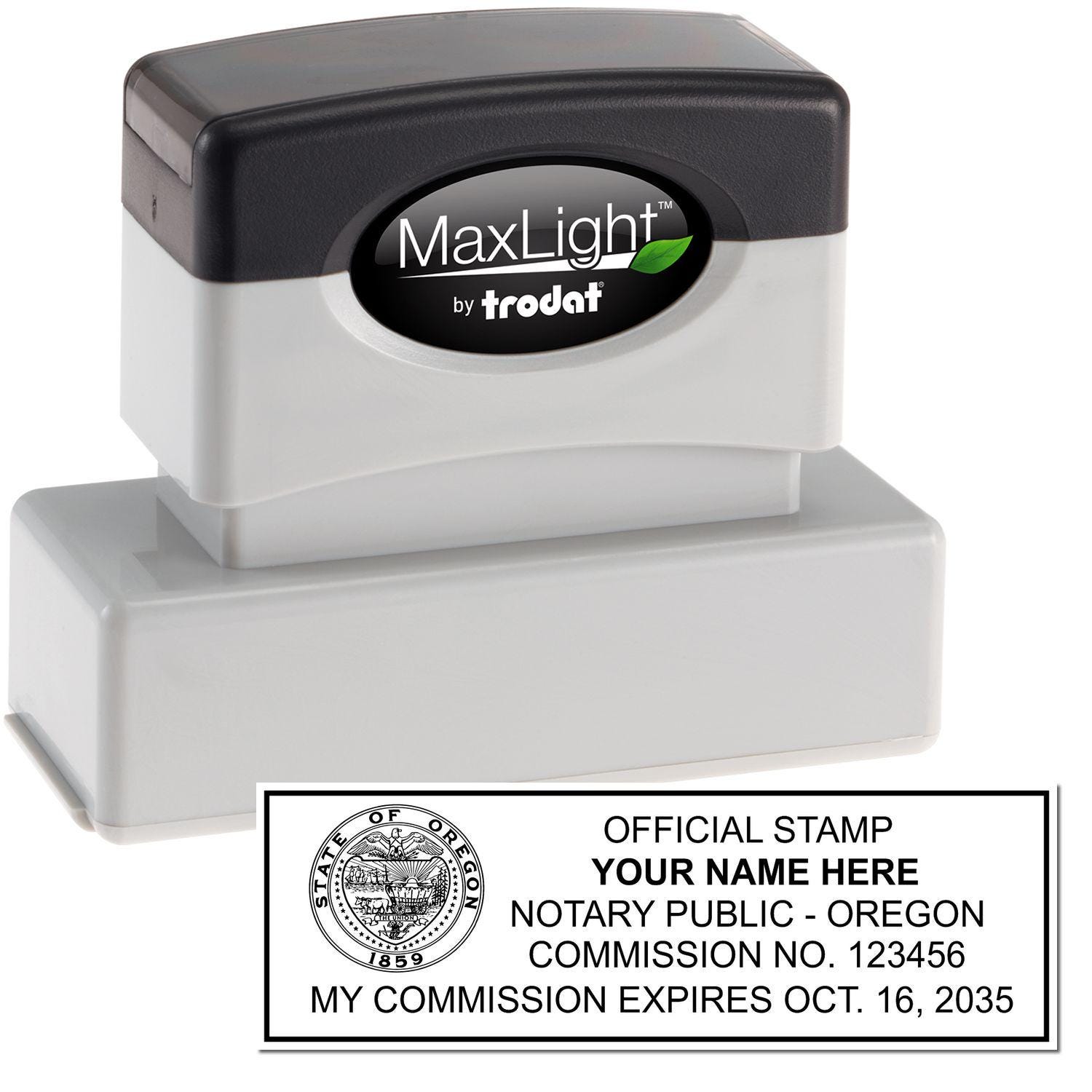
If you are becoming or already working as an Oregon notary public, choosing your Oregon notary stamp and seal is a vital step in ensuring that each official document you handle is verified and properly authenticated. From picking the perfect stamp design to maintaining your tools over time, you have plenty of considerations to keep in mind. In this guide, you will learn how to evaluate your options with confidence, streamline your notarial tasks, and keep your stamp and seal in tip-top shape. Whether you are new to the field or simply upgrading your supplies, these tips will help you select reliable notary items that meet Oregon’s requirements while reflecting your personal preferences.
Acorn Stamps has proudly served the notary community for decades. As a family owned and operated business since 1964, we have spent 60 years honing our craft in delivering Oregon notary stamp and seal solutions that balance practicality with top-tier quality. Our goal is to help you feel confident in your purchase and ensure that your documents always show a clear, professional impression. Below, you will find friendly, straightforward advice on how to select the right notarial supplies for your duties, including the best types of stamps, ideal ink colors, and factors to consider in your seal embosser.
Understand Official Requirements
As you research an Oregon notary stamp and seal, it is crucial to begin with the official instructions set by the Oregon Secretary of State. Regulations are subject to periodic updates, so it is always wise to check the latest guidance on how your notary seal should look, the permissible dimensions, and other usage guidelines.
Types of Required Information
- Notary’s Name: Your legal name must appear clearly, matching the name you registered when you first received commission.
- Commission Number: Oregon may require that your commission number is included on the stamp.
- Commission Expiration Date: Some notary stamps also include the date your commission ends to help keep signers informed.
By verifying and complying with these details, you will avoid complications and ensure the documents you notarize remain valid. Should you have any questions, you can consult official resources or reach out for clarification from trusted stamp providers like Acorn Stamps, where our experienced team can help you understand the ins and outs of Oregon’s notary stamp requirements.
Explore Different Types of Stamps
Notary stamps come in a range of designs and mechanisms. Some people prefer a classic wood-handle stamp, while others opt for more modern self-inking options. Knowing each style’s pros and cons helps you decide which works best for your workflow, storage needs, and personal preferences.
Wood-Handle Stamps
Wood-handle stamps have an old-school charm and a straightforward design. You will need a separate ink pad, which allows you to swap pads if you prefer different colors for certain documents. This style can be a cost-effective solution and is especially appealing if you appreciate a traditional, tactile approach to stamping.
Pros:
- Cost-friendly and simple
- Swappable ink pads available
- Classic look and feel
Cons:
- Requires a separate ink pad
- Not as quick to use as self-inking designs
Self-Inking Stamps
A self-inking stamp features a built-in ink pad that re-inks the die after each impression. If you handle high volumes of paperwork daily, this efficiency can be a big advantage. With a quick press, you are ready to stamp your next document in seconds. In addition, it generally leaves a uniform impression and keeps extra items, like an external ink pad, off your desk.
Pros:
- Convenient and quick
- Consistent imprint quality
- Less mess than using a separate ink pad
Cons:
- Potentially higher initial cost
- Needs replacement ink cartridges or pads periodically
Pre-Inked Stamps
Similar to self-inking models, pre-inked stamps are highly convenient. However, instead of using a rotating stamp die, the ink is contained in the stamp’s body and filters through the text plate upon pressure. They often deliver sharper, crisper impressions than standard self-inking styles. If you are focused on the details of your stamp’s clarity, pre-inked might be your best bet.Pros:
- Often the crispest impressions
- Typically long-lasting and durable
- Fast, seamless stamping without re-inking
Cons:
- Higher price point
- May require extra care to avoid drying out if not used frequently
Decide on Ink Colors and Stamp Impressions
Oregon guidelines generally allow for a variety of ink colors for official notary stamps, but you want to ensure that your stamp’s imprint is easy to read and capable of being photocopied or scanned. Most notaries opt for traditional black or blue ink. However, if your role often involves official documents that get scanned repeatedly, black ink tends to preserve a clear image in digital formats.
Considerations for Ink Colors
- Visibility: Black or blue typically stand out on paper.
- Document Type: If you regularly notarize legal paperwork, certain offices may prefer black.
- Personal Preference: Blue ink can help your stamp stand out from other text on forms.
As for impression clarity, the quality of your notary stamp or seal greatly impacts whether clients and agencies can properly read your credentials. Look for crisp lines and consistent depths of color for a professional finish. If your impression looks faint or uneven, it might be time to replace the ink pad or invest in a more reliable stamp.
Evaluate Seal Embossers
While an Oregon notary stamp and seal is often the most common tool, an embosser can add a distinctive visual touch. Embossers create a raised impression in the paper itself, making it more difficult to falsify or tamper with notarized documents. Before purchasing one, confirm whether the Oregon Secretary of State’s guidelines permit or encourage using an embosser in conjunction with your stamp.
Desktop vs. Handheld Models
- Desktop Embossers: Generally have a sturdy base and can handle higher volumes of documents without straining your hand.
- Handheld Embossers: Compact and easier to store or transport if you notarize documents outside a traditional office.
Depth and Impression Quality
When comparing embossers, pay attention to the mechanism’s pressure and alignment. You need to ensure the text, your commission number, and any other official details remain legible and consistent. A reliable embosser will deliver a crisp raised imprint every time, so your paperwork retains a professional look.
Look for Quality Materials
Notary work is crucial for legal and official transactions, so reliability is everything when you consider an Oregon notary stamp and seal. From the handle material on a wood-handle design to the durability of the casing in a pre-inked stamp, you want items that won’t wear out prematurely.
What to Prioritize
- Sturdy Construction: Seek stamps crafted from solid materials that can handle repetitive pressing.
- Ink Quality: Opt for reputable brands offering fade-resistant and consistent ink.
- Precision Cutting: The text on your stamp or seal must remain impeccably clear.
Acorn Stamps specializes in manufacturing and sourcing high-quality Oregon notary stamps and seals. Since our founding in 1964, we have seen firsthand the importance of using durable materials that stand the test of time. By investing in sturdy designs and focusing on precision, we aim to keep you stamping confidently with minimal maintenance or frustration.
Consider Customer Support and Turnaround Times
Between verifying your commission information and selecting the right style, ordering your notary stamp can feel a bit daunting. That is why customer support makes a real difference. Look for a supplier who understands Oregon requirements, answers your questions promptly, and ensures you neither overpay nor miss crucial details. Customer service is also vital if a product arrives with a defect or if you have trouble setting up your stamp.
Why Speed Matters
Life as a notary can be busy. Perhaps your commission date is approaching, or you have pending clients who need immediate service. In these situations, waiting several weeks for your stamp or seal is not ideal. A company that offers fast turnaround and reliable shipping can help you maintain momentum in your notarial responsibilities. Acorn Stamps is known for our stellar customer service and super fast turnaround, so you can rest assured that you will be stamping documents in no time.
Maintaining and Replacing Your Stamps and Seals
Every notary stamp or seal will show signs of wear over time. Thankfully, proper maintenance can significantly prolong its lifespan, saving you unnecessary costs and ensuring that your impressions remain clear and valid.
Tips for Having a Long-Lasting Stamp
- Store Carefully: Keep your notary stamp in a protective case or drawer to guard it from dust and direct sunlight.
- Re-Ink Regularly: If you notice the impression is getting weaker, replenish the ink sooner rather than later.
- Clean the Stamp Face: Occasionally, gently wipe away any debris or residue from both the stamp and the ink pad to maintain crisp impressions.
When to Replace Your Stamp
- Fading Text: If letters or numbers are becoming illegible, it is time to replace the stamp or the pad.
- Worn-Out Mechanisms: Self-inking and pre-inked stamps may eventually lose tension or alignment, affecting their performance.
- Regulation Changes: If Oregon modifies notary stamp requirements, you may have to update your stamp for legal compliance.
By keeping an eye on your stamp’s condition and planning replacements as needed, you remain in compliance with local guidelines and uphold the professionalism your clients expect.
5 FAQs About Oregon Notary Stamp And Seal
Below are some common questions from notaries looking to purchase and use Oregon notary stamp and seal tools in an efficient, compliant way.
Are Oregon Notaries Required To Use A Stamp Or Embosser?
In most cases, you are required to use a notary stamp containing specific information, such as your name and commission number. An embosser is typically optional but can help protect against document fraud. Always verify the current Oregon regulations to ensure you are compliant.
What Should I Look For In Ink Quality?
You want ink that creates sharp, readable impressions and resists smudging. Black or blue ink is preferred because it scans well and clearly contrasts with text on standard white paper. If you notice fading or inconsistent depth, it may be time to re-ink or replace your stamp pad.
How Long Does A Stamp Typically Last?
With proper care, a high-quality stamp can last several years. Longevity varies based on the volume of documents you notarize and how well you store and maintain the stamp. Re-inking self-inking or pre-inked stamps at the first signs of fading can help extend their lifespan.
Can I Personalize The Design Of My Seal?
Oregon notary seal designs must meet legal guidelines, which typically require specific text around the perimeter of the seal. While there may be limited room for customization, you will still have some freedom in selecting layout style and size, as long as you remain compliant with Oregon regulations.
Why Choose Acorn Stamps For My Oregon Notary Stamp And Seal?
At Acorn Stamps, we have been family owned and operated since 1964, meaning we bring over 60 years of service and expertise to help you get exactly what you need. We emphasize stellar customer service and super fast turnaround times, so you can get to work quickly and confidently.
We hope these insights guide you to a smooth and efficient selection process for your Oregon notary stamp and seal. A reliable, properly formatted stamp or seal not only reflects well on you as a professional but also ensures that every document you notarize bears the clarity and legality your clients depend on. If you ever need guidance, Acorn Stamps is here to offer knowledge, support, and a personalized approach to matching you with the perfect notarial tools. From traditional wood-handle stamps to modern pre-inked designs, we are dedicated to helping you make your mark as a respected Oregon notary. Remember to keep your supplies clean, stay alert for regulatory changes, and enjoy the confidence that comes from using a top-quality notary stamp and seal.