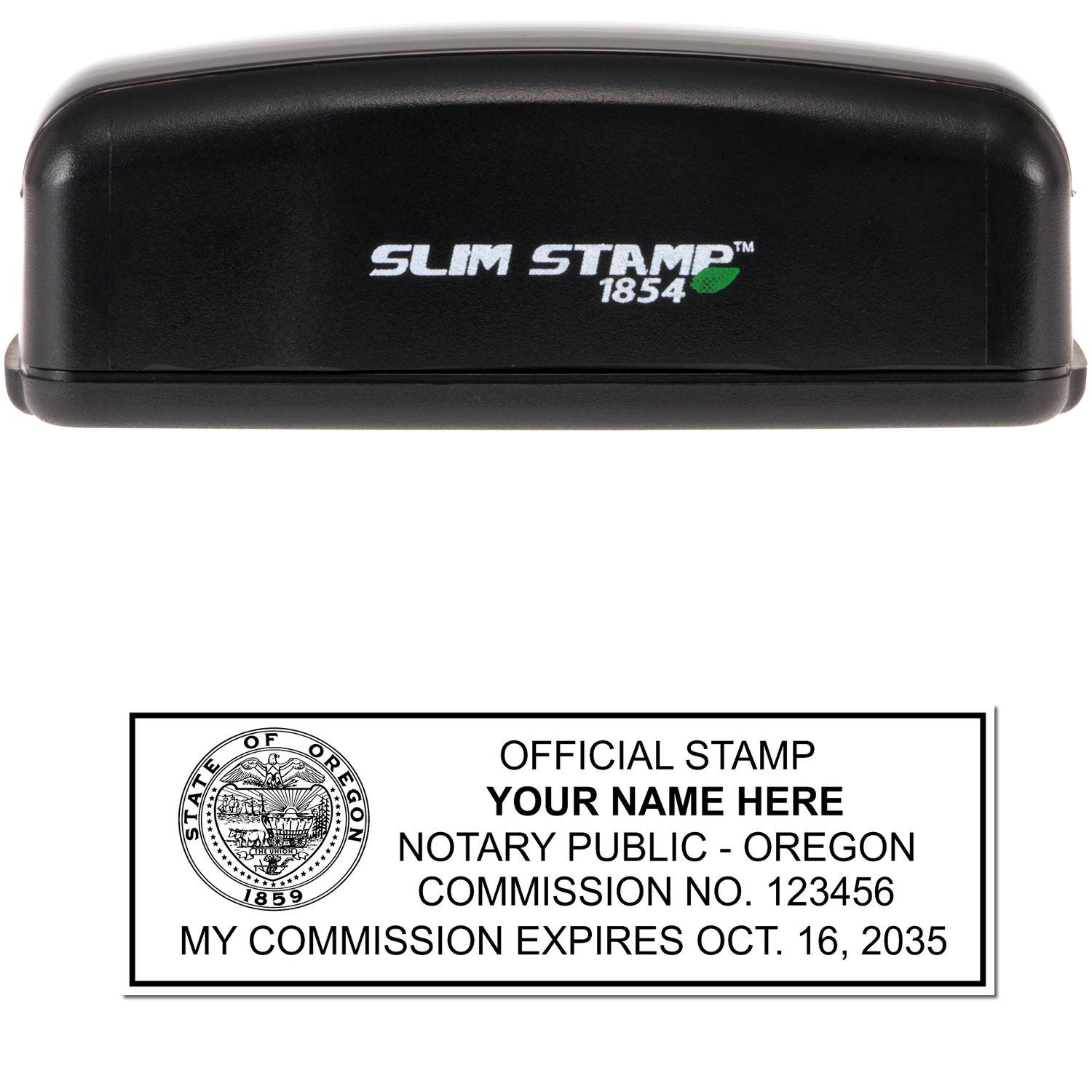
Having the right Oregon notary stamp in your possession is more than a formality. It is a key component of your daily work as a notary public in Oregon. From verifying documents to upholding the integrity of legal transactions, your notary impressions should reflect your commitment to accuracy and professionalism. By selecting a stamp that aligns with official guidelines and meets your personal preferences, you can ensure your notarial acts are seamless and recognized.
Below, you will find insights on Oregon’s notary stamp requirements, comparisons of different stamp and seal options, plus tips to keep your notarial impression crisp and clear. Whether you are just beginning your journey as a notary or looking to upgrade your tools, you will gain plenty of practical advice to help you feel confident every time you reach for your stamp.
Understand Oregon Notary Stamp Requirements
Before you invest in any Oregon notary stamp, it is essential to understand what the State of Oregon expects from you. The Office of the Secretary of State outlines specific guidelines that notaries must follow to produce valid, traceable, and uniform impressions.
About Commission Regulations
In Oregon, notaries are responsible for ensuring their stamp or seal clearly shows your name and the words “Notary Public – Oregon.” In addition, your notary commission expiration date and other identifying details must appear on your stamp or seal. Be mindful that when your commission is renewed, or if you change your name, you might need to replace your stamp so it remains compliant.
Keeping pace with these regulations protects both you and the public. When someone reviews a notarized document, they should see a consistent and verifiable impression confirming the notarial act was performed lawfully.
Why Compliance Matters
Compliance is more than just a box to check. As a notary public, you carry the responsibility of validating the authenticity of signatures, protecting parties against fraud, and upholding legal integrity. If your notary stamp is not compliant, you risk having documents challenged or invalidated. Maintaining the proper stamp format directly supports Oregon’s emphasis on clarity and trustworthiness in official documents.
When you adhere to all commission rules and regulations, you also build trust in your professional reputation. Clients or employers will appreciate your diligence, knowing you have taken every necessary step to keep your notary practice aligned with state standards.
Choose The Right Stamp And Seal
Once you know the rules around what needs to appear in your stamp impression, you can narrow down the style that best suits your workflow. Selecting an Oregon notary stamp or seal often comes down to personal preference, ease of use, and how frequently you perform notarizations.
Self-Inking Stamps
A self-inking stamp contains its own ink pad and generally provides a sharp, clean impression with minimal effort. You simply press down, and the stamp automatically transfers ink to the page. This style is popular because of its convenience and speed. If you conduct multiple notarizations in a single day, you will appreciate how self-inking stamps streamline repeated stamping without constantly re-inking.
When selecting a self-inking stamp, make sure the text is legible and your commission details align with Oregon’s requirements. You may also want to opt for a model that uses refillable ink pads. Refillability ensures you can maintain consistent impressions and avoid the fading that comes with long-term use.
Embossers
In addition to a traditional inked stamp, you can also use an embosser to highlight your notarial authority. An embosser raises the paper to create a seal, adding a tactile element to a notarized document. Many Oregon notaries like to include both an ink stamp and an embossed seal on official paperwork, since it creates a tangible mark of authenticity that is harder to replicate.
Keep in mind that Oregon typically requires the inking details to be clearly visible on photocopies. While an embosser provides a classic look and feel, it must be used in conjunction with a properly formatted ink stamp or an embosser that leaves inked impressions. This helps maintain compliance and ensures your seal is visible on copies.
Make Your Stamp Impression Stand Out
Even the most carefully chosen Oregon notary stamp can produce inconsistent results if you do not follow best practices. From storing the stamp in the right conditions to learning the proper stamping pressure, each detail counts when it comes to keeping your notarial seal crisp and professional.
Clarity And Readability
Clarity is the foundation of every notarized imprint. You never want a client or third party to question the authenticity of your documentation because they cannot read your name or see the commission details. Always confirm your full name appears exactly as it is on your commission certificate. If your commission date is part of the imprint, it must remain sharp, smudge-free, and easy to see.
A consistent stamping surface ensures you do not skew the impression. Try to avoid stamping over wrinkles or folds in the paper. Whenever possible, stamp on a smooth, flat area with firm support beneath it. This allows you to apply even pressure, preventing faint or blurred text.
Caring For Your Stamp
Regular care keeps your notary stamp working reliably. If you have a self-inking model, keep an eye on the ink level and change or refill it as soon as it starts to lighten. Clean the stamping surface periodically by pressing it gently onto a piece of scrap paper to remove any build-up of dust or dried ink that could compromise the impression.
If you are using a separate stamp pad, secure the lid after each use to reduce ink evaporation or contamination. Some notaries store their supplies in a sturdy pouch or case that protects the impression area from dirt or damage. By taking these simple steps, you extend the life of your notary equipment and ensure every stamping remains clear.
Benefit From Expert Guidance
Sometimes, finding the perfect balance between official requirements and personal preference can feel overwhelming. Whether you are a brand-new notary or an experienced professional, working with a reliable supplier can make a world of difference.
Where Acorn Stamps Shines
Acorn Stamps has been a family-owned and operated business since 1964, providing top-quality Oregon notary stamps and seals. With over 60 years of service under their belt, they understand the ins and outs of notary regulations in Oregon, ensuring your stamp is both compliant and user-friendly. When you choose Acorn Stamps, you can expect:
- A thorough range of notary stamp designs that fit the state’s guidelines and your personal preferences
- Stamps crafted for consistent, clear impressions
- Durable materials that stand the test of time
You will also find that Acorn Stamps is always ready to answer your questions. From clarifying commission rules to helping you pick the right stamp size, their team is dedicated to guiding you in making the best choice.
Customer Service And Turnaround
In addition to meeting quality expectations, fast turnaround can be critical if you need your notary supplies before your next big signing. Acorn Stamps values your time, processing orders with a promptness that lets you keep your notarial commitment uninterrupted.
Should you need any changes after placing your order, or if you have concerns about the final product, their responsive customer support has you covered. You can trust you will be speaking with people who truly care about your satisfaction and want you to feel proud of every notarial act you complete.
Additional Best Practices For Oregon Notaries
Taking good care of your stamp and meeting state requirements are key steps. However, there is more you can do to enhance your notarial practice. By adopting a few additional routines, you demonstrate both professionalism and commitment to maintaining Oregon’s standards.
Recordkeeping And Security
In Oregon, you must maintain a notary journal to track your acts. Keeping meticulous records is essential in the event of any legal or procedural questions down the road. Make sure to log each notarization, including the date, the type of document, and the signer’s identity. You might also want to note specific details of the stamp impression if something unusual occurs.
Security is equally important. You should store your notary stamp in a secure location that is out of reach of unauthorized individuals. Consider a locked drawer or cabinet. If you leave your stamp unattended, there is a risk it could be misused, with severe legal implications for you and any defrauded parties.
Updating Your Stamp Over Time
Your Oregon notary stamp is not a one-time purchase. If you change your legal name or renew your commission, you will need to adjust the information on your stamp. Staying proactive about updating your stamp helps you avoid any unexpected compliance shortfalls.
Set a reminder before your commission expiration date. Order a new stamp in plenty of time to handle any shipping or production delays. This way, you never have to face a gap in your ability to notarize documents. Should your name or business address change, treat that as an opportunity to evaluate if you also need an updated embosser or an additional stamp pad.
FAQs About Oregon Notary Stamps
Below are answers to some of the most common questions Oregon notaries ask when they begin shopping for or upgrading their stamps:
How Often Should You Replace Your Oregon Notary Stamp?
If your stamp begins to produce incomplete or faded impressions, consider re-inking or replacing it. Additionally, you must replace your stamp promptly when your commission details change (e.g., name change or renewed commission). Always verify your information is accurate to avoid invalidating any notarized documents.
Is An Embosser Required Along With An Ink Stamp?
While you can use an embosser as a complement to your ink stamp, Oregon primarily requires a notary seal that includes legible text. If you prefer an embosser, make sure you also meet the requirement for clear, inked impressions or choose an embosser that leaves behind ink on the page.
Can You Use A Pre-Inked Stamp Instead Of A Self-Inking Stamp?
Yes. Pre-inked stamps and self-inking stamps both offer quality impressions. A pre-inked stamp typically provides even crisper details but might require a moment to let the ink soak into the paper. Self-inking stamps are popular for speed and convenience. Either option is acceptable as long as the design complies with Oregon guidelines.
What Happens If The Ink Smudges On The Document?
If the ink smudges and makes the notarial details illegible, you will likely need to re-stamp on a new copy of the document. Oregon requires that all information in the notarial seal is clearly visible. In some cases, you may need to complete the notarization process again to ensure every detail is captured correctly.
Why Choose Acorn Stamps Over Generic Suppliers?
Acorn Stamps combines decades of experience with personal, friendly service. Being family owned and operated since 1964, they have a deep understanding of Oregon notary requirements and continuously refine their products based on customer feedback. Their fast turnaround, attentive support, and trusted product quality ensure you receive a stamp you can rely on for every notarization.
By keeping these answers in mind, you can tackle everyday challenges with confidence. Your notary stamp is a reflection of your professionalism, and with the right supplier and proper care, it can serve you effectively throughout your commission.
Use your Oregon notary stamp as a tool to represent authenticity, trust, and accuracy. From understanding state regulations to selecting the right style and caring for your supplies, you now have a solid roadmap for making your mark. Embrace the peace of mind that comes with a crisp and compliant notary impression every time, and head into each notarization ready to uphold Oregon’s standards. Whether you are stamping one document a month or notarizing countless papers daily, the right approach and a quality stamp will set you up for continued success.