Navigating the ins and outs of New York notary seal requirements can feel daunting, especially if you are just launching your notarial career. You might wonder which design features are essential, how to place your seal properly, or what steps can keep you compliant year after year. By understanding the basic rules and best practices, you set yourself up for success so you can confidently notarize documents for your clients. This guide explores the most important aspects of New York notary seal regulations and shows you how to avoid common errors. Along the way, you will discover tips for selecting high-quality supplies that stand the test of time.
Understand Notary Seal Basics
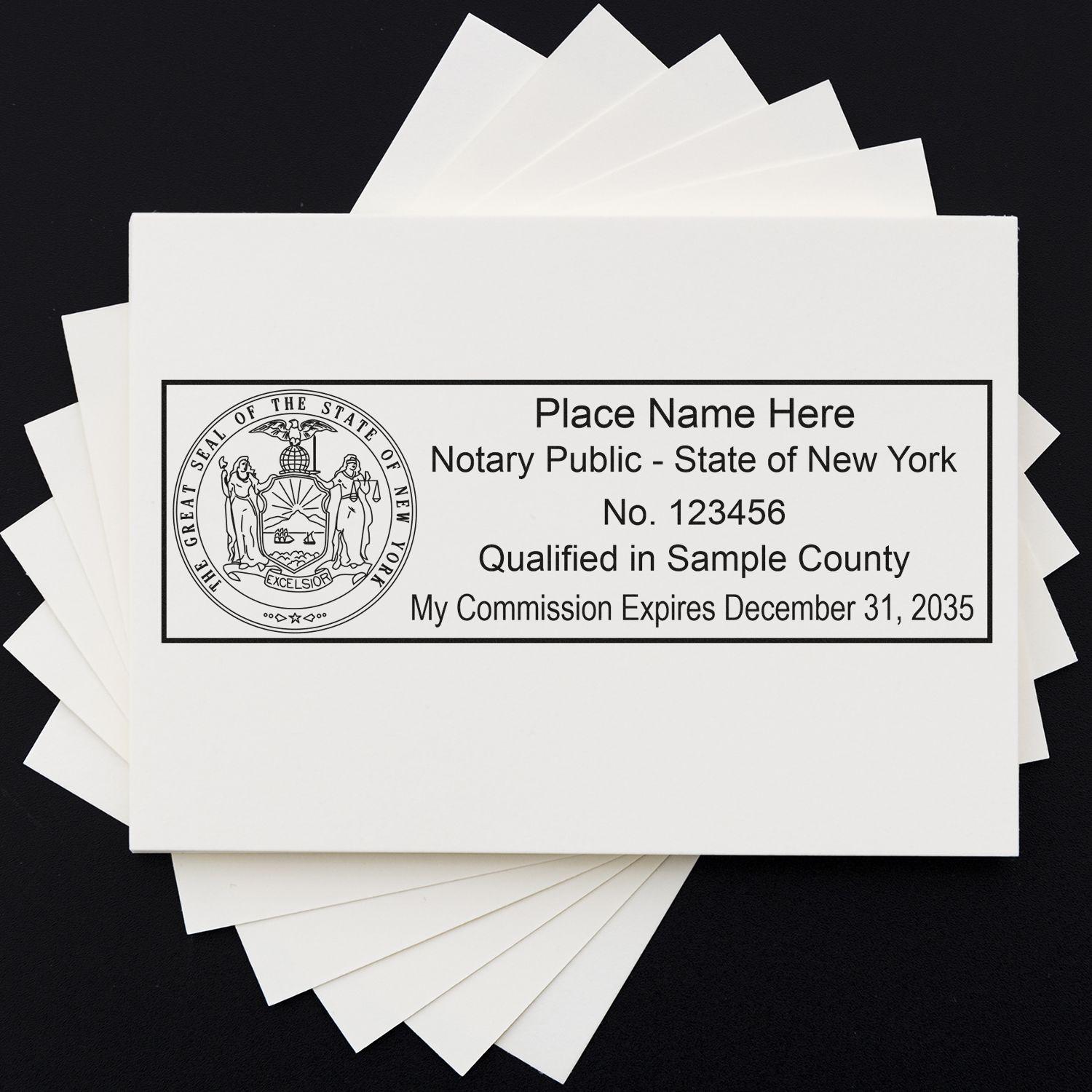
Your notary seal is a fundamental part of your official duties. It authenticates every document you notarize, helping to ensure its validity. In New York, the State requires that any official seal you use adheres to specific guidelines. You must typically include your name, your title (Notary Public), and the words “State of New York.” Many notaries choose to add optional details such as their license number or commission expiration date. However, confirm with the relevant statutes or the Department of State to ensure you include exactly what is required while avoiding anything unnecessary.
Complying with New York notary seal requirements not only showcases your professionalism but also protects the legal standing of the documents you notarize. Because your seal leaves a clear impression on the page, it makes your role unmistakable and helps prevent fraudulent document alteration. It also reassures signers that their documents are being handled with diligence and care.
Using an Inked or Embossed Seal
When it comes to the physical characteristics of your seal, you can choose from two main types:
Inked Stamp:
- Commonly used for quick, efficient stamping.
- Creates a clear, easily readable mark in ink.
Embosser:
- Produces a raised impression on the paper.
- Adds a classic, more formal feel to the document.
Depending on personal preference, you might keep both an inked stamp and an embosser on hand for different client needs. Just ensure each device you use meets the guidelines for your name and state details.
Explore Key Components
Before you order or use a seal, make sure you understand the components every New York notary seal should display. The clarity of this information often determines whether a notarized document holds up in legal or administrative processes.
Name and Title
Your full name, as it appears on your notary commission, is crucial. Properly reflecting your name prevents any confusion about the identity of the notary. You must also incorporate your official title, “Notary Public.” Some states require specific abbreviations, but in New York, “Notary Public” is the safest and most recognized language to use.
State Identification
Including the words “State of New York” is typically essential. This simple line of text quickly indicates your jurisdiction. It lets individuals and agencies know that you are authorized to notarize documents within New York.
Optional Elements
While not strictly required, notaries sometimes include their commission number or commission expiration date. Doing so can make record-keeping more efficient and reassure document recipients that you are in good standing. However, always verify where you are allowed to place these details. In some cases, crowding too much information onto the seal could make it harder to read.
Verify Placement And Usage
Even if your seal has been crafted to the exact specifications, you need to use it correctly on legal documents. Proper placement is vital for clarity. For instance, stamping over signatures or text can obscure critical information, making the document harder to read or process. To keep everything in good standing:
- Place your stamp near your signature, in a clearly visible space.
- Make sure the seal is entirely on the page, not halfway off the margin.
- Avoid overlapping words, logos, or official text where possible.
Re-Stamping Tips
Now and again, you might need to restamp certain documents if the first stamp doesn’t come out clearly. The best approach is to cross out or void the unclear seal carefully (if allowed by the receiving agency) and then place your fresh stamp in a different, open area. This simple step helps prevent confusion, ensuring the document remains easily interpretable.
Avoid Common Pitfalls
Working to meet New York notary seal requirements can feel confusing, but a few common mistakes often trip up new notaries. By recognizing them now, you can steer clear of trouble and keep your practice running smoothly.
- Using an Outdated Seal
Some notaries keep using an old seal after updating their name or renewing their commission. Always order a new seal as soon as your information changes.
- Inconsistent Information
If the name on your seal doesn’t match the one on your commission or your signature, you open yourself to legal risks. Double-check that all official documents and devices align perfectly.
- Failing to Keep Records
Maintaining a notary journal is not strictly required in New York, but it’s highly recommended for your protection. Track each notarization carefully, noting the details and the type of seal used.
- Incorrect Ink Color
If you use an ink stamp, verify the recommended ink color. While many notaries use black, certain situations may call for blue ink. Check regularly with recipients or consult current regulations.
Staying vigilant about these common pitfalls can save you countless hours of stress and potential legal complications.
Secure Your Notary Supplies
Properly securing your notary stamp and other supplies is essential. From day one, treat your seal the same way you would treat a sensitive financial instrument. Unauthorized use of your stamp can lead to severe consequences, including potential legal liability for any fraudulent notarizations performed with it.
Storage Recommendations
- Keep your stamp in a locked drawer or safe, away from casual visitors or family members.
- If you use a portable bag for mobile notary services, consider a small combination lock for extra protection.
- Never leave your seal unattended at a client’s home or public location.
Handling Digital Copies
In today’s evolving notarial landscape, digital notarization options also exist. In certain cases, you might want to digitize your seal or use an electronic form of it. Always conform to New York State guidelines for online or remote notarization. If you move to an e-seal, treat the digital file with the same care as a physical stamp, using strong passwords or encryption if possible.
Maintain Your Professionalism
Following New York notary seal requirements is only one aspect of being a good notary. Your professional conduct and diligence let clients know they are in trustworthy hands. Adopting a few best practices further cements your reputation.
- Dress and behave professionally during appointments.
- Double-check identification documents thoroughly.
- Offer a clear explanation of your notarial acts to put signers at ease.
- Stay updated on any changes to notary law in New York.
Ongoing Education
Even if you have been a notary for decades, the rules can shift over time. Whether it’s a new piece of legislation or a procedural tweak, keeping your knowledge current protects both you and your clients. Track official updates or consider joining notary associations for timely alerts and helpful resources.
Choose A Trusted Supplier
The quality of your notary seal plays a significant role in how well it meets state requirements. Flimsy or poorly designed seals might leave incomplete impressions or degrade quickly with frequent use. That is why it is so important to choose a reliable supplier who knows exactly what you need as a New York notary.
At Acorn Stamps, you will find top-quality New York notary stamps and seals enhanced by stellar customer service and super fast turnaround times. We have been family owned and operated since 1964, which means we bring 60 years of experience to every seal we produce. Whether you prefer a classic embosser or a self-inking stamp, our goal is to craft a product that delivers crisp, professional impressions again and again. If you ever have a question about compliance or customization, our knowledgeable team is on hand to guide you to the right solution.
What Sets Acorn Stamps Apart
- Specialized Knowledge: Our years in business mean we understand New York’s unique notary seal requirements inside and out.
- Personalized Service: You can discuss your preferences or questions with a real person. We will ensure your seal reflects your name and title properly.
- Speed and Quality: We do not cut corners. You receive a durable product without having to wait weeks for it to arrive.
Depending on your notarial needs, you might also want to invest in a backup stamp. Having an alternate seal on hand can help you manage unexpected malfunctions or other issues. Acorn Stamps offers multiple configurations to suit your style and budget.
Review Key Takeaways
Being well-prepared and informed is the best way to honor your responsibilities as a New York notary. By applying a few straightforward principles, you will find it easier to stay compliant and provide high-quality service:
- Embrace Clarity: From ensuring your name matches your commission exactly, to placing your seal in a clean space on the document, clarity is key.
- Stay Organised: Track every notarization in a journal or e-record. Renew or replace seals promptly whenever your information changes.
- Protect Your Tools: A securely stored seal helps prevent misuse and the potential legal ramifications that come with it.
- Remain Informed: Keep up with the latest notary regulations in New York and seek out educational resources.
- Choose Quality: A well-made seal can last for years, leaving crisp impressions that uphold the document’s integrity.
With these essential steps, you can feel confident that you are fulfilling your role as a notary public in New York to the highest standard.
Frequently Asked Questions
Do I Need a Notary Seal Even If I Rarely Notarize Documents?
Yes. Whether you notarize one document a month or dozens a week, you are required by New York law to have a proper notary seal (or stamp) that meets state guidelines. It is a crucial element of your commission.
Can I Use a Seal from Another State?
No. Your notary seal must indicate “State of New York” to reflect your commission. Using a seal or stamp from a different state can invalidate the document and cause compliance issues.
What if My Seal Impression Is Faint or Crooked?
If the impression is unclear, you can void or cross out the faulty stamp (if easily done) and restamp on a clean area of the same page. Make sure to note any corrections in your records. A high-quality stamp from a trusted supplier can help minimize such errors.
Should I Include My Notary Registration Number on the Seal?
It is optional but sometimes recommended. Including your notary registration number or commission expiration date can help recipients verify your standing at a glance. Check current regulations to ensure you position this information correctly.
How Do I Replace a Lost or Stolen Notary Seal?
If you lose your seal or believe it is stolen, inform the relevant authorities immediately. You should then order a new seal right away, making sure the old one is no longer in use. Keep a close eye on your records to watch for any suspicious notarizations.
By staying up to date with New York notary seal requirements and using high-quality supplies, you can provide reliable, efficient service to everyone who depends on your professional expertise. Remember to keep your stamp secure, apply it accurately, and stay informed about any regulatory changes. When in doubt, consult trusted resources, and consider investing in a well-crafted seal from a reputable provider like Acorn Stamps. Your attention to these details underscores your commitment to integrity and client satisfaction.