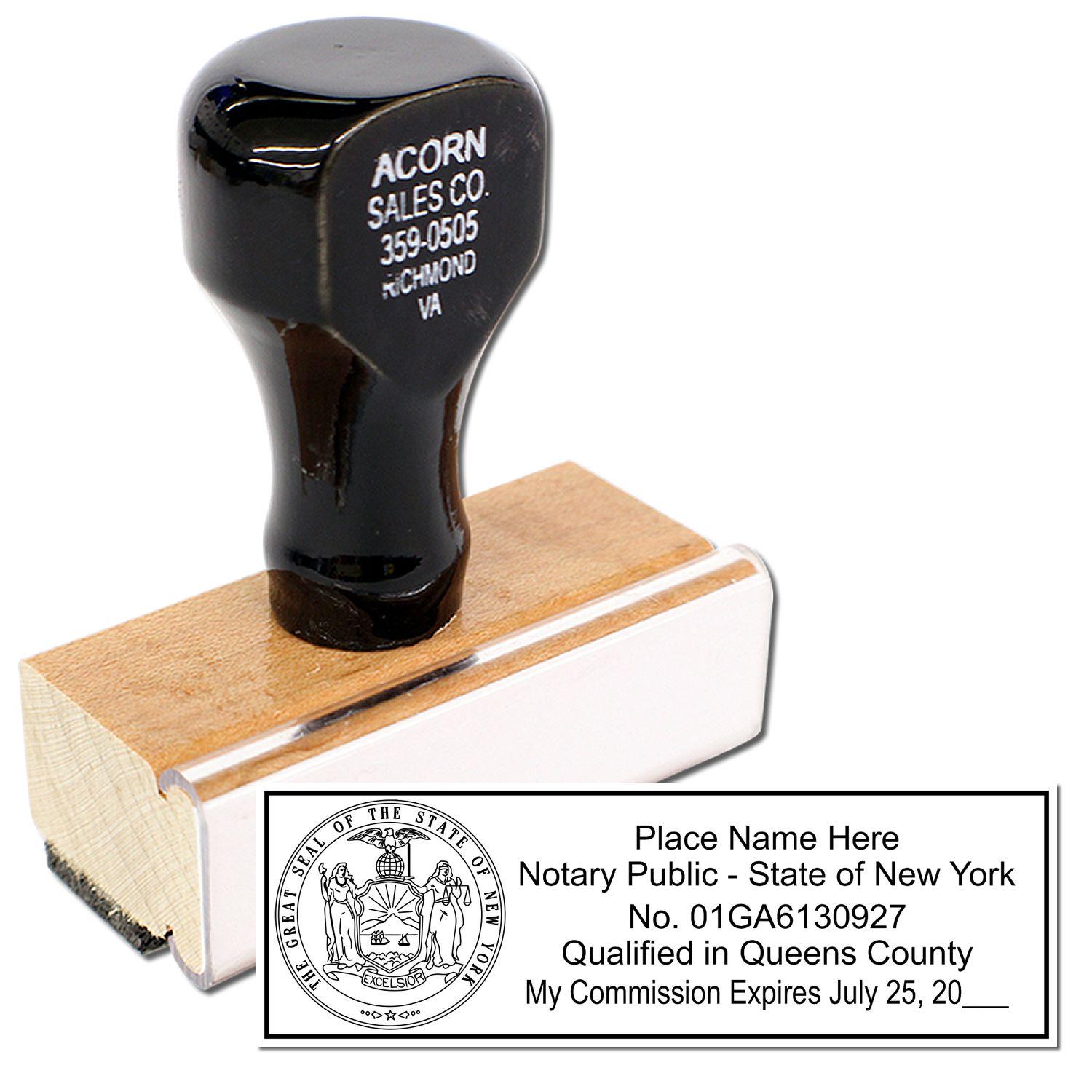
Understand the Purpose of a New York Notary Stamp and Seal
When you become a notary public in New York, you take on the responsibility of verifying signatures, administering oaths, and helping uphold important legal procedures. As part of that duty, you rely on your New York notary stamp and seal to authenticate documents and provide a visible mark of legitimacy. This stamp and seal represent your authority—and, by extension, trust the public places in you.
Your notary stamp isn’t just a rubber tool. It’s a statement that you’re authorized by the state of New York to serve the community. Anytime you notarize affidavits, contracts, or other legal documents, you need this official imprint to certify that the document is valid and that the signer’s identity has been verified. Without it, you risk confusion, legal disputes, or rejections of the important paperwork you are entrusted to handle.
Even if you’ve only just completed the legal requirements to become a notary, you likely already know that your notary stamp and seal are cornerstones of your practice. They’re how you “make your mark” on every single document, ensuring every signer and every authority recognizes the legitimacy of the documents you notarize.
Meeting New York’s Specific Requirements
Notaries across the United States may share common duties, but when you work in New York, you need to follow specific state regulations for your notary stamp and seal. These regulations exist to keep documents consistent, prevent fraud, and make sure everyone can easily identify when a document has been notarized.
New York Notary Stamp Essentials
- The stamp generally must include your name and the words “Notary Public, State of New York.”
- Some notaries also use an additional seal for extra clarity or as a professional touch.
- You must always keep your stamp and seal secure, so no one else can use them in your name.
While state law does not always require an embossed seal, many notaries opt to have both a stamp and an engraved seal for added authenticity. In some cases, you might see notaries combining an ink stamp for the primary officiation with a raised foil seal for an official or ceremonial impression.
Detailed Record-Keeping
Along with a reliable notary stamp, you’ll want to maintain a detailed notary journal or record book. Though New York does not explicitly require a journal for every notarial act, keeping a record of your notarizations can prevent future complications. It provides documentary proof that you executed the notarization properly and that you verified the signer’s identity. This record-keeping practice also helps reinforce the professionalism you bring to your role.
Important Features to Consider
Choosing the right notary stamp and seal might seem straightforward, but the quality of the product you use can drastically affect its clarity, durability, and overall impression on official paperwork. Here are some features you should always keep in mind when shopping.
Legibility
A crisp, clear imprint is vital for every notary stamp. If the text is blurry or off-center, documents could be rejected. Look for stamps that use high-grade rubber or polymer, ensuring the details stay sharp no matter how many times you use it. Your name, your commission number, and the words “Notary Public, State of New York” must be easy to read.
Durability
When you’re stamping documents several times a day, durability matters. The frame or body of the stamp should be made of quality materials that can stand up to daily wear and tear. Metal frames tend to be more robust, but even some heavier plastic frames work well if they’re designed to handle regular pressure. For seals, the embossing device should be made of sturdy metal with precision-etched plates to create a clear raised impression.
Compactness and Portability
As a New York notary public, you might find yourself traveling to clients’ homes, offices, or even hospitals to perform notarizations. That’s why having a portable stamp that fits easily in your bag can be a game-changer. Compact designs prevent the stamp from smashing into things or leaking ink on your paperwork.
Ink Quality
While a standard black ink pad is often sufficient, some notaries prefer faster-drying or specialized ink to accommodate a variety of document papers. If you notarize frequently, you might opt for a self-inking stamp that re-inks itself each time. That way, you avoid smudges and ensure the imprint always looks professional.
Finding the Right Provider
The company from which you purchase your stamp and seal can make a huge difference in your day-to-day notary activities. You need a partner who prioritizes quality, reliability, and fast shipping so you don’t waste time waiting for essential supplies.
For over 60 years, Acorn Stamps has been a trusted source for notary supplies in New York. As a family-owned and operated business since 1964, Acorn Stamps prides itself on stellar customer service and super-fast turnaround. When you order a new york notary stamp and seal from Acorn Stamps, you’ll receive products that meet state requirements, hold up under frequent use, and carry the professional look you expect.
Care and Maintenance
Your notary stamp and seal should be more than just functional tools. Taking proper care of them helps preserve their clarity, ensures consistent impressions, and extends their service life.
Clean Your Stamp and Seal Regularly
- Wipe away excess ink or dust with a lint-free cloth.
- Check the rubber or polymer printing surface to clear away debris that might impact the next imprint.
- For seals, occasionally inspect the metal plates to ensure they aren’t bending or wearing down. Slight warping may cause incomplete impressions.
Store Them Safely
Never leave your stamp and seal where unauthorized individuals can access them. Keep them in a locked drawer, safe, or designated bag specifically for your notary tools. This secures the integrity of your notarizations and protects you from potential liability.
Refill or Replace Ink Pads
If you’re using a self-inking stamp, pay attention to the clarity of each impression. When the imprint starts fading, it’s time to refill or replace the ink pad. Always use ink recommended by the stamp manufacturer. This way, you won’t have to worry about smudging, uneven color, or damage to the stamp.
Practical Usage Tips
The day-to-day responsibilities of a New York notary public are straightforward, but a few small habits can help ensure you stamp documents flawlessly and keep your reputation strong.
Step-by-Step Notarization
- Verify Identity: Always confirm the signer’s identity using valid identification before stamping any document.
- Check Document Requirements: Look for any special instructions on the document, such as where to sign or whether an embossed seal is required.
- Position Your Stamp: You’ll want to place your stamp in a blank area close to the signature but not overlapping text.
- Press Firmly and Evenly: Make sure you apply even pressure so the imprint is clear and legible.
- Sign and Date: Depending on the notarial act, you may need to sign, date, or record the notarization in your ledger or journal.
Enhancing Professionalism
- Use a Professional Tone: When you interact with signers, calmly explain the purpose of notarization. This helps them feel at ease.
- Stay Organized: Keep your notary supplies together in a tidy pouch or case. That way, you won’t fumble for your stamp or seal during appointments.
- Maintain Your Commission: Stay up-to-date on any continuing education or renewals required by New York State.
Frequently Asked Questions
Below, you’ll find five common questions about selecting and using a new york notary stamp and seal in New York. If you don’t see your specific question addressed here, don’t hesitate to follow up with a trusted supplier like Acorn Stamps or consult the state’s official notary guidelines.
Do I Really Need Both a Stamp and a Seal?
Not all notaries use both, but many rely on a stamp for a clear, inked impression and a seal for a raised, official look. While New York law primarily focuses on using a stamp with the correct details, a seal can reinforce the authenticity of the document.
How Can I Replace a Lost or Damaged Stamp?
If your stamp goes missing or is damaged, you should replace it immediately. Prompt replacement prevents unauthorized use and ensures you can keep serving the public without interruptions. When ordering from Acorn Stamps, you’ll find quick turnaround times to get you back to work as soon as possible.
Is a Self-Inking Stamp Better Than a Traditional Stamp?
It depends on your preference. A self-inking stamp is convenient because it refills every time, so you avoid constantly re-inking a separate pad. However, if you notarize fewer documents, you may be just as satisfied with a traditional rubber stamp and a separate pad. Choose what best fits your workflow.
Where Should I Keep My New York Notary Stamp and Seal?
Secure storage is key. Keep them in a locked drawer or cabinet at your workplace or home office. This prevents anyone else from using them in your name, which could lead to fraudulent notarizations and legal liabilities.
Can I Custom-Design a Notary Seal?
While you can personalize certain elements, such as adding your name or logo, you must ensure the seal includes the legally required text for New York notaries. The overall design should remain professional, easy to read, and fully compliant with state rules.
Bringing It All Together
Ace your day-to-day responsibilities by choosing a reliable new york notary stamp and seal that meets every state requirement and serves you well for countless notarizations. By focusing on clarity, durability, and proper care, you’ll be able to deliver accurate, hassle-free notarizations wherever you go.
Partnering with a quality supplier like Acorn Stamps helps you uphold your reputation as a notary public. With six decades of experience under their belt, they have a proven track record of delivering stellar products that fit seamlessly into your routine. Whether you prefer a self-inking stamp for convenience or a classic rubber stamp paired with an embossed seal, the important thing is to trust a family-owned business with a commitment to excellent service.
Once your stamp and seal are in hand, remember to store them securely, clean them regularly, and always verify your signer’s identity before pressing down that all-important authorized mark. By doing so, you’ll continue to protect yourself, your clients, and the integrity of the legal documents that pass through your care.