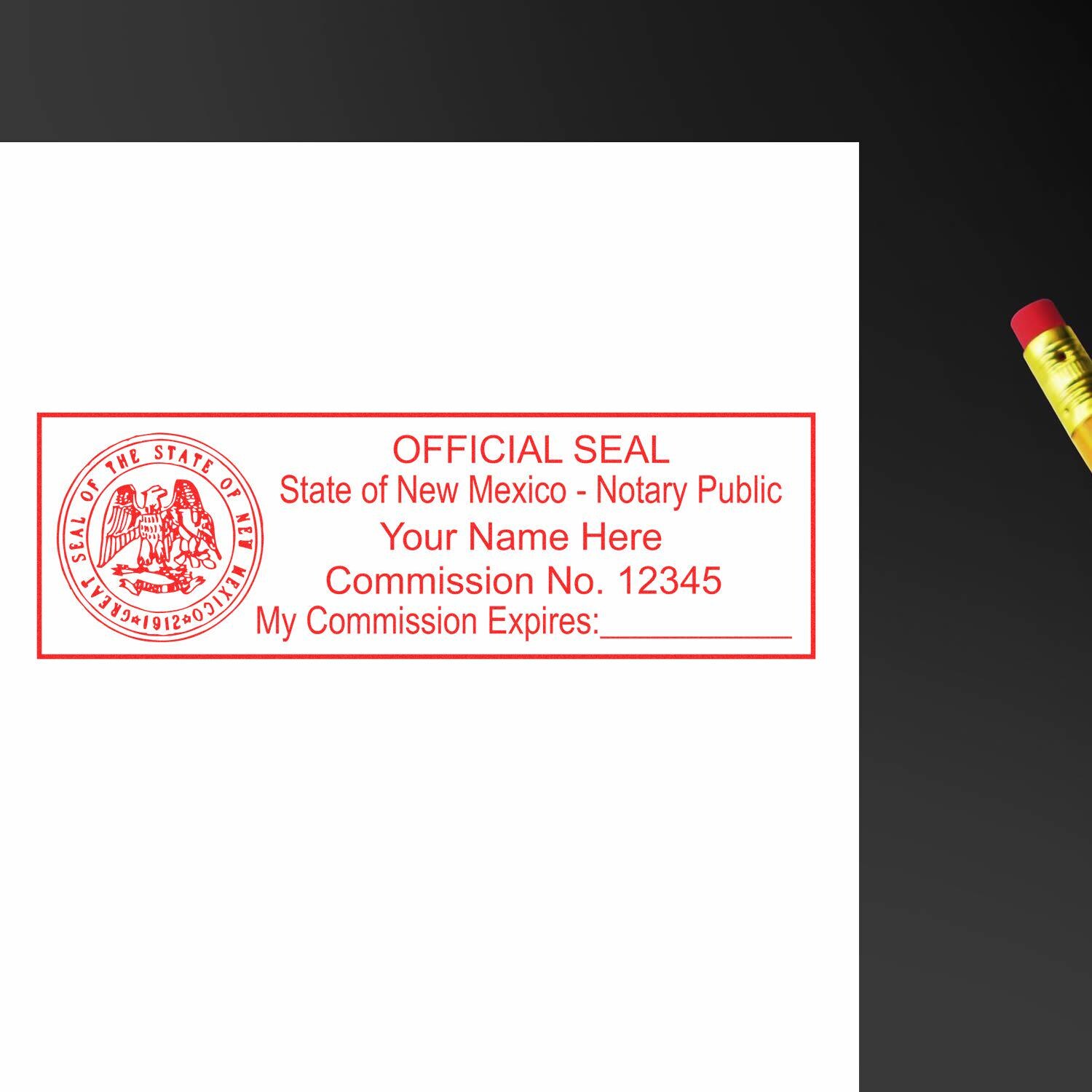
If you are a notary public in New Mexico, choosing a reliable NM notary seal is essential to performing your duties effectively. A well-crafted seal not only helps you stay compliant with state regulations, but also leaves a professional impression on every document you notarize. Whether you are renewing your commission or just starting your journey as a New Mexico notary, finding the right seal can feel overwhelming. By focusing on core qualities like durability, legibility, and compliance, you can confidently select a seal that meets your needs. Below, you will discover practical tips, useful considerations, and best practices to guide your decision.
Understand the Role of an NM Notary Seal
Having a notary seal is more than just a formality. In New Mexico, you must authenticate your official acts by affixing your seal to documents you notarize, such as affidavits, property deeds, and acknowledgments. That raised or stamped impression (or ink imprint) ensures that the notarial act is legitimate and traceable back to you.
Why the Seal Matters
- It provides a clear record of your notarial authority.
- Many legal transactions in New Mexico require a notary seal to be considered valid.
- It helps deter fraud by leaving an official mark that indicates your authorization.
Basic Compliance Requirements
In New Mexico, your seal must include:
- The words “State of New Mexico.”
- Your name exactly as it appears on your notary license.
- The words “Notary Public.”
It is best to review the specific guidelines set forth by the New Mexico Secretary of State to ensure your seal has all the correct details.
Identify Key Considerations for Your NM Notary Seal
When choosing a seal, you will want to consider aspects that affect both everyday use and long-term reliability. Some qualities help ensure trouble-free stamping, while others support the professional appearance of your documents.
Material and Durability
- Sturdy Construction: Look for a seal made from robust materials, such as metal or strong plastic. These will withstand daily use without warping or breaking.
- Handle Design: If you opt for a handheld embosser or stamp, select one with an ergonomic grip. This can reduce fatigue if you handle multiple notarizations a day.
Stamp vs. Embosser
- Rubber Stamp: A rubber stamp usually uses ink to create a clear impression on your documents. It is often faster to use, especially if you have back-to-back signings.
- Embosser: An embosser raises the seal impression on the paper. It can look more official to some clients, but can be harder to scan or photocopy.
Ink Color
Check if your local requirements specify an ink color. If not, black ink is a standard choice for clarity. Some notaries prefer blue ink to distinguish an original document from a photocopy. Either way, make sure your ink stands out clearly on all types of paper.
Explore Types of NM Notary Seals
You will find several types of notary seals that cater to different preferences and workloads. Think about the volume of documents you typically notarize, as well as your budget and storage space.
Self-Inking Seals
A self-inking stamp has a built-in ink pad that re-inks the die after each use. This style allows you to make repeated impressions quickly. It is ideal if you frequently perform notarial acts and require a convenient, mess-free solution.
Advantages- Fast, continuous stamping without switching pads.
- Minimal cleanup, since ink is enclosed.
- Ink pads eventually wear out and need replacement.
- Initial cost can be slightly higher.
Pre-Inked Seals
A pre-inked stamp is filled with a special ink reservoir that is pressed through the die to create a sharp, crisp impression. These seals typically last a very long time, producing up to thousands of impressions before needing a refill.
Advantages- High-quality impressions that rarely smudge.
- Very quiet operation, suitable for quieter offices.
- Often more expensive than other styles.
- Re-inking can be somewhat tricky if you are unfamiliar with the process.
Traditional Rubber Stamps
A traditional rubber stamp requires a separate ink pad. It can work well for notaries who do not mind using a handheld pad or who appreciate a classic feel.
Advantages- Often the most affordable option.
- Easy to swap out ink pads for different colors.
- Slower process, since you have to manually ink before each impression.
- More prone to messy final results if you accidentally over-ink.
Where to Find a Reliable NM Notary Seal
Finding the right seller or manufacturer can be just as important as choosing the seal style itself. A reliable vendor will offer a variety of options and stand behind their products with a warranty or quality guarantee.
Check Reputable Suppliers
You can visit specialized office-supply retailers or order directly from a notary-specific supplier. Prioritize companies that have been in the stamping and notary supply business for at least several years. Established businesses are typically more familiar with state rules and can guide you toward the correct seal.
Consider Online Options
Online platforms often have a wide selection, so you can view multiple seal styles side by side. Compare prices, read product reviews, and look for any mention of compliance with New Mexico notary regulations. Simple details, like the exact name you provide, can sometimes create custom stamping errors if not handled carefully. Therefore, it is a good idea to double-check that process before finalizing your order.
Why Choose Acorn Stamps
If you value efficiency and personalized service, you might find Acorn Stamps to be a helpful partner. Acorn Stamps is a family-owned and operated business that has proudly served customers for 60 years, since 1964. They specialize in New Mexico notary stamps and seals, ensuring you receive products that meet state guidelines. On top of that, they offer:
- Stellar customer service for swift resolutions if something is off with your order.
- Super-fast turnaround to keep your notary work running smoothly.
- A diverse range of seal styles, so you can pick the one that best suits your routine.
Care and Maintenance Tips
Your NM notary seal plays a central role in your daily responsibilities. To keep it in top condition, give it a little care and attention after each use or at regular intervals.
Cleaning and Storage
- Wipe Down Surfaces: Regularly wipe the stamp or embosser to remove residual ink or dust particles. Keeping it clean enhances the clarity of your imprint.
- Keep It Protected: Store your seal in a protective case or pouch to shield it from sunlight or scratches. Prolonged direct sunlight can dry out and fade the ink pad.
- Temperature Matters: Avoid leaving your seal in extremely hot or cold environments, which can damage the seal or affect ink performance.
Replacing or Upgrading
- Change Ink Pads: Self-inking or traditional stamps require fresh ink pads every so often. If your impressions start to look faint, it might be time for a change.
- Check State Regulations: When your commission term is renewed, you may need an updated seal. Keep an eye on the expiration date to stay compliant.
- Switch to a New Style: If your practice evolves or you find yourself notarizing more documents, you may decide to upgrade to a different seal type that better meets your new requirements.
FAQs About NM Notary Seals
Below, you will find answers to some of the most commonly asked questions. If you still have questions, always feel free to consult the New Mexico Secretary of State’s office or contact a reputable supplier like Acorn Stamps.
Can I Use Any Seal As Long As It Has My Name And “Notary Public”?
No. New Mexico has specific regulations on what text must appear and how it should be displayed. The seal must include your name, the words “Notary Public” and “State of New Mexico.” Always verify your chosen seal meets these requirements.
How Often Should I Re-Ink My Seal?
This depends on the type of seal you use and the volume of documents notarized. Self-inking and pre-inked stamps generally last for thousands of impressions before needing a refill. However, if your impressions start to lighten or blur, it is likely time to re-ink or replace the pad.
Is An Embosser Acceptable For All Official Notary Work?
In most cases, an embosser is acceptable, but it can sometimes create issues when documents need to be scanned or photocopied because the raised impression may not show clearly. Often, paired stamps (embosser plus ink stamp) are used to visibly confirm the notarial act on reproductions.
Do I Need Multiple Seals For Different Counties?
No. Your commission in New Mexico is statewide, so you only need one official seal for any county in which you perform notarial acts. You may, however, choose a backup seal if you want a spare on hand or prefer to keep one at your office and another in your personal briefcase.
Can A Supplier Automatically Add “State Of New Mexico” To My Seal?
Reputable suppliers like Acorn Stamps typically know the required elements and will add them. However, you are responsible for providing accurate information, including the spelling of your name exactly as it appears on your commission. Always double-check the final proof before confirming your order.
Final Thoughts
Choosing the right NM notary seal ensures your work is recognized, valid, and trustworthy. By identifying the features that matter to you, such as durability, clarity, and overall compliance, you can narrow your search. Whether you prefer the quick efficiency of self-inking stamps or the timeless feel of an embosser, there is a seal style to suit every notary’s workflow.
When the time comes to purchase, prioritize suppliers who have deep expertise in notary products and a strong track record of customer service. That is why many professionals look to a family-owned company like Acorn Stamps, which has served New Mexico notaries for six decades. With the right seal in hand, you can focus on delivering excellent service, protecting the interests of citizens, and giving each document the official blessing it requires.