Recognize The Value Of Your Embosser
When you serve as a North Dakota Notary Public, your north dakota notary seal embosser is one of the most essential tools you will use. Not only does it help you meet the legal requirements of your notarial duties, it also gives your commissions and certificates a more professional appearance. To get the most out of this device, you will want to understand exactly how it works, why it matters, and how you can use it effectively.
Why Your Seal Matters In North Dakota
Your embosser’s impression validates that you have witnessed or certified a document according to state law. In North Dakota, your embossed seal helps confirm your identity as a commissioned notary, reducing the potential for fraud or disputes about the authenticity of a document.
- A crisp seal impression instills confidence in everyone who handles the paperwork.
- The North Dakota Secretary of State’s office approves specific design elements for your notary marker, which means you should only use embossers that satisfy these guidelines.
Understanding State Requirements
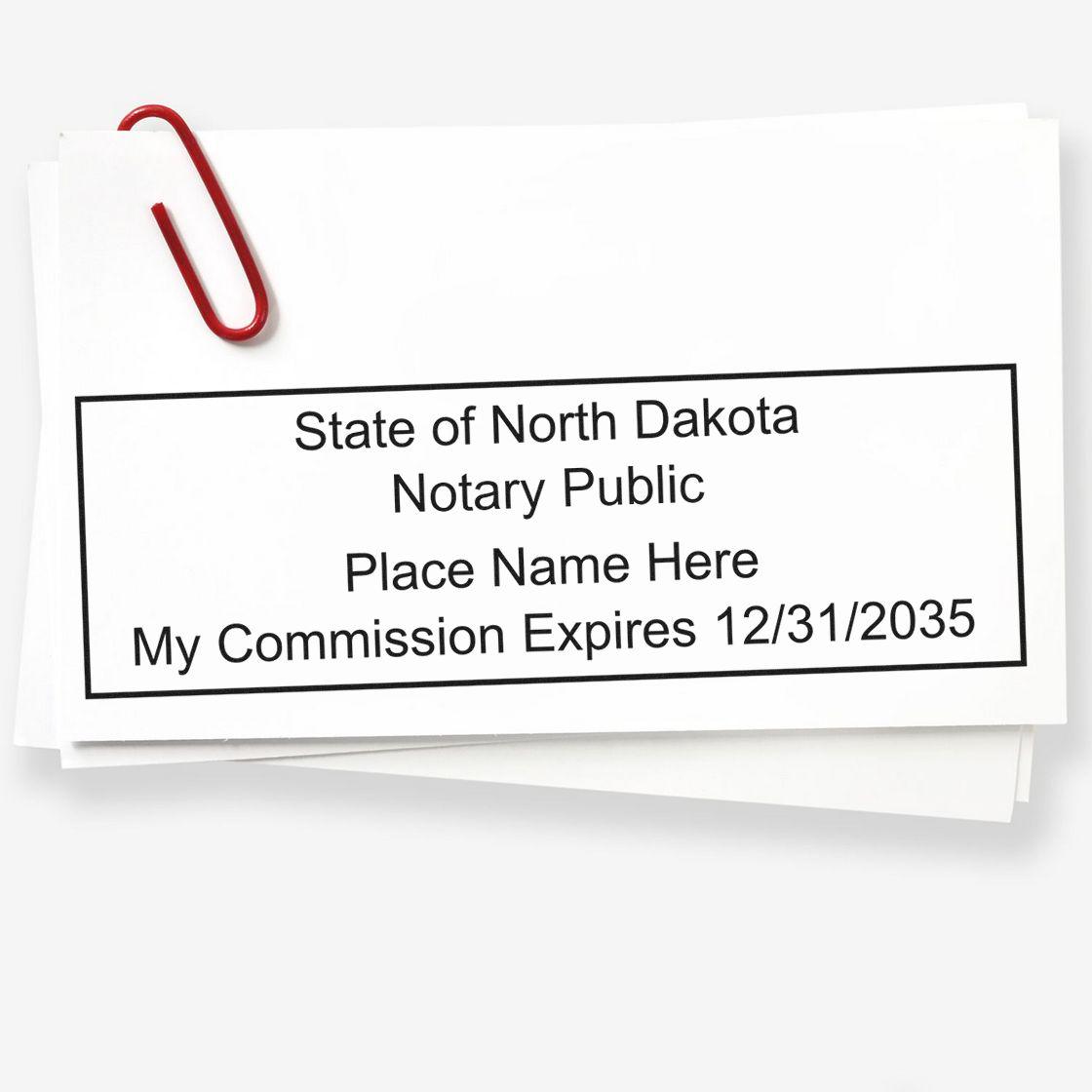
Each state has different rules on how notaries must identify themselves and apply their seals. In North Dakota, you typically need to ensure the following details appear on your seal:
- Your full legal name as it appears on your notary commission.
- The words “Notary Public.”
- The words “State of North Dakota” or “ND.”
You can also choose a design that suits your personal preference, provided it meets North Dakota’s size and clarity requirements. Some notaries opt for circular embossers, while others stick to rectangular designs. Regardless of what shape you prefer, you want to make sure that every letter is legible so your seal remains valid.
Master The Right Embossing Techniques
Applying an embosser might seem straightforward, but proper technique can significantly impact the clarity of your impression. Taking a bit more time to learn how to hold, press, and position your north dakota notary seal embosser will create consistently legible seals on every page.
Adjusting Pressure For Legibility
One of the most important factors in creating a crisp, readable impression is applying adequate pressure. If you push too softly, the imprint may appear faint or incomplete. If you press too hard, you risk damaging the paper or warping your embosser’s mechanism.
- Hold the embosser firmly between your thumb and fingers.
- Position the seal area where you want the imprint to appear.
- Apply a steady, even pressure, listening for a distinct click.
- Release gently to avoid tearing thin or delicate paper.
With consistent practice, you will develop a feel for the ideal pressure that produces a clear seal without harming the page.
Selecting Suitable Paper
While your embosser technically works on most paper types, you will get the best results with materials that can hold the raised image without tearing:
- Standard copy paper: 20 or 24-pound paper remains a practical choice for everyday notarizations.
- Letterhead or legal paper: Heavier stocks around 24 to 28 pounds hold crisp impressions well.
- Card stock or glossy surfaces: Thicker papers will show a clear seal, but be careful not to force the device if you sense resistance.
If you are working with unusually thick or textured paper, test the embosser on a sample first to gauge how much pressure you need to get a clean result. Always ensure that the final embossed mark is readable to everyone inspecting the document.Fulfill Notary Duties With Clarity
As a North Dakota notary, you have signing responsibilities that demand precision and consistency. Besides positioning your seal in the correct place, you should be mindful of how readable your seal will be once you are done stamping.
Correct Placement On Documents
Depending on the format of the document you are notarizing, you might have to place your seal near a signature line or in a designated notarial area:
- Look for a specific place where the seal is meant to go. Some legal documents include a “Seal” or “Notary Seal” box.
- Avoid placing the seal on or over text. Overlapping can obscure words and make the document difficult to read.
- Leave enough blank space around your seal so that all the raised letters remain distinct.
When you are notarizing multiple pages, some clients may ask you to emboss an additional page or sign across a seal to prevent tampering. Check North Dakota’s notarial guidelines or consult a local authority if you are uncertain about multi-page notarizations.
Ensuring An Accurate Impression
Readability is key to guaranteeing the validity of your notarial act. If your seal appears faint, your commission name or the state name could become illegible, which might lead others to contest the authenticity of your notarial act. Before finalizing any document:
- Check the raised letters to confirm every word is crisp and easy to read.
- Watch out for ink smudges if you use an embossing ink pad.
- If your seal is faint, try applying a bit more pressure or switching to a firmer surface underneath the document.
By ensuring your seal impression is clean and neat on every page, you bolster the integrity of your notarial work.
Maintain Your Embosser For Longevity
Reliable notarial tools do not just appear overnight. You guard their usability by cleaning and caring for them regularly. Routine maintenance helps your north dakota notary seal embosser function smoothly, guaranteeing you get consistently high-quality marks.
Cleaning And Storage Tips
Every time you use your embosser, tiny fibers from paper can become lodged inside. Sweat or oils from your hands may add invisible layers of grime too. A simple cleaning routine prevents buildup:
- Wipe the embosser plates with a soft cloth to remove paper fibers.
- Avoid harsh chemical cleaners or abrasive materials, which can scratch the metal.
- When you are done, store your embosser in a protective pouch or box to keep dust away.
Keep it somewhere safe and dry, away from direct sunlight or high humidity. Excessive heat or moisture may warp the metal and degrade the springs.
Replacing Worn Parts
Although a high-quality embosser will last for hundreds of impressions without losing clarity, certain components may show signs of wear:
- Springs may become loose after repeated use, resulting in faint or uneven impressions.
- The metal plates that contain your name and the state information can degrade, especially if you were pressing on stiff materials too often.
If you notice changes in how your seal looks, consult the manufacturer or supplier. In many cases, you can simply replace worn parts instead of buying a brand-new embosser. Regular tune-ups and part replacements keep your seal crisp and your notarial work up to par.
Choose A Trusted Provider
Selecting a reliable retailer for your embosser ensures you get a product that meets North Dakota’s design standards. A trusted provider can also offer the expertise you need when you have questions about replacement parts, adjustments, or special requests.
Why Use Acorn Stamps
Acorn Stamps is a top supplier of north dakota notary stamps and north dakota notary seals, known for stellar customer service and super fast turnaround times. Because the company has been family owned and operated since 1964, you benefit from over 60 years of experience in delivering high-quality notary supplies. Whether you are brand new to notarizing documents or you have been commissioned for years, you will find dependable embossers that stand up to daily usage.
- Expert knowledge: Acorn Stamps stays on top of notary regulations so your embosser meets North Dakota’s most up-to-date requirements.
- Custom design options: You can personalize your embosser to match the details on your commission.
- Prompt shipping: With a quick turnaround, you will always be ready for your next notarization.
Ordering Your Embosser
Purchasing the right north dakota notary seal embosser involves more than simply picking a device off the shelf. You want to confirm that your name, commission expiration date, and any other mandatory elements are correctly spelled and formatted. When you order:
- Double-check that you have spelled your name exactly as listed on your notary commission.
- Confirm the shape and size that your local notary regulations allow.
- Ask about any recommended extras, such as a protective carrying case.
Once your embosser arrives, test it right away. If you detect any issues with pressure, clarity, or design, contact the supplier immediately. That way, you can get timely assistance or a prompt replacement if needed.
Top FAQs About North Dakota Notary Seal Embosser
Below are five frequently asked questions that many notaries have about using an embosser in North Dakota. Reviewing these can help you clarify common concerns and ensure you stay compliant with local rules and best practices.
What Is The Difference Between A Notary Stamp And An Embosser?
A notary stamp is typically a pre-inked or self-inking device that leaves a flat ink impression on paper. An embosser, on the other hand, leaves a raised seal. Some notaries choose to use both in conjunction: they apply the notary stamp so officials can photocopy the details, then they add the embossed seal for extra authenticity.
Do I Need Ink With My Embosser?
While traditional embossers do not require ink, you can use an inked foil sticker or an embossing ink pad if you need the raised impression to be visible on copies. Most forms in North Dakota do not require you to add ink to embossed seals, but having a subtle ink outline can sometimes help with scanning or photocopying.
Where Do I Place My Seal If There Is Limited Space?
If the document’s format is cramped, look for a clearly designated notary area or a blank portion near the signature. You need enough room for a full impression, so avoid placing the seal overlapping text or edges. If the document does not have an obvious space, you can attach a notarial certificate with the embossed seal on that separate certificate, as long as you follow the guidelines for certificate wording.
Can I Use My Embosser After My Commission Expires?
No. Your embosser becomes invalid once your commission has expired or been revoked. You should order a brand-new embosser with your updated commission information as soon as you renew. Using an outdated embosser can invalidate the documents you notarize and may lead to penalties.
How Do I Prevent People From Misusing My Embosser?
Security is paramount for any notarial tool. Always keep your embosser locked or in a safe place when you are not using it. Never lend it to anyone, even if they are a friend or colleague. If you suspect your embosser has been stolen or tampered with, notify the authorities to protect yourself from possible fraudulent activity.
By understanding how to properly use and safeguard your north dakota notary seal embosser, you will fulfill your responsibilities more confidently. From adjusting the pressure for perfect impressions to choosing a supplier such as Acorn Stamps for expert support, you have the opportunity to keep every notarized document professional and legitimate. With the right care and regular maintenance, your embosser should remain a vital component of your official acts for as long as you hold your notary commission.