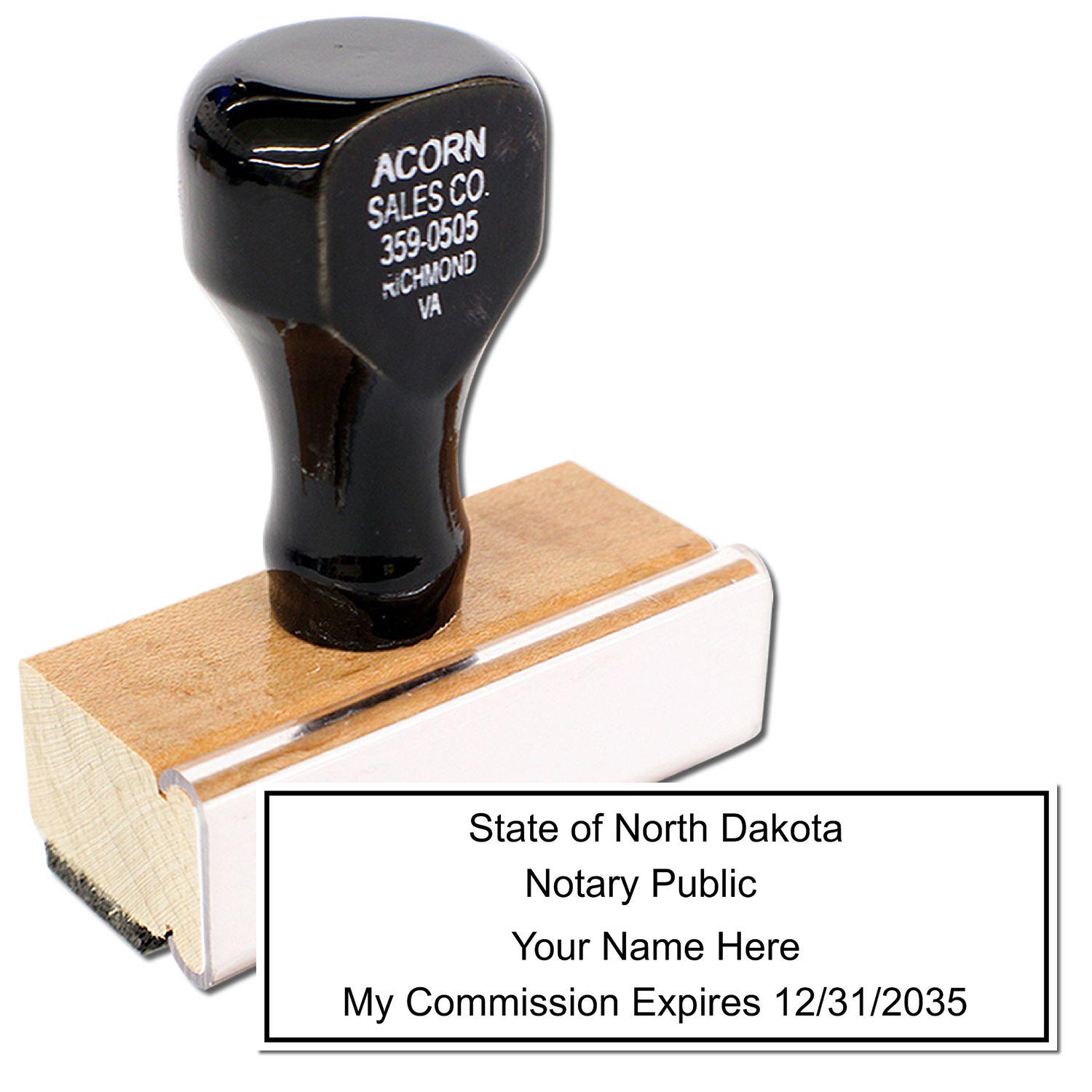
Whether you are new to the role of a North Dakota Notary Public or have been serving for years, staying on top of the latest North Dakota notary seal requirements can help you avoid costly errors. Your seal is not only a clear identifier of your position but also a critical step in validating every official document you sign. In this guide, you will learn the essential details of North Dakota’s seal regulations, how to use and maintain your notary stamp or embosser, and how to sidestep common oversights. By the end, you will feel confident in your ability to meet state expectations while keeping your process quick, secure, and professional.
In North Dakota, even the smallest misusage of your seal can have big consequences. As you develop your practice, you might encounter confusion over legal guidelines or come across conflicting opinions. However, with the right information, you can streamline your notarial acts and reduce the risk of rejections. Whether you prefer an inked stamp or an embossed seal, understanding the do’s and don’ts can enhance your credibility and uphold high professional standards. Let’s explore exactly what you need to know to stay compliant.
Understand The Core Requirements
Before picking the perfect seal or stamp design for your notarial duties, it helps to understand the basic legal foundation. The state of North Dakota requires every commissioned notary to authenticate documents with a unique seal. This seal validates that you are recognized by the state and confirms that the notarized document meets the necessary legal framework.
- The Seal’s Purpose: The seal ensures an impartial, official record. When you place your stamp on a document, you are certifying that the signer’s identity has been verified and the signature date is accurate.
- Required Components: Typically, a North Dakota notary seal must include your official name, the words “Notary Public,” the phrase “State of North Dakota,” and sometimes your commission expiration date.
- Commission Details: You should keep up-to-date with your commission’s start and end date. If anything changes—such as your name or address—notify the appropriate state office and update your seal if necessary.
It is best to confirm precisely where and when you are required to place your seal. Generally, each notarized document includes at least two elements: your signature and your seal. Missing or incorrectly placed details could lead to invalid paperwork. When in doubt, check official North Dakota statutes or speak with a legal adviser, especially if you deal with highly sensitive or complicated documents.
Distinguish Between Stamps And Embossers
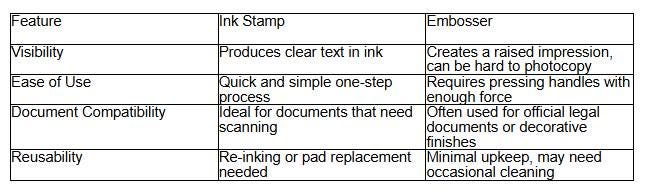
In North Dakota, you can use either a rubber ink stamp or an embosser to apply your notary seal. Each method has its benefits, but your personal preferences and the types of documents you typically notarize may help shape your decision.Below is a quick comparison table to help you distinguish the differences:
Why Choose A Stamp?
An ink stamp is direct and easy. If you need speed or are traveling to different offices, it can be a reliable choice. Most organizations also prefer stamps for their clarity when copying or scanning documents.
Why Choose An Embosser?
An embosser offers a distinguished, tactile impression. It can also deter tampering since raised impressions are harder to replicate. If you frequently handle official certificates or legal contracts, an embosser might help reinforce the authority of your seal.
Ultimately, the choice between a stamp or embosser depends on your workflow preferences and the documents you notarize most often. Some notaries even keep both on hand for different scenarios.
Follow The Right Format
Once you have decided on the type of seal, you will want to confirm that it meets North Dakota notary seal requirements and aligns with the required format. Generally, this includes legible text around a circular or rectangular design. Double-check the following:
- Your Name: It should match exactly the name on your notary commission. Abbreviating your name or using a nickname could invalidate your seal.
- State Identification: “Notary Public” and “State of North Dakota” must appear clearly. This ensures anyone reading the document knows it is an official notarization under North Dakota jurisdiction.
- Commission End Date: Although not always mandatory, many notaries add their commission expiry to reinforce authenticity. Plus, it gives a visual cue about the notary’s validity.
Make sure your seal’s design meets any size stipulations set by state law. Overly large stamps can clutter the page, and exceptionally small ones may be illegible. You should also avoid novelty fonts or overly intricate designs that complicate readability. Effectiveness is key—especially if your notarial certificates might be used beyond state lines.
Use The Seal Correctly
Applying your notary seal effectively means more than just pressing a stamp on paper. Every time you stamp or emboss a document, you confirm that the facts in your notarial certificate are accurate. Here is how to ensure you are using your seal in a way that aligns with your professional responsibilities:
- Check The Document First
Before stamping, review the document to confirm that the signer’s information is correct. Look for blank fields or suspicious details, and ensure the document is complete. Once you apply your seal, you are certifying the legitimacy of the notarial act.
- Position The Seal Properly
If using an ink stamp, press firmly but not so forcefully that the ink smudges. For an embosser, squeeze steadily until you achieve a clear imprint. Make sure the seal is placed close to your signature or on the certificate portion so it is obviously associated with your notarial statement.
- Keep An Eye On Legibility
Faded or unreadable text can cast doubt on your commission. If you notice your stamp is producing light impressions or your embosser’s raised text is unclear, it might be time to repair or replace it.In addition, always supervise the individual signing the document. North Dakota requires you to confirm that the signer understands the contents they are signing and that their identification is valid. This notary act goes hand-in-hand with how and where you apply your seal.
Avoid Common Pitfalls
Even well-intentioned notaries run into small mistakes that could lead to big issues. Knowing these pitfalls will help you nail down consistent best practices:
- Misaligned Or Missing Information: If your seal does not include the mandatory text or if you forget to write in required additional details—for example, your commission expiration—your notarization may be invalid.
- Overlapping The Signature: Be sure not to stamp over your signature or any text in the document. The seal should be distinct yet still near enough to your signature to show clear connection.
- Using An Expired Seal: Always keep track of your commission renewal dates. Using an expired seal is a major red flag and can cause rejection of documents.
- Stamping On Sensitive Sections: Avoid stamping over vital information like names, addresses, or signatures. An obstructed seal might be unreadable and create confusion.
Beyond these technical errors, be cautious about your environment. In a busy office or event, it is easy to mix up documents or skip important steps (like verifying ID). Cultivating a systematic routine—where you check each step before applying your seal—minimizes the risk of oversights.
Care And Maintenance
Whether you use a self-inking stamp or an embosser, proper care will prolong its lifespan and maintain the clarity of each seal impression.
- Store Properly: Keep your seal or stamp in a cool, dry place. Extreme heat or moisture can warp the tooling or cause ink to dry out prematurely.
- Clean Regularly: Stamps can attract dirt or stray fibers, which may lead to smudged impressions. Embossers also benefit from occasional wipe-downs, especially around the raised plates.
- Refill Or Replace: Ink pads should be refilled when impressions become faint, and embosser plates might need a replacement if the text begins to degrade or crack.
Taking time for routine upkeep is an excellent way to ensure your seal remains compliant. Regularly testing the impression on a scrap piece of paper helps you avoid a moment of panic when you are in the middle of notarizing an important document.
Consider Acorn Stamps For Quality And Speed
Choosing the right supplier can simplify your entire experience—especially when it comes to designing a seal that fulfills every North Dakota notary seal requirement. At Acorn Stamps, you will find high-quality North Dakota-specific notary stamps and embossed seals that comply with state guidelines for legibility and durability.
Acorn Stamps has been family owned and operated since 1964, serving notaries like you for nearly 60 years. The team offers expert guidance on the finer points of notary seal design, so you can place orders knowing each stamp or embosser is produced to exact specifications. Plus, if you ever have questions about your seal, Acorn Stamps’ customer service team is here to help you find quick solutions. That means you spend less time worrying and more time focusing on flawless notarizations. Thanks to their super fast turnaround times, you can quickly replace a worn-out seal or get a brand-new design if your commission information has changed. Whether you are a brand-new commission holder or renewing for another term, a reliable supplier gives you peace of mind that your notarial tools are accurate and ready.
Frequently Asked Questions
Below are some common FAQs to help you clarify any lingering details about North Dakota notary seal requirements.
What Information Must Appear On My North Dakota Notary Seal?
You generally need your official name as it appears on your commission, the words “Notary Public,” “State of North Dakota,” and sometimes your commission expiration date. Always verify if the state has updated its requirements before ordering or reordering a seal.
Can I Use Both An Ink Stamp And An Embosser?
Yes, you can. Many notaries maintain both, especially if they notarize a wide variety of documents. Some documents photocopy better with an ink stamp, while an embossment can add an extra layer of security and authority.
What Happens If My Stamp Impression Is Faint Or Unreadable?
If your seal becomes hard to read, it might be time to re-ink or replace it. Faint text could render your notarization invalid. Always test impressions periodically and swap out your seal as soon as its markings no longer meet clarity standards.
Do I Need To Update My Seal If My Name Changes?
Absolutely. If your legal name changes due to marriage or other reasons, you must update your official commission and order a new seal that reflects your current legal name. Using an outdated name on your notary seal could lead to rejected paperwork.
How Often Should I Replace My Seal?
There is no strict time limit, but you should replace or maintain it whenever the impression becomes illegible or your commission details change. Many notaries find it helpful to order a new seal at each commission renewal to maintain quality standards.
By now, you should feel more equipped to navigate North Dakota notary seal requirements and apply your notary seal in a way that upholds professional integrity. Staying compliant does not have to be difficult—just remember to check your seal’s details, use it correctly, and keep it maintained. If you ever need a dependable, state-approved seal or stamp, Acorn Stamps stands ready to assist you with products designed to last and a friendly team eager to help. Here’s to confident notarizations and smoother signings in the Peace Garden State!