Understand the Role
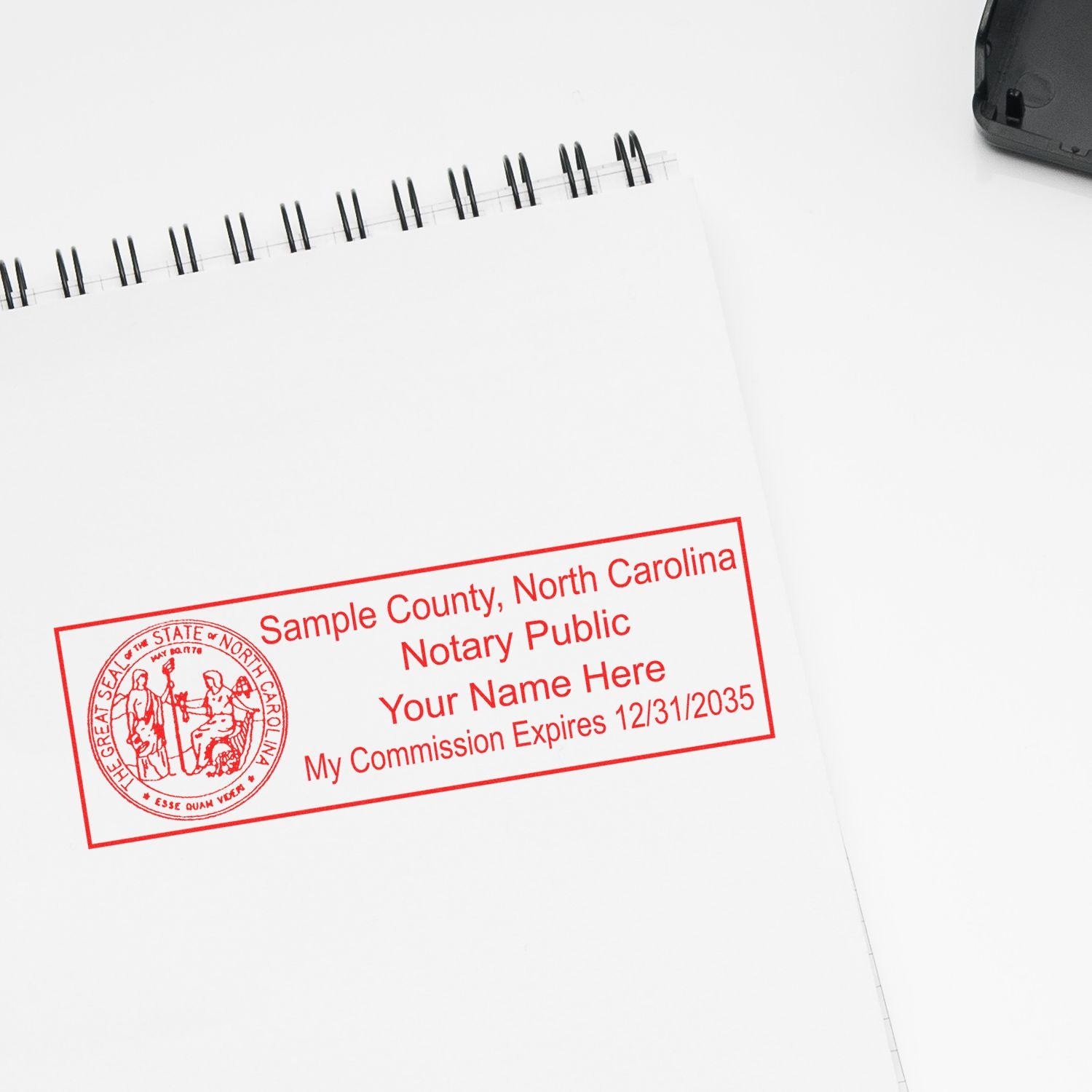
Choosing your North Carolina notary public stamp is one of the most important steps in preparing to fulfill your duties as a commissioned notary. This small tool is more than just a piece of office equipment. It represents the authority granted to you by the state to authenticate documents for individuals, businesses, and agencies.
When you place your stamp on a document, you are not merely creating an impression of ink. You are validating the signatures and affirming the authenticity of the paperwork. This act can protect people from fraud and ensure the legality of their contractual or legal agreements. Because of how pivotal the notary stamp is, you will want to select a tool that ensures clear, legible impressions every time.
In North Carolina, notaries play several roles, from certifying affidavits to guiding people through complex legal processes. The state expects you to be reliable, consistent, and vigilant in performing these tasks. Your North Carolina notary public stamp, when chosen thoughtfully, helps you honor these responsibilities. By understanding the basic purpose of your stamp, you will be better prepared to examine its features and decide which option is right for your notarial needs.
Finally, take pride in your position. You have a critical role in upholding integrity and trust throughout North Carolina’s economy and legal systems. This stamping tool is your companion in that process. As you explore the different options available, keep in mind that you are not only choosing a piece of equipment, but also securing a piece of professional identity.
Know State Requirements
Before you can use your new notary stamp, you must be sure it aligns with the North Carolina Secretary of State guidelines. Familiarizing yourself with state-approved designs, formats, and sizes will keep you on track. While these requirements might feel like extra red tape, they ensure that your notarial acts remain consistent with statewide standards.Below are some key considerations for meeting state mandates:
- Check Shape and Size: North Carolina typically accepts rectangular or round stamps. However, any notary stamp you use should fit within the recommended dimensions to create a clear impression.
- Include Required Text: Confirm that your stamp includes your name exactly as it appears on your notary commission. You should also have the words “Notary Public” and “North Carolina” present.
- Maintain Legible Fonts: Make sure the lettering is crisp and large enough for easy reading. Overly stylized or tiny fonts might not be acceptable.
- Adhere to Additional Rules: If the state outlines specific guidelines about ink color or border style, incorporate them into your final selection.
By carefully verifying these elements, you will avoid compliance issues and enhance the professionalism of your acts. The guidelines are there to protect you, the people you serve, and the legal integrity of every document you validate. When in doubt, you can reach out to the North Carolina Secretary of State’s office or consult local resources to confirm you are meeting all necessary requirements.
Assess Stamp Types
Once you have your official notary commission details in hand, you will find there are multiple styles of notary stamps and seals to explore. Selecting the right type impacts not only the look of your notarial imprint, but also how conveniently you can perform your duties. Below are the most common options:Pre-Inked Stamps
- These stamps come with ink preloaded in their design.
- They deliver crisp, dark impressions and typically last for thousands of uses before needing a refill.
- You will not have to maintain a separate ink pad. This can save space in your notary bag while speeding up your stamping tasks.
Self-Inking Stamps
- Self-inking models have an internal ink pad that re-inks the stamp each time you press down.
- They offer quick, repeat impressions with minimal fuss.
- They can be re-inked easily, making them a cost-effective choice if you perform a high volume of notarizations.
Traditional Rubber Stamps
- This older style requires a separate ink pad.
- Although less common, some notaries prefer the classic feel and control.
- It can be a budget-friendly option if you do not mind carrying an ink pad alongside the stamp.
Embossers (Seals)
- Embossing seals press your notary details into the paper.
- The raised impression offers a professional look, though North Carolina often requires an inked stamp in addition to or instead of an embosser.
- Some notaries still prefer to use embossers for ceremonial or extra-security purposes.
Evaluate each style based on your pace of work, space constraints, and personal preference. If you frequently visit clients or manage off-site notarizations, a compact self-inking or pre-inked stamp will likely become your best friend. If you maintain a home office and enjoy traditional methods, you might choose a rubber stamp and dedicated ink pad. There is no one-size-fits-all solution, so pick an option that balances efficiency with professionalism.
Check Quality Factors
Think of your North Carolina notary public stamp as an investment in your professional toolkit. Higher-quality stamps may cost a bit more initially, but they save you money over time by delivering consistently clear impressions and requiring fewer refills or repairs. When you weigh your choices, focus on a few key indicators of quality:
- Construction Materials: Look for brands that use durable components like metal or robust plastic. Flimsy materials can break easily and degrade your results.
- Detailed Impressions: Crisp letters and numbers are essential. Poorly designed or cheaply made stamps can blur the text and compromise the professional appearance of your notarizations.
- Comfortable Handle: You may be stamping multiple documents in one sitting. A stamp with an ergonomic grip will spare you hand strain, especially during peak notary hours.
- Refilling Ease: Self-inking and pre-inked stamps should allow you to load fresh ink smoothly. If it is difficult or messy, you might end up wasting supplies and incurring additional costs.
Review the average number of impressions a stamp can handle before its quality starts to fade. Although you might see bigger price tags on heavy-duty models, the longevity and reliability often justify the expense. Also, remember that any sign of a blurred or incomplete impression could raise questions about the legitimacy of your notarized documents. Reliability is crucial when your professional reputation and legal responsibilities are on the line.
Choose Ink Wisely
Not every type of ink works the same way. Some inks dry quickly to reduce smudging, while others may take longer and can compromise your document if you fail to give it enough time to set. By examining which ink works best for your needs and environment, you will ensure the final mark on each document is neat and permanent.Consider these factors:
- Drying Time: Quick-drying ink keeps your stamps looking sharp, especially if you are handing the document back shortly after stamping.
- Fade Resistance: High-quality ink will not fade prematurely. Look for formulas specifically designed to remain distinct over time.
- Ink Color: Although black ink suits most official needs, double-check if North Carolina has any specific color preferences. Some notaries use blue ink to differentiate an original from a photocopy, but it must still comply with state rules.
- Document Compatibility: Review the types of paper you often encounter. If you frequently notarize glossy or coated sheets, consider an ink formulated for low-porosity surfaces.
Selecting the right ink can spare you from frustrating smudges or faint impressions that diminish the legal authority of your notarial act. Taking the time to research your options will pay off in convenience and in ensuring that your notary stamp always stands out clearly on the page.
Consider Turnaround Times
When you are eager to start or renew your commission, timely access to your notary stamp becomes a priority. Although it might be tempting to order from the first retailer you find, factoring in turnaround times is wise if you want to get to work without delay.Some tips for ensuring a smooth purchasing process:
- Ask About Processing Time: Check how many business days it typically takes for them to personalize your North Carolina notary public stamp.
- Confirm Shipping Speeds: Ask if expedited shipping is available, and compare the rates if you need your stamp urgently.
- Review Return Policies: With customized items, you want to be sure everything is correct. If an error occurs on the manufacturer’s end, look for a hassle-free return or replacement guarantee.
- Avoid Last-Minute Panic: Order your new stamp well before your current one is set to expire, or before you begin your new commission. This buffer time helps you avoid any interruptions to your notarial duties.
Whether you are a brand-new notary or renewing your commission, reliability and fast delivery are key. At Acorn Stamps, a family-owned and operated company since 1964, you can benefit from over 60 years of experience in delivering top-quality North Carolina notary stamps and seals with stellar customer service and super fast turnaround. A partner like this can help ensure that you receive your stamp right when you need it, without the worry of shipping delays or backorders.
Maintain and Replace Properly
No matter which type of stamp you select, you will need to follow regular maintenance steps to keep it working smoothly. Proper upkeep saves you from unnecessary replacement costs and prolongs the lifespan of your notary supplies. By devoting just a little time to prevention, you can avoid smudged or incomplete notarizations.
Key maintenance guidelines:
- Clean the Stamp Face: Dust or debris can accumulate, affecting clarity. Periodically wiping the surface with a soft, dry cloth helps maintain sharp impressions.
- Store It Safely: Protect your North Carolina notary public stamp in a case or drawer when not in use. Excess exposure to heat or direct sunlight can alter the ink quality and degrade the stamp’s construction over time.
- Monitor Ink Levels: If you use a self-inking or pre-inked stamp, keep an eye on the ink reservoir. Running low can result in faded or uneven marks.
- Update if Damaged: If you notice the text or edges of your stamp wearing out, do not hesitate to replace it. A flawed impression can cause confusion about the authenticity of a document.
Maintaining a schedule for cleaning, checking ink, and updating your stamp is part of your professional responsibility. An ill-maintained stamp gives a negative impression of your notarial practice. Moreover, you risk legal complications if the seal on a notarized document becomes unclear. By proactively following these maintenance steps, you keep your commission in good standing while serving your clients with confidence and efficiency.
Offer Final Thoughts
Your North Carolina notary public stamp is a vital element of your professional toolkit. It verifies your authority and helps secure legal certainty for important transactions. When you select a trustworthy brand and customize your stamp based on state guidelines, you are setting yourself up for success in every interaction. With a thoughtful approach to requirements, style, quality, ink, delivery, and maintenance, you will be prepared to offer consistent notarial services to the people who rely on you. This diligence reflects not only your dedication to your community and state, but also helps safeguard individuals and businesses from fraudulent activities. From legal affidavits to property deeds, your stamping process can be seamless and efficient if you choose wisely.
If you need a reliable supplier, consider Acorn Stamps. As a family-owned and operated business since 1964, they understand the ins and outs of North Carolina notary public stamp regulations. Their commitment to stellar customer service and high-quality products can give you peace of mind, allowing you to focus on what truly matters: upholding integrity and trust for every document you notarize.
Frequently Asked Questions
How often do I need to replace my stamp?
Your stamp’s lifespan largely depends on its type and daily use. Self-inking and pre-inked stamps can produce thousands of impressions before needing a refill or replacement. Monitor the impression quality—if it starts to fade or become illegible, it is time for a refresh.
Can I use any color ink I want?
While you have some flexibility, many notaries stick with black or dark blue ink for clarity. Always confirm whether North Carolina has any official guidelines on ink color. You want recipients to read the stamp clearly, and some agencies specifically request black for uniformity.
What if my name changes after getting my stamp?
When your legal name changes—due to marriage, divorce, or any other reason—you will generally need to update your notary information with the state. Once authorized, you can order a new stamp reflecting that name. Avoid using an outdated stamp to reduce the risk of confusion or document rejection.
Can I use an embosser instead of an inked stamp?
Some states allow embossers as a supplementary tool, but North Carolina typically requires an inked stamp impression for official notarizations. If you enjoy the classic look of an embossed seal, you can use it in addition to your inked stamp, but it should not replace the required format.
How quickly can I expect to receive my new stamp?
This varies by supplier. Some companies offer turnaround within a few days, while others may take longer. If you have a time-sensitive need, discuss all shipping or personalization timelines in advance. Acorn Stamps prides itself on super fast turnaround, ensuring you do not wait any longer than necessary.
By choosing the right stamp, complying with legal requirements, and caring for your tools, you will be well-prepared to serve as a North Carolina notary public. Each document you notarize will reflect your dedication to professionalism and attention to detail. Here’s hoping your notarial journey remains smooth, efficient, and impactful—one well-placed stamp at a time.