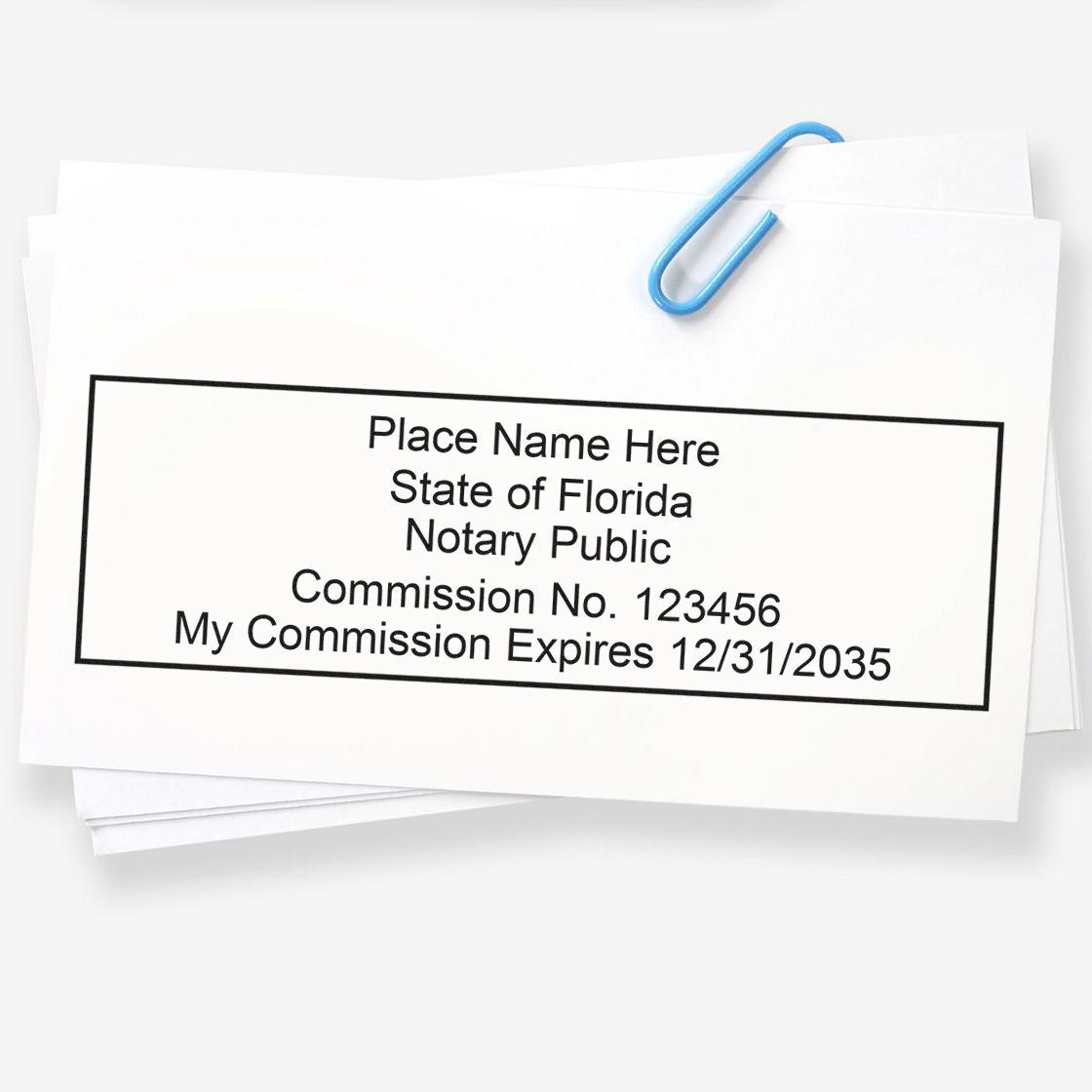
Natural light might open up a cramped living area, but when it comes to your role as a Florida Notary Public, it is the Florida notary seal that truly takes center stage. You rely on it for the validity of your notarized documents and for ensuring that each signing you perform meets the state’s exacting standards. Whether you are just starting your notary journey or you have been in the field for years, having comprehensive knowledge about the seal’s requirements, maintenance, and best practices will help you stay confident and efficient in your duties. Below, you will find an in-depth look at everything you need to know about your Florida notary seal, from legal guidelines to practical tips and the benefits of working with a reliable supplier.
Understand The Florida Notary Seal
As a notary in the Sunshine State, your seal helps establish the legitimacy of your notarized documents. It is more than a simple stamp, it is an official mark that signifies your authority and ensures that each transaction you oversee is recognized as valid within Florida’s legal framework. When you apply your Florida notary seal to a document, you are verifying the identity of the signer, confirming that the individual is either personally known to you or has provided appropriate identification. You are also underscoring that the document’s signing occurred in your presence, free of coercion. This is why your seal must be clear, consistent, and secure at all times.
Key Reasons The Seal Matters
- Verifies your standing as a commissioned notary.
- Reinforces trust in transactions, both personal and business-related.
- Prevents fraud by showing that each signature has been carefully authenticated.
- Maintains a consistent notarial record for legal proof and reliability.
A properly maintained seal protects the integrity of your role and the documents you notarize. If your seal is unclear or damaged, it could cause confusion or even lead to the rejection of an important agreement.
Recognize The Legal Requirements
Before you begin stamping every document, it is essential to understand the state-mandated requirements that govern your seal. Florida law sets out specific guidelines to ensure uniformity and prevent misuse.
Required Information
The following elements should typically appear on your seal:
- Your name as it appears on your notary commission.
- The words “Notary Public - State of Florida.”
- Your commission number.
- Your commission expiration date.
This information confirms that you are actively commissioned and that your services are recognized throughout Florida. Check your state regulations or official notary handbook to make sure you always meet these guidelines. If any detail is incorrect, your seals could be deemed invalid.
Approved Seal Styles
While Florida law does not strictly dictate the shape of your notary seal, most notaries prefer round or rectangular designs that fit easily on documents. In either shape, the required details must be legible. Ink stamps are a common form, but embossed seals are also permissible. Your ink color must produce a clear impression (often black ink), so that the seal is easy to read and reproduce on photocopies or scans.
Penalties For Improper Use
If you apply your seal without verifying the signer’s identity or without being physically present for the signing, you could face legal consequences or lose your notary commission. It is crucial that you follow all state guidelines, keep your seal protected from unauthorized use, and adhere to the ethical standards of the profession.
Explore Types Of Florida Notary Seals
When selecting your notary supplies, you will encounter a few main types of seals. Each has advantages and situational benefits, so understanding your options helps you choose the best fit for your workflow.
1. Pre-Inked Stamp
A pre-inked stamp stores ink within the stamp itself. It typically offers high-quality, crisp impressions and can handle multiple uses before needing a refill. Pre-inked stamps are ideal if you frequently notarize documents and want a reliable option that produces consistent results.
2. Self-Inking Stamp
A self-inking stamp has a built-in ink pad. Every time you press down, the stamp’s die re-inks itself for the next impression. These stamps are often quicker to use than pre-inked stamps because they do not require flipping or additional steps. They are popular for moderate daily use and are easy to re-ink when the pad runs low.
3. Rubber Hand Stamp
A traditional rubber hand stamp requires a separate ink pad. This format can be cost-effective but may require a bit more effort, as you have to press the stamp onto an ink pad each time. For many notaries, this type of stamp is best kept as a backup or for less frequent use.
4. Embosser
An embosser creates a raised impression on paper. While allowed in Florida, embossers are often used alongside an ink stamp to ensure clarity on photocopies. An embossed seal adds a professional touch, but it may not always show up well when a document is scanned or faxed, making a proper ink impression crucial. When deciding among these types, think about your daily notarial routines. Busy notaries typically lean toward self-inking or pre-inked models for speed, while an embosser can be a nice supplement if you want a more traditional look.
Choose The Right Features
A florida notary seal must be easy to read, durable, and convenient for you to use. After all, you will apply it to countless documents throughout your commission. Here are some considerations to keep in mind when evaluating different notary seal options.
Durability And Construction
Quality construction can save you from frequent replacements. Look for a sturdy base, ergonomically designed handle, and tamper-resistant features. This ensures your seal remains fully functional over time, even with heavy daily use.
Impression Quality
Clear impressions are vital. A well-made die with sharp details helps avoid ink smudges or incomplete markings. Make certain that all required information (your name, commission, and expiration date) is easily readable.
Refillable Ink
If you lean toward a stamp version, verify that it either comes with spare ink or a guarantee that you can reorder. You do not want to scramble to find the right ink refill in the middle of a busy workweek.
Portability And Storage
Notaries often travel to meet clients or witness signatures off-site. A compact, self-contained design can be handy if you are regularly on the go. Protective carrying cases are also useful for ensuring that your seal does not accidentally press onto objects in your bag.
Maintain Your Florida Notary Seal
To keep your seal in prime condition, you will need to practice consistent maintenance. Even the best stamp or embosser can deteriorate if ignored. There is also a responsibility to secure your seal, so that no one else can use it in a fraudulent manner.
Storage And Security
Always store your seal in a locked drawer or cabinet when you are not using it. If you share an office space, consider a small personal lockbox for your official supplies. Never lend your seal to anyone, not even a close colleague. The moment your seal changes hands, you risk unauthorized or illegal use.
Regular Cleaning
If you have a self-inking or pre-inked stamp, follow the manufacturer’s guidelines for cleaning the internal components. Wiping the die surface between uses can help remove dust or ink build-up. For embossers, make sure that the raised design remains crisp by checking it regularly.
Expired Commissions
A common oversight for new notaries is failing to replace their seal after the commission expires or is renewed. If your commission renewal leads to new information (such as an updated expiration date), you need an updated seal. Using an expired or invalid seal can cause problems if important details do not match your current commission certificate.
Discover The Benefits Of A Quality Provider
Your Florida notary seal is not something you want to cut corners on. A poorly made stamp can lead to messy impressions, confusion, and frustration. This is where selecting a dependable supplier makes a significant difference.
Why Acorn Stamps?
Acorn Stamps stands out as a top supplier of both Florida notary stamps and Florida notary seals. With stellar customer service, super fast turnaround, and a family-owned legacy dating back to 1964, you can feel confident that you will receive a high-quality product every time. They have served notaries for 60 years, ensuring that each item meets Florida’s exacting standards. Their deep experience also means you can count on personalized guidance about which seal best suits your professional needs.
Quality Assurance
A trusted provider invests in materials and designs that stand up to rigorous use. You will get crisp, easy-to-read impressions without having to fidget or re-stamp important documents. Quality assurance is particularly important for official stamps that handle vital details like your name, commission number, and expiration date.
Seamless Customer Support
If you ever run into an issue with your seal or need a quick replacement, working with a responsive customer service team is invaluable. Acorn Stamps is known for addressing inquiries promptly, so you can avoid delays that might jeopardize your notarial responsibilities.
Step-By-Step Guide To Getting Your Florida Notary Seal
Even if you already have a seal, reviewing the basic process is helpful in case you need a replacement or plan to upgrade. Below is a straightforward guide to help you acquire a reliable Florida notary seal.
- Confirm Your Commission:
Make sure your commission is active and that you have your notary certificate readily available. You will need accurate information (like commission number and expiry) to order a seal.
- Research Legal Standards:
Double-check the current Florida statutes and regulations regarding your notary seal. While guidelines remain fairly consistent, it is always good practice to verify that you are meeting the latest requirements.
- Choose A Reputable Supplier:
Look for a provider (such as Acorn Stamps) with proven experience and solid credentials for Florida notaries. Check product reviews, shipping policies, and return or exchange options.
- Select Your Preferred Style:
Decide on a pre-inked, self-inking, hand stamp, or embosser. Consider your daily usage, preferences for portability, and how you want your seal to appear on documents.
- Provide Your Commission Details:
When ordering, you will usually be asked to fill in your name exactly as it appears on your notary certificate. You will also need to include your commission number and expiration date.
- Review Your Proof:
Most suppliers can provide a proof or sample of the seal’s design. Carefully review it for typos or inaccuracies before the stamp is finalized. One mistake could lead to an unusable seal.
- Finalize And Wait For Delivery:
After reviewing the proof, confirm your order. A reliable company will produce your seal accurately and ship it quickly. Depending on your provider, you may have expedited shipping options, which can be a lifesaver if your current seal is damaged or you need a new one fast.
- Inspect Upon Arrival:
Once your seal arrives, test it on a piece of scrap paper. Confirm the impression is clear and that all details are correct. This minimal effort ensures that your seal is ready for immediate use.
- Train Yourself (And Any Staff):
If you work with an assistant (who is not authorized to use your seal, but can handle administrative tasks), instruct them not to apply or handle the seal without your supervision. Stay vigilant about every document you notarize.
- Keep It Secure:
Store your seal in a locked place. Stay mindful of your commission renewal date, so you know when it is time to replace the seal or update any information. By following these steps, you will establish a seamless process for obtaining and using your Florida notary seal responsibly. This helps ensure that your notarial acts are always recognized and respected, saving you potential hassle down the line.
Florida Notary Seal FAQs
Below, you will find some common questions about the Florida notary seal. By having the answers at your fingertips, you can quickly resolve any concerns that might arise for you or your clients.
What Happens If My Seal Impression Is Faint Or Illegible?
You should replace the ink cartridge, re-ink the pad, or buy a new seal to ensure clarity. A faint or blurred seal can lead to questions about the legitimacy of the notarization.
Are Embossers Required In Florida?
No. Florida law does not require an embosser, though some notaries like to use one alongside their stamp. If you choose to emboss, ensure you still have a clear ink stamp for photocopying and scanning.
Can I Use A Colored Ink For My Notary Seal?
Florida does not forbid colored ink, but black ink is the safest bet. Black stands out best on most paper types and reproduces clearly in digital copies.
How Should I Dispose Of An Old Or Damaged Seal?
To prevent fraudulent use, make sure you deface or destroy the old seal before discarding it. You might remove the rubber die or embossing plate and shred it. It is also wise to save any pieces until you are sure they can’t be reconstructed.
Do I Need A New Seal If I Change My Name?
Yes. If your name changes during your commission period, you must register the name change with the state and request a replacement seal that reflects your updated information. Using a seal with an outdated name can invalidate your notarizations.
Having a reliable Florida notary seal is imperative for fulfilling your duties with efficiency and professionalism. By understanding the legal requirements, selecting the right features, and properly maintaining your seal, you can meet the highest standards of accuracy and authenticity. Remember, you do not have to navigate these details alone. Acorn Stamps, a family-owned business serving notaries for 60 years, can guide you toward a trusted seal that suits your style and budget. With a proper seal in hand and the know-how to preserve it, you will always be ready to serve your clients with confidence.