Organize Your Florida Notary Kit
If you are a commissioned notary public in Florida, organizing your Florida notary kit is one of the most important steps you can take to keep your work efficient and compliant. This kit is more than just a collection of tools. It is your everyday companion, helping you verify signatures, maintain proper documentation, and build trust with the individuals you serve. By taking the time to assemble and organize the right supplies, you will be ready to handle each notarization professionally and with complete peace of mind. Throughout your notarial career, you will likely engage with signers under various circumstances, ranging from quick in-office visits to more involved transactions out in the field. When you have clearly labeled supplies, reliable seals, and a thorough record-keeping system, you reduce the chances of mistakes and misinterpretations. Let’s go through the key elements of a well-rounded Florida notary kit, plus some additional tips to enhance your everyday workflow.
Why You Need a Kit
A dedicated notary kit ensures you have all the essentials at your fingertips whenever you need them. Some notaries attempt to collect supplies in a haphazard way, which often leads to confusion, lost items, or worse—noncompliant notarizations. By thoughtfully curating your kit, you help safeguard the integrity of your practice and protect yourself from potential legal or ethical pitfalls.
Stay Professional and Prepared
When you arrive fully prepared, clients immediately sense that you know your job inside and out. A properly set-up kit not only keeps your documents and tools organized but also boosts your confidence during each appointment. If you have ever scrambled to find a missing stamp or pen, you already understand the stress such moments can create. Having a complete kit by your side eliminates these small but impactful headaches.
Protect Your Reputation
Reputation is everything for a Florida notary public. Your clients rely on you to authenticate important transactions, and the slightest hint of disorganization can cause them to question your credibility. With a well-maintained florida notary kit, you demonstrate a level of professionalism that sets you apart. Over time, your systematic approach can lead to positive word-of-mouth referrals and a solid track record your community can trust.
Core Elements of a Notary Kit
Putting together a notary kit can be quite straightforward when you know which items are essential. Start with the must-haves, then add supplementary tools that can simplify your routine. Below are the fundamental components you should include.
Florida Notary Stamp
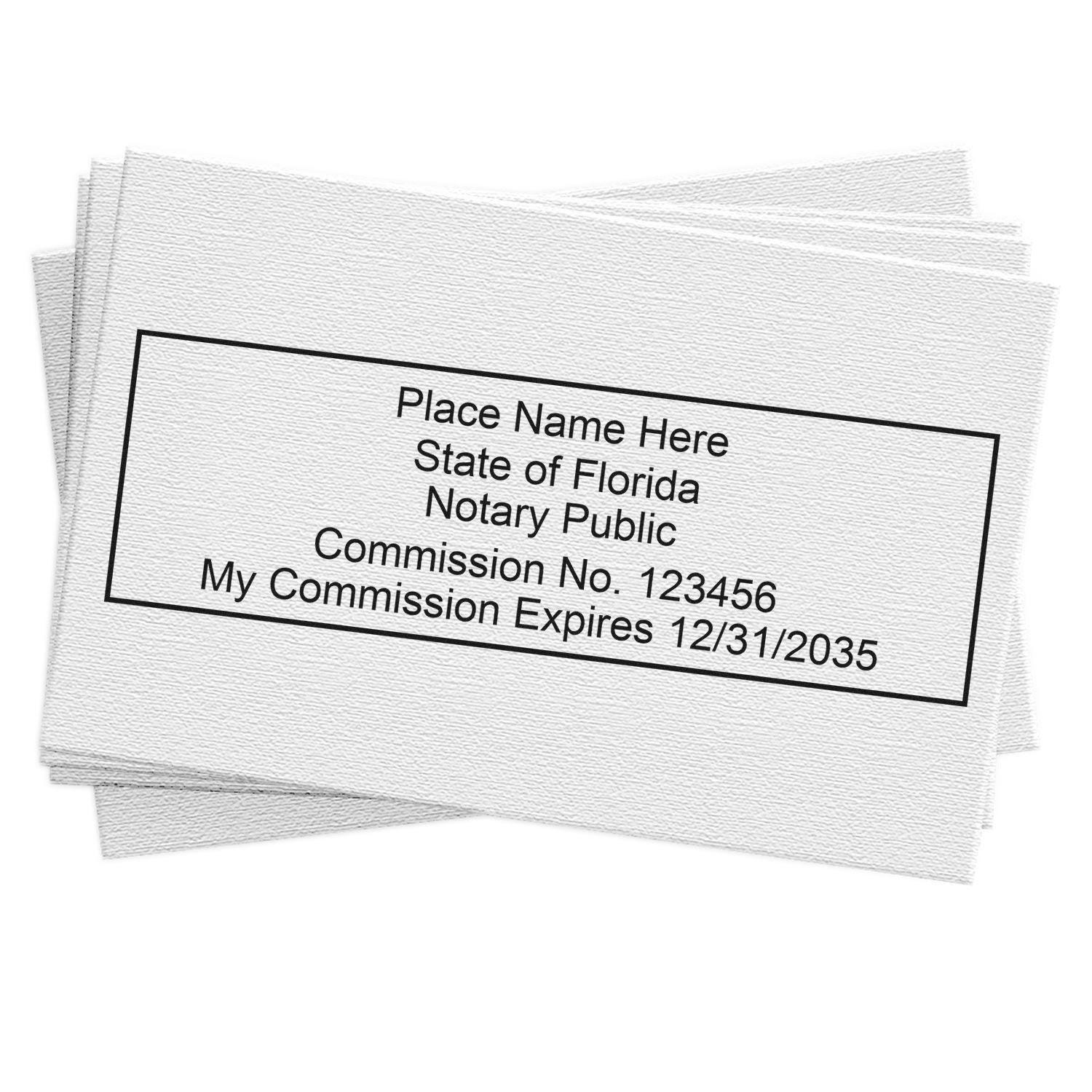
Your Florida notary stamp is a critical piece of your official gear. It leaves a distinct imprint that confirms your commission information, such as your name, commission number, and the words “Notary Public—State of Florida.” This stamp is your trusted ally for verifying documents quickly and accurately.
- Make sure the stamp meets state guidelines for size and format.
- Replace the ink pad as soon as impressions start to fade to maintain clarity.
- Keep track of your commission expiration date to update the stamp before it is no longer valid.
Florida Notary Seal
While Florida notaries often rely on a stamp, some choose to add a notarial seal (or embossed seal) to further underscore the authenticity of certain documents. A notarial seal can be especially reassuring to signers who prefer the traditional mark of embossing, although it is not always required by Florida law.
- Check current state regulations to confirm whether an embossed seal is optional or mandated for your services.
- If you use an embossing seal, store it in a hard case to avoid damage.
Notary Journal
Though Florida law does not always require notaries to keep a formal journal, adopting the habit of logging each transaction can protect you if questions arise later. A notary journal is a consistent way to record key details—dates, names, signatures, and identification used—so you have proof of what transpired at each appointment.
- Use a sturdy, bound journal that prevents page removal.
- Log every single act, including witness signatures when applicable.
- Keep journals in a secure location to safeguard confidential information.
Identity Verification Tools
Proper identification of signers is the bedrock of any notarial act. While you may rely on driver’s licenses, passports, or other government-issued IDs, it is smart to have additional tools on hand to reduce your margin of error.
- A magnifying lens can help you spot details on an ID.
- Small ultraviolet lights (often used in ID checking) can aid in detecting possible forgeries.
- Consider carrying reference guides or updated official state guidelines on acceptable forms of identification.
Additional Notary Essentials
Beyond the essential tools mentioned, there are several other items that can help you provide a seamless, well-rounded service. Incorporating these extras into your florida notary kit can make the notarization process smoother for both you and your clients.
Document Organization Supplies
Properly categorizing documents saves time and reduces your risk of misplaced paperwork. Simple additions like folders, dividers, and labels can help you quickly retrieve the exact form you need.
- Color-coded folders or binders let you group similar document types.
- Envelope pouches or zippered cases within your bag protect documents from moisture and wrinkles.
- Reusable sticky notes or tabs keep signatures and notary blocks easy to locate.
Writing Instruments
It might seem obvious, but having a variety of pens is crucial for signing and sealing. You should keep both black and blue ink pens in your kit, satisfying client preferences or special instructions for certain documents.
- Opt for quick-drying pens to prevent smudges.
- Keep a separate set of high-quality pens for client use.
- Store extras in a small pencil case so you do not have to rummage through your bag.
Remote Online Notary Tools
With technological advancements, Florida permits certain notarial acts to be performed remotely, so some notaries choose to offer online services. If you plan to diversify your services, consider including digital tools or resources in your overall kit.
- Video conferencing software that meets Florida’s remote notarization regulations.
- Secure digital platforms for signers to upload IDs and documents.
- Encryption or secure cloud storage to maintain confidentiality and compliance.
Stay Compliant With Florida Laws
Florida has specific requirements for notaries, and these rules can evolve over time. Staying current helps you avoid penalties or issues that could jeopardize your commission. Knowing where to turn for up-to-date legal guidance is just as important as having the tangible tools.
Monitor Statute Updates
Florida statutes relating to notary practices can change, especially as technology transforms the legal landscape. Keep an eye on official resources, such as the Florida Department of State, for updates on legislation that may affect your day-to-day work.
- Check official websites regularly for announcements.
- Sign up for newsletters or alerts from notary associations.
- Attend seminars or webinars that provide continuing education.
Ensure Proper Record Retention
Various documents might require retention for a certain number of years, and failing to keep them could result in legal complications. Although Florida law does not demand a notary journal, if you choose to maintain one, it is wise to store it for the duration of your commission plus a few extra years.
- Confirm how long you must keep records by reviewing Florida’s notary handbook.
- Keep records in a secure, fireproof filing cabinet or digital vault.
- Label each journal with the start and end date of your commission.
Partner With Acorn Stamps
Choosing the right supplier for your Florida notary stamp and seal can make a tremendous difference in your day-to-day workflow. At Acorn Stamps, you are partnering with a family-owned business that has proudly served notaries since 1964, marking over 60 years of trusted service. Whether you need a refill on ink or a brand-new stamp that meets Florida specifications, Acorn Stamps offers stellar customer support and super-fast turnaround times to get you up and running quickly. We understand the importance of clarity and precision in each impression you make. That is why we focus on producing durable stamps and seals designed to meet Florida’s guidelines. If you have questions about setting up or maintaining your stamp, Acorn Stamps is here to help with practical advice grounded in decades of industry experience. This commitment to quality service means you can focus on the work you do best—providing professional and reliable notarizations.
Frequently Asked Questions
Below are five common questions many new Florida notaries ask when they are preparing their notary kits. Reviewing these FAQs can help you avoid unnecessary confusion or missteps as you get organized.
- Do I Need Both a Stamp and a Seal?
Florida primarily requires a notary stamp containing your name, commission number, and the words “Notary Public—State of Florida.” An embossed seal is optional, but some notaries like to have it for certain formal documents or when signers request additional authentication.
- How Do I Protect My Supplies From Unauthorized Use?
Always keep your notary stamp and seal in a locked, secure place. For example, a small lockbox or a desk drawer with a key can keep these items out of reach from unauthorized users. If an item goes missing, report it immediately to the appropriate authorities.
- What Should Go in My Notary Journal?
Although Florida does not strictly mandate keeping a journal, it is wise to record details about each notarization (names, dates, type of ID, and type of document). Be sure to notarize only when you have properly verified the signer’s identity. This log can serve as your proof if disputes arise.
- Can I Perform Remote Online Notarizations With My Existing Commission?
Florida notaries can perform remote notarizations, but you must apply to become an authorized online notary. You will need additional training, technology solutions, and possibly extra insurance coverage. Always check the Florida Department of State’s guidelines for the current requirements.
- How Often Do I Replace My Stamp?
As long as you keep your stamp’s ink fresh, it can last the duration of your commission. Once the impression starts to fade or your commission information changes, you will need a replacement. After renewing your commission, it is a good idea to update your stamp so it matches your most recent credentials. Putting together your Florida notary kit is a vital part of performing professional, compliant notarizations. By gathering the core elements—your notary stamp, seal, journal, identity verification tools—and adding extras like organizational folders, pens, and digital notary resources, you create a total solution for every type of appointment. Make sure to stay informed about Florida’s notary statutes and maintain proper records to safeguard your reputation. And if you are looking for top-quality supplies backed by decades of experience, consider working with Acorn Stamps. Their commitment to service and precision parts will keep your practice running smoothly for years to come.