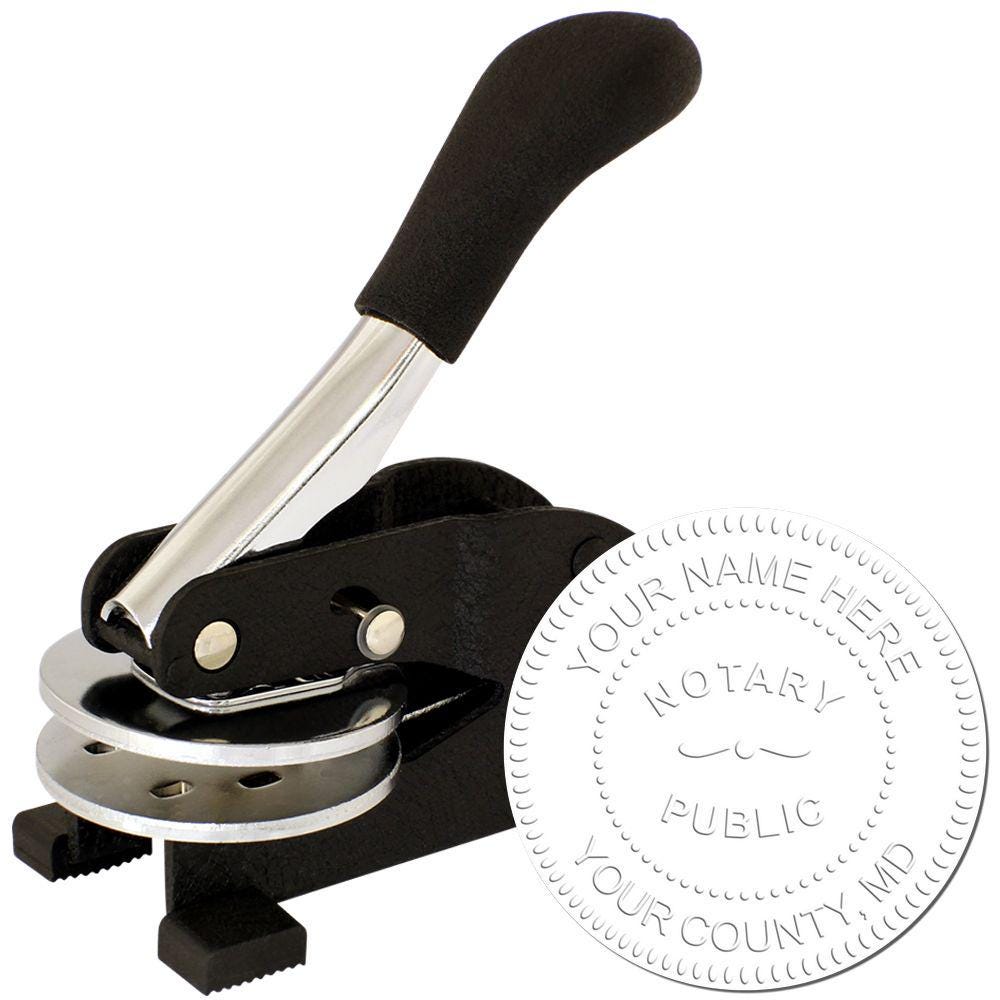
Maryland notary seal requirements can sometimes feel overwhelming, especially when you are just starting your commission or renewing an existing one. You want to follow the rules precisely so every document you notarize is valid and recognized under Maryland state law. By understanding the ins and outs of these seal requirements, you ensure that your notarial acts are carried out with full compliance. Below, you will find an in-depth overview of what you need to know, along with practical tips for caring for your seal and choosing a reputable supplier.
Understand Maryland Notary Seal Basics
Your notary seal is more than a simple stamp or embosser. It is an official marker that authenticates each document you notarize. Essentially, it is the state’s way of confirming that the signatures and statements on a document have been properly witnessed by a recognized notary public.
When you apply for your commission, the state provides specific guidelines about how your seal should look and be used. Familiarizing yourself with these basics not only helps you prevent errors but also conveys professionalism and trustworthiness to anyone who sees your seal.
Why The Seal Is So Important
- It validates your authority as a commissioned Maryland notary.
- It deters fraudulent activity by confirming a document’s authenticity.
- It assures the public that you have followed proper legal protocols before affixing your seal.
Commission Time Frame
Your Maryland notary public commission has a set term—often four years—during which your seal is valid. Once your commission expires, you must renew your status through the state, and you may need to obtain or update your notary seal to reflect your new term.
Identify Key Mandatory Elements
The State of Maryland requires each commissioned notary to have a seal that includes specific information. The core requirement is that the seal must clearly display your name and the words that identify you as an official notary public in Maryland.
What Must Appear On Your Seal
- Your Name: This should match exactly what is listed on your commission.
- The Words “Notary Public”: So anyone reviewing the document recognizes your authority.
- The Words “State of Maryland” or “Maryland”: This clarifies that you are commissioned by Maryland.
In certain cases, the shape and size of the seal may also be specified. Some states allow round or rectangular notary seals, while others have more flexible guidelines. Maryland law generally requires a legible imprint or impression that includes the elements above. Keep in mind that clarity is vital. If your seal is too small or smudged, it might invalidate the notarization.
Ink Stamps vs. Embossers
- Ink Stamp: An ink-based seal is quick, easy to use, and usually more affordable. It leaves a visible impression that is simple to scan or photocopy.
- Embosser: An embosser creates a raised impression on the document itself. While it has a traditional and professional look, it is often used alongside an inked impression to ensure clear visibility on all document copies.
Either option is usually acceptable under Maryland law, as long as the final seal is clear and legible. For day-to-day ease, many Maryland notaries prefer ink stamps because they leave a crisp image that is easy to reproduce. However, if you gravitate toward a classic look, you might opt for an embosser or even use both.
Adhere To Proper Usage Guidelines
Getting the right seal design is only half the battle; you must also place and use it correctly. Improper usage can lead to legal issues or a question of authenticity for the notarized document.
Placing The Seal On Documents
- Near Your Signature: Typically, you place your seal close to your notarial signature. This makes the notarization details clear and easy to locate.
- On The Same Page: The seal should appear on the same page as the notarial statement, also known as the acknowledgment or jurat.
- Avoid Overlapping Text: Try not to stamp over signatures or printed text, since smearing or partial coverage can cause confusion.
Additional Protocols
- Date Of Notarization: Always note the correct date to avoid any validity issues.
- Document Type: Certain documents may require additional notarization language or disclaimers. Review state guidelines to confirm what might be needed.
- Sign Exactly As Commissioned: If your commission has your name with a middle initial, you should sign and seal documents the same way.
By following these guidelines, you minimize any potential mix-ups or questions about the authenticity of your notarized documents.
Protect And Secure Your Seal
Your responsibility does not end once you purchase a seal. Security is a major factor in preventing fraud or misuse. As a commissioned notary public, you are expected to keep your seal under your control at all times.
Storage Tips
- Private, Locked Location: Keep your seal in a locked drawer or cabinet. If you work in a shared office, a personal locker or drawer that only you can access is ideal.
- Home Office Care: Many notaries work from home. Make sure you have a small safe or secure box to store your seal when not in use.
- Limit Access: Do not lend your seal to colleagues, friends, or family. Maryland law holds you personally responsible for every impression made with it.
Reporting Loss Or Theft
If your seal is misplaced or stolen, you should file a police report immediately, then notify the Maryland Secretary of State’s Notary Division. Quick action limits the damage if someone tries to misuse your official seal.
Consider Renewals And Replacements
Throughout your career as a Maryland notary, your seal might need to be updated or replaced. This could happen if your seal wears out over time, if you legally change your name, or if your commission expires and you need a fresh start.
Renewing Your Commission
- Timely Application: Begin the renewal process before your current commission ends. This helps ensure no gap in your ability to notarize documents.
- Possible Changes: If you change your name or address, confirm whether you need a new seal. In many cases, a name change does require an updated seal that reflects your new official notary name.
- Transition Period: After you receive your renewed commission, you will be able to order an updated seal if requirements or personal details have changed.
Replacing A Worn-Out Seal
Ink stamps eventually fade. Embossers can lose their crisp detail over time. If your seal no longer creates a clear imprint, consider ordering a replacement right away to avoid invalid notarizations. The same rule applies if your seal is lost or stolen—do not delay in obtaining a new one.
Choose A Trusted Supplier
Finding a reliable source for your Maryland notary seal is a key step toward compliance and convenience. You want a supplier who understands the state’s guidelines, delivers fast, and offers top-tier customer support.
Why Acorn Stamps Stands Out
Acorn Stamps has been family owned and operated since 1964, proudly serving Maryland notaries for 60 years. You will discover a variety of high-quality notary stamps and embossers designed to meet Maryland’s stringent requirements. On top of that, they prioritize stellar customer service and super-fast turnaround times, so you can keep working without a hitch.
What To Look For In A Supplier
- Customization That Matches Your Commission: The supplier should tailor your seal to match your legal name and “Notary Public, Maryland” text exactly.
- Durability And Readability: Whether you choose an ink stamp or an embosser, the seal impression must remain clear and durable for the life of your commission.
- Rapid Delivery: If your commission is about to start (or expire), you do not want to wait weeks for your seal. Fast shipping can make a huge difference.
- Reliable Customer Support: Should any issues arise with your order, you need quick and friendly service to resolve them.
By picking a reputable supplier such as Acorn Stamps, you cover all of these bases and ensure that your seal meets Maryland notary seal requirements.
Frequently Asked Questions
Do I Need A New Notary Seal Every Time I Renew My Commission?
You might not need a completely new seal, unless there have been changes to your commission name or to Maryland regulations that affect how the seal should look. However, many notaries prefer to get a fresh seal at each renewal so they can maintain a crisp impression and up-to-date design.
What Happens If My Seal Is Lost Or Stolen?
If your seal goes missing, file a police report as soon as possible and notify the Maryland Secretary of State’s Notary Division. This protects you if someone attempts to misuse your seal. You should also order a replacement seal promptly to continue your notarial responsibilities without interruption.
Can I Create My Own Seal Design?
While you may have some creative freedom regarding the look and style, such as choosing colors or decorative borders, your seal must clearly show the mandatory text: your name, “Notary Public,” and “Maryland.” Also, stick to any shape and size guidelines so there is no confusion about your seal’s authenticity.
How Often Do I Need To Renew My Maryland Notary Commission?
A Maryland notary public commission typically lasts four years. You should monitor your expiration date and start the renewal process well before your term ends. This helps avoid any period during which you would be unable to notarize documents.
Where Can I Get A New Maryland Notary Seal Quickly?
Acorn Stamps is known for its super-fast turnaround, so you can get your custom Maryland notary seal delivered without long delays. Their friendly service and detailed understanding of state requirements help you obtain a compliant seal quickly and reliably.
By following these guidelines, you ensure that your notary commission remains in good standing and your seal continues to strengthen the validity of every notarized document. Maryland notary seal requirements are designed to protect both you and the public from fraudulent activity. From choosing the correct format and size of your seal to securing it properly and knowing when to replace it, each step is crucial for a smooth notarial career. With a trusted partner like Acorn Stamps, you have the peace of mind that you are fulfilling every detail required by Maryland state law. Your conscientious approach not only upholds professional standards but also reaffirms the trust clients place in you every time you notarize a document.