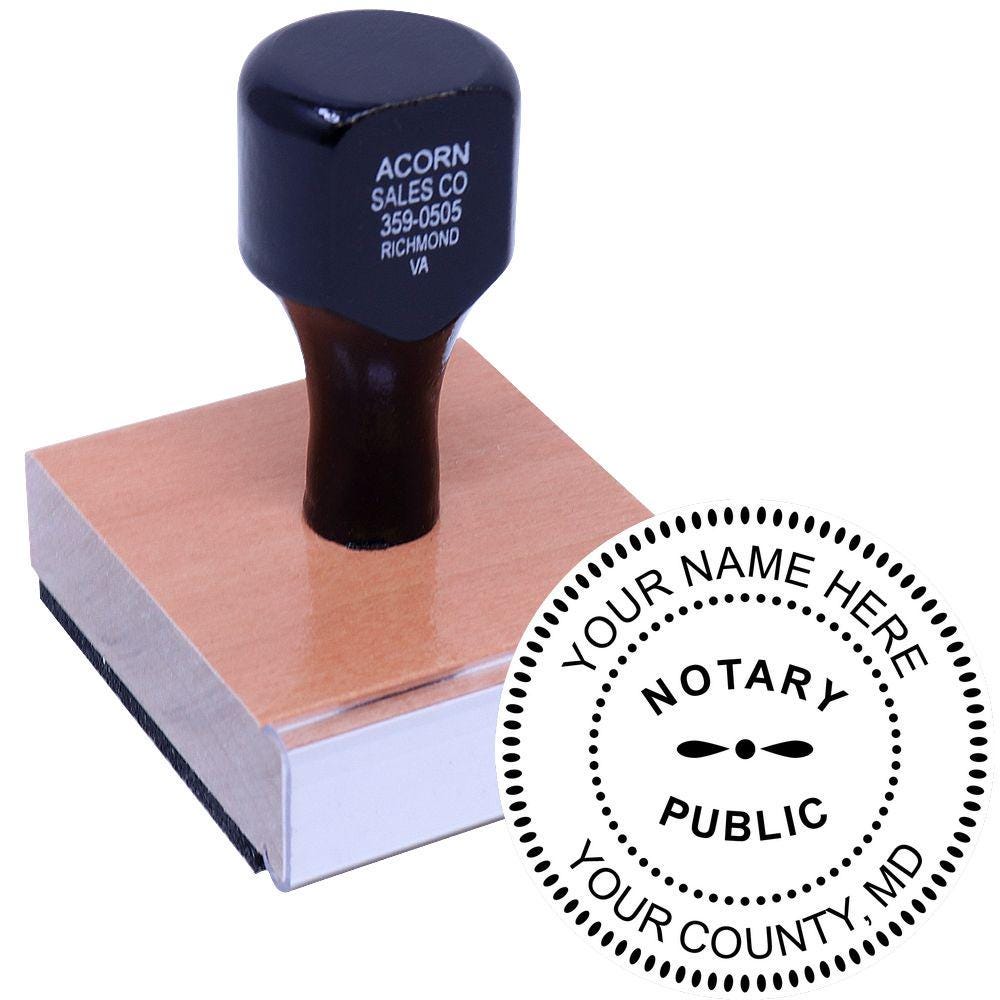
Natural light may brighten a room, but when it comes to serving as a Maryland Notary Public, you need something more official than a sunlit space. You require a reliable, legally compliant Maryland notary stamp and seal that you can depend on for every single notarization. Whether you are just getting started or have been practicing for years, the right stamp-and-seal combination ensures that your notarial acts carry the authority required by the state of Maryland. In this comprehensive guide, you will learn about each critical aspect of shopping for these essential tools, from legal rules to maintenance tips, so you can perform your duties with confidence.
Discover Maryland Notary Basics
Before you pick out your Maryland notary stamp and seal, it helps to understand the fundamentals of your role. As a commissioned notary in Maryland, you serve as an impartial witness. Your key responsibility is to verify the identity of individuals signing important documents. When you affix your notary stamp or use your seal, you signal that the document has been reviewed and validated by a neutral third party.
In other words, your stamp and seal are more than just office supplies. They are official instruments denoting your authority. Every detail—from the imprinted text to the clarity of the impression—reflects your professionalism and the trustworthiness of the documents you handle. By familiarizing yourself with the notary basics, you can more effectively choose the tools that align with Maryland’s requirements, maintain your credibility, and continue offering valuable services to your community.
Meet Legal Requirements
After receiving your commission, you must follow a set of rules and regulations that outline how you should perform notarial acts. Understanding these requirements helps you determine what your Maryland notary stamp and seal should look like, what information both must include, and how you should use them during notarizations.
- Required Information on the Stamp and Seal: In Maryland, most official notarial stamps and seals include your name (as listed on your commission), the words “Notary Public,” and sometimes references to the state or county. Make sure you confirm whether your seal or stamp must also display commission expiration dates or other specifics.
- Authorized Use: Only you, the commissioned notary, may use your notary stamp and seal. Keep these items secure at all times. If you misplace them, notify the appropriate authority immediately to avoid fraudulent use.
- Documenting Notarial Acts: Maryland regulations may require you to keep a record of each notarization you perform. Your official seal or stamp impression is often part of that audit trail. Check local statutes to see if you need an additional notary journal or electronic record-keeping system.
By understanding the essential legal framework, you avoid common pitfalls and keep your notary supplies in line with state expectations. When you adhere to Maryland's rules, you add a layer of trustworthiness to every notarial act you perform.
Choose Your Notary Stamp
A notary stamp may seem straightforward at first glance, but there are actually multiple configurations you can choose from. Each option comes with pros and cons, so your choice depends on factors like your personal preference, workload, and budget.
Self-Inking vs. Pre-Inked
When you shop for a Maryland notary stamp and seal, you will find two popular types of stamps: self-inking and pre-inked.
- Self-Inking Stamps: These come ready with an internal ink pad that re-inks the rubber die after each use. Self-inking stamps are often more affordable and are re-inkable, making them a good option for moderate users who want efficiency without a high initial price tag. After hundreds or even thousands of impressions, you can simply refresh the ink pad and continue.
- Pre-Inked Stamps: Pre-inked models deliver exceptionally crisp, clean impressions. Instead of an internal pad, the ink is embedded directly into the specially designed surface. These stamps can last for thousands of clear impressions but often require a bit more investment at the start. They suit notaries who want consistently sharp marks and are willing to pay a bit extra for the quality and longevity.
When deciding which type suits you best, consider how many documents you typically notarize in a day, week, or month. If your volume is low but precision is paramount, the clarity of a pre-inked stamp could be ideal. If you have moderate to heavy traffic and need to work quickly, a self-inking stamp offers both speed and convenience.
Ink Color and Design
Although black is the most common ink color for notary stamps, Maryland regulations might allow other shades like blue or purple, depending on local guidelines. A contrasting color can help your mark stand out on documents that are already printed in black. Look into your county or local rules to see if a particular color is required or discouraged.
Likewise, consider the overall size and layout of the stamp. You want a tool that is compact enough for storage yet produces a legible impression on various types of paper. If you frequently handle thicker documents or those with glossy surfaces, you may want to test how the stamp ink dries on such media.
Pick Your Notary Seal
A notary seal (often an embosser) is another critical element of your official toolkit. A raised or crimped seal on the paper can further confirm the authenticity of your notarial act.
Embossing vs. Inked Seal
When talking about a Maryland notary seal, you can generally choose between a traditional embosser or a seal that uses ink. Embossers create a raised impression that is easy to feel and see from certain angles. They add an extra layer of security since embossing can be more difficult to forge or replicate. This type of seal also looks professional and distinguished, especially on formal documents like affidavits or legal papers.
Alternatively, an inked seal, which is sometimes used in combination with a stamp, provides a clear visual mark that can be photocopied easily. In some settings, an inked seal may be preferable because the raised impressions from an embosser might not always show up on digital scans or photocopies.
Embosser Materials and Configurations
An embosser typically consists of a metal die set and a sturdy handle or lever. You can find handheld, desktop, or even motorized versions. Handheld embossers are portable but require some grip strength, while desktop versions offer more stability and may produce more uniform impressions. Quality materials like steel or brass ensure your seal stays sharp for a significant time.
The text and design should mirror state guidelines. Most Maryland embosser designs include your name, commission details, and the words “Notary Public.” Because embossers often have a more permanent configuration than stamps, paying close attention to your exact commission name and expiration date is vital.
Explore Trusted Suppliers
Once you are sure about the type of stamp or seal you need, the next step is choosing where to buy them. While you might find many online and local stores that supply notary tools, not all retailers offer the same level of quality or service. For over 60 years, Acorn Stamps has been a trusted, family-operated supplier of Maryland notary stamps and seals. Since 1964, their commitment to stellar customer service has made them a go-to option for many notaries looking to place an order with confidence. Because you deliver critical services each time you notarize an important document, you need tools you can rely on. Acorn Stamps understands the regulations that Maryland notaries must follow, and they know how to craft stamps and seals that meet or exceed your quality expectations.
In addition to an excellent product range, Acorn Stamps typically provides a fast turnaround. When you are just starting out or need a quick replacement, speedy shipping ensures you can continue your work without delay. Even if you are an experienced notary who knows precisely what you want, it never hurts to have a knowledgeable customer service team available to answer questions or address concerns. By choosing a reputable supplier, you avoid common pitfalls like poor-quality impressions, slow service, or inaccurate custom text.
Maintain Your Tools
Once you have secured the perfect Maryland notary stamp and seal, maintenance is the key to ensuring each impression remains sharp and legally compliant. Taking a few moments to give your stamp or seal some care will help you avoid smudges, faint embosses, and other frustrating mishaps.
- Storage: Always store your notary stamp and seal in a protective case or drawer when not in use. This helps keep dust, debris, and direct sunlight away from the ink surface or embossing plates.
- Re-Inking or Replacement: As soon as you notice the impression fading or lines becoming fuzzy, re-ink your stamp if it is self-inking. For pre-inked stamps, you can add ink recommended by the manufacturer. If your embosser plates wear down over time and impressions begin to lose clarity, look into a replacement die or an updated model.
- Cleaning: A gentle wipe with a clean, lint-free cloth can remove excess ink or residue. For embossers, check the metal plates for any paper residue caught in the details. Avoid harsh chemicals that might damage rubber surfaces on stamps or corrode metal components.
- Security: Keep your stamp and seal in a secure location. Do not lend them out to friends or associates, and always lock them up when you are away. This measure helps prevent unauthorized use and protects you from legal issues if your notary tools are misused.
Providing ongoing care for your tools indicates professionalism. As you become accustomed to regular maintenance, you will find that each notarization proceeds smoothly, saving you time while maintaining a polished, trustworthy image in your community.
Review FAQs And Answers
Catering to various queries comes with the territory for a Maryland Notary Public. Below are five frequently asked questions on how best to handle and choose your Maryland notary stamp and seal.
Do I need both a notary stamp and an embosser in Maryland?
The choice mainly depends on state regulations and personal preference. Many Maryland notaries rely on a stamp because it is quick and convenient. Some add an embosser for an extra professional touch. It is always a good idea to check the latest state guidelines to see if a seal embosser is mandatory for your specific type of notarial act.
How soon should I order my stamp and seal after getting my commission?
You can order your Maryland notary stamp and seal as soon as you receive your commission details. That way, you have ample time to verify that the information on the stamp or seal matches your official notary documentation. Make sure you allow for any shipping time, especially if you have notarizations scheduled.
Can I use a different ink color for my notary stamp?
In Maryland, black ink is most common, but some regulations allow specific alternative colors like blue. Always confirm any color restrictions through authoritative sources. When in doubt, black is your safest bet because it reproduces clearly on copies and scans.
What if I move or change my name?
You must update your notary commission information with the state and, if necessary, order a new stamp or seal that reflects your updated details. Until you receive an updated commission, you may need to follow special procedures, such as reapplying or submitting supplemental paperwork. Double-check with Maryland’s notary authority or the office that issues commissions to stay compliant.
How long does a notary stamp and seal usually last?
Longevity depends on how often you use them and the quality of the tools themselves. A self-inking or pre-inked stamp can last for thousands of impressions before needing re-inking or replacement. Embosser plates generally last for many years but can wear down over time, especially if you use them regularly on thicker documents. Proper care and storage prolong their lifespan significantly.
Conclusion
Shopping for a Maryland notary stamp and seal may not be as simple as grabbing the first option you see online. Your choice affects not just how professional your notarial acts appear, but also how smoothly and securely you conduct every transaction. By understanding Maryland’s notary requirements, comparing different types of stamps and seals, and selecting a reputable supplier such as Acorn Stamps, you give yourself the best chance of providing reliable notarial services.
Think carefully about what format suits your workload—self-inking vs. pre-inked stamps and embossing vs. inked seals—so that your toolset meets both your practical needs and the state’s regulations. Then, make sure to maintain your stamps and seals properly to preserve clarity, security, and legality. Ultimately, taking these careful steps will ensure you can perform notarizations with confidence and provide a trustworthy service to every person who needs your help as a Maryland Notary Public.