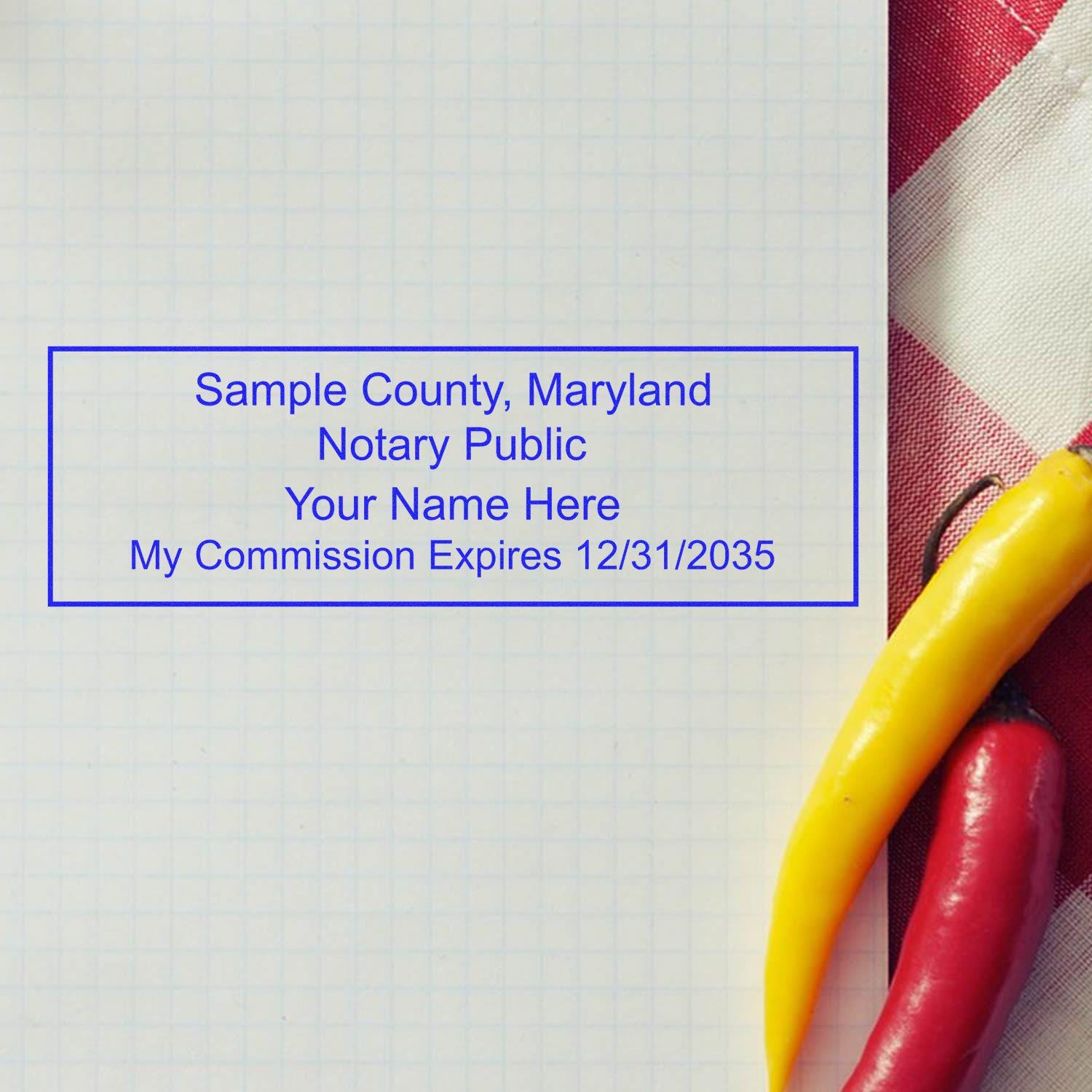
If you are a commissioned notary in Maryland, you know how crucial it is to have a reliable MD notary stamp. This small yet powerful tool helps you certify documents, protect against fraud, and maintain compliance with state regulations. Whether you are new to notarial work or looking to update your existing supplies, understanding what makes a proper Maryland notary stamp is key. Below, you will discover everything you need to know about choosing, using, and keeping your MD notary stamp in top-notch condition so you can continue to serve your community with confidence.
Recognize MD Notary Requirements
Being a notary public in Maryland comes with specific responsibilities. You are entrusted with verifying signatures, administering oaths, and preventing fraudulent activity. To fulfill these duties, the state requires you to use an official notary stamp or seal. Familiarizing yourself with Maryland’s legal guidelines helps you avoid mistakes that could invalidate the documents you notarize.
Know the Legal Standards
- Maryland Commission: To perform notarial acts, you must be commissioned by the state, which typically involves submitting an application, paying fees, and taking an oath of office.
- Required Elements: Your MD notary stamp must include your name as it appears on your commission, your title (Notary Public), and the words State of Maryland. In some cases, the expiration date of your commission is also included.
- Imprint Quality: State guidelines recommend that the stamp’s imprint be clear and legible. Any smudging or unclear text may lead a receiving agency to question the authenticity of a notarized document.
Why Compliance Matters
Adhering to Maryland’s notary rules protects both you and your clients. Any deviation from these requirements can delay important transactions or cause a legal complication if a notarized document is ever challenged in court. By using the correct MD notary stamp, you reinforce the integrity of your work and keep things moving smoothly for everyone involved.
Select the Right MD Notary Stamp
When it comes to purchasing your MD notary stamp, you will quickly notice a range of options in style, size, and ink color. The right choice depends on your personal preferences and your workflow. While functionality is essential, you may also consider aesthetics and adaptability so that your stamp fits seamlessly into your daily routine.
Understand Your Options
- Pre-Inked vs. Self-Inking: Pre-inked stamps generally produce sharper impressions and can last for thousands of uses before you need to re-ink them. Self-inking stamps feature an internal ink pad that re-inks the die each time you press down. Both options provide clean, efficient stamping, so it often comes down to personal preference.
- Round vs. Rectangular: Maryland law does not mandate a specific shape, but round or rectangular are the most common formats. Round stamps are popular for their professional appearance, while rectangular stamps may work better for larger text or if you need to include additional information, such as your commission expiration date.
- Ink Color: Standard colors include black, blue, and sometimes red. Check Maryland’s
guidelines and your clients’ or employers’ preferences. Certain industries may have specific color requirements to help differentiate original documents from photocopies.
Make a Smart Investment
Your MD notary stamp is an essential business tool. Choosing a high-quality manufacturer like Acorn Stamps can save you time, money, and frustration in the long run. Established in 1964, Acorn Stamps is a family-owned and operated company that has been in service for 60 years. This legacy, coupled with their stellar customer service and super fast turnaround, ensures that you get a reliable product and the support you deserve. You can count on a top supplier of Maryland notary stamps and Maryland notary seals to meet the precise requirements of your commission, giving you peace of mind from the moment you open the package.
Apply Your Stamp Properly
Even the best MD notary stamp is only as good as your technique. When a document is placed before you, applying your stamp properly ensures clarity and legibility. Below are a few tips to help you avoid smudges, illegible impressions, and other hindrances that can undermine your notarial acts.
Position the Document
Begin by placing the document on a flat, stable surface. A wobbly or uneven surface can cause the ink to distribute unevenly, resulting in a smeared impression. Make sure you smooth out wrinkles or creases so the stamp can sit flat and transfer ink correctly.
Test the Ink
Before stamping official papers, consider doing a quick test on a scrap sheet. This practice helps you determine if your stamp head needs cleaning or if the ink pad is running low. A simple test stamp also confirms that the details (name, commission expiration, etc.) are printing accurately.
Stamp With Confidence
When you are ready, press your MD notary stamp firmly and evenly onto the document. Apply consistent pressure, then lift the stamp straight up. Avoid pressing too lightly, as partial impressions could raise questions about the stamp’s credibility. If you do not achieve a crisp impression on your first try, it is better to restart on a fresh copy (if allowed) than to leave a partly readable imprint on an important legal document.
Sign and Date Accordingly
Remember that your stamp is only one piece of the notarial process. You must also include a clear signature and the date on the designated lines. Double-check that your hand-signed name matches exactly how you are commissioned, and make sure you add the appropriate notarial wording if the document does not already include it.
Maintain and Store Your Stamp
Like any tool, your MD notary stamp needs proper care to serve you effectively. Regular upkeep ensures crisp impressions and can extend the life of your stamp. This is especially true if you notarize many documents each day or work in various environments.
Clean Ink Residue
Excess ink can build up on the stamp’s impression surface over time, potentially leading to blurred or faint marks. Gently wipe it with a soft, lint-free cloth to keep it free of debris. If you accidentally stamp onto a rough or dirty surface, clean your stamp before using it again to avoid transferring dust or particles onto official documents.
Re-Ink or Replace Pads
If you are using a self-inking or pre-inked stamp, periodically check the ink reservoir. Once impressions start to fade, remove the ink pad according to the manufacturer’s instructions and add the recommended type of ink. Over-inking can cause smudges, while under-inking can result in barely visible text, so follow the guidelines carefully.
Store It Securely
When you are done using your stamp, store it in a clean, dry place. This protects it from excessive heat or moisture that could diminish ink quality or warp plastic parts. If you use a portable notary kit, consider investing in a small carrying case or pouch. Keeping your stamp separate from pens, paper clips, and other items reduces the risk of accidental damage.
Keep It Compliant
Staying compliant with Maryland regulations means more than having the right stamp design. It also involves your record-keeping habits and how you handle each notarial act. A well-organized notary journal is a valuable companion to your MD notary stamp.
Record Details Thoroughly
While Maryland does not require every notary to maintain a journal, many notaries find that logging details like the date, type of document, and signer’s identification provides an extra layer of legal protection. If a transaction is ever contested, your journal can serve as supporting evidence that both you and the signer followed proper protocols.
Update Forms and Certificates
Whenever the state updates notary laws or issues new forms, be sure to adjust your practice right away. This could mean adding new language to your notarial certificates or reevaluating where you place your stamp. By keeping up with current guidelines, you show dedication to your role and protect yourself from potential oversights.
Upgrade Your Notary Tools
While a reliable MD notary stamp tops the list of essential supplies, you might also consider other items to increase your efficiency and professionalism. These additional tools can streamline your day-to-day activities and impress clients who appreciate a well-organized notary.
Maryland Notary Seal
Though Maryland does not forbid notaries from using an embosser in addition to an inked stamp, check your local regulations to confirm if an embossed seal is acceptable for official documents. An embossed seal can lend a classic, professional look to certificates and give added security, as it is more difficult for scammers to replicate an embossed imprint than a simple printed stamp.
Organizational Tools
You might benefit from a secure case or briefcase specifically designed for mobile notaries. Look for compartments to hold your notary journal, extra ink, spare pens, and identification forms. This helps keep everything at your fingertips, whether you are traveling to a client’s home or notarizing documents at your workplace.
Digital Solutions
Some notaries explore online platforms for client scheduling, document storage, and e-signatures. While Maryland’s laws surrounding remote online notarization (RON) have evolved over time, you should always verify the current legislation before using such services. If properly used, digital notary solutions might help you expand your client base and provide more convenient services.
Why Choose Acorn Stamps
Finding a reliable supplier for your MD notary stamp is critical for your daily operations. After all, each notarization hinges on your ability to produce a legible, compliant impression. When you partner with Acorn Stamps, you are tapping into decades of expertise and exceptional customer service.
Our History and Expertise
Acorn Stamps has been family owned and operated since 1964, which means you benefit from more than 60 years of industry insight. Over the decades, the company has honed its manufacturing processes to deliver precision, durability, and consistency. You can trust that each Maryland notary stamp you get from Acorn Stamps meets legal requirements and stands the test of time.
Customer-Centric Approach
Stellar customer service is at the heart of Acorn Stamps. Whether you need a simple round notary stamp or a custom design, the team understands the intricacies of Maryland notary specifications. They also provide super fast turnaround, so you do not have to wait long to receive your stamp, even if you are nearing a crucial deadline. Questions or concerns? Friendly support is ready to help you choose the right stamp and walk you through any troubleshooting steps you might need.
One-Stop Shop
Beyond your MD notary stamp, Acorn Stamps offers a full range of notary supplies. From extra ink pads to embosser seals, you can find everything you need in one place. This convenience cuts down on your to-do list and allows you to keep all your supplies consistent in appearance and quality, adding a professional polish to every notarial act you perform.
FAQs About MD Notary Stamps
What Must My MD Notary Stamp Include?
According to Maryland law, your stamp must contain your name exactly as it appears on your notary commission, your official title (Notary Public), and the words State of Maryland. You may also include your commission expiration date if desired or specifically required.
Can I Use Any Ink Color for My Stamp?
While black is the most frequently accepted color, Maryland does not strictly mandate which color you must use. However, some offices and recipients might require or prefer a specific color, like blue, to distinguish original documents from copies. Always check the preferences of the entity receiving the notarized paperwork.
How Long Does a Typical Notary Stamp Last?
The lifespan depends largely on the type of stamp (pre-inked or self-inking) and how often you use it. With proper storage and care—cleaning the die and re-inking whenever needed—these stamps can produce thousands of impressions before requiring replacement or significant maintenance.
Is an Embossing Seal Required in Maryland?
Maryland does not require notaries to use an embosser. An inked stamp generally suffices for official notarial acts. However, some notaries prefer to add an embosser for aesthetic reasons or added security. Make sure to verify whether the specific document or transaction allows embossed seals.
Where Can I Buy a Reliable MD Notary Stamp?
You can order a high-quality Maryland notary stamp from Acorn Stamps, a family-owned business operating since 1964. They provide a variety of stamp styles, offer super fast turnaround, and ensure you remain compliant with Maryland’s legal requirements. With stellar customer service, you will find the right stamp to match your personal or professional needs.
By choosing a proper MD notary stamp and following Maryland’s notary regulations, you uphold the integrity of your commission and protect every document you notarize. Alongside a commitment to best practices—like maintaining accurate records and keeping up with state laws—your stamp plays a vital role in preventing fraud and ensuring legal certainty. Whether you are obtaining your first stamp or upgrading your current notarial supplies, make it a priority to select a trustworthy provider like Acorn Stamps, where decades of experience meet the highest standards of customer care. Armed with the right tools and knowledge, you can continue providing reliable notarial services to your community for years to come.