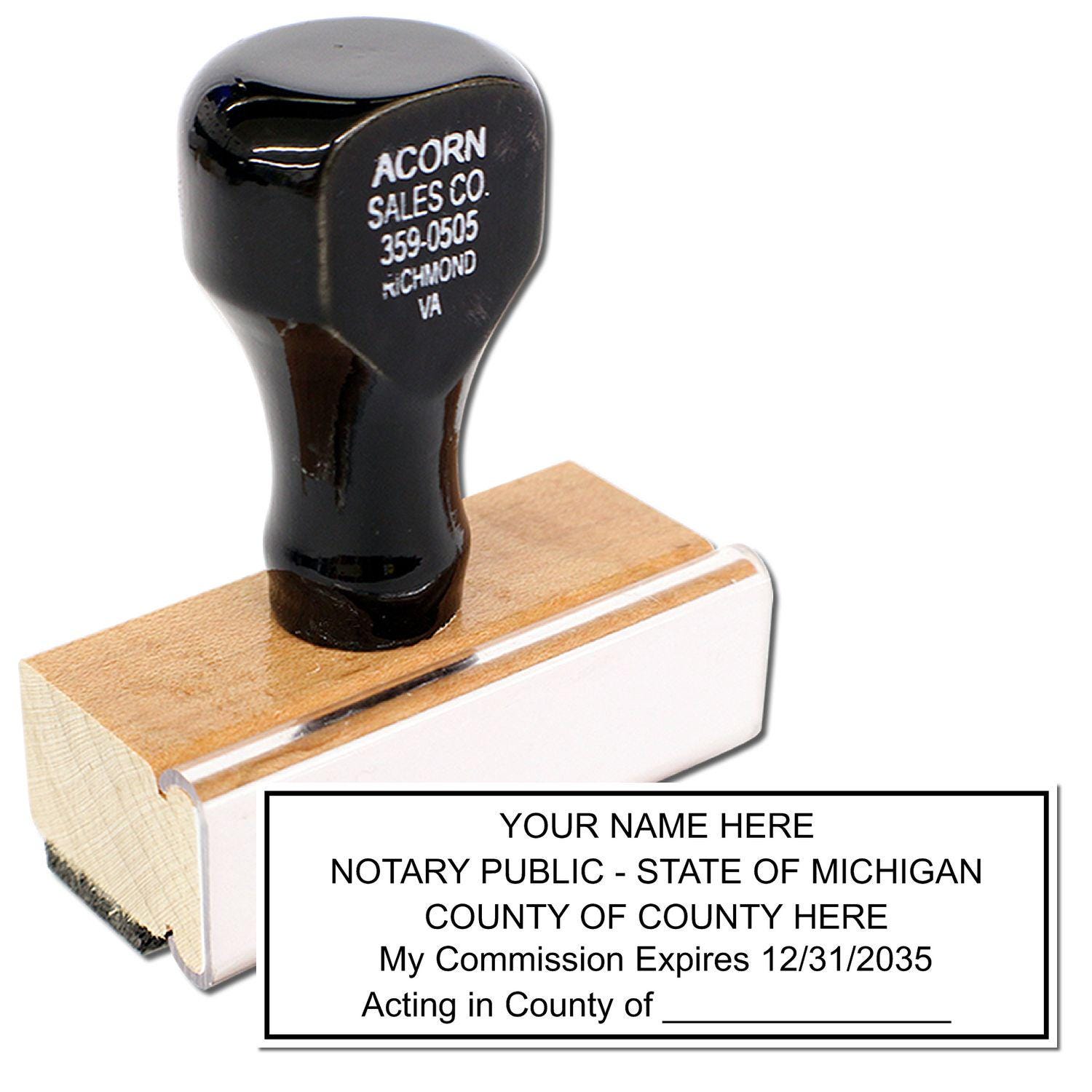
If you work as a Michigan Notary Public, you know how crucial it is to have a reliable michigan notary seal embosser by your side. This small but powerful tool leaves the raised impression that validates your notarial acts. But how do you choose the right embosser for your day-to-day responsibilities, and how can you keep it performing at its best? Below, you’ll find everything you need to know, from the practical features to look for to tips on proper care. Whether you’re just starting out or looking to upgrade, this guide will make your search for a dependable notary seal embosser much simpler.
Explore Michigan Notary Seal Embossers
Because Michigan requires notaries to authenticate different types of documents, having a high-quality embosser matters. You’ll leave a professional imprint that confirms the document is notarized under the state’s regulations. Here’s why choosing the right embosser is essential for everyday use:
- It helps legitimize your notarial acts in a clear, recognizable way.
- It demonstrates your attention to detail and credibility as a notary.
- It contributes to a smoother signing ceremony, reducing the risk of improper stamp placement.
Most importantly, your embosser is a reflection of the care you bring to your notarial duties. Clean, precise impressions ensure recipients trust your work.
Understand Key Features
The notary seal embosser isn’t just about pressing a stamp onto paper. Each part of its design has a purpose to ensure crisp, professional results:
Type of Impression
When you press your embosser onto a document, the raised seal it creates should be easy to see and feel. You’ll find two common styles:
- Handheld Embossers: Small, portable tools that are easy to carry in your bag, briefcase, or pocket.
- Desk Embossers: Larger devices that rest on a tabletop and often require less hand strength to operate, especially if you handle a high volume of notarizations.
Both handheld and desk models can produce excellent results. However, if you travel frequently, a portable handheld version might be more convenient.
Metal Build and Durability
Look for embossers with a solid metal frame. Processed steel or brass bases often last for years, even with daily use. A well-built embosser resists bending or misalignment. Think of it as an investment that will pay off in reliable impressions.
Ease of Use
Comfort is key when you’re using an embosser regularly. Some factors to consider:
- Ergonomic grips reduce strain on your hands and wrists.
- Smooth lever action helps you create consistent pressure.
- A user-friendly design ensures you can place your seal exactly where you want it on the page.
By prioritizing these features, you’ll be less likely to experience fatigue or inconsistencies.
Choose the Right Design
Though your Michigan notary seal embosser must follow state guidelines for shape and information, you have a few ways to customize it:
- Round vs. Rectangular Seal: Michigan rules commonly adhere to round embossers. Still, verify the allowed shape to match local regulations.
- Personalized Details: Your name, title, and commission expiration are standard, but you can choose a font and layout that make your seal unique while adhering to legal requirements.
Remember that uniformity across your notary toolkit can help everything look professional and consistent. If you already have a matching notary stamp, coordinate your embosser’s design to complement it.
Use Tips for Crisp Impressions
An embosser only does its job well if you apply it correctly. With just a few simple steps, you can ensure a clean, raised seal every time.
Pressure and Positioning
- Align the embosser carefully over the desired area.
- Press down firmly and steadily, using consistent pressure across the entire seal plate.
- Try not to rush. Even a brief pause while pressing can help the raised design take shape.
Paper Thickness
Heavier paper stocks show off an embossed seal beautifully. However, if you need to emboss lighter paper, try placing a thin supportive sheet underneath for stability. This extra backing ensures the seal can leave a clear, well-defined imprint even on fragile pages.
Caring for Your Embosser
Regular maintenance extends the life of your embosser and guarantees you’ll continue making clear imprints. Fortunately, most embossers don’t require extensive upkeep.
- Store it in a protective case or pouch. Keeping your embosser in a safe spot prevents dust buildup and mitigates the risk of scratches.
- Keep it dry. Exposure to moisture can cause metal components to rust or degrade over time.
- Wipe off dust or residue with a soft cloth. This avoids accumulation of debris that helps keep the plates clean and precise.
With a little care, your embosser can last throughout your entire notarial commission and beyond.
Rely on Acorn Stamps
When it comes to finding the ideal michigan notary seal embosser, you want a supplier you can trust. That’s why turning to Acorn Stamps is a fantastic choice. Here’s why you can count on us:
- Top Supplier of Michigan Notary Stamps and Seals: We understand the specific requirements of Michigan’s notaries and ensure our seal embossers meet those standards.
- Stellar Customer Service: If you have questions about choosing the right embosser, or if you need help maintaining it, we’re here to guide you every step of the way.
- Super-Fast Turnaround: We know you can’t wait long for your notary supplies. Our quick shipping options can help you get back in business sooner.
- Family Owned and Operated Since 1964: With 60 years of service, we take pride in the care and craftsmanship that go into every Michigan notary seal embosser we produce.
We’re committed to making sure you’re fully satisfied, so you can focus on carrying out your notarial duties confidently and efficiently.
Frequently Asked Questions
Below are some questions we often hear from both brand-new and experienced Michigan Notary Public professionals. If you need more insight, these answers may help clarify any outstanding concerns.
What Is the Difference Between a Notary Embosser and a Notary Stamp?
They serve similar purposes in verifying notarial acts, but stamps leave inked impressions, while embossers create raised imprints. Many notaries use both, depending on the type of document or client preference.
Does Michigan Require an Embosser?
Michigan notary laws don’t make an embosser mandatory. However, it’s often recommended since it provides a tamper-evident seal that’s harder to replicate. It also adds a professional appearance to official documents.
How Can I Ensure Consistent Impressions Every Time?
Applying steady pressure and using the embosser on a stable surface are the best ways to keep your seal impressions uniform. Also, maintaining your embosser by cleaning it regularly prevents buildup that can blur your seal.
What if My Embosser Loses Alignment Over Time?
In rare instances, heavy use may cause the plates to loosen or shift. If your seal appears crooked or unclear, it’s best to contact the manufacturer for possible readjustment or replacement parts.
Can I Carry a Handheld Embosser Everywhere I Notarize?
Absolutely. Many Michigan notaries prefer a portable handheld unit for mobile notary assignments. Just keep it in a protective case to prevent damage, and be sure to use caution in extreme temperatures or wet conditions.
By choosing the right Michigan notary seal embosser, you elevate the professionalism and legitimacy of every document you handle. From selecting a durable model to caring for your embosser properly, you’re in total control of creating impressions that instill confidence in your signers. When in doubt, you can always turn to Acorn Stamps to find the perfect fit that aligns with Michigan regulations and meets your daily notary needs. Here’s to many smooth, successful notarizations ahead!