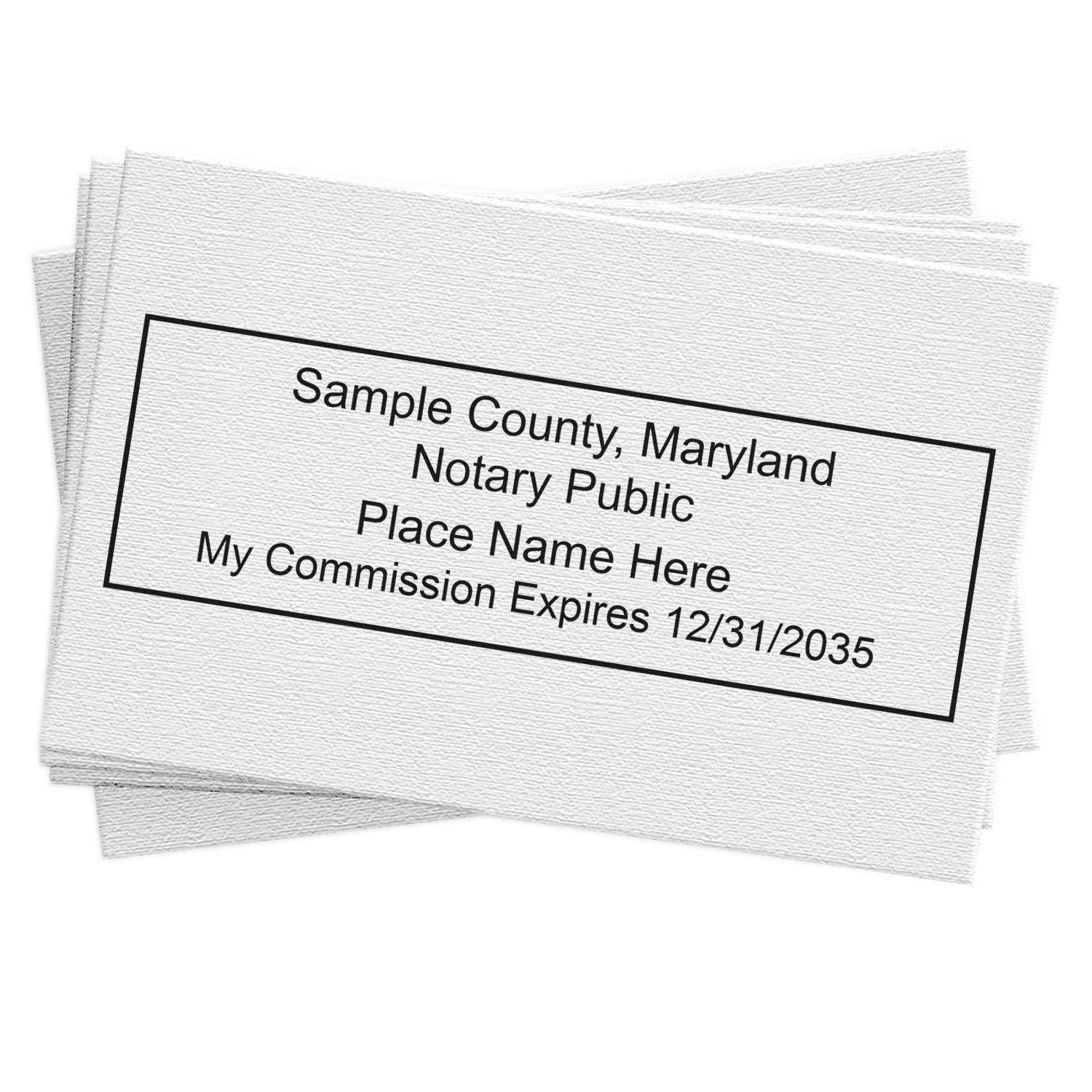
Understanding Maryland Notary Stamp Requirements
If you serve as a Maryland Notary Public, you already know that accurate documentation is crucial. However, one of the most important parts of this process often goes overlooked: meeting Maryland notary stamp requirements. Your notary stamp is more than just an inked impression. It’s an official marker that authenticates legal documents and ensures your work is recognized according to Maryland state guidelines. By learning the ins and outs of these requirements, you set yourself up for stress-free notarizations and a more confident notarial practice.
In this guide, you will discover exactly what Maryland notary stamp requirements entail, why these regulations exist, and how to select the perfect stamp. You will also learn how to maintain your seal for long-term use and find sensible ways to avoid common pitfalls. Throughout, you will pick up tips to keep your notarizations efficient, compliant, and professional.
Why Stamp Rules Matter
You might be thinking: “Why are there so many rules about a notary stamp?” The answer is straightforward. The State of Maryland mandates specific notary stamp guidelines to protect the integrity of signed documents. Fraud prevention is one of the main reasons these regulations exist. By adhering to the official size, format, and wording, you ensure your notarial acts pass legal scrutiny. If there’s uncertainty about the seal or if it doesn’t meet the official standards, the documents you notarize could be called into question later.
Having a compliant stamp also safeguards you as a notary. If issues arise concerning your notarized documents, you can demonstrate that you followed Maryland notary stamp requirements precisely. This not only fosters trust with signers but also upholds the credibility of your office.
Key Components Of A Maryland Notary Stamp
Before you pick a rubber stamp or self-inking model, be sure you know what elements Maryland requires. While variations in style and ink color exist, the following features typically need to be included:
- Your Name As Commissioned
You must use your full legal name exactly as it appears on your commission. This consistency ensures no confusion about the identity of the notary.
- The Words “Notary Public”
Clearly indicating your status is crucial. The text “Notary Public” is required so anyone reviewing the document sees you have official standing.
- The Words “Maryland” Or “MD”
Including “Maryland” (or an abbreviation like “MD”) shows the seal is valid within the state. This fosters clarity across different jurisdictions.
- The County Or City Of Commission
Some versions of Maryland notary stamp requirements also recommend or require listing your commission’s county or city. Verify with the Office of the Secretary of State if this is necessary based on local regulations.
- Consistent Shape And Size
While there isn’t a strict universal size mandated, stamps are generally expected to be clear and readable. Oval, rectangular, or circular shapes can all be acceptable, but clarity is the top priority.
Ensuring A Smooth Application Process
If you are new to the notarial field or renewing your commission, following the application rules will help you avoid unnecessary hitches.
Validate Your Information
One of the most important steps is verifying all the details the state has on file. Double-check spellings, addresses, and other personal facts. A small discrepancy in your name could lead to confusion when ordering your stamp. By catching errors early, you will save time and money.
Follow The Maryland Handbook
Maryland provides an official Notary Public Handbook, which covers specific guidelines on commissions, documents, and stamps. Make sure you read and reference the handbook before applying, and keep an updated copy easily accessible throughout your term. It might seem like extra reading, but it is an invaluable resource that clarifies your responsibilities.
Watch For Deadlines
Be mindful of your commission’s expiration date. If you wait too long to renew, you risk a lapse in your authority to notarize. Plan ahead and order any needed notary supplies well in advance to ensure you have your new stamp ready.
Choosing The Right Stamp For Your Needs
When it comes to picking the right notary stamp, you are not limited to a single option. In fact, understanding the differences between the various types can help you streamline your day-to-day duties. Below are some popular formats that comply with Maryland notary stamp requirements:
Traditional Wood-Handle Stamp
A wooden-handle stamp is a tried-and-true classic. This type requires a separate ink pad, which gives you flexibility in choosing ink colors. However, you need to ensure you always have a properly inked pad on hand, so it might involve a bit more upkeep.
Self-Inking Stamp
A self-inking stamp has an internal ink pad, making it more convenient for repetitive stamping. As long as you keep it filled with a proper ink supply, you can swiftly seal multiple pages without fishing around for a separate pad.
Pre-Inked Stamp
Pre-inked stamps typically offer crisper, more detailed impressions because the ink is embedded in the die. These models often last longer between re-inking sessions. They can be slightly more expensive initially, but many notaries find the convenience and clarity worth the extra cost.
Considering Shape And Aesthetics
Stamp shape can be a matter of personal taste. Whether you choose rectangular, circular, or oval shapes, what truly matters is that your crucial notary details are clear and legible. If you want to project a more professional or unique image, consider a distinct layout while still aligning with Maryland’s rules.
Caring For Your Maryland Notary Stamp
Once you purchase a stamp that meets Maryland notary stamp requirements, caring for it properly will ensure clean and compliant imprints for the duration of your commission.
Storage And Protection
Protect your stamp by storing it in a secure location so no one else can access it for unauthorized use. Keeping it in a drawer or lockbox is a great way to maintain confidentiality. The official stamp is a powerful tool; treat it seriously.
Re-Inking And Replacement
For self-inking or pre-inked models, re-inking is straightforward. Follow the manufacturer’s guidelines, and only use recommended inks. If your stamp is producing faint images even after re-inking, it could be time to replace it. Using a worn-out stamp that yields unreadable details is never a good idea.
Regular Inspections
Every now and then, test your stamp on a spare piece of paper. If the date, name, or any crucial text appears blurred, misaligned, or partially missing, take immediate steps to fix or replace. Keeping an eye on its performance will help you avoid embarrassing or legally questionable errors on official documents.
Common Pitfalls And How To Avoid Them
Mistakes happen, but some errors repeatedly occur among notaries. Here are a few pitfalls and strategies to prevent them:
- Not Keeping Up With Changing Laws: Maryland may occasionally revise notary regulations, including those related to your stamp. Subscribe to official state bulletins or newsletters to stay updated.
- Misplacing The Stamp: If someone else gets hold of your stamp, it can be misused. Always lock it away when not in use.
- Using Ink That Is Too Light: Light ink can pose readability issues, especially if documents are scanned or photocopied. Choose a dark, high-contrast ink color to ensure clarity.
- Forgetting To Record Notarial Acts: While this goes beyond the physical stamp, keep track of each notarization in your journal. Proper records protect you if disputes arise later.
How Acorn Stamps Can Assist You
When you are ready to order a stamp that meets every aspect of Maryland notary stamp requirements, Acorn Stamps can help you with a seamless experience. Family owned and operated since 1964, we have proudly served notaries for 60 years and counting. We understand how essential it is to get your stamp right the first time, so we focus on details like crisp impressions, correct layout, and sturdy construction.
You can choose from a variety of self-inking, pre-inked, and traditional styles that satisfy the official state regulations. Our team is known for stellar customer service and super fast turnaround times, so you will have your new stamp in hand quickly—perfect if you need a last-minute replacement or are approaching a commission renewal date.
Additionally, we provide Maryland notary seals for those who want an official embosser alongside their stamp. The combination of a sharp notary stamp and a raised notary seal can convey an extra level of professionalism that signers (and their attorneys) appreciate. Whatever your choice, you can trust Acorn Stamps to deliver reliable products crafted to hold up through countless notarizations.
Double-Checking Your Documents
Once you have received your brand-new Maryland-compliant stamp, you will likely be stamping documents day in and day out. Before finalizing any notarized document, take a moment to review:
- Is the stamp impression fully readable?
- Did you include your signature and the date correctly?
- Does the document alignment allow for the seal and your signature to stay on the page without bleeding into margins or overshadowing other text?
A quick final glance can save you from the hassle of redoing an official document or facing questions about its validity. This habit might also catch missing pages, incorrect signers, or other oversights that could cost you time and credibility.
Practical Tips For Everyday Notarization
Even with the right stamp, the notarial process can feel overwhelming. Here are a few practical tips to keep in mind:
- Develop A Checklist: Write down the steps you must follow every time you notarize. Repeat this checklist for each client or signer so you never miss a requirement.
- Stay Organized: Keep your journal, stamp, and customer files in one place to streamline your workflow. The more uncluttered your space, the less likely you are to misplace important items.
- Communicate Clearly: People who need documents notarized often have questions. By patiently explaining each step, you can reduce confusion and speed up the process.
- Offer A Professional Atmosphere: Even if you work from home, designate a small corner for official business. A clean, organized space puts signers at ease and underscores your professionalism.
Handling Special Notarial Situations
Every so often, you might face unusual or special circumstances that challenge your knowledge of Maryland’s notary rules. Here are a few scenarios and how to handle them:
- Remote Online Notarization (RON): Maryland offers remote notarization under specific conditions. Ensure you understand additional technology and ID-checking requirements if you provide RON.
- Foreign Language Documents: While you are allowed to notarize foreign language documents, make sure you can identify the essential notarial elements. Never notarize a document you do not fully understand.
- Signature By Mark: In cases where a signer cannot write a full signature, you might witness them sign by marking an “X” in the presence of witnesses. Double-check the guidelines in the Maryland Notary Public Handbook to ensure compliance.
Renewing Your Commission
Every notary must renew their commission at expiration. Don’t allow your license to lapse, as that could affect your ability to legally perform notarial acts. When renewing, update your personal information with the Secretary of State if needed. If you have moved or changed your legal name, make sure you reflect these changes in your official documentation and reorder or update your stamp promptly to match your new details.
This is also an ideal time to upgrade to a new stamp model. As notarial technology evolves, you might find fresh options that save time or provide crisper impressions. You will also have the opportunity to refresh your knowledge by reviewing any regulatory updates implemented since your last commission period.
Final Thoughts On Efficient Notarization
Meeting Maryland notary stamp requirements does more than ensure compliance. It streamlines your notarial practice and helps your signers feel confident in their documents. By understanding the key components, selecting the right stamp, and following best practices, you protect your reputation and expand your professional opportunities.
Having the right partner in this process can make all the difference. Acorn Stamps, with its legacy of 60 years in the business, offers a personal touch you can count on. Whether you need guidance on design options or a speedy turnaround to meet a pressing deadline, our focus is on delivering the highest quality stamps and seals for Maryland notaries like you. With the right knowledge and the best supplies at your disposal, you will be ready to handle any notarization request that comes your way.
Frequently Asked Questions
Do I Need To Include My Full Name On My Maryland Notary Stamp?
Yes. Maryland notary stamp requirements state that the name on your stamp must exactly match the name on your commission certificate.
Can I Use Any Ink Color For My Notary Stamp?
While many notaries in Maryland use black ink for clarity, the state does not strictly forbid other dark ink colors. However, always choose an ink color that stands out clearly on the document and photocopies legibly.
How Often Should I Replace My Notary Stamp?
This depends on how frequently you notarize. If the impression starts to fade or key details are not readable, re-ink or replace it immediately. A worn stamp can invalidate the notarial act if the required information is unclear.
Can I Let Someone Else Borrow My Stamp?
Never. You alone are responsible for your official seal. Letting someone else use it can compromise your notarial acts and lead to serious legal implications.
What's The Turnaround Time For Ordering A New Stamp From Acorn Stamps?
Acorn Stamps prides itself on super fast turnaround. You can typically expect to receive your new stamp within a few business days, especially if you choose expedited shipping. If you need it urgently, just let us know, and we will do our best to accommodate you.
By staying current on requirements and keeping your stamp in top condition, you will simplify the notarial process for yourself and your clients. Maryland’s notary regulations are designed to protect everyone involved, and a fully compliant notary stamp is one of your most vital tools. Whether you are renewing your commission or starting fresh, a well-chosen stamp from Acorn Stamps ensures you can notarize with confidence, trustworthiness, and professionalism every time.