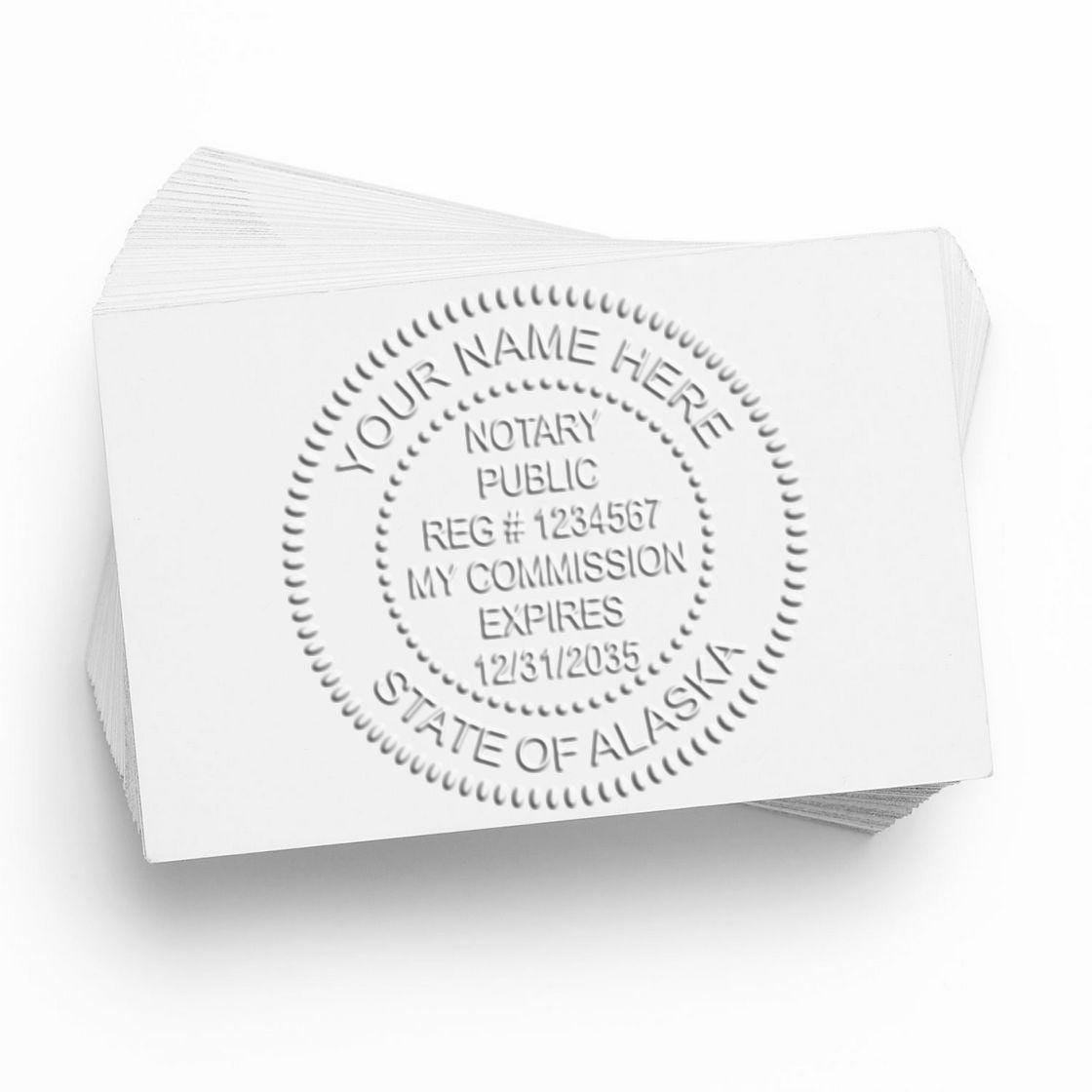
Understand the Role of an AK Notary Seal
Choosing the right AK notary seal is an essential step in your journey as an Alaska Notary Public. Your seal does more than just emboss or stamp documents. It affirms your identity and integrity every time you notarize an important paper. Having a clear, compliant seal helps protect you and your clients, ensuring that each notarized document meets state guidelines. An AK notary seal can come in various shapes and formats, but every design aims to do the same thing: confirm that you are authorized by the state to witness and validate signatures. Whether you are a newly commissioned notary or a seasoned professional, understanding the importance of a high-quality seal can save you time, reduce errors, and solidify your credibility. You will find that many notaries choose stamps or embossers that align with Alaska’s legal requirements, but practicality and convenience also factor into the decision. If a notary seal is difficult to read, it might not satisfy official standards, which could lead to document rejections. To avoid this, you should carefully consider the factors that matter most to you, such as design, clarity, and ease of use, before making a final purchase.
Know the Different Notary Seal Types
You have several AK notary seal types to pick from, and each option offers benefits depending on your personal and professional needs. Below are some of the most common formats to help you compare and decide:
Self-Inking Notary Stamps
Self-inking stamps come preloaded with ink, so you can quickly stamp multiple documents without pausing to re-ink. They are incredibly convenient in high-volume situations or when you need to notarize documents in quick succession. The ink pad is built into the device, which usually helps keep your workspace clean.
- Pros: Fast, low-mess, easy to store.
- Cons: May eventually need an ink refill, can dry out if not used regularly.
Pre-Inked Notary Stamps
Pre-inked stamps offer crisp, clean imprints because the ink is stored within the stamp's body. Unlike self-inking stamps, they do not have a separate ink pad, which can mean a sharper impression. However, they may require a bit more pressure when stamping. These stamps also tend to hold enough ink for thousands of notarial actions before needing a refill.
- Pros: High-quality impression, very quiet, durable.
- Cons: Can be slightly more expensive upfront, re-inking might require special ink.
Embossing Seals
An embosser adds a raised impression on the page. This classic approach offers a distinctly professional look, making your documents visually stand out. Some notaries appreciate the tactile feel only an embosser can provide. However, keep in mind that embossed impressions might be challenging to reproduce or scan, so you may need ink to accompany it if digital or photocopied records are often required.
- Pros: Offers an official, classic appearance, works even without ink.
- Cons: Harder to read on scans, requires more physical effort, can be bulky to carry around.
Handheld and Desktop Varieties
Besides the type of imprint, you should also consider the seal’s form factor. Handheld seals are compact, so they are easy to bring with you if you frequently notarize documents off-site. Desktop versions often have a sturdy base and a lever mechanism for quick, reliable impressions.
- Pros: Desktop embossers are stable, handheld embossers are portable and convenient.
- Cons: Desktop versions can take up more space, handheld devices might be trickier to grip for extended use.
By familiarizing yourself with these seal types, you can narrow your choices and focus on the one that matches your workflow. Every notary has unique needs, and finding a seal that fits your personal style helps ensure you will use it confidently and consistently.
Explore the Key Factors for Selection
It can be overwhelming to weigh every possible detail when comparing AK notary seals. However, focusing on a few key factors makes this process more manageable and ensures you land on the right choice.
Compliance With Alaska Requirements
Alaska regulations dictate certain guidelines for notary seals, such as including “Notary Public” and “State of Alaska,” along with your name and commission details. Always verify that the seal you plan to purchase aligns with these requirements. Non-compliant seals may cause legal complications or lead to document rejections.
Readability and Impression Quality
Regardless of whether you choose a self-inking stamp or an embosser, your seal should produce a clear and legible impression. Avoid designs that cram too many details into a small space or that use complex fonts. Remember, a neat impression not only upholds your professional appearance but also makes it easier for others to confirm the seal’s validity.
Durability and Lifespan
Your AK notary seal is something you will use for years to come. Opt for a product made of durable materials. You want a handle or housing that can withstand regular use, as well as a reliable stamping mechanism. An embosser or stamp that breaks down quickly can derail your work and might require a sudden replacement.
Portability and Comfort
If you often travel to meet clients, a compact, lightweight notary seal may be best. Handheld embossers and self-inking stamps with a protective cover are popular for on-the-go professionals. Additionally, look for designs that feel comfortable to grip and operate, especially if you plan to notarize many documents in a single session.
Additional Customization
Some Alaska notaries enjoy adding personal touches, like different ink colors. As long as your design meets legal specifications, you can often incorporate small custom elements to give your seal a more polished look. Think about whether you want a circular or rectangular design, or if you prefer plastic or metal construction. Such preferences might seem minor but can influence how satisfied you feel about your choice in the long run. Focusing on these major criteria can help you make a decision that meets both Alaska’s guidelines and your own preferences. In the end, the best seal is one that simultaneously addresses legal compliance, personal style, and usability.
Find a Trusted Supplier for AK Seals
After narrowing down the seal type and features you prefer, the next step is ordering from a reputable supplier. Even the most carefully chosen notary seal will not mean much if the final product is poorly made or does not comply with Alaska’s regulations. Here is how you can find a partner you can trust:
Look for Industry Experience
Suppliers with a proven track record are more likely to know the ins and outs of Alaska’s notary laws, ensuring the final product meets official standards. Acorn Stamps is a top supplier of Alaska notary stamps and Alaska notary seals, with 60 years of service and counting. Family owned and operated since 1964, Acorn Stamps understands the importance of delivering superior quality in every product.
Check Customer Reviews
Reading reviews and testimonials often reveals how well a supplier handles issues like defective items or shipping delays. A company with stellar customer service is invaluable when it comes to resolving problems quickly. If a supplier consistently receives praise for clear communication, reliable products, and prompt responses, they might be a great fit for your needs.
Evaluate Turnaround Times
When you need your AK notary seal quickly, super fast turnaround becomes a top priority. Make sure to confirm typical production and shipping times, particularly if your notarial duties are time-sensitive or if your schedule is fully booked. A reliable supplier will offer expedited services or make every effort to deliver your seal as fast as possible.
Ask About Replacements or Repairs
Even well-made seals can occasionally fail. A supplier that addresses defects willingly and provides clear repair or replacement policies will save you headaches down the road. If you ever experience an issue, you want to know your provider will stand behind their product and help you get back up and running quickly.By researching and selecting a trustworthy company such as Acorn Stamps, you can ensure your seal meets the highest standards of quality and compliance. This choice will support your professionalism and reinforce your reliability as an Alaska Notary Public.
Learn How to Maintain Your Seal
Once your AK notary seal arrives, proper care will keep it functioning reliably. You want consistent, crisp imprints throughout your commission, and the right maintenance routine will help you achieve that.
Store Your Seal Properly
Whether you use a stamp or an embosser, protect it from extreme temperatures or direct sunlight, as heat and moisture can affect the ink or the metal components. When traveling, consider a sturdy pouch to guard the seal from scratches or accidental damage.
Re-Ink Regularly
If you choose a self-inking or pre-inked stamp, watch for faded imprints or partial impressions. These are signs you may need to re-ink. Always use the manufacturer-recommended ink to avoid clogging or damaging internal mechanisms. Avoid over-inking, which can lead to blotted or messy stamps.
Keep Moving Parts Lubricated
Embossing seals often have small moving parts. A drop or two of an appropriate lubricant can keep the handle and die plates smooth. Always test a few practice embosses after lubricating to ensure there is no excess residue or slipping.
Perform Routine Inspections
Make it a habit to inspect your seal for wear and tear every couple of months. Confirm that your personal details remain legible and that the seal still meets Alaska’s guidelines. Over time, repeated use might dull the raised letters on an embosser or degrade the stamp plate. Addressing any damage early can prevent you from accidentally using a non-compliant or illegible seal. A little upkeep can extend your seal’s life and maintain the crisp impressions you need for official documents. By dedicating a small amount of effort to cleaning, re-inking, and inspecting, you ensure that your notary seal remains a reliable asset for every notarization.
Frequently Asked Questions
What Are the Alaska Notary Seal Requirements?
You must ensure your seal displays your commission name, the words “Notary Public,” and “State of Alaska.” The exact layout may vary depending on whether you choose a stamp or an embosser, but those elements should appear clearly to comply with state regulations.
Can I Use a Color Other Than Black Ink?
Many notaries do use black ink because it is universally accepted and easy to read. However, Alaska does not expressly forbid other ink colors. If you opt for a different color, make sure it creates a clearly legible imprint that adheres to official guidelines.
How Often Should I Replace or Re-Ink My Seal?
This depends on how frequently you notarize. Heavy users might need to re-ink a self-inking stamp every few months, while lighter use could allow a stamp to last years. Embosser plates typically need replacement or refurbishing only after thousands of impressions or if you notice the raised letters wearing down.
Do I Need Multiple Seals for Different Situations?
Some notaries prefer to keep both a stamp and an embosser on hand. This setup can be handy if you deal with documents that require scanning (where an ink stamp is clearer). If you primarily handle printed originals that do not require digital duplication, an embosser alone might suffice.
Where Can I Find a Reliable AK Notary Seal Provider?
Look for a company with a strong record of experience, knowledge of Alaska regulations, and a commitment to outstanding customer service. Acorn Stamps is family owned and operated since 1964, offering super fast turnaround and top-quality seals that align perfectly with Alaska’s official guidelines. By taking the time to explore your options and understand the nuances of an AK notary seal, you can confidently choose a product that suits your day-to-day workflow and aligns with Alaska’s regulations. A quality seal not only upholds your professionalism but also adds to your sense of pride in the notarial services you provide for your community.