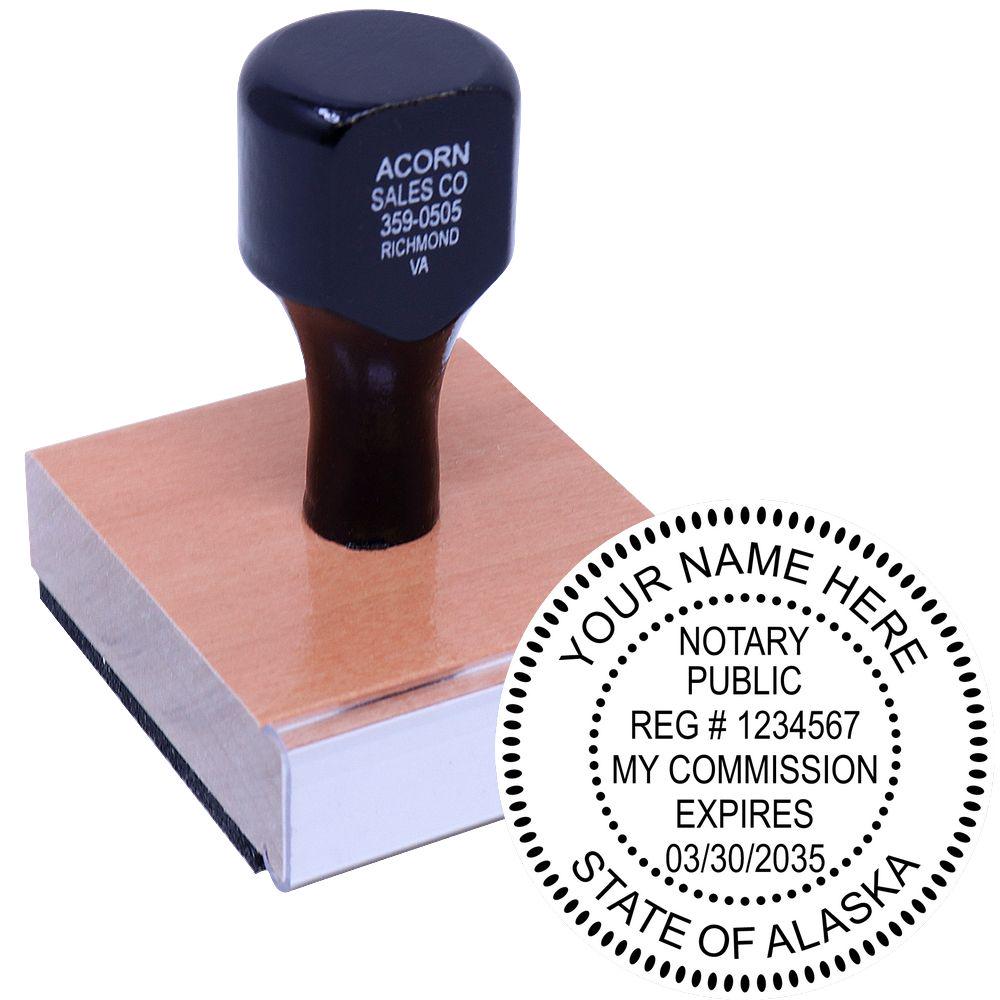
When you serve as an Alaska notary public, having the right Alaska notary supplies on hand not only helps you perform your notarial duties smoothly but also ensures you meet state requirements. From reliable stamps to secure embossers, each piece plays a role in protecting the integrity of your work. This guide walks you through the must-have items you need in your office, what to look for when purchasing them, and how to keep everything organized.
Understand Your Alaska Notary Supplies
To successfully fulfill your role as a notary in Alaska, you rely on a few primary supplies. These tools allow you to authenticate documents, prevent fraud, and foster trust among your clients. When you’re selecting items for your office, you’ll want to prioritize quality, compliance, and ease of use.
- Alaska Notary Stamp
- Notary Seal Embosser
- Notary Journal or Record Book
- Proper Ink and Stamp Pads
- Secure Storage Options
Each of these plays a specific role in helping you carry out your responsibilities with confidence. By understanding how each item works together, you’ll streamline your notarial tasks and stay compliant with Alaska’s regulations.
Choose the Right Notary Stamp
A notary stamp is often the first thing people think of when they hear “Alaska notary supplies.” It’s the main tool you’ll use to leave a verifying mark on documents. While the stamp design needs to follow certain state guidelines, you also have the freedom to select a style that meets your preferences and workflow.
Ink Stamp Types
Self-Inking Stamps: These have an internal ink pad so you can create multiple impressions before needing to refill. They’re usually fast to apply, with minimal mess. Pre-Inked Stamps: Rely on an ink reservoir. They can deliver sharp, high-resolution impressions and often last for thousands of uses. Traditional Rubber Stamps: Require a separate ink pad. They’re reliable and easy to re-ink, but they might be slightly slower to use. When deciding which type is best for you, consider how often you apply seals, where you use them, and how many documents you typically process.
Impression Guidelines
Alaska typically requires your notary stamp to include specific elements. Common details include your name, the words “Notary Public,” the state (Alaska), and the words “My Commission Expires …” followed by the expiration date. Check Alaska’s official notary handbook or website to confirm the precise requirements. Ensuring your stamp meets these specifications from the start spares you from having to replace it too soon.
Use a Proper Notary Seal
The notary seal embosser is another key component of your Alaska notary supplies. Some documents may require an embossed seal in addition to — or instead of — an ink stamp. Always remain aware of your state’s rules, as some forms call for an impression that leaves a raised mark on the paper.
Types of Notary Seal Embossers
Handheld Embossers: Portable and compact, but they may require extra pressure. Good for on-the-go notarizations. Desktop Embossers: Larger and more stable. Ideal for office settings, where you can press down with better leverage. Regardless of the style you choose, make sure your seal clearly shows the required information. A clean, crisp impression helps prevent any ambiguities about your identity or the validity of the notarial act.
Maintain a Thorough Notary Journal
In Alaska, you may not always be required to keep a journal, but many notaries choose to maintain one as a best practice. Having a complete record of all notarial acts can protect both you and your clients by serving as a reference in the event of a legal question or dispute.
Why You Need a Journal
- Evidence of Compliance: Demonstrates that you follow all necessary procedures.
- Client Assurance: Shows you take your duties seriously and builds confidence in your work.
- Accountability: Helps track transactions in chronological order, providing detailed information on each notarization.
What to Include
- Date and Time: Of the notarial act.
- Document Type: E.g., affidavit, deed, contract.
- Signer’s Name and Signature: Record their full name and ask them to sign your journal.
- Identification Method: List the form of ID or personal knowledge used.
- Any Additional Notes: Observations or relevant details that might be important later.
Even if it’s not mandatory in every circumstance, having a well-organized notary journal adds a layer of professionalism and security to your practice.
Stock Quality Ink and Pads
If you choose a traditional rubber stamp or a self-inking stamp with replaceable pads, the quality of your ink matters. Clear, consistent impressions help you avoid rejections or misunderstandings about the validity of the notarial act.
Choosing the Right Ink
Water-Based vs. Oil-Based: Water-based ink is common, easy to refill, and usually fast-drying. Oil-based ink tends to be more permanent but can take longer to dry. Fade-Resistant: Look for an ink formulated to resist fading, ensuring your notary stamp remains legible over time.
Maintenance Tips
Refill Promptly: Keep a supply of compatible ink refills on hand so you can refresh your stamp’s ink pad as soon as it starts losing vibrancy. Clean Your Stamp: Use a mild cleaner to clear away any buildup and ensure crisp impressions. Check Reservoir Levels: If you use a pre-inked stamp, monitor the reservoir frequently so you’re never caught mid-notch without readable impressions.
Secure Your Notary Embosser
Your notary embosser is as vital as your stamp. An embossed seal is often considered a more formal mark, and some recipients find added reassurance in a physical impression. Because an embosser can be more difficult to replicate than a simple rubber stamp, it’s especially important to keep it safe.
Storage Best Practices
Protect the Handle: If you use a handheld embosser, store it in a sturdy case so the handle doesn’t get damaged. Avoid Moisture: Too much humidity can warp or rust metal parts. Keep your embosser in a dry spot to extend its life. Secure Location: Since an embosser can be used to authenticate documents, you should treat it like a sensitive piece of equipment. Lock it away or store it in a locked drawer.
Handling and Usage
Apply Even Pressure: When using your desktop embosser, press down evenly to ensure a clear impression without tearing the paper. Angle the Document?: If you notice the embossed area tends to slip, consider placing the document on a non-slip mat or surface.
Organize and Protect Your Tools
From your stamp to your embosser, every piece of your Alaska notary supplies should have its own place. Proper organization speeds up your workflow, minimizes the chance of misplacing anything, and keeps confidential items out of the wrong hands.
Conventional Storage Methods
- Locking Drawer or Cabinet: A simple solution for storing sensitive notary tools.
- Supply Caddy: If you frequently move around in your office, keep small items in a portable container.
- Labeling System: Use labels to identify the drawers or cabinets where you store each category of item.
Digital vs. Physical Security
- Physical Security: Focus on locking up your stamp, embosser, and journal.
- Digital Security: If you keep a digital backup of your journal, ensure it’s encrypted and password-protected.
Protecting your office from unauthorized use of your notary tools isn’t just a best practice. In many cases, it’s also a legal obligation that helps prevent fraud and upholds the reputation of notaries across Alaska.
Discover Acorn Stamps Advantages
When it’s time to purchase or replace your Alaska notary supplies, choosing a reputable provider can make all the difference. An established company that understands Alaska’s notary laws will help you find the right stamp and seal that meets every legal requirement. One top supplier in this space is Acorn Stamps. With a family-owned and operated business spanning over 60 years of service — they’ve been around since 1964 — Acorn Stamps has developed a reputation for delivering top-quality notary stamps and seals, complemented by stellar customer service.
What Sets Acorn Stamps Apart
- Alaska-Specific Knowledge: They’re well-versed in the state’s regulations, so you can rest assured that your stamp and seal meet the latest standards.
- Super-Fast Turnaround: In a role where time can be critical, quick delivery ensures you can start using your supplies promptly.
- Family-Owned Values: A long-standing family tradition means they take every order personally and hold themselves to high standards of quality and care.
- Customization Options: If you need specific design elements or want to add a unique touch, they offer customization that stays within regulatory guidelines.
When you value convenience, compliance, and excellent customer support, it’s worth exploring what Acorn Stamps has to offer for your Alaska notary public needs.
Frequently Asked Questions
Below are five frequently asked questions to help you better navigate your role as an Alaska notary public and manage your supplies effectively.
Do I Need Both an Alaska Notary Stamp and a Notary Seal?
Depending on the documents you notarize, you might be required to use both. Some organizations prefer a stamped impression while others will only accept a raised seal. Check the specific requirements of each document you handle to ensure you’re always compliant.
How Do I Keep My Notary Supplies Secure?
Always store your notary stamp and embosser in a locked area, like a drawer or cabinet. You might also consider a small safe if you handle very sensitive documents or work in a public-facing office. Maintaining security helps prevent fraud or misuse of your credentials.
Are There Specific Requirements for My Alaska Notary Stamp?
Yes. Generally, your stamp must include your name, official title ("Notary Public"), the state of Alaska, and your commission expiration date. Double-check these details with official Alaska notary resources to confirm you have the most up-to-date information.
How Often Should I Replace My Notary Stamp?
The lifespan of a notary stamp depends on the type and how often you use it. Self-inking or pre-inked stamps can usually be refilled, but the die might wear out after thousands of impressions. Traditional stamps only require new ink pads occasionally. Inspect your stamp’s impression regularly, and replace it when it’s no longer producing crisp, legible marks.
How Quickly Does Acorn Stamps Deliver?
Acorn Stamps prides itself on a quick turnaround time, often shipping orders faster than other suppliers. Delivery times can vary by location and order volume, but many notaries report receiving their supplies well within the expected timeframe. For the most accurate estimate, contact Acorn Stamps directly.
By stocking your office with the right Alaska notary supplies, you streamline your daily tasks and alleviate potential stress. Make sure to keep every tool — from stamps to embossers — organized and secure. Whenever you’re in doubt, consult Alaska’s notary guidelines, lean on trusted providers like Acorn Stamps, and maintain consistent records in a reliable notary journal. With these measures in place, you’ll be well-equipped to deliver professional, compliant, and dependable notary services that reflect positively on you and the clients you serve.