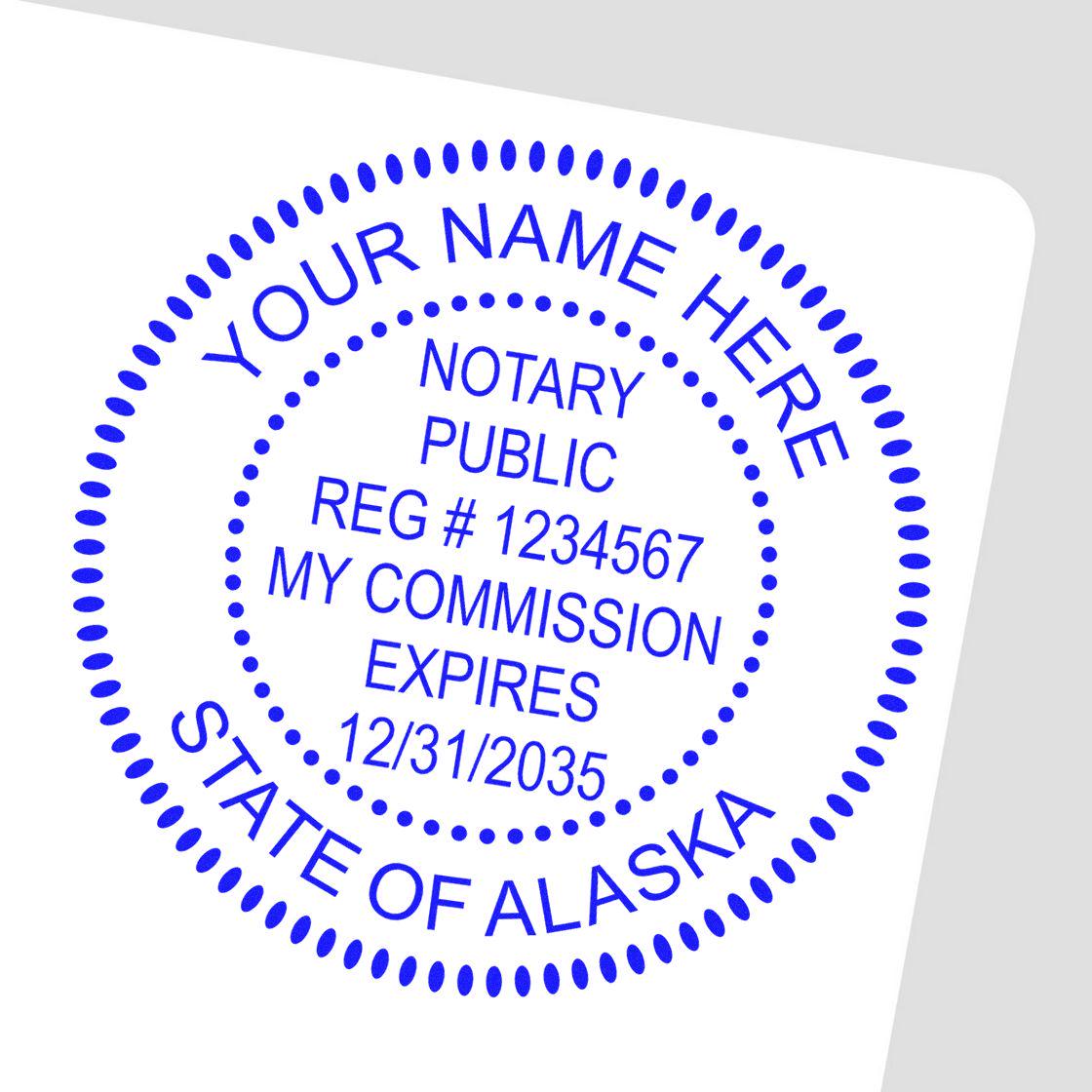
Alaska notary seal requirements can feel confusing if you are new to the notary process. Even experienced notaries sometimes find it challenging to stay current with changing rules, official formats, and best practices. By understanding what Alaska law demands, you help ensure the documents you notarize are valid and properly executed. This guide walks you through the essentials of acquiring and using an Alaska notary seal while keeping your day-to-day tasks manageable. Whether you recently received your commission or have renewed multiple times, you can always benefit from reviewing the basics of seal design, placement, and recordkeeping.You play a key role in Alaska’s legal system. Your official stamp or embosser is more than a mere tool — it helps maintain trust in the authenticity of signatures and documents. As you get deeper into Alaska notary seal requirements, you will see that specific guidelines govern everything from the seal’s physical shape to how you place it on papers. By following these requirements, you not only follow the law but also display the professionalism that people expect from a commissioned notary public.
Understand The Basics
Before diving into the finer points of Alaska notary seal requirements, it helps to have a clear understanding of why your seal is crucial. In a typical notarization, you confirm the signer’s identity and willingness to sign — your seal finalizes this act. Alaska law specifies what the seal should include and how clearly it must present that information. If your seal is missing or illegible, the notarization could be called into question, jeopardizing the validity of the document.
Why Your Seal Matters
- It is your official signature. In combination with your own handwritten or electronic signature, the seal is what makes your notarial acts legally recognized.
- It protects the public. A clear, valid seal reduces the likelihood that documents are forged or improperly notarized.
- It upholds professional standards. Adhering to the seal requirements shows that you take your role as an impartial witness seriously.
Your notarial work covers legal contracts, real estate transactions, affidavits, and wills. With your seal, you provide a layer of authenticity that helps protect the interests of all parties involved. The Alaska state government is strict about these regulations to help preserve trust in public documents. If you are unclear about any aspect of these rules, checking official resources or seeking reputable suppliers can guide you in the right direction.
Comply With State Regulations
Each state sets its own notary requirements, and Alaska is no exception. Typically, your stamp or embosser carries specific text, including your name, the words “Notary Public,” and "State of Alaska." Your commission expiration date is also commonly placed on the seal. Maintaining accuracy is critical. If any of these elements are incorrect or missing, your notarial act might be rendered invalid by a court or other authority.
Gathering Official Requirements
- Check your commission certificate: This document states exactly how your name should appear.
- Visit the state’s official notary website: Confirm up-to-date rules on seal design, usage, and potential changes in legislation.
- Keep track of your commission expiration: You might need to replace your seal when you renew to reflect a new date.
Accuracy is everything. Confirm that each piece of information on your seal is spelled correctly. A small mistake in spelling or punctuation can lead to major headaches later. Always stay informed about legislative updates that might alter these requirements in the future.
Choose The Right Format
When buying your Alaska notary seal, you typically have two main formats to consider: a rubber stamp and an embosser. Both meet the Alaska notary seal requirements, yet each has its own pros and cons. Selecting the proper option depends on how often you notarize documents, your preference for clarity, and the type of documents you handle.
Rubber Stamp Pros And Cons
- Easy to use. A rubber stamp only requires a quick press on an ink pad and the document.
- Clear impression. Inked stamps generally leave a straightforward impression that is easily visible or scanned.
- Potential for smudging. If the ink takes too long to dry, you might create smudges or blurred text, especially if you are in a hurry.
- Need to replace ink pads. You must keep ink pads fresh to maintain readability.
Embosser Pros And Cons
- Professional appearance. Embossers leave a raised impression that looks official and elegant.
- Harder to reproduce illegally. The raised seal can be more difficult to counterfeit.
- Potential difficulty reading. An embossed impression might not scan or photocopy well, especially if your paper is thick or glossy.
- Requires more pressure. You may need extra effort to create a crisp, fully readable impression.
Your choice often hinges on practicality. If you notarize a high volume of documents, a rubber stamp might save you time and produce more consistent results. However, if you value a more formal appearance and do not mind pressing a device onto paper, an embosser might be your style. In any case, Alaska typically allows both methods as long as the impression is clear, legible, and meets the required design specifics.
Follow Proper Use And Placement
Even if you have the perfect seal, you must know how and where to apply it on the page. Some documents specify exact placement for the notary seal; others leave it up to you. In general, aim for a spot near or below your signature, ensuring that the seal does not obscure any signatures, text, or vital details.
Tips For Placing Your Seal
- Use enough pressure. Whether stamping or embossing, make sure the entire design is readable.
- Keep a safe margin. Steer clear of edges and text so the seal does not overlap other important information.
- Mind the date. If your seal includes your expiration date, double-check its clarity and accuracy every time.
- Follow any document-specific instructions. Some forms include a labeled area for the notary stamp.
Should you encounter a document with limited space, consider a smaller seal size that is still recognized by Alaska law. Some notaries keep more than one seal format on hand to handle various stationery sizes or paper quality. This versatility ensures that, no matter the document, you can leave a crisp and valid impression.
Store And Protect Your Seal
Protection is not only about meeting Alaska notary seal requirements but also safeguarding it from misuse. Remember, if an unauthorized person gains control of your seal, they could notarize documents in your name, leading to serious legal consequences for you.
Best Practices For Storage
- Secure location. Keep your stamp or embosser in a locked drawer to prevent unauthorized access.
- Avoid extreme heat or moisture. Prolonged exposure to humidity or sunlight can weaken the rubber on a stamp or warp the metal of an embosser.
- Regular maintenance. Inspect your seal for wear and tear. Replace any worn parts to keep your impression clear and valid.
Over your commission’s lifetime, you might notarize hundreds of documents. Practicing good seal management helps you avoid messy legal entanglements. If you notice your seal’s impression becoming faint or parts of the text are no longer legible, it is time to either replace the ink pad or procure a new seal entirely.
Renew And Update Regularly
Your Alaska notary commission does not last forever. Whether your commission is valid for four years or a different length, you are responsible for renewing before the expiration date. This renewal cycle includes updating your seal if necessary. Always verify well in advance of your expiration date to ensure you keep operating smoothly.
Your Renewal Timeline
- Mark reminders in your calendar. Schedule a reminder at least two months ahead of the expiration.
- Order a new seal before the old one expires. That way, once you have your renewed commission, you can start notarizing immediately.
- Check for new design requirements upon renewal. Even if the format stays the same, the expiration date on the seal will change.
For your seal to be completely valid, the date information must reflect the current commission. If a document challenges your authorization as a notary, having a clear, up-to-date seal impression can make all the difference. By managing these details proactively, you can maintain a solid reputation as a reliable Alaska notary public.
Choose A Trusted Supplier
Finding a reputable company to provide your seal is key to meeting Alaska notary seal requirements. Not all suppliers are familiar with the latest regulations, and an incorrectly designed seal can trigger rejection from state offices. That is one reason you want a dependable partner in your corner.
Acorn Stamps: Your Go-To Source
- Comprehensive solutions. Acorn Stamps offers a full range of Alaska notary stamps and seals to match your specific preferences.
- Stellar customer service. If you have any concerns, you can count on friendly and knowledgeable assistance to walk you through product options and ordering.
- Super fast turnaround. Even if you are running close to a deadline, Acorn Stamps strives to deliver your seal quickly so you avoid lapses in service.
- Family owned and operated for 60 years. Since 1964, Acorn Stamps has focused on quality and trust, reflecting decades of experience in the notary supplies industry.
When you order from a reliable supplier, you have the peace of mind that your seal meets legal guidelines and your name, county, commission details, and expiration date appear exactly as required. This confidence allows you to focus on your notarial duties without second-guessing your seal’s design or compliance.
Frequently Asked Questions
Below are answers to some of the most common questions regarding Alaska notary seal requirements, usage, and best practices.
Q1: Do I Really Need A Seal If I Have A Signature?
Yes. While your signature is part of the notarization, your seal is what officially certifies your act under Alaska law. Without a proper seal impression, your notarized document may be considered incomplete or invalid.
Q2: When Should I Replace My Seal?
You should replace your seal when it wears out or if any information on it changes. For example, when you renew your commission, you may need to update the expiration date. If your seal produces faint or illegible impressions, that is also your cue to get a new one.
Q3: Can I Use A Self-Inking Stamp For My Notary Seal?
Yes. Self-inking stamps are typically acceptable, as long as the impression remains clear and aligns with Alaska’s legal requirements. Just be sure the ink is dark enough and fully legible on the document.
Q4: What Happens If My Seal Is Lost Or Stolen?
Report it immediately. Losing your seal can open the door to potential fraud, which can have serious legal repercussions for you. Once you notice it is missing, take steps to secure a replacement and notify the appropriate state authority if required.
Q5: Can I Continue Using My Seal After It Expires?
No. Using an expired seal can invalidate the documents you notarize and may put you at risk legally. Once your commission expires, immediately stop using the old seal and order a replacement for the renewed commission period.Staying up to date on your Alaska notary seal requirements helps protect both you and the public. By following these guidelines, you reduce legal risks and enhance your professional credibility. Remember that each detail, from the impression’s clarity to the expiration date, matters. When in doubt, consult official state resources or get in touch with a trusted notary supply company to keep your commission accurate and your daily tasks stress-free. And if you are searching for a supplier who truly understands Alaska standards, Acorn Stamps is ready to help you meet your notarial responsibilities with confidence.