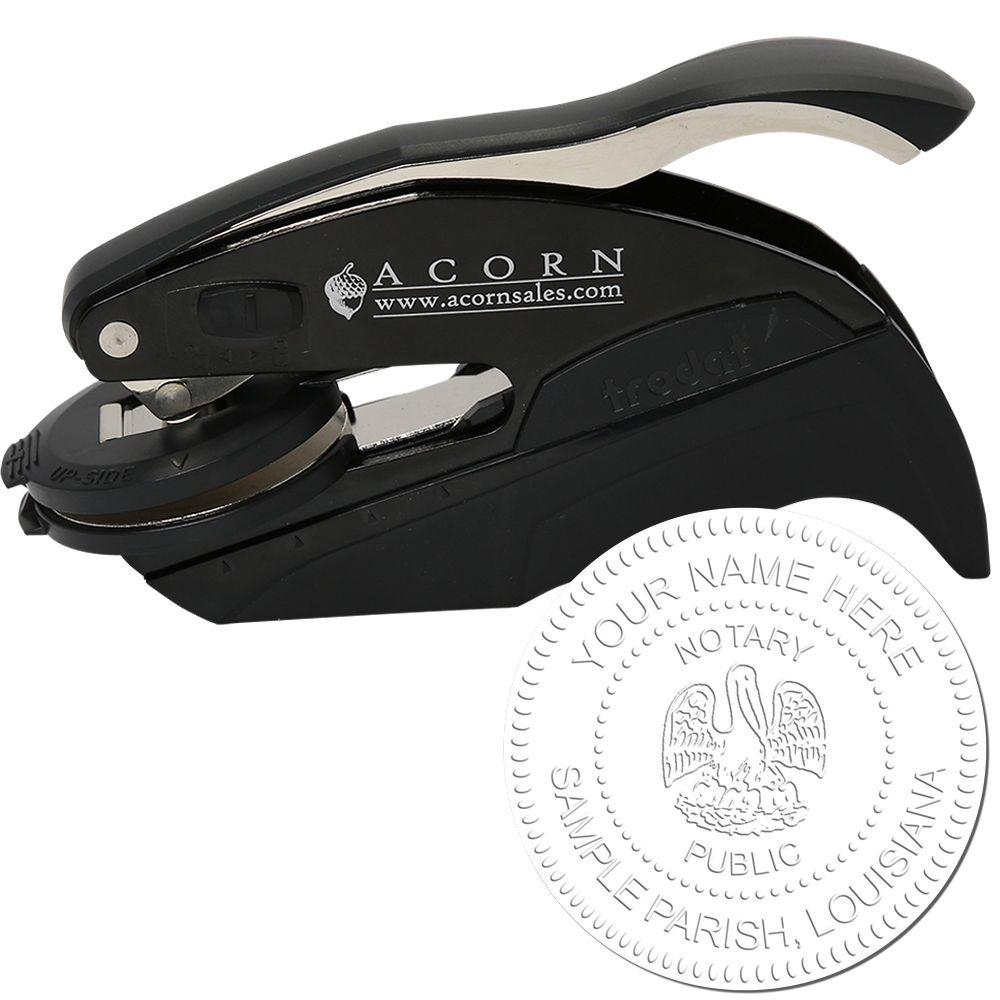
If you’re a Louisiana Notary Public, finding the right LA notary seal is crucial for ensuring that every document you certify meets state regulations and looks professional. A reliable seal is more than just a legal formality. It’s a reflection of your commitment to maintaining integrity in every notarial act you perform.
Whether you’re new to the role or have years of experience, the process of choosing the best LA notary seal can feel overwhelming at first. You might wonder which materials to select, what style suits your professional needs, and how to ensure it remains in top condition. In this guide, you’ll discover key considerations—such as compliance requirements, design preferences, and overall quality—that will help you make the perfect choice.
Below, you’ll find clear and friendly guidance on every step of the selection process, from understanding how Louisiana law affects your seal choice to finding trusted suppliers. By the end of this article, you’ll feel confident in your ability to pick a seal that you’ll be proud to use throughout your notarial career.
Understand the LA Notary Seal
Before you dive into the specifics of choosing a notary seal, it helps to understand exactly what it is and why it matters. In Louisiana, the notary seal is a mark that legitimizes your notarial acts. This impression or stamp is used to authenticate official documentation—ranging from real estate deeds to legal affidavits. When you place your seal on a document, you’re witnessing and validating that the signing took place, establishing the document’s validity in the eyes of the law.Essentially, the notary seal is part of your professional identity. When someone sees an official document bearing your seal, it signifies that you’ve verified the signer’s identity, confirmed their willingness to sign without coercion, and ensured that they understand the contents of the document. Every time you use your LA notary seal, you reinforce trust in your role and in the documents you handle.
Key Functions of a Notary Seal
- Demonstrates authenticity: Your seal confirms that a recognized Louisiana Notary Public oversaw the documentation process.
- Signals trust: Clients and stakeholders rely on the presence of a legitimate seal.
- Prevents fraud: A clear, identifiable seal helps deter unauthorized document stamping or forgery.
The LA notary seal isn’t just a decorative element. It’s a legal requirement that adds seriousness and integrity to every document. Understanding its broader importance will help you narrow down your selection criteria as you shop for the perfect seal.
Know Louisiana Requirements
In Louisiana, notaries have a unique commission that grants them extensive powers, often broader than in many other states. As a result, it’s vital that you meet your specific legal responsibilities when choosing your seal.Check the latest rules for notary seals in Louisiana. Although laws can change over time, some typical requirements often include:
- Size and format: The seal should be easily legible while meeting any size restrictions the state imposes.
- Legible text details: The seal typically needs to include your name and, in some cases, your commission number.
- Clear impression: Whether you opt for an embosser or self-inking stamp, your seal must consistently produce a clear impression.
Why Compliance Matters
If you’re not following the state guidelines, you could face penalties or challenges to the legality of your notarized documents. In the worst-case scenario, improperly sealed documents might be considered invalid, which could lead to disputes or costly legal repercussions. So before you purchase a seal, confirm the requirements on the official website of the Louisiana Secretary of State or other authorized sources. Doing so ensures that you’re in full compliance, letting you focus on what matters most: providing competent, efficient, and trustworthy notarial services.
Evaluate Stamp vs. Embosser
When it comes to LA notary seal options, you generally have two main choices: a notary stamp (often self-inking or pre-inked) or a notary embosser. Each type has benefits that cater to different needs and preferences.
Notary Stamp
- Speed and convenience: If you frequently perform fast-paced notarizations, a self-inking notary stamp can be your best friend. A quick press leaves a crisp impression without pausing to adjust plates or separate handles.
- Readability: Stamps typically provide high visibility of the text, which makes it straightforward for recipients and record keepers to confirm the notarial act.
- Portability: Stamps tend to be lightweight and easy to tuck into a pocket or bag.
Notary Embosser
- Official feel: An embosser raises an impression on the paper, projecting a traditional, professional look. Some clients appreciate the sense of formality that embossed seals provide.
- Security against fraud: Embossed seals can be more difficult to replicate or forge, providing an added layer of security.
- Long-lasting impression: Unlike ink that can fade over time (especially if the document is stored in poor conditions), an embossed seal is a physical imprint that retains its shape, potentially lasting for decades.
Because both stamps and embossers meet Louisiana’s requirements, it really comes down to personal preference, your typical notarial workflow, and, in some cases, client expectations. Many notaries actually keep both on hand—to give them flexibility depending on the document or context in which the seal is required.
Check Quality and Durability
Whether you choose a stamp or an embosser, you’ll want to invest in quality materials. Your LA notary seal should produce consistent, clear results every time. Inferior materials might wear quickly, leaving ink smudges or uneven impressions that could look unprofessional or become illegible.
Signs of a High-Quality Seal
- Solid construction: Metal parts or sturdy plastic frames usually hold up against repeated use far better than cheaper alternatives.
- Crisp detail: Stamps and embossers with clear, sharp edges yield precise text and images.
- Comfortable grip: A notary seal should be easy to handle and also comfortable if you’re using it multiple times a day.
Additionally, consider how frequently you’ll use your notary seal. If you notarize documents daily, it’s critical to get a heavy-duty seal designed for frequent stamping or embossing. On the other hand, if you only perform a handful of notarial acts per month, a basic but reliable model might be enough.
Explore Additional Features
Once you know whether you prefer a stamp or embosser—and you’re aware of the essential legal requirements—you can consider add-ons or design features that might enhance your professional presence.
- Customization: Some suppliers allow for extra text, borders, or design elements. While you must still comply with Louisiana’s guidelines, a unique layout can help your notary seal stand out.
- Ergonomic design: Certain stamps or embossers have improved handle designs or easy-press mechanisms, making them more pleasant to use.
- Ink color variety: While standard black or blue ink is most common, you might want an additional color for stylistic or organizational purposes, as long as the state doesn’t prohibit it.
- Refillable ink: If you’re opting for a stamp, check whether you can refill the ink. Refillable stamps can save money over time and help you avoid those last-second runs to purchase new cartridges.
If you see a feature that catches your eye, be sure to cross-reference it with the state’s regulations. Extra elements must not obscure required text or render the seal noncompliant.
Consider Where to Purchase
Choosing the right supplier for your LA notary seal can be just as important as deciding between a stamp or embosser. You’ll want a reliable shop that understands Louisiana notary regulations and will help you navigate any questions. That’s where Acorn Stamps can make a real difference. Acorn Stamps is recognized as a top supplier of Louisiana notary stamps and seals, offering a combination of stellar customer service and a super fast turnaround. Since 1964—over 60 years of service—they’ve operated as a family-owned and operated business that truly understands the value of quality and reliability.
Why Shop at Acorn Stamps?
- Specialized Expertise: They focus on notary stamps and seals, meaning staff can advise you on compliance and help you troubleshoot any concerns.
- High-Quality Materials: From rugged embossers to crisp self-inking stamps, their products are built to last.
- Fast Turnaround: You’ll get your seal quickly—a lifesaver if you have pending notarial sessions on your schedule.
- Personalized Service: Family-owned pride often translates into exceptional, friendly care for customers.
When browsing online or calling around, always ask about the return policy, especially if something arrives damaged or if you suspect your seal impression isn’t as clear as it should be. Reputable suppliers typically stand by their products, providing repairs, exchanges, or refunds if necessary.
Prepare for Maintenance
Think of your LA notary seal as an investment. With proper care, it will serve you faithfully for years. If you’ve chosen a notary stamp, remember to keep it filled with the right ink. Dry or partially clogged ink pads might lead to patchy impressions that don’t look official. For an embosser, store it in a protective pouch or case when traveling, ensuring the plates don’t bend or lose alignment.
Maintenance Tips
- Clean regularly: A soft cloth or cotton swab can remove ink residue or small specks of paper from your stamp or embosser.
- Avoid extreme temperatures: Excess heat or cold may affect the ink or the metal components of an embosser.
- Refill or replace on time: If your stamp seems faint, swap in a new ink pad or refill the ink reservoir at the first sign of problems.
- Keep a spare: If notarial acts are a big part of your daily life, consider having a backup seal handy.
When your seal is well-maintained, you won’t have to worry about misprints or messy impressions that could call your professionalism into question. Instead, you’ll have confidence that each document you stamp or emboss meets the strictest standards.
Final Tips for a Successful Seal
Before you rush off to complete your order, consider the following tips to ensure a smooth experience:
- Double-Check State Guidelines: Confirm current Louisiana rules with the Secretary of State’s office or official notary handbook.
- Decide Early on Stamp or Embosser: Knowing your preference helps your supplier recommend the most suitable product.
- Request a Proof: When ordering a customized seal, ask to see a final proof to verify spelling, your name, and your commission details.
- Stay Organized: Keep track of your purchase records, proof of compliance, and any related documents in a secure folder.
- Protect Your Commission: Only use your seal for legitimate notarial acts to maintain your professional standing and comply with Louisiana laws.
Your LA notary seal is a visible testament to your dedication and expertise. By carefully selecting the right type, ensuring compliance, and providing routine care, you’ll set yourself up for success in every notarization you handle.
Frequently Asked Questions
Below, you’ll find answers to common questions people have when they’re in the market for a Louisiana notary seal.
Does Louisiana Mandate a Specific Color Ink for Stamps?
Generally, Louisiana’s rules focus more on the clarity of the seal impression than a specific ink color. However, it’s common to use black or blue ink because it’s easily readable and accepted by most institutions. Always check the current regulations to be certain.
Can I Use an Embosser Alone, or Do I Need a Stamp Too?
Both stamps and embossers are valid in Louisiana, but some notaries keep both for convenience. A stamp is quick and easy for everyday use, while an embosser can add a more formal touch or be a second option if a client specifically requests it.
How Do I Update My Seal If My Information Changes?
If you legally change your name or your commission number is modified, you’ll need a new seal. Reach out to your supplier—like Acorn Stamps—to order a seal that reflects your updated information. Then, discontinue use of any outdated seal.
How Often Should I Replace My LA Notary Seal?
High-quality seals, especially from reputable suppliers, can last for many years with proper care. Replace your seal if it shows wear, fails to produce a crisp impression, or if rules change in a way that affects your seal design.
Is It Legal to Use a Custom Design on My Notary Seal?
Louisiana law typically allows design elements as long as all required information—like your name and commission details—remains legible and unobstructed. If you’re unsure, inquire with your supplier and confirm regulations with the Secretary of State’s office before finalizing a custom design.
Selecting your LA notary seal is an important step in building a credible, professional practice. By focusing on compliance, quality, and a trusted supplier like Acorn Stamps, you’ll be well-equipped to notarize documents with confidence. Once your seal arrives, take some time to familiarize yourself with its use and care. With the right preparation and a dash of personal style, you’ll handle each notarial act knowing your seal is as reliable as your expertise.