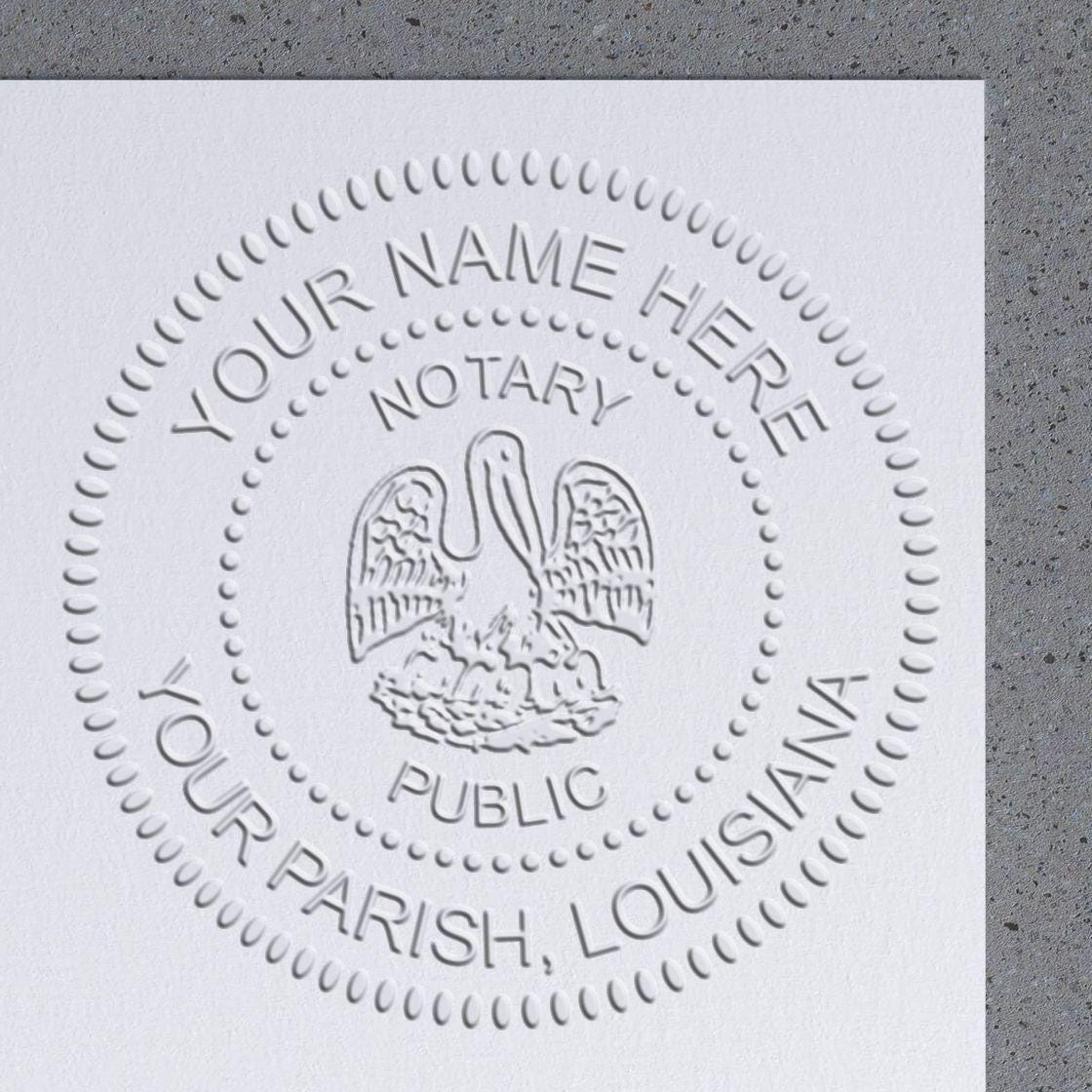
Understand the Purpose of an LA Notary Stamp and Seal
If you serve as a Louisiana notary public, your LA notary stamp and seal are key tools you rely on every day. You use them to validate official documents, confirm your notarial acts, and fulfill legal requirements in your state. These items may look simple, but they carry significant responsibility. Your stamp and seal prove that you are a commissioned notary, authorized by Louisiana law to witness, verify, and authenticate important paperwork.
A clear grasp of your stamp and seal’s purpose underpins your entire role as a notary. By using them properly, you help safeguard sensitive documentation, maintain consistent professional standards, and protect all parties involved. In other words, your LA notary stamp and seal turn your signature into a trusted mark of authority.
Know the Legal Requirements in Louisiana
Because a notary public holds an official position, you must follow specific guidelines to maintain the integrity of the notarial process. In Louisiana, you have to be commissioned by the state before you start notarizing documents. Once commissioned, you may use a notary stamp, seal, or embosser that meets Louisiana’s design and size requirements. Here are a few critical details you should keep in mind:
- Ensure your name, commission number, and the words “Notary Public” or “Notary” appear on your stamp or embosser.
- Check that the seal meets size and legibility requirements established by Louisiana law.
- Keep your stamp and seal in a safe place so that no one else can use them.
- Understand the documents you can and cannot notarize according to Louisiana statutes.
Because laws can change, it is wise to stay up to date. The Louisiana Secretary of State’s office can be a good source for official guidance. If you have any questions about new regulations, always verify your information through official channels or consult with an attorney specializing in notarial law.
Explore the Types of Notary Stamps
When it comes to notary stamps, you have more than one option. From pre-inked to self-inking models, each type offers unique features that may work better for your style of notary work.
Pre-Inked Stamps
Pre-inked stamps rely on an internal reservoir of ink, producing sharp and clean impressions. These stamps generally last for thousands of uses before needing a refill and can offer precise detail. If you frequently notarize documents that require crisp text and clear lines, a pre-inked stamp can be a great choice.
Self-Inking Stamps
Self-inking stamps also house ink within the body, but they have a built-in pad that re-inks the die after every impression. This design makes them quick and convenient for multiple notarizations in a row. If you need to handle multiple documents in a single session and prefer fewer refills, you may like the efficiency of a self-inking stamp.
Rubber Hand Stamps
You’ll sometimes see traditional rubber hand stamps in notary work, although they are less common nowadays. These require a separate ink pad. While rubber hand stamps can still produce a good impression, they are often slower and less convenient if you have a high volume of documents.In Louisiana, many notaries prefer either pre-inked or self-inking stamps. The key is to pick one that offers the balance of clarity, speed, and ease of use you need in your everyday environment.
Choose the Right Notary Seal
Alongside your stamp, a notary seal or embosser can add another layer of professionalism to your notarial acts. The seal leaves a raised impression on the document, which is difficult to copy or forge. While Louisiana does not always require an embosser in every situation, many notaries use it for an extra layer of authenticity. Here are a few things to think about:
- Opt for a sturdy build: A metal embosser tends to be more durable than plastic models.
- Compare the handles: Comfort matters if you’re embossing several documents daily.
- Ensure the lettering is readable: Raised impressions should be easily legible when you run your finger over them.
Whether you choose a handheld or desktop embosser depends on personal preference and your workspace setup. If you travel for signings, a lightweight handheld version might be simpler to carry along. On the other hand, if you mostly work in an office, a desktop embosser can handle repeated use without strain on your hands.
Ordering Your LA Notary Stamp and Seal
Once you’ve decided on the type of stamp or seal (or both) you’d like, the next step is to place your order. Quality matters a lot here because you want an impression that’s sharp and consistent. Plus, in Louisiana, your stamp or seal reflects your official capacity as a notary, so it must maintain clear text and accurate detail throughout its lifespan.When comparing suppliers, consider product quality, turnaround time, and customer service. At Acorn Stamps, you can find Louisiana notary stamps and Louisiana notary seals tailored to your needs. Our family-owned business has been operating since 1964, offering nearly 60 years of service. We value precision and reliability, and we pride ourselves on stellar customer service as well as super-fast turnaround. Placing an order is straightforward:
- Specify your state requirements. Ensure you request a stamp or seal that meets Louisiana’s guidelines for size, wording, and layout.
- Provide your commission details. This includes your name as commissioned, your commission number, and other required text.
- Double-check the proof. Confirm all information is spelled and displayed correctly before the supplier finalizes your design.
- Request your preferred format. Decide whether you want a pre-inked or self-inking stamp, or an embosser with your personal touch.
- Finalize your order. Once everything looks good, place your order and get ready to receive your new notary tools.
Because your notary stamp and seal are critical to your professional role, it’s worth the extra attention to check every detail. Doing so helps you avoid mistakes and ensures a smooth process once your items arrive.
Tips for Using and Maintaining Your Stamp
Your LA notary stamp and seal will see regular use, so creating good habits for usage and maintenance is fundamental. A stamp or embosser that’s well taken care of will last longer and continue to deliver clear, legally valid impressions.
Store Your Tools Securely
Keeping your stamp and seal in a locked drawer, safe, or case is not just a recommendation, it’s crucial under Louisiana law. You are personally responsible if someone else misuses your notary tools. By storing them properly, you reduce the risk of unauthorized use or damage.
Stamp Only on Smooth, Flat Surfaces
Ensure the surface beneath your document is flat, whether you’re stamping or embossing. Stamping over uneven surfaces or through carbon copies can sometimes result in unclear marks. Taking a few extra seconds to set up the document on a clean, hard surface can save you time in re-dos.
Re-Ink Appropriately
If you use a pre-inked or self-inking stamp, re-ink it using the ink recommended by the manufacturer. Mixing ink types can lead to smudges and irregular impressions. Follow the directions carefully, and always avoid overfilling your stamp’s reservoir.
Keep It Clean
Dirt and debris can build up in the tiny crevices of your stamp or embosser, affecting the clarity of the imprint. Gently wiping the surface with a soft cloth works for light upkeep. For more intensive cleaning, you can use an alcohol-based wipe on rubber surfaces, but always follow your manufacturer’s instructions to avoid damage.
Avoid Common Pitfalls in Notarial Practice
Even experienced notaries encounter occasional mishaps. Steer clear of these pitfalls to maintain a professional reputation and uphold your responsibilities:
- Forgetting to Check ID: Always verify a signer’s identity before notarizing. Overlooking this step can lead to fraudulent notarial acts.
- Stamping Illegible Prints: If your stamp impression is fading or not fully legible, wait until you refill or replace it. An unclear stamp can be rejected.
- Misplacing Your Stamp: This risk extends beyond the potential for misuse. If you can’t locate your stamp when needed, you may have to turn away clients.
- Using the Wrong Commission Name: In Louisiana, your notary commission name should appear exactly on your stamp as it is on file with the state.
- Neglecting to Record Your Actions: Maintaining proper notarial records can save you from disputes. Always keep a notary journal if it is required or recommended in your jurisdiction.
You’ll find that a thorough approach to each document significantly reduces the chance of errors. Always double-check names, dates, and your own stamp or seal placement. A small pause before finalizing a notarial act can prevent major complications down the road.
FAQs About LA Notary Stamp and Seal
Below are five common questions you may have when it comes to your LA notary stamp and seal. Each answer aims to help you feel more confident and secure in your notarial role.
Do I Need Both a Stamp and an Embosser in Louisiana?
Most Louisiana notaries only need a clearly legible seal or stamp containing their commission details. However, many notaries choose to use both a traditional stamp and an embosser to enhance the appearance and security of notarized documents. Ultimately, it’s your choice as long as you meet state regulations.
How Often Should I Replace My Notary Stamp and Seal?
The lifespan of your LA notary stamp depends on how regularly you use it. A self-inking or pre-inked stamp can typically be re-inked multiple times before needing replacement. Embossers can last for years, but if the raised impression or text becomes dull, you should consider replacing the die.
Can I Use a Personalized Design on My Notary Seal?
Louisiana sets forth specific guidelines about which details must appear, such as your name, commission number, and notary title. Beyond that, you may have some freedom to add minor design elements. Always double-check with official guidelines to be sure your seal or stamp remains compliant.
What If I Change My Name or Address?
If your name or address changes, you should promptly notify the Louisiana Secretary of State’s office. You will likely need to order a new stamp or seal showing the updated information. Operating with outdated details on your stamp can lead to questions about your commission’s validity.
Where Can I Order a Replacement If My Stamp Breaks or Goes Missing?
You can order a replacement from a reputable supplier like Acorn Stamps. Always report a lost or stolen stamp to the appropriate authorities if required. You do not want your old stamp to be misused by someone else.
Final Thoughts
Your LA notary stamp and seal are more than just office tools. They represent your notarial authority and help ensure the honesty and reliability of the legal documents you witness. By understanding each item’s design, purpose, and maintenance requirements, you can streamline your tasks and build confidence with your clients.
As a Louisiana notary public, you have a professional duty to keep your stamp and seal secure and to use them correctly. Choosing quality products—from a trusted provider like Acorn Stamps—can further enhance your peace of mind, especially when you need consistent, clean imprints in fast-paced or high-stakes scenarios.
The next time you stamp or emboss a document, take pride in the fact that your LA notary stamp and seal uphold the integrity of the legal process. By following state regulations, maintaining your tools, and exercising sound judgment, you will perform your duties confidently and effectively.