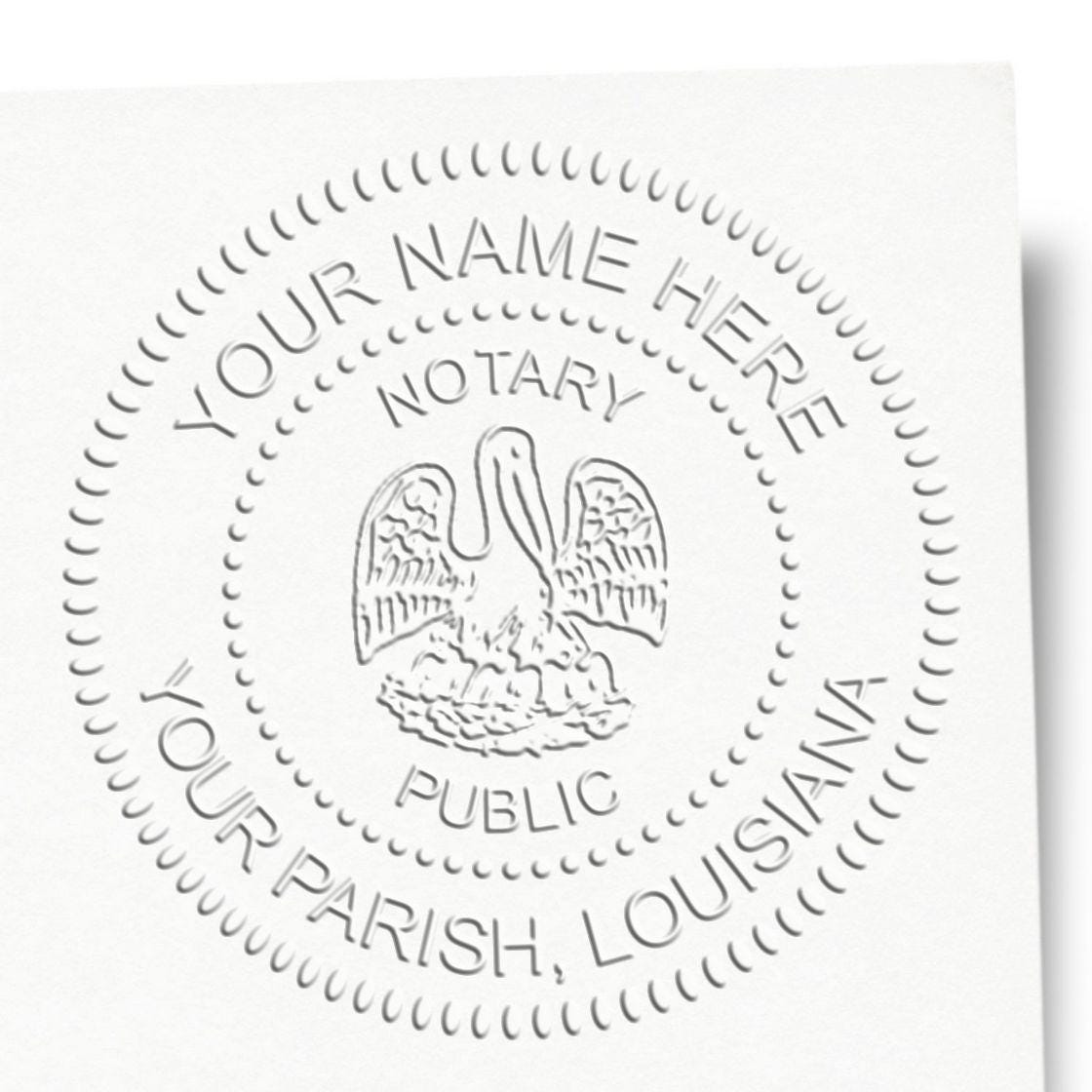
Louisiana notary supplies are essential for your day-to-day responsibilities, ensuring that all documents you notarize meet state guidelines and stand up legally. From your notary stamp to your organizational system, each piece of equipment helps you fulfill your duties efficiently and with confidence. With the right tools in place, you can maintain a professional image, streamline tasks, and avoid unexpected compliance issues. In this guide, you will explore the most important Louisiana notary supplies—from stamps and seals to practical office accessories—so you can keep your notarial practice running smoothly.
Why Reliable Louisiana Notary Supplies Matter
When you serve as a Louisiana notary, you play a critical role in verifying signatures, administering oaths, and certifying documents. Given these high-stakes responsibilities, reliable notary supplies are not merely conveniences, but necessities. Each piece of equipment you use can make or break the accuracy and legitimacy of the documents you handle.
A well-made stamp produces clear, readable imprints that confirm your credentials and the date of notarization. The state of Louisiana holds strict guidelines on notary acts, and if your stamp fails to include the correct information—or if the imprint is smudged or unclear—you risk legal complications. Similarly, a properly engraved notary seal helps validate a document’s authenticity, strengthening the public’s trust in your services.
Besides formal tools like stamps and seals, a solid organizational system promotes professionalism. By neatly keeping track of appointment times, client information, and notarization records, you prevent the aggravation of missing paperwork or confusion about prior signings. This level of organization doesn’t just benefit you. It provides peace of mind to your clients, who count on you to handle their documents with care.
Investing in dependable Louisiana notary supplies also saves time. When your stamp consistently delivers crisp impressions, or your seal embosses documents in one quick motion, you can move swiftly through appointments without pausing for do-overs. Over time, small improvements in efficiency free you to focus on the bigger picture—growing your services and strengthening client relationships.
Must-Have Louisiana Notary Stamp
Your notary stamp is the cornerstone of your practice. In Louisiana, state law dictates specific requirements for your stamp’s layout and information. Typically, your stamp includes your name, the words “Notary Public,” and the parish where you’re commissioned. Because it’s used frequently, you need one that pairs durability with clarity, so every impression is precise and easy to read.
Choosing The Right Stamp Type
- Pre-inked stamp: This option uses an ink reservoir within the stamp body. It offers sharp, clean lines and can last for thousands of impressions before needing a refill.
- Self-inking stamp: Built-in ink pads automatically re-ink the stamp. They speed up the stamping process, making them a practical solution for high-volume notarizations.
- Traditional rubber stamp: This classic style relies on a separate ink pad. Although it requires a bit more effort, it remains a budget-friendly option.
Whatever style you choose, reliable performance is essential. Companies like Acorn Stamps—family owned and operated since 1964—bring decades of experience to crafting stamps that comply with Louisiana’s requirements. Acorn Stamps prides itself on stellar customer service, a super fast turnaround, and consistent quality. That means when the pressure is on to notarize a crucial document, you can stamp confidently in one go.
Tips For Proper Stamp Use
- Smooth surface: Make sure you apply the stamp on a flat, sturdy surface to avoid uneven or blurred imprints.
- Correct ink color: Louisiana does not enforce a specific ink color, but dark shades like black or blue typically provide clearer impressions.
- Re-inking schedule: If you’re using a pre-inked or self-inking model, track how often you notarize documents and plan to re-ink before it completely dries out.
Secure And Professional Notary Seal
Along with a stamp, a notary seal can help you reinforce the credibility of each notarized document. In some cases, you might need both a stamped and embossed impression to fully meet client or agency requests. You’ll usually position your seal near your signature, ensuring it’s readable and unobstructed by additional text.
Embosser Styles
- Hand-held embosser: Compact and portable, a hand-held embosser allows you to deliver an embossed seal from anywhere. It’s a favorite for notaries who travel to various signing locations.
- Desk embosser: Slightly larger and designed for desktop use, this type offers a steadier grip. If you find yourself processing thick paper or heavily coated documents, a desk embossing unit can accommodate heavier workloads.
Storing Your Embosser
Storing your seal securely keeps it from unauthorized use. Because your seal bears legal weight, you never want it falling into the wrong hands or ending up misused. When not in use, keep it locked away in a drawer, safe, or briefcase specifically organized for notary supplies. If you travel with your seal, ensure it’s securely stored with your other professional items, so it remains protected from damage and theft.
Essential Record-Keeping Tools
In Louisiana, diligent record-keeping can help you avoid legal complications and maintain a neat chronological history of notarized documents. If a dispute arises, a fully detailed notary journal may serve as your strongest defense. Although state law does not always require that you maintain a notary journal, it is still wise to do so for your own protection and for clear professional standards.
Choosing A Notary Journal
- Hardbound vs. spiral-bound: Hardbound journals are sturdy and tamper-resistant. Spiral-bound journals can be easier to handle and leave open in your workspace.
- Entry fields: Look for a journal with dedicated space for a signer’s name, contact information, type of document, date of notarization, and a signature block.
- Security features: Some specialized notary journals have anti-tamper paper or numbered pages. These features demonstrate your commitment to thorough record-keeping.
Organizing Your Records
Keeping consistent entries in your journal prevents confusion in case clients return with questions. Besides standard fields, you may also note brief comments about the signing process, including the type of identification you reviewed. This thorough approach keeps your records airtight.If you decide to maintain digital backups of your records, confirm that your e-storage methods stay compliant with relevant laws. This might mean using password-protected systems or encrypted software to keep personal data secure. Combining paper and digital record-keeping practices can give you extra peace of mind that your records are safe from misplacement or technical glitches.
Must-Have Accessories And Organization
Beyond stamps, seals, and journals, there are a handful of essential accessories that will help you stay productive. From quick-reference guides on Louisiana notary law to a well-stocked stash of extra ink pads, these smaller tools ensure you’re fully equipped for any notarization scenario.
Desk Accessories
- High-quality pens: Keeping multiple pens on hand prevents an inconvenient scramble when your primary pen runs out mid-signature. Opt for pens with archival-quality ink to help preserve signatures.
- Sticky notes and tabs: These make it easy to mark where signers need to apply signatures, preventing possible oversights.
- Charming storage solutions: A dedicated caddy or organizer keeps small supplies like paper clips and binder clips visible and within reach.
Ink And Seal Maintenance
- Spare ink pads: If you use a self-inking or pre-inked stamp, stock additional pads to swap in when your existing pad begins to fade.
- Embosser maintenance: Occasionally inspect your embosser’s plates for signs of wear. If impressions look shallow, the plates may need professional adjustment or replacement.
- Cleaning supplies: Keep a small kit of cleaning cloths or swabs to wipe debris off your stamp or seal. Dust and residue can compromise the clarity of impressions.
Finding A Trusted Supplier
You work hard to uphold professionalism, so it’s only natural to expect the same standard from your suppliers. When shopping for Louisiana notary supplies, choose a company renowned for high-quality products and reliable customer service. Acorn Stamps, founded in 1964, has been refining notary products for over 60 years. They know Louisiana’s notary regulations inside and out, and their decades of expertise shine through in the precise construction of their stamps and seals.
Why Choose Acorn Stamps?
- Family owned and operated: With a family-oriented heritage, you can count on personalized service. Their commitment to customers has stood the test of time.
- Super fast turnaround: Facing a tight timeline or need to replace worn-out supplies? Acorn Stamps specializes in prompt order processing, so you can get back to work without delay.
- Stellar customer service: Over the years, they have built a reputation for guiding new notaries through the entire ordering process—helping you choose the right stamp size, ink type, and seal style.
Evaluating Other Suppliers
While Acorn Stamps is a top-notch provider, you might compare different companies to understand your options. Look for suppliers that explicitly mention Louisiana notary compliance on their product pages. Read customer reviews and check product return policies. Above all, ensure they provide clear instructions for any personalizations required by state-specific rules.
Conclusion
When it comes to Louisiana notary supplies, having the right tools is not just a matter of convenience. It's about safeguarding your professional reputation, improving efficiency, and providing the most reliable service possible to clients. A crisp notary stamp, a well-maintained seal, and a meticulous record-keeping system allow you to confidently handle each notarization task. By investing in long-lasting, state-compliant supplies, you keep your workflow efficient and your documents accurate. Whether you are updating your toolkit or just beginning your notary journey, opt for high-quality resources from trustworthy suppliers like Acorn Stamps. That way, you can focus on what truly matters: protecting the integrity of every document that passes through your hands.
Frequently Asked Questions
Do I Need Both A Stamp And An Embosser In Louisiana?
While stamps are widely used to showcase your notary credentials on documents, an embosser may also be requested in formal or legal contexts. Louisiana law dictates specific requirements for identification on your stamp, but using an embosser can further authenticate certain documents. Having both tools on hand ensures you’re prepared for nearly any client’s needs.
How Often Should I Replace My Notary Stamp?
This depends on the type of stamp and how frequently you use it. A pre-inked or self-inking stamp can last thousands of impressions, but if you notice fading or unclear impressions, it’s time to re-ink or replace the pad. When impressions remain poor even after re-inking, replacing the entire stamp may be the best option.
Is A Notary Journal Required By Law In Louisiana?
Louisiana law does not universally mandate keeping a notary journal, but maintaining one can protect you against potential disputes or accusations of misconduct. A journal provides a written record of every notarization, including the date, type of document, signer’s identification, and more. Maintaining consistent entries adds an extra layer of security and professionalism.
What Happens If My Seal Is Lost Or Stolen?
Keeping your seal secure is crucial because it has legal significance. If it ends up lost or stolen, you should notify the authorities and report the theft to the Louisiana Secretary of State’s office as soon as possible. You may also need to purchase a replacement seal and update your records to prevent its misuse.
Why Should I Order From Acorn Stamps Over Other Suppliers?
Acorn Stamps blends 60 years of expertise with a strong customer-first philosophy. Family owned and operated since 1964, they possess deep knowledge of Louisiana’s notary requirements. With super fast turnaround times and high-quality materials, their stamps and seals are built to last. If you ever have questions about which product meets your needs, they’re just a quick call or email away.