Understand the Role of a Hawaii Notary Embosser
If you operate as a notary public in the Aloha State, you know how important accurate and official documentation is. One tool that stands out for securing those documents is the hawaii notary embosser. You rely on this device to leave a raised seal or impression on paper, authenticating each notarized paper with a professional touch. Embossers aren’t just about looking official. They’re a vital component of your notarial toolkit, ensuring the distinctiveness and security of your seal.
Why You Need an Embosser in Hawaii
Hawaii notary laws generally require you to use a notarial seal or stamp, and many notaries choose to include an embosser for an added layer of security. While a stamped impression might be sufficient in many cases, an embosser helps prevent fraud because its raised imprint is hard to duplicate or alter. This physical texture brings peace of mind to everyone involved in a transaction. Moreover, an embossed imprint looks polished, making your documents stand out as thoroughly verified and professionally executed.
Your notary responsibilities involve precise attention to detail. When you use an embosser, you underscore your commitment to upholding the legal integrity of the document. Whether you handle property deeds, affidavits, or identity verifications, a high-quality embosser sets you a step above and builds trust with your clients.
Key Features of a High-Quality Hawaii Notary Embosser
Not all embossers are created equal. Since your role as a notary relies on accuracy, legibility, and consistency, you should choose an embosser that delivers a clear, crisp image every time. By looking for certain key features, you can avoid the frustrations of uneven or shallow impressions, as well as any mechanical issues that might slow you down.
Imprint Clarity and Legibility
The primary purpose of an embosser is to leave a raised impression. As such, you want to ensure that the embosser you choose consistently produces crisp, readable text. Look for an embosser with deep dies (the metal plates that press into the paper), because deeper dies can form sharper letters. This clarity is vital when someone inspects your documents. You never want an important contract or record invalidated because the seal appears illegible or barely noticeable.
- Check product reviews that mention crispness of the imprint.
- Make sure the orientation of the seal (landscape or portrait) matches your notary requirements.
- Balance strong pressure with hand comfort levels so you don’t strain your wrist.
Ergonomic Design for Comfort
Although an embosser is small, using it repeatedly throughout the day can cause fatigue if it’s not comfortable to operate. An ergonomic handle is essential if you notarize multiple documents in a single session.
- Opt for a handle design that fits your grip.
- Test or look for product reviews that highlight comfort and mobility.
- If possible, choose a model that can easily switch from handheld to desktop uses for maximum convenience.
Additionally, consider the weight of the embosser. A compact, lightweight unit is less taxing on your arm yet should still feel sturdy. That balance ensures you have the durability to handle years of use without suffering from wrist strain.
How to Use Your Hawaii Notary Embosser Step by Step
Using a hawaii notary embosser might sound straightforward, but a few best practices ensure every impression is properly executed. Follow these steps for reliable, professional results.
- Prepare Your Document
Make sure the document is laid out on a flat, stable surface. Check your notary guidelines to confirm where the seal should appear, and leave sufficient space at that spot.
- Align the Embosser
Position the embosser so the design on the die lines up with the correct section of your document. You want the full text—from your name to your commission expiration date—to appear clearly.
- Apply Steady Pressure
Grip the handle or press down (if using a desktop model) with consistent, moderate force. Avoid jerking motions that could distort the seal. Steady pressure helps create a clean, crisp imprint.
- Inspect the Imprint
Gently lift the embosser and check the embossed area. It should be sharp and legible, with every letter visible. If the impression looks faint, reposition the embosser more firmly and try again.
- Sign and Date (If Required)
Some documents might require you to sign near the seal or fill in additional details. Always follow Hawaii’s notarial requirements and complete the process with precision.
Repeat this process for each document you notarize. Over time, you’ll develop a rhythm that makes using the embosser second nature.
Avoiding Common Mistakes
Even seasoned notaries can slip into bad habits. Here are some mistakes you’ll want to sidestep to maintain a high standard of professionalism.
- Misalignment of the Seal
Failing to align the embosser well could cause part of your text to fall outside the page’s margin. Check alignment before you apply pressure. Lightly position the embosser first to see where the seal will land.
- Using Worn-Out Dies
Like any stamping or embossing tool, the die plates can wear down over time. Regularly inspect your embosser for signs of dull edges. A faint or partially missing imprint is your cue to replace the insert.
- Embossing on Curved or Thick Surfaces
Some notaries try to emboss on unusual surfaces. Paper that’s too heavy or folded at an odd angle can lead to an unclear imprint. Keep your paper flat, or choose stock that is suitable for embossing.
- Improper Finger Placement
If you’re rushing, you might place your fingers where the metal plates clamp shut. That can result in a painful pinch. Make sure your fingers are on the handles only.
By avoiding these pitfalls, you maintain your professional standards and keep the notarization process smooth for everyone involved.
Maintaining and Caring for Your Embosser
Taking a few basic steps to clean, store, and protect your hawaii notary embosser can extend its life and ensure your seals consistently remain sharp.
Cleaning Your Embosser
Even if your embosser rarely sees outdoor conditions, dust and debris can find their way onto the metal dies. Periodically wipe the plates and the handle using a soft, dry cloth. If you spot smudges or stains, lightly dampen the cloth with water (or a mild cleaning solution designed for metal). Avoid submerging the embosser in water, as excessive moisture can lead to rust or damage to internal components.
- Use compressed air to remove small particles from intricate areas
- Gently brush away dust using a soft-bristled toothbrush
- Never use abrasive cleaning agents that might scratch the metal dies
Storing the Embosser
Always keep your embosser in a protective case or pouch when it’s not in use. This shield keeps dust or accidental spills at bay. Store your device in an area with moderate temperature and humidity levels—too much moisture could cause rust, while extreme heat might warp plastic parts. If you’re transporting your embosser between offices, a sturdy travel case ensures it doesn’t get jostled or dropped along the way.
Where to Find the Best Hawaii Notary Embosser
A notary embosser is a specialized tool, so it’s critical to rely on a provider with a track record of delivering durable, high-quality products. You also want an option that suits your style—handheld or desktop—and meets all state requirements.
Benefits of Choosing Acorn Stamps
When you’re shopping for a reliable hawaii notary embosser, Acorn Stamps is a top pick. Our family owned and operated company has been in business since 1964, providing notaries with premium embossers for 60 years. We understand how important your official duties are, and we prioritize:
- Stellar Customer Service
Our friendly support team guides you through every milestone. Whether you need help selecting the right embosser type or you have a question about reordering inserts, we’re here to assist.
- Super Fast Turnaround
You often don’t have time to wait around for weeks when your supplies run low. Since we focus on quick processing and shipping, you can rest assured that your embosser will arrive promptly.
- High-Quality Craftsmanship
An embosser is only as good as its materials. At Acorn Stamps, we select products and components that withstand daily notary use. You’ll appreciate deep, crisp impressions that reflect Hawaii’s standards for notarial documents.
- Personalized Solutions
Every notary is unique. That’s why we offer a variety of models and design options that tailor to your preference. From handheld embossers with easy-grip handles to desktop models that provide extra leverage, you’ll find a tool that suits your workflow.
We’re committed to ensuring that every Hawaii notary public has the best possible experience. With our decades of expertise, your notarial duties will stay efficient, accurate, and secure.
Frequently Asked Questions
Do I Need Both a Stamp and an Embosser in Hawaii?
You should always check the Hawaii Revised Statutes or the official notary guidelines to confirm specific requirements. Many notaries choose to have both a notary stamp and a hawaii notary embosser. A stamp is typically required, but an embosser can enhance document authenticity by adding a raised impression that helps prevent tampering.
How Often Should I Replace the Insert Dies on My Embosser?
Insert dies usually last for quite some time, but how frequently you replace them depends on your workload. Inspect your embossing results regularly. If you notice fading or partial impressions, it’s time to consider a replacement. Embosser inserts can wear down with heavy usage, so don’t wait until your seal is completely unreadable.
What Is the Difference Between Handheld and Desktop Embossers?
A handheld embosser is compact and easy to carry, making it great if you work in multiple locations or frequently travel. A desktop embosser, on the other hand, sits firmly on a flat surface. It allows you to press down with more leverage, often making it easier to emboss thicker paper or multiple pages at once. Your choice depends on how mobile you need to be and what paper stock you commonly use.
What Should I Do If My Impression Is Faint?
First, check your alignment and pressure. You might just need to press more firmly or ensure the plates are fully closed. If that doesn’t solve the issue, inspect your embosser for worn-out dies or collected debris. Cleaning or replacing the insert dies should restore a crisp impression. If problems persist, contact your embosser’s provider for further assistance.
Can I Personalize My Embosser With Custom Designs?
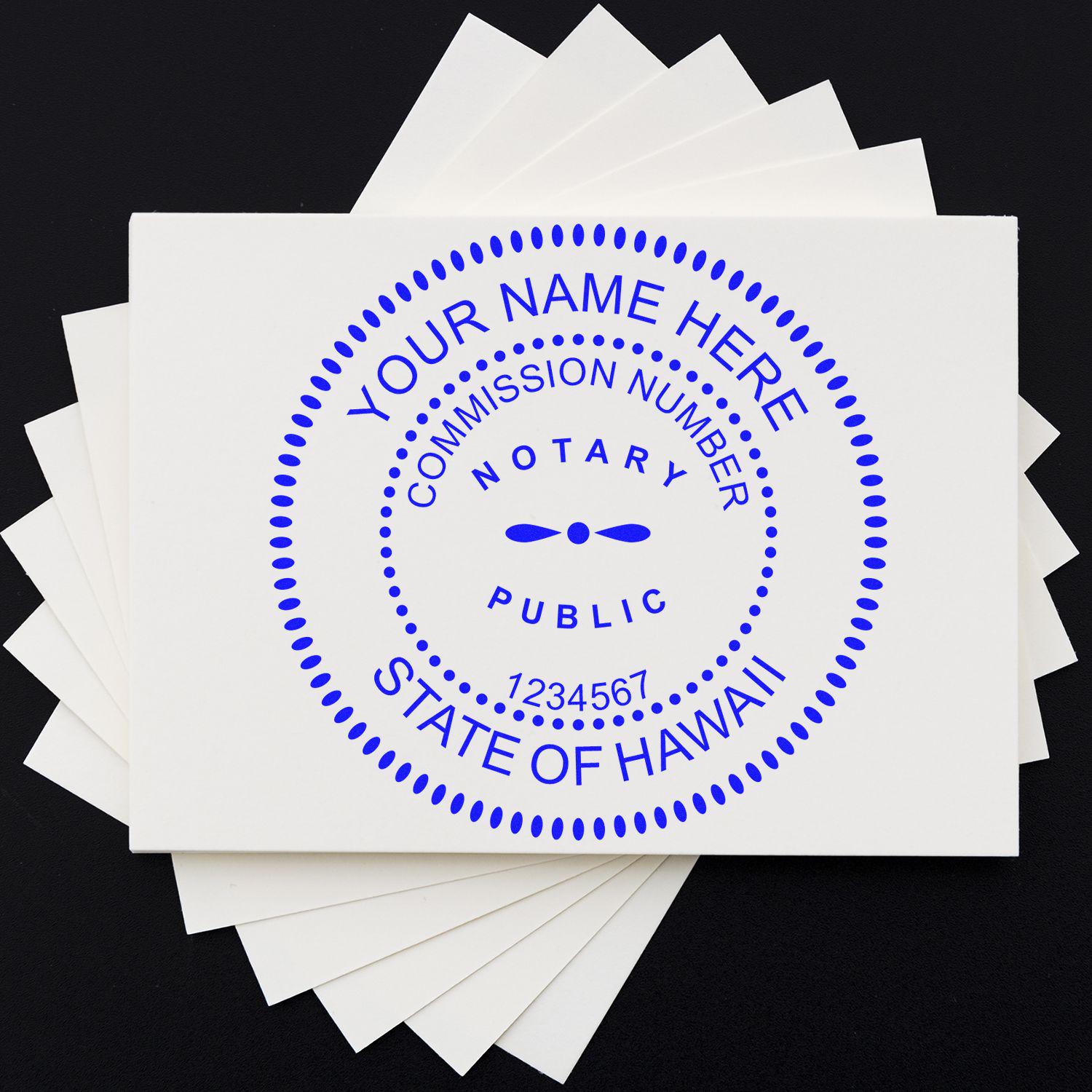
Some states, including Hawaii, have strict guidelines about what must appear on your seal. As a notary, you’re generally required to include specific information like your name, commission number, and the words “Notary Public” or “State of Hawaii.” While certain aesthetic customizations might be possible, always verify that any extra design elements remain compliant with state regulations.
By choosing a well-crafted hawaii notary embosser and following best practices, you can focus on delivering top-quality notarization services to your clients. From pressing crisp imprints to storing your embosser securely, consistency in your approach translates to professional excellence. Acorn Stamps is proud to be your partner in this journey, offering you decades of expertise, professional support, and custom solutions for your notarial needs. With the right embosser in hand, you’re ready to serve Hawaii’s communities confidently and professionally.