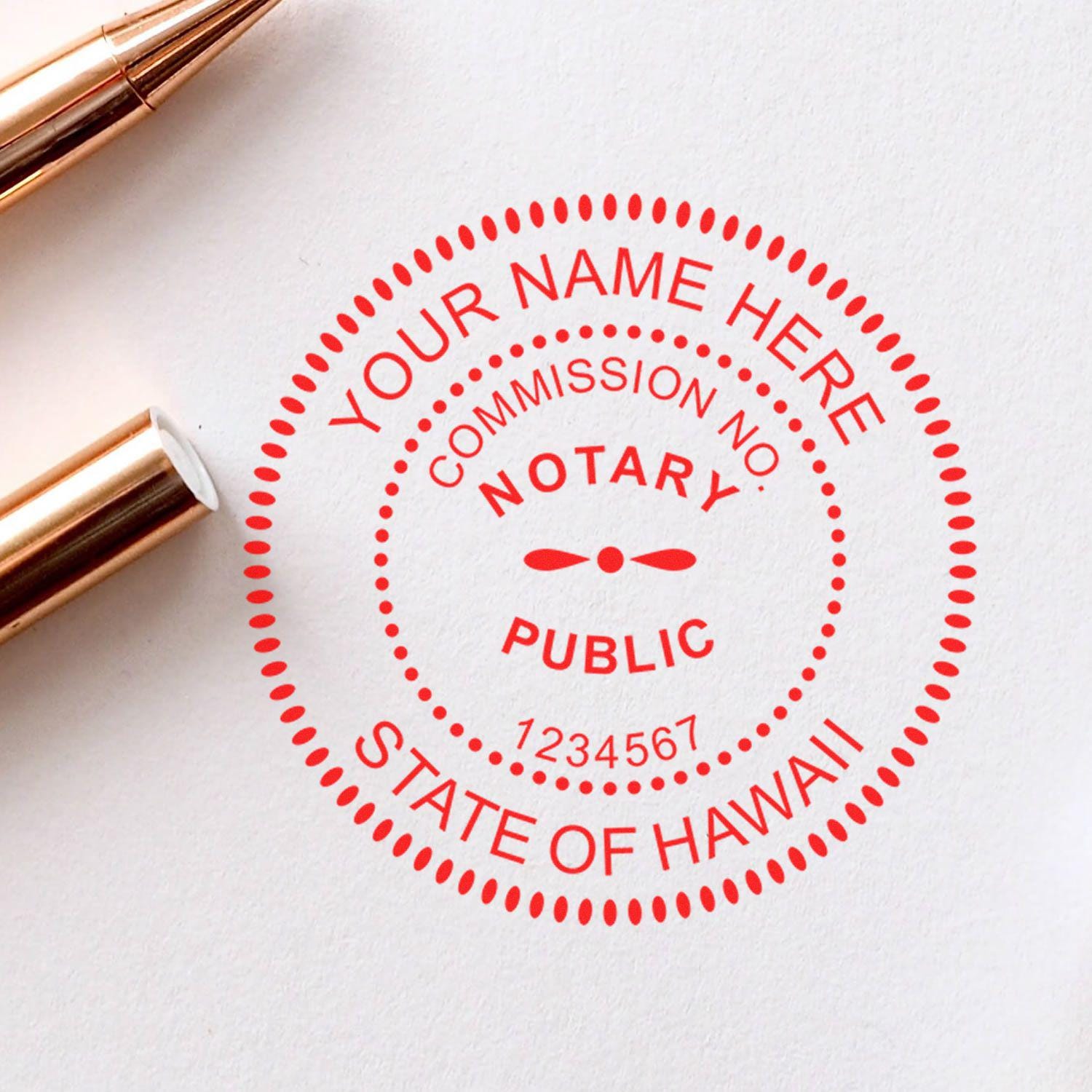
If you are a Hawaii notary public, your Hawaii notary seal is the essential mark of your professional authority. It validates official documents, reassures clients that you meet state standards, and signals that you take your notarial responsibilities seriously. Whether you are brand-new to notarization or looking to update your existing seal, understanding how to choose, use, and protect your seal is vital. Below, you will find everything you need to know about selecting the right equipment, complying with state rules, maintaining security, and more.
Understand Your Role
As a Hawaii notary public, you are entrusted with verifying identities and preventing fraud in legal transactions. You serve businesses, individuals, and government entities that rely on your impartiality. Understanding the scope of your duties helps you appreciate why the hawaii notary seal is such a crucial part of your work.
Purpose of Notarization
Notarization ensures that signatures are genuine and that both parties are aware of the document’s content and legal consequences. When you place your seal on a form, you confirm that:
- You verified government-issued identification of the signers.
- The signers willingly executed the document.
- The date and location of the notarization match your record.
This act lends credibility to estate documents, property deeds, affidavits, and a wide range of contracts.
Why the Seal Matters
Your seal is more than just a stamp or embossed impression, it serves as a visible assurance that you have followed Hawaii’s notarial rules. In many cases, a notary seal is a mandatory feature for legally binding documents. Without it, your notarization may be deemed invalid. Because it holds this level of significance, it is critical to select a high-quality seal and use it responsibly.
Know Legal Requirements
Hawaii has specific requirements that each notary public must follow, including the format and details of the notary seal. By familiarizing yourself with state guidelines, you will confidently meet regulations and avoid oversights that could affect your practice.
State Regulations
Hawaii’s Department of the Attorney General oversees notaries and outlines requirements for valid seals. These rules typically specify:
- Precise wording around your name and the phrase “Notary Public.”
- Inclusion of “State of Hawaii.”
- Possible mention of your commission number depending on local requirements.
It is best to verify these details with Hawaii’s official notary guidelines so you know exactly what to include on your seal.
Required Elements
When preparing your seal layout, make sure it contains:
- Your full name, matching the way it appears on your commission.
- The words “Notary Public” and “State of Hawaii.”
- All letters in clear, legible type.
If you are unsure how to format everything, consult official resources or experienced suppliers. This ensures that your seal meets every requirement and accurately reflects your credentials.
Select the Right Seal
Once you know the legal specifications, it is time to choose the style of seal that best fits your daily workflow. From traditional embossers to self-inking stamps, each option offers its own set of advantages.
Stamp vs. Embosser
Many notaries opt for a stamp because it is compact, easy to use, and leaves a clear, readable imprint in ink. Self-inking stamps are popular for their speed and convenience, requiring minimal pressure to produce multiple impressions. Embossers, on the other hand, create a raised impression in the paper. This technique adds a layer of authenticity and is less prone to tampering. However, embossers might be harder to read when scanned or photocopied, and they can be less portable due to their design. The choice depends on your personal preference, budget, and client needs.
What To Look For
When evaluating different seals, pay attention to:
- Durability of the materials.
- Comfort and ease of use.
- Crispness and visibility of the final impression.
You might also consider whether you prefer plastic or metal construction. Metal seals generally last longer, while plastic stamps are lighter to carry around. Whichever type you select, be certain it fulfills Hawaii’s guidelines for text, layout, and size.
Discover Where To Get It
No matter which type you choose, getting your hawaii notary seal from a reliable supplier is key. You want a seal that arrives quickly, performs beautifully, and adheres to every legal requirement.
The Acorn Stamps Advantage
Acorn Stamps is a top supplier of Hawaii notary stamps and seals, trusted by notaries across the state. Family owned and operated since 1964, the company brings 60 years of service to every order. Their dedication to stellar customer service means you can ask questions, request custom layouts, and expect a super-fast turnaround.
When you work with Acorn Stamps, you get:
- A carefully crafted product that meets Hawaii’s notarial code.
- Responsive support from a family company that values your success.
- Efficient shipping so you can begin notarizing without delays.
Because your seal is a daily necessity, reliable construction and lasting impressions matter. Acorn Stamps recognizes that each notary has unique needs. By choosing them, you place your notarial tasks in the hands of a proven, customer-focused team.
Protect Your Seal
Once you have your official seal, you need to store and handle it responsibly. A secure and well-maintained seal protects both you and the public from fraud or misuse.
Storage and Security
Your seal is a valuable piece of equipment that should never be left unattended. Some notaries lock their seal in a secure drawer or cabinet when not in use. Others keep an organized workstation at home or the office, where no unauthorized person has access to it.Here are a few helpful measures:
- Avoid sharing your seal with other notaries or coworkers.
- Keep it in a locked container whenever you leave your desk.
- If you travel frequently, invest in a secure pouch or case so your seal remains protected on the go.
You are ultimately responsible for every impression of your seal. Ensuring it does not fall into the wrong hands protects your reputation and the documents you notarize.
Maintenance Tips
Whether you use a self-inking stamp or an embosser, you want to keep it in top shape for clear, consistent notarial seals:
- Refill Stamp Ink: If you have a self-inking stamp, regularly check the ink levels. Using the right type of refill ink recommended by the manufacturer ensures your impressions remain crisp and readable.
- Clean the Seal: Gently remove any buildup or debris from your stamp plate or embosser. This helps avoid smudging and keeps the impression legible.
- Store in Proper Temperature: Extreme heat or cold can damage ink, plastic components, or metal parts. Keep your seal in moderate conditions to maintain its functionality.
With a little ongoing care, your seal can last well beyond your current notary commission.
Renew And Update
Your Hawaii notary commission must be renewed periodically, and along with it, you may need to refresh or replace your seal. Staying aware of your renewal deadlines keeps you compliant and ensures your documentation remains valid.
When To Renew
Hawaii typically grants notary commissions for a set term, requiring you to renew before your current term expires. Make a note of your commission expiration date so you can start the renewal process early. Delays or missed deadlines can result in a lapse of your notary powers, during which you must refrain from notarizing until reinstated.
Ordering Replacements
From time to time, you may decide your seal is showing wear and tear. Ordering a new seal is straightforward if you already know your preferred style and layout. Be sure to:
- Verify that your commission details have not changed.
- Confirm that all required information is spelled correctly.
- Either recycle or securely destroy your old seal to prevent accidental misuse.
Keeping your seal updated and in prime condition helps you project professionalism and maintain the trust of your community.
Frequently Asked Questions
What Is the Required Format for a Hawaii Notary Seal?
You need to include your name as it appears on your state commission, the words “Notary Public,” and “State of Hawaii.” Honolulu regulations may also require your commission number. You should check current state guidelines to ensure you have every element in place.
Should I Choose a Self-Inking Stamp or an Embosser?
It depends on your personal style and client preferences. Self-inking stamps are quick and straightforward to use, leaving a reliable print that is easy to scan or photocopy. Embossers create a more traditional look with a raised seal but may not reproduce as well in copies. Both are valid, so feel free to pick what suits your workflow best.
How Do I Keep My Seal Safe When Traveling?
If you conduct notarizations away from your office, store your seal in a locked bag or case. This protects your equipment from damage and prevents unauthorized access. Never leave your seal in plain sight, even if you briefly step away from your work area.
When Do I Need to Replace My Notary Seal?
Typically, you would replace your seal if it wears out, if you legally change your name, or if you renew your commission and need updated details. Look for warning signs of a faulty imprint, such as smudges or incomplete text. Promptly ordering a replacement helps you avoid potential invalidations.
Why Should I Order from Acorn Stamps?
Acorn Stamps has earned a reputation for delivering durable, high-quality Hawaii notary seals. The company has been family owned and operated since 1964, giving them 60 years of experience in understanding the unique needs of notaries. Their super-fast turnaround, precision, and friendly customer support will save you time and hassle.
By having a fully compliant hawaii notary seal and committing to professional standards, you can strengthen client confidence in every notarized document. A reliable seal, ordered from a trustworthy provider like Acorn Stamps, helps you perform your official duties smoothly and maintain your notary authority for years to come.