Understand HI Notary Supplies
When you first become a Hawaii Notary Public, you quickly discover that HI notary supplies are essential for carrying out your official duties in compliance with state regulations. As a notary, you stand at the intersection of trust, legality, and community service, ensuring that vital transactions and documents remain legitimate. But with so many supplies available, figuring out exactly what you need can feel overwhelming. In this article, you will learn why certain tools are must-haves, how to choose reliable products, and how to keep everything secure and in great shape.
The Role of a Notary in Hawaii
In Hawaii, a notary is responsible for authenticating signatures, administering oaths, and deterring fraud. You are entrusted with verifying identities and confirming that signers understand the documents they are signing. Your work has real legal implications, so accuracy and reliability are crucial. If you rely on subpar notary supplies or fail to keep your tools updated, you risk compromising the integrity of the documents you notarize. Maintaining top-quality supplies is part of maintaining the trust of the public.
Why the Right Supplies Matter
The simpler your workflow, the more efficiently you can serve clients who rely on your seal and signature. Having the correct stamps, seals, and recordkeeping resources ensures that every notarization is performed according to Hawaii’s specific regulations. The right tools also make you look professional, which reassures signers that their documents are in capable hands. Investing in proper notary supplies ultimately saves you time, prevents mistakes, and upholds your credibility.
Essential HI Notary Supplies
When you consider your toolkit, certain items stand out as absolute essentials. You will want to double-check local guidelines for any additional requirements, but this list covers the fundamental supplies recommended for most Hawaii notaries.
Notary Seal
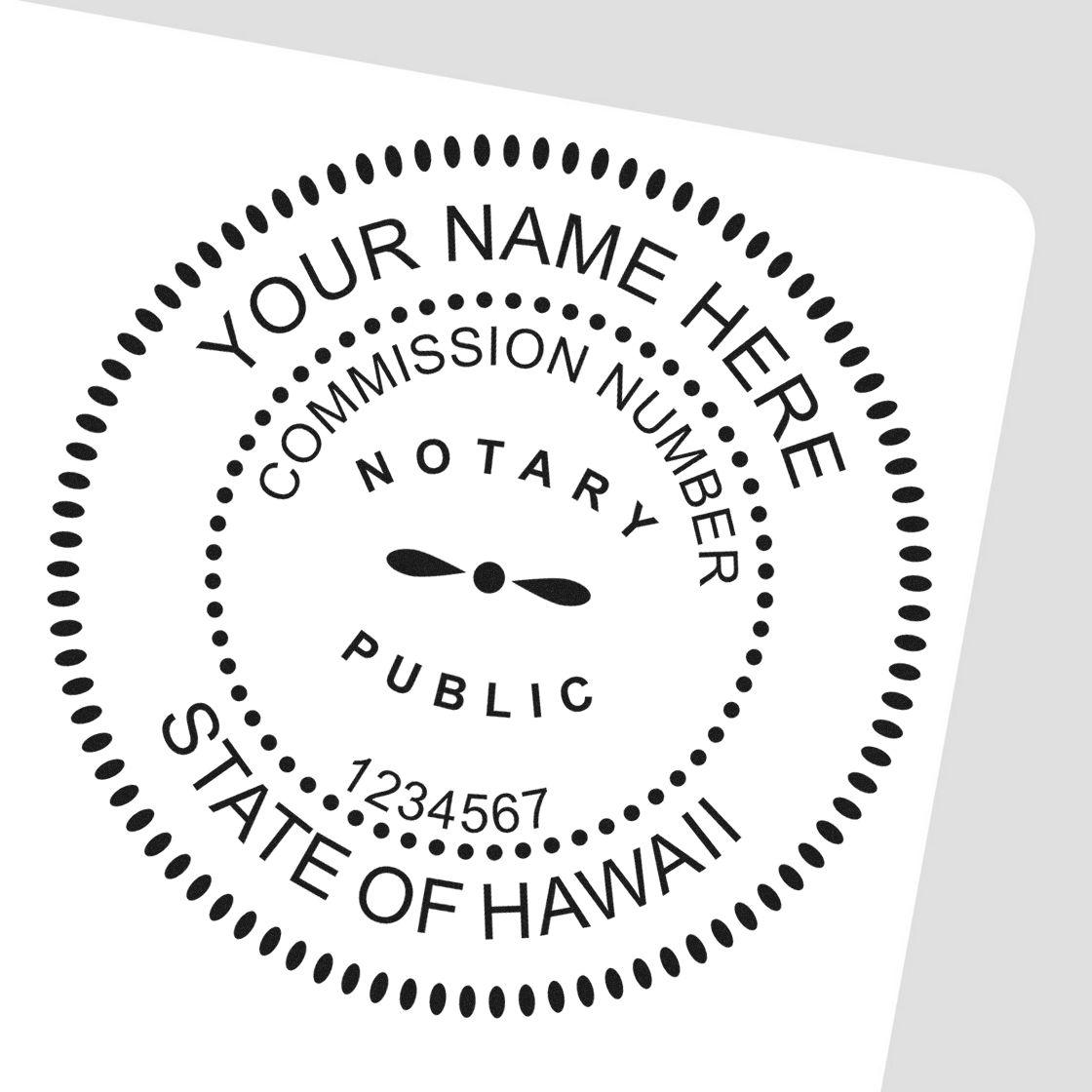
A notary seal is integral to validating documents in Hawaii. This metal embosser creates a raised impression that includes your name, commission number, and the words “Notary Public” along with “State of Hawaii.” The raised seal acts as proof of authenticity and is recognized by official bodies. Opting for a seal crafted with durable materials is crucial, as you will be using it regularly over the course of your commission.
- Acquire a seal that meets Hawaii’s clear guidelines regarding wording and design.
- Store it in a protective case, safe from damage or exposure to excessive humidity.
Notary Stamp
Although your seal might be enough under certain circumstances, a notary stamp is equally vital in many modern offices. Unlike the embosser, a stamp leaves an inked impression containing the same identifying details—your name, the words “Notary Public,” your commission number, and your commission expiration date. Some documents might require an inked stamp for submission or scanning purposes. Because stamps are often more convenient than seals, you may find yourself using both.
- Look for a stamp that provides a clear, smudge-free imprint.
- Refill your stamp ink regularly to maintain crisp impressions.
Notary Journal
A notary journal is where you record every official act you perform. This record is not only a best practice—it can also protect you if a notarization ever faces legal scrutiny. Journals help you track what was signed, who signed it, and when it occurred. Consistent recordkeeping demonstrates diligence and integrity, which are central to your reputation as a Hawaii Notary Public.
- Include entries for the date, type of document notarized, name of the signer, and any identification details.
- Keep your journal in a secure location, since it holds sensitive personal information.
Archival Ink And Seal Embossers
For documents that must stand the test of time, archival ink is preferred. Particularly if you deal with wills, deeds, or other long-term records, you want a stamping process that resists fading. High-quality seal embossers, often paired with special foil or inking agents, can help your notarized documents remain legible for years.
- Choose ink labeled “archival” or “permanent” to reduce the risk of gradual fading.
- When embossing, apply steady, even pressure to ensure clarity.
How To Choose Reliable Notary Supplies
Selecting the best tools goes beyond a quick online search. Notary supplies must follow Hawaii’s legal specifications, but there is also a standard of quality to consider for years of consistent use.
Factors to Consider
- Compliance:
Make sure the seal, stamp, or ink meets all Hawaii state guidelines regarding layout, wording, and content. Using a noncompliant supply could invalidate a notarization.
- Durability:
You might notarize documents daily, so invest in seals and stamps that can endure constant handling without losing clarity. Look for sturdy handles and high-grade metal for embossers.
- Clarity:
A smudged or barely legible stamp can delay important legal proceedings. Go for crisp impressions to make sure your clients have no confusion about the authenticity of their documents.
- Portability:
If you frequently travel to client locations, lighter devices or combination tools (stamp and seal in one) may suit you better. But keep in mind that ease of transport should not compromise quality or security.
Working with Trusted Brands
Choosing a reputable company for your HI notary supplies can save you time and frustration. You want a supplier that responds quickly, offers personal assistance, and stands behind the quality of its products. At Acorn Stamps—family owned and operated since 1964, with 60 years of service—you get stellar customer support, Hawaii-compliant notary supplies, and a line of heavy-duty stamps and seals that can withstand daily use. Whether you need a brand-new commission package or a replacement part for your seal, finding a trustworthy business ensures you stay equipped and stress-free. Fast turnaround and responsive service make all the difference when you have urgent notarizations on the calendar.
Caring For Your HI Notary Supplies
Quality notary supplies can serve you for years, especially if you take a few simple steps to keep them in good condition. Proper care not only saves you money in the long run but also helps prevent any last-minute disruptions when you need your stamp or seal the most.
Proper Storage
- Keep your notary gear in a locked cabinet or safe, away from unauthorized access.
- Avoid leaving stamps or seals in direct sunlight or near heat sources, which can distort plastics and degrade rubber.
- Store your seal flat or upright, depending on the manufacturer’s advice, to prevent dents or bent metal.
Maintenance Tips
- Regularly clean the surface of your seal embosser to remove ink or debris.
- Check the ink level in your stamp pad or self-inking device and refill it before it runs completely dry.
- If your stamp impression starts to fade or warp, replace the ink pad or the rubber die to maintain clarity.
- Test your stamp on scrap paper once a week to confirm it is still producing a crisp imprint.
Avoiding Common Mistakes
A solid understanding of what to avoid can protect you from legal headaches and wasted supplies. Keep an eye out for these frequent errors, and be proactive in addressing them.
Mistake #1: Using Low-Quality Stamps
Choosing a cheap or poorly made stamp might save money in the short term, but it can lead to smudges, partial imprints, and even rejections by receiving agencies. You may also wind up replacing them more often. Inconsistent impressions can undermine your professional reputation if signers or institutions notice repeated issues.
- Stick to brands known for reliable impressions.
- Replace worn stamps before they cause errors on official documents.
Mistake #2: Neglecting Recordkeeping
Some notaries omit vital details or keep incomplete logs. In Hawaii, maintaining accurate records helps you track your notarizations and can serve as proof of your diligence in case of any legal dispute. If you fail to log key entries, you could be jeopardizing your credibility.
- Set aside a few minutes after each notarization to fill out your journal thoroughly.
- Inspect your journal regularly to confirm no errors or omissions.
Mistake #3: Failing to Update Commission Info
Over time, your commission will expire, and you will need to renew it. Some notaries forget to update the expiration date on their seals and stamps, leading to invalid documentation. Always check that your commission details match your current approval.
- Update your stamps or seals as soon as your renewal is approved.
- Dispose of old seals and stamps securely to prevent any unauthorized use.
Frequently Asked Questions
How Does a Hawaii Notary Seal Differ From a Stamp?
A Hawaii notary seal is a metal embosser that creates a raised impression, while a stamp leaves an ink imprint. Both include your name, commission number, and “Notary Public” language. Some documents may require an embossed seal, others may accept an inked stamp, and many notaries use both to cover all situations.
Where Can I Buy HI Notary Supplies?
You can order high-quality HI notary supplies from trusted suppliers that meet state regulations. Acorn Stamps is a popular choice, known for durable stamps, official seals, and fast turnaround. Always confirm that the vendor’s products comply with Hawaii’s guidelines.
How Long Does Shipping Usually Take for Notary Supplies?
Shipping times vary by vendor. Many suppliers offer expedited services if you need items quickly. With Acorn Stamps, you typically get super fast turnaround, so you can finalize your notary toolkit sooner and start serving your clients without delays.
How Do I Properly Store My Notary Materials?
Store your stamps and seals in a secure, dry place, ideally in a locked drawer or cabinet. Keep them away from heat sources or direct sunlight to prevent wear. For added protection, invest in pouches or small cases that shield them from dust and accidental damage.
How Do I Maintain Compliance If I Move to a Different County in Hawaii?
If you relocate within Hawaii, you typically must update your address with the state’s notary regulatory body. You may also need to replace your stamp or seal if it includes your address. Double-check state guidelines to ensure that all your notary information remains accurate and valid.
Staying prepared and knowledgeable about your craft is essential if you want to excel as a Hawaii Notary Public. Securing the right HI notary supplies, caring for them properly, and avoiding common pitfalls will help you provide professional, reliable service. Whether you are just starting out or renewing your commission, high-quality stamps, seals, and journals are indispensable tools of the trade.
And with trusted suppliers like Acorn Stamps—family owned and operated for more than 60 years—you can equip yourself with the best resources to succeed. By taking consistent care of your notary supplies and staying on top of Hawaii’s regulations, you can confidently serve your community and uphold the integrity of every notarized document.