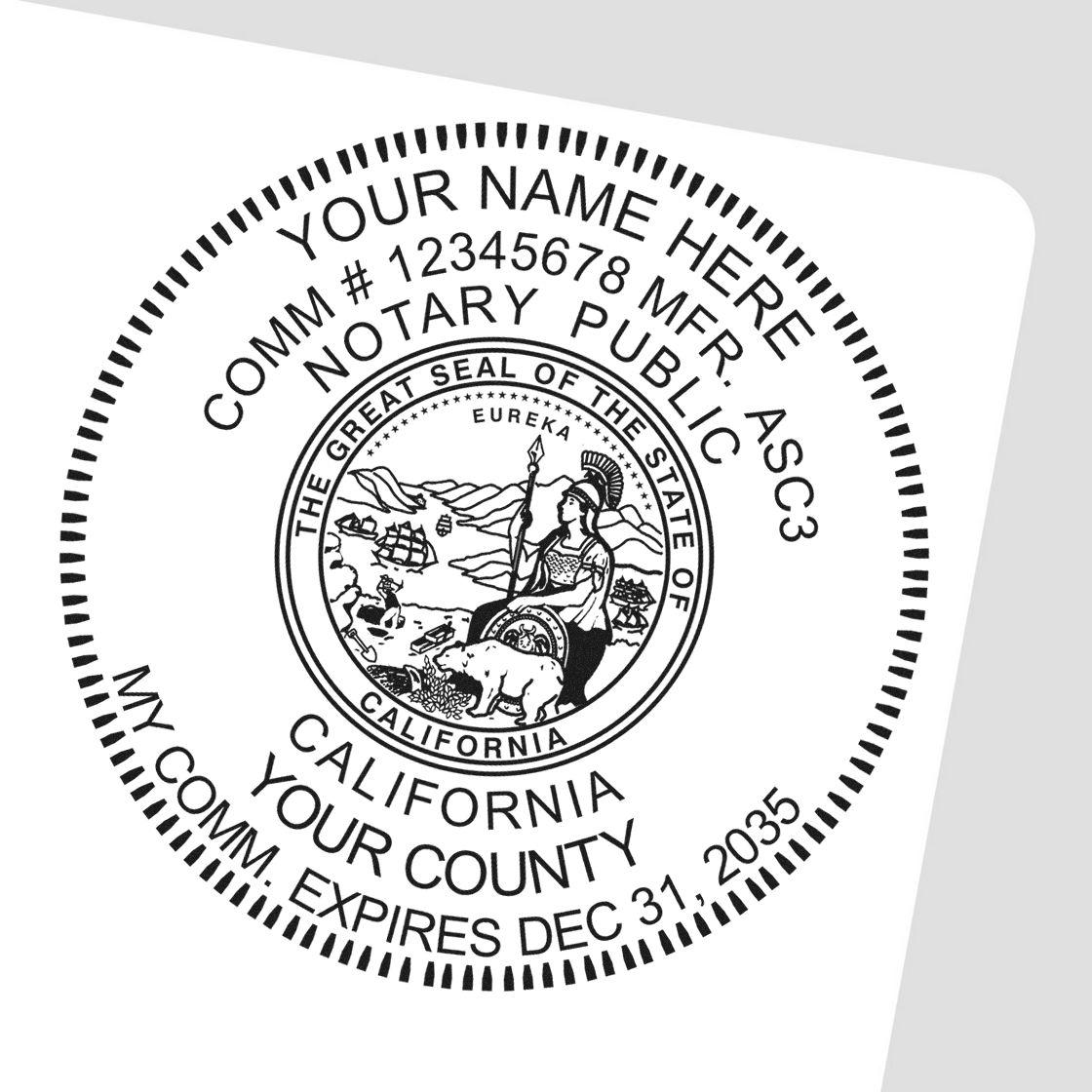
Choosing the right California notary seal can feel overwhelming, especially if you are new to your role as a California Notary Public. You may wonder whether an inked stamp or an embosser is best, or how to ensure your seal meets all legal standards. In this guide, you will discover the key factors that go into selecting, caring for, and updating your seal. By the time you finish reading, you will know exactly how to make an informed decision and why working with a reputable supplier like Acorn Stamps can simplify the entire process.
Acorn Stamps is a family owned and operated company founded in 1964, proudly offering California notary stamps and seals for 60 years. With stellar customer service, super fast turnaround, and a steadfast commitment to quality, they have been a trusted provider for notaries across the state. Whether you are getting your first commission or looking to upgrade your existing seal, you can count on them to guide you at every step.
Understand California Notary Seal Basics
Before diving into specific seal types or design elements, it helps to have a clear understanding of what makes your California notary seal so essential. Your seal is not just another office supply. It is the official emblem that authenticates your notarial acts and reflects your professional credibility.
Why Correct Seals Matter
- They verify your identity. A clear and accurate seal reassures signers that the notarial act is performed by a legitimate California Notary Public.
- They prevent fraud. Well-defined seals help deter tampering or forgery because they are difficult to replicate.
- They fulfill legal requirements. California specifies certain standards for shape, wording, and legibility that notaries must follow.
When you take time to learn about your state’s regulations and invest in a quality seal, you greatly reduce the risk of errors that might call your notarial acts into question. This extra effort pays off, both in peace of mind and in professional reputation.
Legal Mandates To Know
As you review your seal options, remember that California sets specific guidelines for notary stamps and embossers. Some of these include:
- Legibility requirements. Your seal must be clear enough to reproduce legibly under normal copying.
- Specified design. Your official seal should contain the State Seal of California or a border approved by the state, along with mandated text indicating your name, commission number, and commission expiration date.
- Approved ink colors. While black ink is the most common, always verify state regulations and any preferences your county might have regarding color.
You will want to check the most recent notary handbook or official state resources to confirm you have the latest requirements. This preliminary research ensures that any seal you choose meets current guidelines.
Compare Traditional And Modern Seal Types
Once you understand the legal framework, it is time to decide which style of California notary seal best suits your work style. While many notaries immediately think of the inked rubber stamp, the classic embosser remains popular for its timeless sophistication.
Ink Stamp For Convenience
An ink stamp offers a portable, quick solution for your notary tasks. It is generally easier to use than an embosser and often costs less. If you handle a high volume of documents daily, an ink stamp helps you work efficiently.
- Simple to operate. All you do is press the stamp onto an ink pad (if it is not self-inking) and apply it to the document.
- Multiple ink options. Depending on your stamper, you can refill it with waterproof or fast-drying ink, which helps prevent smudges.
- Self-inking models. These have built-in ink for fuss-free stamping. This can be a huge advantage if you frequently travel or serve many clients in a short time frame.
Be sure to opt for a high-quality stamp that will produce crisp images. Low-quality options might cost less initially, but their impressions can fade or become illegible over time.
Embosser For A Professional Look
An embosser crisply imprints your official information into the page. The raised impression can feel more formal and secure. Many notaries enjoy the professional aesthetic of an embossed seal, and it can also reduce the likelihood of tampering since the raised image is harder to replicate.
- Ideal for special documents. Embossers are popular for high-profile or legal documents that might require a polished appearance.
- Prevents certain forgeries. Because the seal physically alters the paper, it is difficult for someone to replicate or manipulate.
- Requires proper technique. Embossing might take slightly more effort to ensure consistent pressure and a clear raised image.
While an embosser lends an air of credibility, it can be a bit less convenient if you often work in cramped spaces or are on the go. Still, many notaries keep an embosser on hand for more formal tasks, even if they rely on a stamp for daily use.
Focus On Required Elements
Both stamp and embosser designs must comply with California’s guidelines, including your name and vital commission details. You will ensure your seal remains valid by carefully checking that each physical component meets or exceeds state regulations.
Your Name And Commission Details
California typically requires that your legal name and your commission name match exactly. If the name your commission was issued under differs from your legal name, you should update your commission to reflect the correct version. Also, watch out for spacing or abbreviations that do not match the exact wording on your commission certificate.
- Commission number. Always include the exact number assigned by the California Secretary of State.
- Commission expiration date. This date indicates the final day your notarial commission is valid.
- Town or county (if required). Some stamps may need to include the county in which you are registered, so confirm with local guidelines.
Clear Seal Impressions
Beyond text requirements, California encourages notaries to maintain seals that consistently produce clear impressions. From the spacing of letters to the thickness of lines, every detail affects the seal’s readability. If a seal proves too faint, blurred, or smudged to read, it can pose legal concerns.
- Test your stamp or embosser on a blank sheet before using it on official documents.
- Check for jagged edges or off-center text in your impression.
- Clean your tools regularly to remove dried ink or paper fibers.
When you can reliably produce a legible, uniform seal, your professional reputation grows. This consistency not only helps your clients but also reinforces your standing with the state.
Pick A Trusted Seal Supplier
Choosing the right seal is important, but equally essential is where you buy it. A reliable provider understands California notary regulations and promptly delivers products that meet those rules. Acorn Stamps has proven themselves in this space as a top supplier of California notary stamps and seals.
Family Owned Since 1964
When you want personal attention and reliable products, family owned companies often stand out. With 60 years of experience, Acorn Stamps has honed their craft and built long-lasting relationships with notaries statewide. You can feel confident turning to them for:
- Expert knowledge of current California laws and seal requirements.
- A broad selection of stamps and embossers that meet or exceed legal standards.
- A responsive support team that values your time and questions.
This level of dedication is what sets them apart from larger, less specialized retailers. You are never just a number at Acorn Stamps. They strive to be your ally in ensuring smooth notarial operations.
Fast Turnaround And Support
Nothing derails your work like ordering a seal and waiting weeks for it to arrive. With Acorn Stamps, you will experience prompt production and delivery. Their stellar customer service also means they are available to answer any technical or legal questions you may have about your seal.
- Speedy fulfillment. They know how tight notary timelines can be, especially if you are renewing or have a pressing client need.
- Guidance for compliance. If you are confused about California’s latest seal regulations, their team can provide clarity so you order the right product the first time.
- Quality assurance. Each seal is checked for accuracy to ensure your text is correct and clearly legible.
When you partner with a supplier that has your best interests at heart, you save countless hours and avoid the frustration of dealing with impersonal or slow service.
Maintain And Update Your Seal
Once you own a California notary seal, it is your responsibility to keep it in good working condition. Factors such as heavy daily use or normal wear can degrade impressions over time. A little ongoing maintenance ensures you are always ready to serve your clients.
Keep Your Seal In Good Condition
Like any tool, your notary stamp or embosser performs best when you care for it regularly.
For stamps:
- Store it in a dedicated case or drawstring pouch to protect the impression surface from dirt.
- Check ink levels if you have a self-inking stamp and refill when you notice fading.
- Gently wipe away excess ink or dust particles.
For embossers:
- Periodically check the plates to ensure nothing is bent or misaligned.
- Use a clean cloth to remove tiny paper fibers or debris.
- Test your embosser on a scrap page if you have not used it in a while.
Routine upkeep helps your seal last longer while assuring each impression remains clear. A well-maintained tool is also less likely to require emergency replacement.
When To Replace It
Even the most durable seals will eventually reach the end of their useful life. Replacing your seal on a routine schedule prevents last-minute scrambles and helps you keep your notarial acts valid.
- Blurry or incomplete impressions. If your stamped text appears faint no matter how much ink you add, it may be time for a new stamp.
- Damaged embosser plates. Bent or cracked plates cannot create uniform impressions and should be replaced.
- Updated information. If you moved to a new county, changed your name, or renewed your commission, you may need a seal that reflects your latest details.
Obtaining a new seal before your old one fails prevents potential headaches and protects you from the risk of invalid documents.
Follow Best Notary Practices
Your California notary seal goes hand in hand with consistent best practices that help you serve the public effectively. By combining a reliable seal with thoughtful procedures, you safeguard your clients and uphold your professional standards.
Proper Usage And Security
Always place your seal near your notarial certificate or signature line so it is clearly linked to the notarial act. Guard your notary seal carefully to avoid misuse:
- Lock it away. Keep your stamp or embosser in a locked drawer or cabinet, especially if you share workspaces.
- Do not lend it out. Never allow others, including friends or colleagues, to use your seal.
- Stay up to date. Periodically check the California notary laws for any changes in seal usage or record-keeping requirements.
Minor errors in applying your seal can lead to invalid notarizations, so it is worth taking the time to ensure every detail is correct and secure.
Storing Your Seal At Home Or Office
If you work from both home and office settings, take extra caution transporting your seal. Place your stamp in a small protective case so it does not accidentally press against other items. If you use an embosser, carry it in a sturdy pouch or box to prevent the handle from being pressed down in transit.
- Keep a storage routine. Place your seal in the same spot every day so you never have to scramble to find it before an appointment.
- Maintain backup ink. If your job involves significant paperwork, have an extra refill on hand so you never run out unexpectedly.
- Review your seal monthly. Conduct a quick visual inspection to confirm the impression remains crisp.
Integrating these simple habits into your routine will keep your seal working optimally and reduce any last-minute emergencies.
Common FAQs About California Notary Seals
Below are five frequently asked questions that might come up as you select or update your California notary seal. Each answer aims to guide you toward the most responsible and compliant notarial practice.
Do I Need Both A Stamp And An Embosser?
Generally, no. California notaries can use either a stamp or an embosser, provided it meets the state’s requirements. However, some notaries prefer to keep both. A stamp is quick for everyday transactions, while an embosser can add a professional touch to significant documents.
Can I Choose Any Ink Color For My Stamp?
The most commonly used color is black ink. While some states allow various colors, California typically advises black for clarity and photocopy reproduction. Always double-check official state guidelines or consult your county clerk’s office to confirm any directives about ink color.
What Happens If My Seal Impression Becomes Faint?
If your self-inking stamp is fading, you may need to refill the ink or replace the ink pad. When an embosser produces weak impressions, check the plates for any warping or stuck debris. If issues persist, it might be time to buy a new seal.
How Soon Can I Get A Replacement Seal?
Turnaround varies among suppliers. At Acorn Stamps, you can typically expect a super fast turnaround that aligns with your schedule. Ordering early and keeping a backup seal can save you from last-minute scrambling if a seal issue arises right before a notarial appointment.
Are There Penalties For Using An Outdated Or Damaged Seal?
Yes, using a seal that does not meet current California guidelines could invalidate your notarizations and risk legal repercussions. If your seal no longer matches your commission details or fails to create legible impressions, discontinue using it and replace it immediately.By addressing these common concerns, you position yourself to handle any unexpected barriers that arise in your notarial practice. The right seal does more than just stamp documents. It protects your professional integrity.
In the end, your California notary seal represents your dedication to honesty, precision, and legal compliance. When searching for a reliable supplier, you cannot go wrong with a family operated business like Acorn Stamps, recognized for their top-quality notary stamps and seals since 1964. Their extensive experience, personalized support, and speedy delivery make acquiring the perfect seal hassle-free.
The main goal is to provide your clients with an official safeguard they can trust, and that starts with a proper, well-maintained notary seal. By following best practices and checking in with knowledgeable providers, you will keep your notarial acts impeccably professional and authentic throughout your commission term.