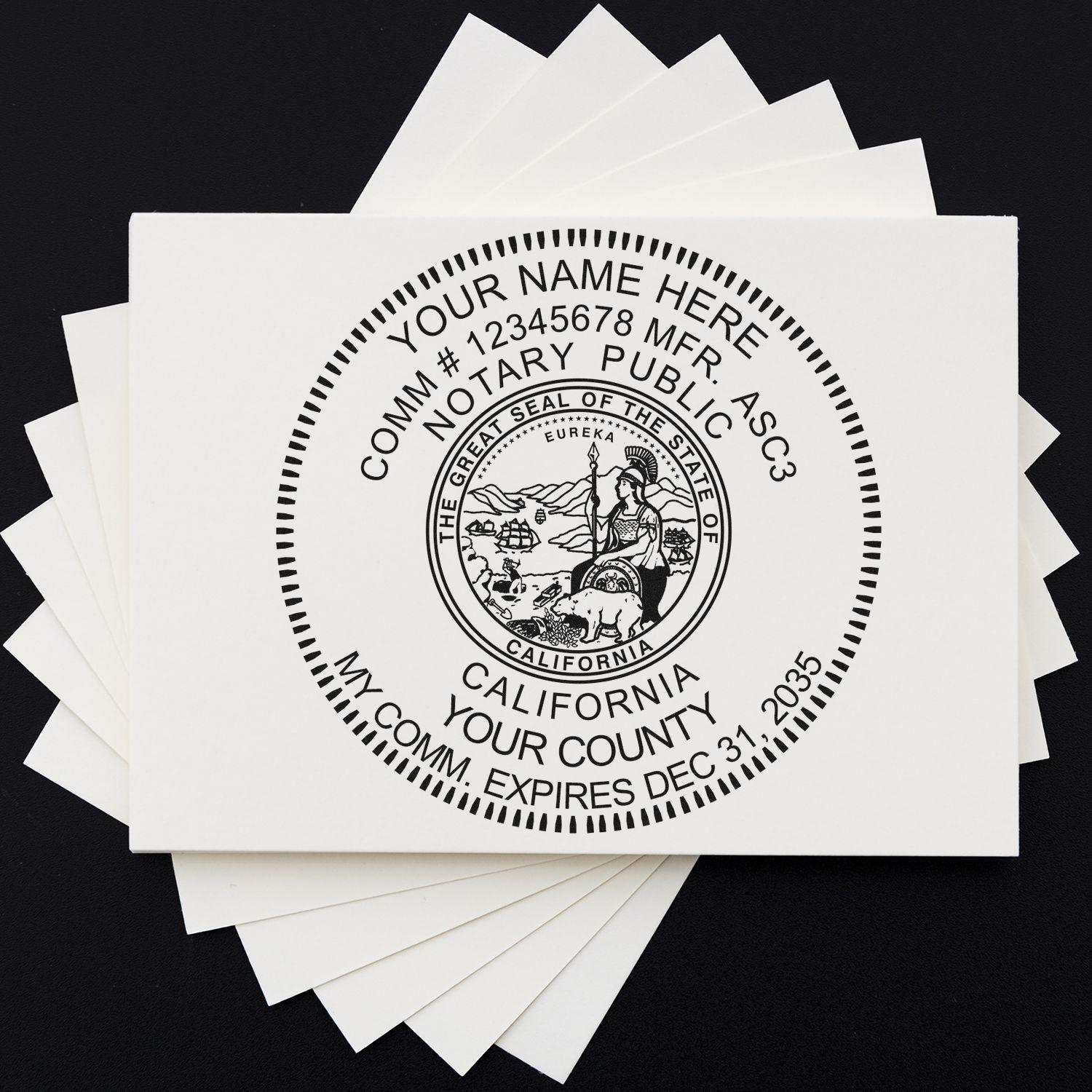
If you’re a California Notary Public, your CA notary seal is one of the core tools you rely on to validate and authenticate official documents. Using your seal effectively can boost your credibility, ensure legal compliance, and help you efficiently manage your notarial responsibilities. In this guide, you’ll find practical tips for keeping your seal in top shape, placing it correctly on documents, and taking advantage of trusted suppliers like Acorn Stamps, a family-owned business serving California notaries for over 60 years.
Recognize The Seal’s Value
Your seal is more than just a stamp, it represents your authority as a California Notary Public. Proper use of this tool directly affects your professional reputation and the authenticity of each document you notarize.
Why The Seal Matters
- It Confirms Identity: Your seal pairs with your signature to confirm that you, as a notary, have verified the signer’s identity.
- It Ensures Legitimacy: A clean and clear impression minimizes disputes about the notarized document’s validity.
- It Builds Trust: Clients feel more confident working with a notary who applies a seal accurately and consistently.
When you appreciate the true importance of your CA notary seal, you’re more likely to handle it with care and follow best practices in your daily notarial duties.
Prepare Your Seal
A reliable seal starts with proper preparation. By checking your materials and making a few simple adjustments, you’ll be better positioned to produce clear, legible results every time you notarize.
Test For Clarity
Before stamping a critical document, test your seal on a scrap piece of paper or practice notary certificate. Look closely at the impression and verify that the text, commission number, name, and other required details are sharp. If the image appears smudged or partially missing, adjust the ink pad or switch to a new one until you can achieve consistent clarity.
Store In A Clean Area
- Keep Your Seal Dry: Moisture in the air can degrade the stamping surface over time. Store your seal in a cool, dry drawer or container.
- Avoid Extreme Temperatures: Excessive heat or cold can cause the rubber and ink to deteriorate faster.
- Organize Other Supplies: If you also work with embossers or extra ink pads, keep them together but separate from everyday clutter.
By preparing your seal in advance, you’ll help prevent blurry impressions and ensure the final notarized record is easy for anyone to read.
Use Proper Placement
Submitting a neat, correctly placed seal impression is crucial. You want the seal to be fully visible without obscuring important text on the document.
Mind The Margin
Aim to place your seal close to the notarial language or your signature, while still leaving a small margin of white space around it. This approach helps separate the seal impression from the main text, making it easy to verify at a glance.
Avoid Overlapping Text
- Watch For Lines: If the document has preprinted lines or tables, consider stamping above or below them.
- Check For Crowded Spaces: Move any extraneous text or stamps so they don’t overlap the required notary statements.
- Communicate With Signers: If necessary, ask the signer or document originator to provide a clearer area for the seal.
Proper placement also prevents confusion later on, in case someone needs to verify the authenticity of the stamped document or re-examine your notarial record.
Keep Your Seal Secure
Security can’t be overlooked when you’re responsible for affixing an official seal. You must guard against unauthorized use, especially if you’re working in settings with numerous individuals or shared work areas.
Prevent Unauthorized Use
- Lock It Up: Store your CA notary seal in a locked drawer, cabinet, or safe when not in use.
- Limit Access: Don’t lend your seal to coworkers, family members, or anyone else who isn’t commissioned.
- Monitor Closely: If you notice any unusual activity around your workstation, check your seal immediately to ensure it hasn’t been moved or tampered with.
Track Your Supplies
Engrave or mark your storage box with your name or a unique identifier. This small step can help protect your belongings if you move between multiple workplaces or tend to carry your supplies with you.
A secure seal is a legitimate seal. By limiting unnecessary access, you protect both your professional reputation and your notarial clients from potential fraud.
Maintain Up-To-Date Details
Your seal includes personal and commission-related information, such as your name and commission expiration date. Anytime those details change, you must ensure your seal (and associated records) remain accurate.
Handle Renewals Promptly
- Confirm Commission End Date: Keep track of when your current commission is set to expire. Start the renewal process well in advance.
- Replace Your Seal: Once you’ve received your updated commission, you can order a new seal that reflects the correct expiration date.
- Update Notary Certificates: Any certificate or notarial documentation with outdated info should be updated or replaced to avoid confusion.
Address Name Changes
If your legal name changes, you may need to apply for a new commission or follow state guidelines for updating notary credentials. Make sure to update your seal so that it matches your official notary records.Staying on top of critical details shows you’re proactive and fully committed to meeting all state requirements.
Explore Replacement Options
Over time, the rubber surfaces on your stamp or embosser can wear out, resulting in faded or uneven impressions. If you notice these signs of wear, it may be time to consider a replacement or purchase a fresh ink pad.
Spot Signs Of Wear
- Faint Impressions: If the text or graphics on your seal are consistently faint, even with a new ink pad, the stamping surface might be worn down.
- Blurry Lines: Over-inking, smudging, or spread-out letters all indicate potential damage.
- Large Ink Leaks: If you see ink seeping from edges of your seal, it’s likely time for a replacement rather than a quick fix.
Evaluate Your Current Stamp Type
Many California Notaries prefer pre-inked or self-inking stamps for a cleaner, sharper impression. If your older model is giving inconsistent results, consider upgrading to a more modern notary stamp that offers long-lasting performance and consistent clarity.
Rely On Trusted Suppliers
Sourcing your CA notary seal from a reputable supplier is critical to making sure it meets regulatory standards and is built to last. Working with the right company saves you both time and worry while also giving you a dependable product that complements your professional image.
Why Choose Acorn Stamps
Acorn Stamps is a top supplier of California notary stamps and seals. Whether you’re just starting out in your commission or you’ve been a notary for decades, you can count on:
- Stellar Customer Service: If you have questions about your seal or need support, Acorn Stamps is ready to help.
- Super Fast Turnaround: Quick production and shipping ensure you have the seal you need without unnecessary delays.
- Decades Of Expertise: Family owned and operated since 1964, Acorn Stamps has offered over 60 years of service.
- Quality Assurance: Each stamp and seal is carefully crafted to meet California’s notarial requirements and deliver consistent impressions.
By working with a dedicated supplier like Acorn Stamps, you’ll be confident that your CA notary seal is compliant, durable, and easy to use. Plus, you’ll enjoy peace of mind knowing experienced professionals are there to guide you toward the right products for your notarial duties.
Address Five FAQs
Finally, here are five frequently asked questions about CA notary seals that may help you clarify any lingering doubts.
What Qualifies As A Legitimate CA Notary Seal?
A legitimate seal must include specific elements required by California law, such as your name, commission number, county, and commission expiration date. Make sure all letters and numbers are clearly visible.
How Often Should I Replace My Notary Seal?
You should replace it when the impression becomes faint, unreadable, or if your commissioned information has changed. Also, if your commission expires, you’ll need to order a new seal reflecting the updated expiration date.
Can I Use A Notary Seal Embosser Instead Of A Stamp?
California allows notaries to use embossers alongside rubber stamps. However, a rubber stamp with the required information is standard. An embosser might add a professional feel, but you should confirm its acceptability for official California documents.
Is It Possible To Use My Seal On Documents Outside California?
Generally, you can use your seal only while performing notarial acts within California. If someone needs a California notary for a document to be used out of state, you can still notarize it, as long as you’re physically in California and follow state rules.
Where Do I Place My Notary Seal On Documents With Limited Space?
If space is tight, ask for a separate notarial certificate or an attachment where you can properly stamp. Avoid overlapping signatures or text, and keep enough clearance so the seal is fully visible.
By understanding these common questions, you’ll feel more empowered to use your CA notary seal correctly and with confidence.
Review Key Takeaways
Using your CA notary seal effectively is essential to upholding professional standards and meeting California regulations. By focusing on clarity, security, and proper maintenance, you ensure that every document you stamp is both legitimate and easy to verify. Storing your seal carefully and ordering replacements as needed protects your commission from misuse and guarantees consistently clear impressions. Finally, partnering with a reliable supplier like Acorn Stamps simplifies your notarial tasks, thanks to the brand’s exceptional customer service, fast turnaround, and decades of expertise.
Applying just a few of these tips will help you make the most of your CA notary seal and deliver high-quality notarial services every time.