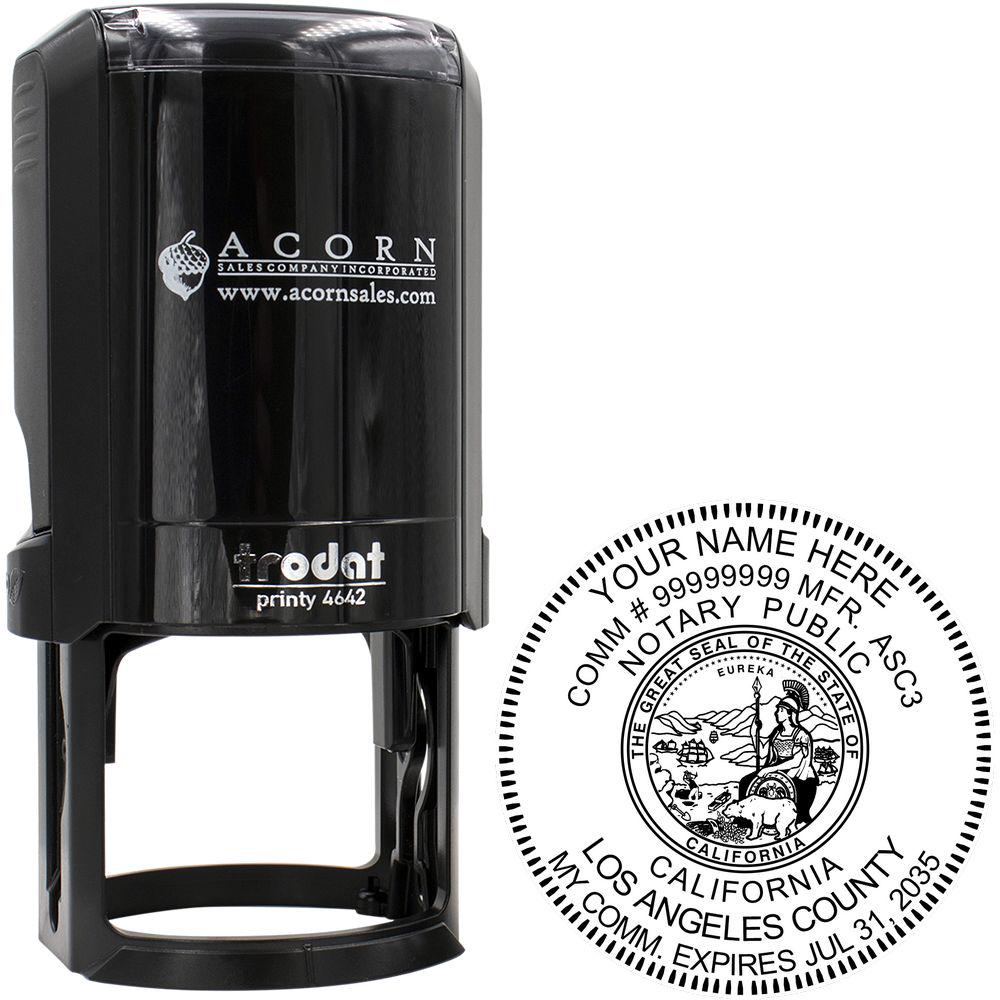
Your role as a California Notary Public often involves juggling paperwork, adhering to state guidelines, and ensuring each signing runs smoothly. Having a complete “california notary kit” can make every step of your work easier. This kit typically includes your notary stamp, seal, journal, and a few other key tools to help you maintain professionalism and compliance. In this post, you will learn how to assemble and use the best notary kit for stress-free signings, so you can deliver efficient and reliable service to your clients.
Recognize the Importance of a Complete Notary Kit
When you perform a notarization, you do more than simply witness a signature. You safeguard the legitimacy of legal documents and ensure that both signers and institutions can trust each transaction. Because your responsibilities carry legal weight, it is crucial to arm yourself with all the right tools.
Consistency in Service.
A complete kit guarantees you have everything you need on hand, reducing the chance of errors or delays.
Professional Image.
Arriving at a signing fully prepared conveys reliability and dedication, which clients immediately appreciate.
Legal Compliance.
California law enforces specific guidelines regarding stamps, seals, and record-keeping. Your notary kit helps you follow these regulations without hassle.
When you have a well-rounded notary kit, each signing becomes more straightforward. You can focus on guiding the client through the process, rather than scrambling for the right tools.
Know California Regulations
Before assembling your kit, you need to understand the regulations that govern notarial acts in California. The state has clear rules to protect signers, notaries, and the validity of legal documents. While each aspect of compliance is important, paying special attention to a few specific areas can save you from costly mistakes.
- Required Tools. California notaries must use an official stamp or seal, and they must maintain a journal for every notarization they perform.
- Official Seal Format. The stamp or seal must include your name, commission number, the state seal, and the county where your oath is on file.
- Record-Keeping Autonomy. You must keep a detailed notary journal that tracks essential information about each transaction, including the signer’s ID, the type of document, and the date.
Knowing these regulations helps you determine which items to include in your california notary kit and how to manage them responsibly.
Include the Essentials in Your Kit
There is no one-size-fits-all when it comes to notary kits, but certain fundamental items ensure you meet California’s requirements with ease. By including these essentials, you can streamline your notarizations and provide top-notch service.
Notary Stamp
Your stamp proves your active status and authenticates the documents you notarize. It must show your name as it appears on your commission, your official notary ID number, and the words “Notary Public – California.”
Notary Seal Embosser
In addition to a rubber stamp, some notaries choose an embosser. While not always required, it can add an official element for documents that benefit from a raised seal impression.
Notary Journal
A thorough record of your notarizations is crucial in California. Pick a journal with sequential numbered pages, as this helps maintain an accurate and traceable log of every act you perform.
Ink Pads or Refill Ink
If your stamp requires refillable ink, keep a backup supply. Having an extra ink pad on hand ensures you never run out of the crucial tool that validates documents.
Identification Aids
You will frequently need to check signers’ IDs. Including a small magnifying glass or a UV light can help you examine ID features more critically, particularly when verifying security elements embedded in official IDs.
When you gather these essential items into one place, you can ensure every signing is consistent and meets California’s established protocols.
Safeguard Your Notary Seal
Even the most perfectly designed stamp or seal will risk legal complications if it is improperly stored. In California, you are personally responsible for protecting your notarial tools from unauthorized use. Ensuring they remain secure is part of your professional obligation.
- Lock and Key. Keep your notary stamp in a locked drawer or case when not in use. This prevents anyone else from obtaining and misusing it.
- Private Workspace. If you share an office, store the seal in an area you alone can access. A personal locking cabinet or fireproof safe is a wise choice.
- Maintain Control. Never lend or allow someone else to borrow your notary kit. You—and only you—are authorized to use the seal for official notarizations.
Guarding your seal prevents fraudulent activity and protects your own notary reputation. Whenever you finalize a transaction, you can do so knowing that your tools remain uncompromised.
Stay Organized With Notary Journals
Your notary journal is more than a mere record of signings. It can be your best defense if a notarized document is questioned in the future. California’s notary regulations require you to maintain a continuous log of each act, but you can go beyond compliance by developing an efficient journal-keeping system.
- Consistent Entries. Record all relevant details—date, time, signer’s name, document type, and ID method—immediately after each act. Consistency builds a reliable paper trail.
- Easy Searchability. Consider adding an extra column for notes or a brief summary. This can help you quickly locate a particular transaction in the future without paging through the entire journal.
- Timestamp Accuracy. Always note the exact time of signing to avoid disputes or confusion. Even a small error can create chaos if the document is contested.
A well-maintained notary journal not only fulfills legal requirements but also offers peace of mind. You will have everything you need close at hand if questions ever arise.
Simplify Your Workflow With Additional Tools
Beyond the basics of your california notary kit—stamp, seal, and journal—you might also want to include a few helpful items that make appointments run even more smoothly.
- Portable Carrying Case. Keeping all your tools and documents in a compact, organized bag or case prevents rummaging around while in front of clients.
- Extra Pens and Highlighters. Signers often forget pens, and you will want to highlight specific sections or reference points within the paperwork.
- Sticky Notes or Page Flags. These are handy for marking where your clients need to sign or initial, minimizing confusion and mistakes.
- Calculator or Small Ruler. Certain transactions may require precise calculations, while a ruler helps check margins or validate document dimensions, especially for more specialized forms.
By adding convenience items to your kit, you will appear more prepared and professional. These extra steps also speed up your work so that your clients leave satisfied.
Choose a Trusted Supplier for Quality
Where you obtain your stamp, seal, and other notary supplies can greatly influence the speed, reliability, and overall quality of your service. You want products that meet California’s legal requirements and last through daily use. That is where Acorn Stamps excels.
For over 60 years, Acorn Stamps has been family owned and operated since 1964. During that time, they have become a top supplier of california notary stamps and california notary seals, offering:
- Stellar Customer Service. Dedicated support means you can have your questions answered quickly by people who understand notary needs.
- Super Fast Turnaround. You do not have to wait weeks for a new stamp if your existing one wears out or if you are a newly commissioned notary starting up.
- Quality Materials. Notary stamps from Acorn Stamps are crafted to withstand regular use, giving you crisp, readable impressions every time.
When you choose an experienced supplier, you avoid the headaches of delays, substandard materials, or unclear stamping. It is a straightforward way to secure your peace of mind and keep your signing appointments on track.
Create a Stress-Free Signing Process
Once you have a fully stocked california notary kit and a reliable supplier, it is time to focus on the signing process itself. A smooth appointment comes down to preparation, clarity, and a touch of assurance for your clients.
Prepare in Advance
Ask clients about the documents they need notarized and where they need to sign. Mark these sections with sticky notes, and double-check any special instructions regarding signatures or witnesses.
Verify IDs Quickly
Thoroughly review each signer’s identification. Using small tools like a magnifier or UV light helps you confirm authenticity without slowing down the meeting.
Explain Each Step
Walk signers through the process: verifying ID, completing their signature, applying your seal, and logging details in your journal. People appreciate knowing what will happen next.
Encourage Questions
If your clients are uncertain about any part of the document, invite them to clarify before proceeding. Address basic process concerns, though remind them you cannot provide legal advice.
Double-Check the Notary Journal
Verify that each field is filled correctly. Incomplete or inaccurate entries can cause confusion later. A consistent process each time ensures your reputation remains strong.
When you integrate these practices into your notary routine, you create a comfortable atmosphere that reassures your clients. In turn, you can focus on delivering accurate and prompt service.
Conclusion
By investing in the right california notary kit—and understanding how each tool fits into the bigger picture—you can elevate your notarial services. From your official stamp and seal to a meticulously maintained journal, each piece plays a role in ensuring accuracy, legality, and peace of mind.
You work hard to serve your community as a California Notary Public. Equipping yourself with reliable tools and streamlined processes makes that work easier. Through proper storage, prudent record-keeping, and quality materials from trusted suppliers like Acorn Stamps, you set the stage for hassle-free notarizations every time. Once you adopt a system that saves time and prevents unnecessary stress, you (and your clients) will reap the benefits of a professional, efficient signing experience.
Review Five Common Notary FAQs
What Is Included in a Typical California Notary Kit?
A complete kit usually contains a notary stamp, embossing seal (optional), journal, refill ink or ink pad, and identification aids. You might also include convenience items like sticky notes and extra pens to keep each signing session running smoothly.
Why Do I Need a Notary journal?
California law requires notaries to keep a record of all official acts. A notary journal provides a chronological record of each transaction, which is important in case any notarized document is later challenged.
How Often Should I Replace My Notary Stamp or Seal?
Replace your stamp or seal when the impression becomes unclear or when your name or commission changes. Regular upkeep—such as cleaning or re-inking—can extend the lifespan of your stamp and ensure each mark remains legible.
Can I Let Someone Else Use My Notary Seal if I Am Not Available?
No. You are solely responsible for the security and usage of your stamp and seal. Unauthorized use can lead to legal issues and potentially compromise your standing as a notary.
Where Should I Purchase a California Notary Kit?
Look for a reputable supplier that understands California’s requirements and offers high-quality products. Acorn Stamps, for example, is known for family ownership, fast shipping, and dependable customer service—making them a strong choice for your notary needs.