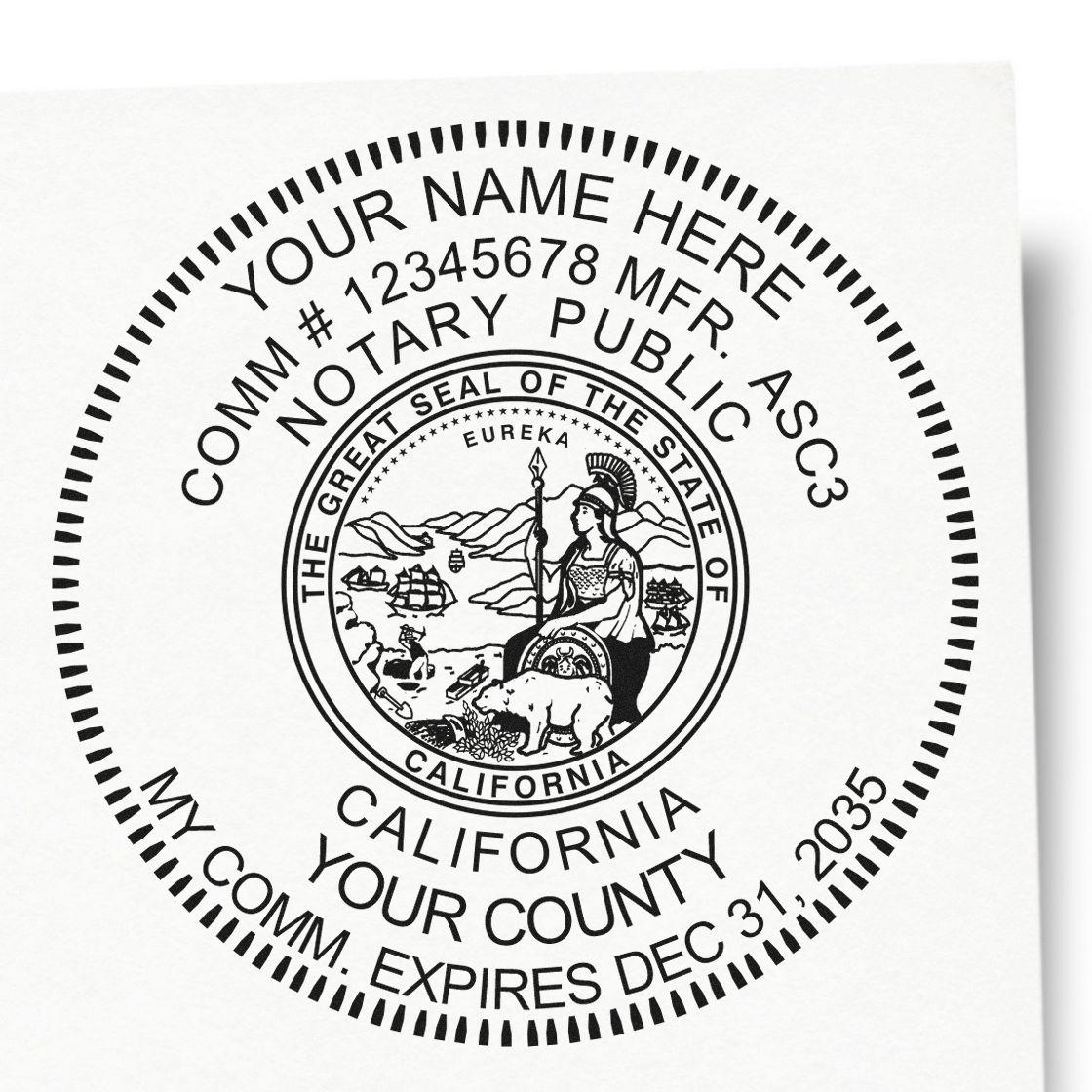
If you serve as a California notary public, you already know how important each tool in your notarial toolkit can be. Among the most essential is your California notary embosser. This small device may seem simple at a glance, but it has a significant role in verifying the authenticity of notarial acts and enhancing the professional image you project to your clients. By understanding what a notary embosser does, why it matters, and how to select and maintain one, you can ensure your notarial services always meet the highest standards of quality and compliance.
Understand The Value Of A California Notary Embosser
A California notary embosser is a handheld device that crimps a unique impression onto paper documents. As a notary public, you rely on this impression to signal that you have witnessed a signature, confirmed identities, or performed other notarial acts according to California law. Although some notaries also use rubber stamps, the raised impression from an embosser delivers an extra layer of security and professionalism.
The Purpose Of An Embosser
While the California Secretary of State requires notaries to use an official seal, many notaries choose to supplement their seal with an embosser. An embosser produces a raised, physical mark on the document, which can be felt by touch and is difficult to replicate. This tactile impression:
- Deters fraudulent duplication by making it harder for someone to scan and copy.
- Enhances the perceived legitimacy of the document by showcasing a distinct stamp of authenticity.
- Allows easy visual and tactile identification, especially if a document is being verified in person or under close scrutiny.
In an era when digital forgeries are increasingly sophisticated, having a physical impression helps reinforce trust in your notarial services.
Compliance With California Requirements
California expects its notaries to uphold high standards. Although the state requires a notarial seal, it does not prohibit the use of an embosser. In fact, having both a notary seal (commonly a rubber stamp) and an embosser often shows due diligence and dedication to maintaining authenticity in your practice. If your goal is to leave no stone unturned in preventing document tampering, your embosser can play a key part in that effort.
Remember, you do need to keep up with any changes to California’s notarial seal requirements. Always ensure the information in your seal (and embosser, if it includes text) follows state guidelines. This means including your name as it appears on your commission, along with the words “Notary Public” and “California.” Such clarity avoids any confusion and preserves the legality of your notarized documents.
You’ll Benefit From Using An Embosser
Even though you might technically satisfy California’s seal requirements with a simple stamp, an embosser delivers multiple advantages that go well beyond basic compliance. By using one, you help clients, companies, and legal professionals easily recognize the authenticity of your notarial acts.
Enhanced Professionalism
Professionalism is all about how you present yourself and your business. When you use a California notary embosser on a document, it immediately draws attention to your diligent approach. Clients understand you have put extra thought and care into ensuring their documents are securely verified. For instance:
- Presenting an embossed document leaves a strong visual impact, signaling quality and thoroughness.
- The raised impression conveys you are serious about preventing fraud.
- It makes your services stand out from other notaries who use only an inked seal.
In a crowded marketplace, the small touches can make a big difference in attracting repeat business. This is especially important if you handle real estate closings, loan signings, and other legal documents that require a heightened sense of trust.
Greater Document Security
With the prevalence of online document scanning, sometimes a simple inked stamp can be duplicated. An embosser’s raised impression is far more challenging to copy convincingly. This gives your clients added peace of mind, knowing their contracts, affidavits, deeds, and other notarized materials bear a definitive mark of authenticity.
When you press the embosser onto a page, it physically alters the fibers of the paper. Attempting to replicate or erase this distinctive imprint usually results in signs of tampering, which can render a document suspicious or invalid. This level of security is particularly comforting in transactions where absolute authenticity is paramount.
How To Choose The Right Embosser
There are many embossers on the market, but not all are created equal. You will want to focus on a few key factors when browsing your options: ease of use, durability, and the ability to meet California’s notarial guidelines.
Manual vs. Self-Inking
Most standard embossers are manual devices that crimp the paper without adding ink. This creates a crisp outline of your chosen seal design. But you might also see self-inking devices billed as “embossers.” These usually apply inked impressions, which can be quicker for bulk notarizations.
For traditional notarial embossers in California, the manual type is most common. It produces a purely raised mark without leaving any color behind. If you want to incorporate additional color or clarity, you can lightly shade the raised impression with an ink pad or pencil to highlight the details, although it is not strictly required.
Durability And Build Quality
If you notarize multiple documents a day, a flimsy device can wear out quickly. You want to invest in a durable embosser that continues producing a crisp impression no matter how frequently you use it. Before you buy:
- Compare metal and plastic construction. Metal embossers tend to handle heavier use.
- Check warranty information or any company guarantees about product longevity.
- Look for an ergonomic grip and adequate leverage to minimize hand fatigue.
Because your notary commission can span several years, it makes sense to purchase an embosser that can stand the test of time.
Best Practices For Proper Maintenance
Your California notary embosser serves as a key part of your professional toolkit. A little routine upkeep can extend its life and ensure prints remain clear.
Cleaning And Storage
Dust and paper debris can accumulate in the embosser’s crimping area, leading to blurred or inconsistent imprints. A few simple methods help you keep it pristine:
- Use a soft brush or compressed air to remove paper residue around the embossing plate.
- Wipe the exterior with a clean, lint-free cloth.
- Consider storing your embosser in a protective case to prevent accidental damage.
Humidity and direct sunlight can also affect the metal, so keep your embosser in a cool, dry environment when not in use.
Checking For Wear
Even the highest-quality embosser can lose its crispness over time. If you notice that your impression looks incomplete or lacks the sharp detail it once had, it might be time for a replacement insert or a new device. Moreover:
- Test a sample imprint on scrap paper each month to confirm crispness.
- Compare the result with an older example to check for signs of dulling.
- Contact your supplier if you see uneven or partial embossing.
Attending to minor issues early on is always easier (and more cost-effective) than re-embossing important documents or dealing with customer complaints about faint impressions.
Trust A Top Supplier: Acorn Stamps
When you are ready to invest in a new or replacement California notary embosser, it pays to go with a proven supplier. Acorn Stamps is a family-owned and operated business that has proudly served notaries since 1964, which means over 60 years of expertise. You can rely on their deep knowledge of California’s notarial requirements to help you find a device that meets your needs without compromising on quality.
Family-Owned Legacy
Family-owned businesses often bring a personal touch you do not find in larger corporations. At Acorn Stamps, this tradition of service has developed over generations. The company understands notaries’ challenges, from adhering to strict state laws to maintaining a sleek, professional image. Working with a family-run operation means you can expect:
- Attention to detail on even the smallest orders.
- Collaborative solutions if you need unique or custom-designed notarial products.
- Direct access to individuals who genuinely care about your success as a California notary.
Fast Turnaround And Customer Service
When you need an embosser, you usually need it quickly. Acorn Stamps prioritizes super-fast turnaround times so you can continue serving clients without missing a beat. At the same time, you will get stellar support if any questions arise. Prompt customer service is a hallmark of a reliable partner. Whether you want guidance on choosing embossing plates or tips on the best storage practices, you can be sure Acorn Stamps is ready to lend a hand.
Frequently Asked Questions (FAQs)
Below are some common queries about California notary embossers. If you have additional concerns, consider reaching out to a reputable supplier or consulting your state’s official notary guidelines.
Is A California Notary Embosser Required By Law?
California law requires a notarial seal that includes specific information, such as your name and the words “Notary Public” and “California,” but it does not specifically demand an embosser-style seal. Most notaries use an inked rubber stamp as their official seal. However, adding an embosser is perfectly acceptable and can enhance both security and credibility.
How Do I Properly Store My Embosser?
You should keep your embosser in a safe, dry area away from extreme temperatures and direct sunlight. A dedicated case or pouch can protect it from dust, moisture, and damage. Because you want to avoid unauthorized access, consider storing your embosser along with your other official notary supplies in a locked container or desk drawer.
Can I Emboss Over My Inked Seal?
Technically yes, although it is not a requirement. Some notaries emboss the same spot they have stamped, while others prefer to place their embosser impression adjacent to their inked seal. If you choose to emboss over an inked seal, make sure the text remains legible and that you do not violate any rules about ensuring the seal information is visible.
How Often Should I Replace My Embosser?
This depends on how frequently you use it. Heavy daily use may wear out the crimping plates over time, leading to faint or uneven impressions. If your embossing starts looking incomplete, or if you see signs of consistent wear, you may need a replacement insert or a new device. It is a good idea to do periodic checks to confirm the quality of your impressions.
Which Supplier Offers The Best Value For California Notary Embossers?
The best supplier depends on your individual needs, but it is hard to go wrong with a trusted, family-owned business like Acorn Stamps. They have operated for over 60 years, have comprehensive knowledge of California notary requirements, and commit to fast turnaround and stellar customer service. While you may find cheaper items online, quality and reliability can vary. With Acorn Stamps, you invest in a product that stands up to long-term use and meets California’s rigorous standards.
By selecting a reliable California notary embosser and using it correctly, you elevate your notarial practice with enhanced security, professionalism, and peace of mind. It is an investment that reflects your dedication to safeguarding documents and serving your clients with unwavering integrity. Whether you are a newly commissioned notary or a seasoned professional, a high-quality embosser can help reaffirm your role as a trusted public officer in the Golden State.