Discover Why Your Alaska Notary Seal Matters
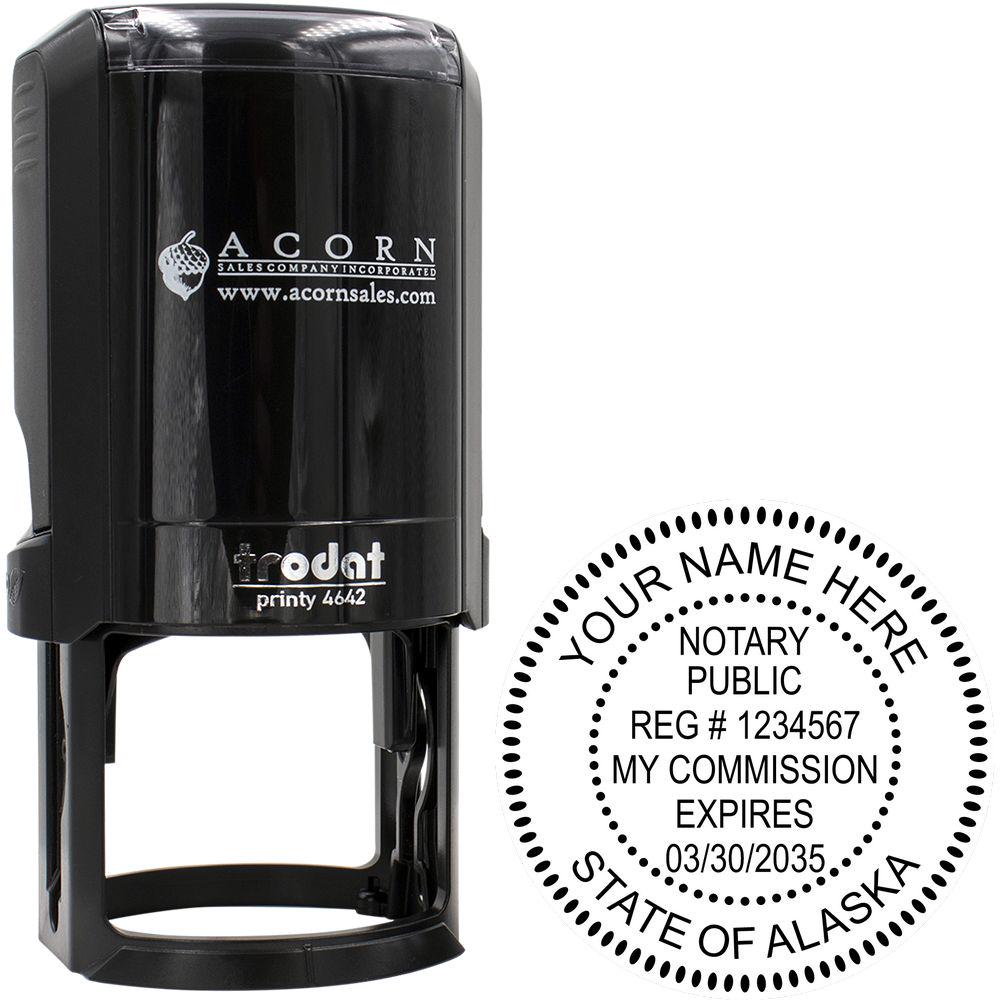
Choosing the right Alaska notary seal is one of the most important steps you can take in your official capacity as a notary public. Your seal doesn’t just authenticate the documents you notarize, it also projects your professionalism. In Alaska, this seal represents your commitment to fairness, accuracy, and trust, so it’s worth selecting a seal that meets both state guidelines and your personal preferences.
If you’re looking for guidance, you’re in the right place. As you explore different seal designs, materials, and suppliers, you’ll see how much impact the right choice can have on your day-to-day duties. This guide will walk you through everything you need to know—from meeting legal requirements to proper maintenance—so that you feel confident in your selection.|
Follow Alaska’s Legal Guidelines
Before you focus on style or custom features, you need to ensure that your seal meets Alaska’s legal standards. Failing to comply with these requirements can lead to penalties or the invalidation of notarized documents. Fortunately, following the rules is usually straightforward, as they were created to protect the integrity of the notarial process.
Know Your State Regulations
- Required Elements: In Alaska, notary seals typically include your name, the words “Notary Public,” the words “State of Alaska,” and your commission expiration date.
- Use of Embosser vs. Ink Stamp: Some states specify one over the other, but Alaska generally allows a traditional embosser or a rubber ink stamp, provided it’s clearly legible on the documents you notarize.
- Size and Format: While there’s no exact size specified by every regulation, your seal should be easily readable and leave a clear impression. Oversized or undersized seals can lead to readability issues.
Verify Your Commission
Double-check that your commission information matches exactly what appears on official records. Even a small spelling discrepancy can cause delays or legal questions. Keep your notary certificate handy whenever you order a new seal so you have the exact details you need. If your name or commission has recently changed, notify the relevant authorities before ordering a seal with outdated information.
Pick the Right Format
When you’re choosing an “Alaska notary seal,” you’ll find a variety of formats. You can select from pre-inked stamps, self-inking stamps, and embossers, each with their own advantages. Deciding which one is right for you often comes down to personal preference, frequency of use, and storage needs.
Self-Inking Stamps
A self-inking stamp has an internal ink pad and a mechanism that re-inks the die plate every time you press it down. If you need a large number of impressions quickly—such as when you handle many notarial acts each day—this option could streamline your process. You won’t have to stop and re-ink often, which saves time. Just refill or replace the internal ink pad when the quality of the imprint starts to fade.
Pre-Inked Stamps
Pre-inked stamps typically use an oil-based ink that’s embedded into the stamp itself. When you press down, the ink is pushed onto the paper, creating a crisp, consistent image. These stamps often last for thousands of impressions without needing a refill. They are a great choice if you value a clean, sharp imprint and might need to stamp important, official paperwork with minimal smudging.
Traditional Embossers
If you enjoy a classic, professional look, consider a traditional embosser. It leaves a raised seal on your document, providing a very formal appearance. In Alaska, embossers are often legally acceptable as long as they meet general notary requirements. However, be aware that embossed impressions can sometimes be difficult to photocopy. If you’re mailing documents or submitting digital scans, you may want an ink stamp version on hand as well.
Choose Quality Materials Wisely
Not all notary seals are created equal. Low-quality seals can lead to blurry markings, weak embossing, or parts that break too soon. You have an essential job, and if your seal fails, you may be stuck with delays or the need to reorder on short notice. When it’s time to make your final selection, look for materials and products that offer consistent stamping results and durability.
Metal vs. Plastic Parts
Opting for a seal with a sturdy metal frame can help it stand up to daily wear and tear. Plastic parts might be cheaper, but they can break more easily with frequent use. Since an Alaska notary seal is a long-term investment, consider paying a bit more upfront for higher-quality materials.
Ink Type and Longevity
For ink-based seals, always confirm the type of ink used. Good notary ink stands up to typical environmental conditions—such as exposure to light or fluctuations in temperature—so the seal remains visible for years to come. Fading inks or poor-quality paper impressions undermine the authenticity of your notarial acts.
Customize Your Seal Design
While Alaska’s rules outline what information your seal must include, you still have some flexibility. A personalized touch can make your official seal stand apart without sacrificing any legal requirements.
Name Format
Your name must appear exactly as it does on your commission, but you might have an option for adding a middle initial or suffix if your official records include it. Ensure that whatever name you use for your seal is 100% consistent with your official documentation.
Font and Style
Some suppliers allow you to choose from different fonts or layout arrangements, as long as you keep the mandatory text legible. A block font is often easiest for third parties to read, but you might find another style that aligns with your personal preference. Just be sure that readability remains your top priority.
Adding a Logo or Graphic
In some cases, you can include small logos or state-specific images. Always confirm that adding a graphic is permitted under Alaska regulations. Often, the design simply needs to avoid overshadowing the legally required details and remain clear when stamped or embossed.
Use a Reputable Supplier
Acquiring your Alaska notary seal through a reputable supplier can make a big difference in both quality and customer support. You want a business that understands Alaska’s legal landscape and can answer your questions quickly.
Why Consider Acorn Stamps
Acorn Stamps has been a top supplier of Alaska notary stamps and seals for decades. Family owned and operated since 1964, Acorn Stamps prides itself on 60 years of service, stellar customer support, and a super-fast turnaround. Whether you’re ordering a self-inking stamp for everyday use or an elegant embosser to make documents look professional, you can count on them for consistent quality. Beyond simply delivering your seal, they stand ready to assist if you need customization tips, have concerns about Alaska’s regulations, or just want advice on choosing an ink color.
Factors to Evaluate
- Reliability: Check how quickly a supplier can turn around your order. If you need your seal urgently, you don’t want unnecessary delays.
- Craftsmanship: Read product descriptions carefully to see if they emphasize high-grade materials and strong construction.
- Customer Reviews: Look for testimonials from other Alaska notaries. If their experiences are positive, it’s a strong indicator of that supplier’s credibility.
Caring For Your Seal
Once you have your Alaska notary seal in hand, it becomes part of your daily workflow. Proper care will keep your seal delivering crisp, readable impressions and will also protect against accidental wear or damage.
Storage Strategies
- Cool, Dry Environment: Avoid exposing your seal to heat or moisture for long periods, as these conditions can degrade both ink and mechanical parts.
- Protective Cases: Some suppliers offer cases or pouches specifically designed to protect stamps and embossers. A case can help prevent dust buildup and accidental scrapes when you’re on the go.
- Separated From Other Supplies: Keep your notary seal in a designated drawer, shielded from heavy office supplies that could dent or crack it.
Maintenance Tips for Long-Term Use
- Regular Cleaning: Remove any excess ink or debris from the stamping surface. For embossers, check that no small bits of paper are lodged in the die or clip.
- Ink Pad Replacement: If you’re using a self-inking or pre-inked stamp, monitor how crisp your impressions look. When the image becomes faint or uneven, replace or refill the ink pad promptly.
- Timely Repairs: If your seal malfunctions—perhaps the handle cracks or the embosser’s plate loosens—don’t attempt a quick fix that might void warranties. Contact your supplier for guidance.
FAQs About Alaska Notary Seal
Below are five frequently asked questions to help you navigate the process of choosing, using, and maintaining your notary seal.
Do I Need a Separate Embosser and Ink Stamp?
You aren’t required to have both, but some notaries in Alaska prefer to carry an embosser for formal events and an ink stamp for everyday notarizations. Consider having at least one sturdy seal that meets state guidelines, whether that’s ink-based or an embosser.
How Do I Replace or Update My Seal?
If you need to change your name or update your commission expiration date, contact a reputable supplier like Acorn Stamps for a new seal that reflects the latest information. Always verify that you’ve updated your commission details with the state before ordering.
How Long Does a Typical Seal Last?
The lifespan depends on how frequently you use it. Self-inking and pre-inked stamps can last for thousands of impressions before needing a new ink pad. An embosser may last decades when maintained properly, but you may need to keep an eye on the die plate for signs of wear.
Is a Custom Design Allowed for an Alaska Notary Seal?
Yes, as long as your seal meets the required elements—your name, “Notary Public,” “State of Alaska,” and your commission expiration date. Just ensure any decorative elements don’t make the mandatory text hard to read.
What Happens if My Alaska Notary Seal Is Lost or Stolen?
If your seal goes missing, report the loss to the appropriate authorities as soon as possible. You will likely need to invalidate the missing seal and order a new one right away. Keeping a protective case and storing the seal securely can prevent such mishaps.
You might find other questions pop up as you begin or continue your work as an Alaska notary public. Don’t be afraid to speak directly with your supplier or consult Alaska state guidelines whenever you need clarity. Remember that your notary seal is more than a simple tool—it is a symbol of your authority in the eyes of those who rely on your services. By carefully selecting the right format, ensuring it meets Alaska’s legal requirements, and purchasing from a trusted supplier like Acorn Stamps, you’ll set yourself up for success in every notarial act you perform. Ultimately, the ideal Alaska notary seal is one that delivers crisp, consistent impressions and reflects your professional standards.