Understand the Key Requirements
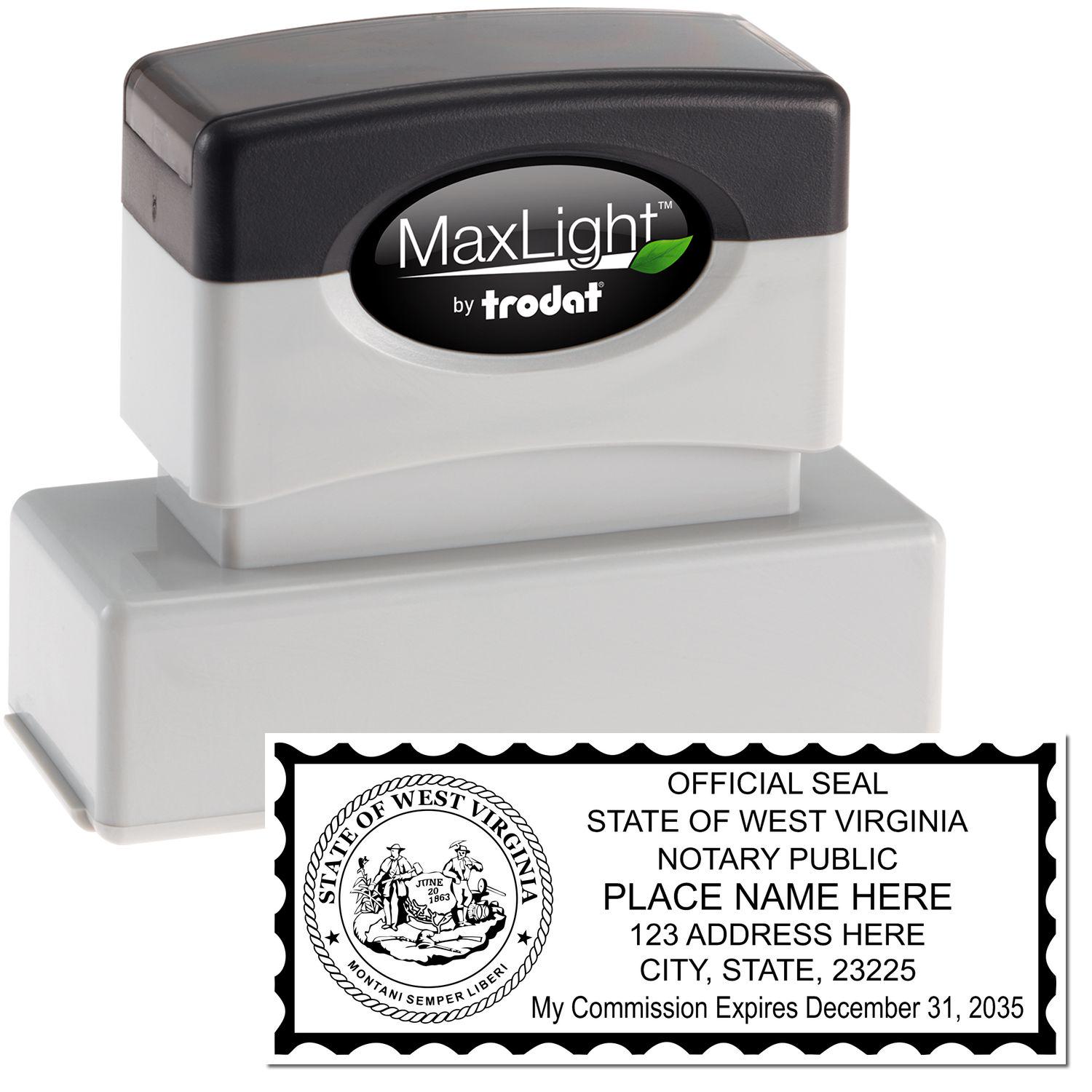
If you are a notary public in the Mountain State, getting familiar with West Virginia notary stamp requirements is one of your top priorities. You want to avoid any mistakes that could jeopardize the validity of your notarial acts and ensure everything you stamp is legally sound. In West Virginia, your notary stamp must include specific details, including your official name and commission expiration date. Having these essentials in place ensures the documents you notarize are recognized by the state without complications.
In addition to your name and expiration date, the phrase “Notary Public” and “State of West Virginia” should also be clearly visible. For many notaries, it is also helpful to include a commission identification or license number so all relevant information is in one convenient place. When you have these components on your stamp, it is much easier to demonstrate that you followed the proper guidelines and that the notarization itself meets state standards.
A common pitfall is ordering a stamp before verifying all state requirements. By double-checking the West Virginia Secretary of State’s guidelines first, you are taking the time to protect yourself and anyone who relies on your services. Thorough research may feel time-consuming, but you will avoid costly reorders and potential legal missteps down the line.
Follow West Virginia Regulations
In West Virginia, the Secretary of State oversees notary commissions, including the rules for how your signature and official seal appear on documents. The main goal is uniformity. Anyone who opens a notarized document in West Virginia should be able to instantly see that it is valid. You can help maintain this consistency by making sure your stamp stays within any size or shape restrictions and contains the required elements.
Most West Virginia notaries opt for a rectangular or round stamp. You can choose whichever you prefer, as long as it is readable and neat. Certain color inks, like blue or black, are strongly recommended so the impression is legible on photocopies and scans. A faint color might sound fun, but it can be frustrating when the text does not show up clearly. Sticking with darker, standard colors helps maintain clarity.
You also want to remember that West Virginia law requires you to sign your name exactly as it appears on your commission. If your middle initial or full middle name is included in the official record, you must reflect that in your signature and on your stamp. This ensures there is no confusion between your notarial acts and those performed by another notary with a similar name.
Choose a Compliant Notary Seal
While many notary supplies are optional, a compliant seal or stamp is not. West Virginia does allow an embossed seal, but most modern notaries use inked stamps for both convenience and readability. Inked stamps are quicker to apply, and the stamped impression is usually easier to reproduce accurately if the document is copied or scanned.
When shopping, be sure to stick with a reputable supplier that knows West Virginia’s stamp guidelines. Your priority is a crisp, accurate imprint, but some suppliers also offer design styles that keep your commission details easy to see. If you handle a wide range of documents, consider a self-inking model that speeds up your workflow. For a more traditional approach, a wooden handle stamp paired with a separate ink pad might be your style. The choice depends on what makes your day-to-day tasks simpler.
Another detail to remember is durability. Not every stamp is created equal. If you need your stamp to last through a large volume of notarizations, investing in one that withstands frequent use is worth it. That is where it helps to read reviews or ask other West Virginia notaries about their experiences. With the right seal, you can gain peace of mind and project a professional image to your clients.
Avoid Common Oversights
Even the most conscientious notaries can hit a snag if they skip double-checking small details. One oversight is forgetting to keep your personal information on the stamp current and accurate. For instance, if you change your legal name, you will need to update your commission and potentially order a new stamp. Using an outdated stamp can call into question the legitimacy of all future notarized documents.
Another mistake is failing to verify the layout or text on your new stamp before finalizing the order. Double-check every letter of your name, your commission expiration date, and any required words like “State of West Virginia.” A simple transpose of letters or numbers can cause big headaches. Skimming might save a minute or two now, but a thorough review protects you from having to reorder stamps at your own expense.
Finally, some notaries forget to test their stamps once they arrive. Before using your new stamp on official paperwork, you should run a quick self-test on a blank sheet. Look for any missing or smudged details. If the lettering is fuzzy or incomplete, you may need a replacement. This step ensures the impression is crisp and meets the West Virginia notary stamp requirements every time you apply it.
Maintain Proper Recordkeeping
Whether you are notarizing one document per year or dozens each week, proper recordkeeping is vital. In West Virginia, you are generally not required to keep a journal, but many notaries choose to do so for their own security and organization. If a dispute ever arises, a well-kept record provides valuable evidence that you completed your duties appropriately.
In your recordkeeping, make sure you note the date, type of document, and any signatures involved. You can also keep track of how your stamp is performing. If you notice the impression fading or becoming hard to read, you might need to replace the ink cartridge (in case of self-inking stamps) or discontinue use of a worn-out seal. This proactive approach prevents sloppy marks that might be rejected by a county clerk or other official body.
You also want to store your stamp in a safe place, away from unauthorized uses. If someone else were to use your seal, it could cause serious complications for your commission. Many notaries tuck their stamp and supplies in a locked desk drawer or filing cabinet, restricting access to themselves alone. Prioritizing the security of your stamp helps keep your notarial acts credible in the eyes of the law.
Renew Your Commission On Time
Your West Virginia notary commission will expire after a designated period. It is your responsibility to confirm that date and renew well in advance. If your commission lapses, you will not legally be allowed to act as a notary until you complete the renewal process. Preparation here is key, because the state will not accept any notarial acts you perform once your commission is expired.
When you renew, you may need to reapply or provide updated personal information to the Secretary of State. If you applied under a different name or address initially, you will want to correct that so all your information matches your current circumstances. Once your renewal is approved, you will have a new expiration date. This is another reason why checking and possibly updating your stamp is wise. Failing to update the date on your stamp can easily lead to confusion and potential legal challenges.
Your renewal process is an excellent time to evaluate how well your stamp has been working. If the seal impression is beginning to blur or if your initials have changed, ordering a new stamp immediately ensures you transition smoothly from one commission period to the next.
Partner With Acorn Stamps
Choosing the right supplier for your West Virginia notary seal makes all the difference. That is why so many notaries rely on Acorn Stamps for high-quality, compliant solutions in the state. As a family owned and operated business with 60 years of service, Acorn Stamps focuses on delivering quick turnaround times and expert customer care.
When you need a West Virginia notary stamp that meets every requirement, Acorn Stamps can guide you through all your options. Whether you prefer a self-inking model or a classic wood-handle design, the staff is ready to help you pick what fits your style. They prioritize the accuracy of your personal information and ensure every detail, from your name to your commission number, is precisely engraved or imprinted.
Fast shipping is also a signature feature of Acorn Stamps. When you work in a busy notary environment, waiting weeks for a missing or damaged stamp can disrupt your workflow. With Acorn Stamps, you can count on timely delivery so you can continue providing notarial services without long delays. This can be a lifesaver if you realize near the last minute that you need a replacement seal to comply with West Virginia regulations.
Gather Practical Tips That Help
There are plenty of small actions you can take to ensure your notary process is seamless. These might seem minor, but they can make a significant difference when you notarize documents on a regular basis.
- Keep Extra Ink: If you use a self-inking stamp, have a backup ink pad or cartridge ready. You will not have to scramble when your stamp suddenly runs dry.
- Perform Test Impressions: Every once in a while, place a test stamp on scrap paper to check that the text is readable and every detail is included. This is an easy step to keep your stamp from wearing out too quietly.
- Communicate Your Scope: Let signers know exactly what you can and cannot notarize. Providing clarity upfront cuts down on awkward moments or wasted time if a request falls outside your jurisdiction or the scope of your commission.
- Stay Updated on Laws: Even small regulatory changes can alter the details you need to include on your notary stamp. Periodically check the Secretary of State’s website to confirm that your seal and methods remain authorized.
- Set Up a Renewal Reminder: Mark your calendar or set an electronic reminder for your commission’s expiration date. Renewing early prevents a gap in your notarial authority that could inconvenience you or your clients.
Implementing these tips keeps your practice consistent and safe. In the long run, the combination of correct supplies, meticulous recordkeeping, and adherence to state rules ensures you maintain a spotless notarial record.
FAQs
Do I Need a Specific Ink Color for My West Virginia Notary Stamp?
You can use black or blue ink, as both are common and typically acceptable. The key is making sure your stamp’s impression is dark enough to be easily read and reproduced.
What Happens if I Change My Name?
If you legally change your name, you must update your commission information through the West Virginia Secretary of State. You will likely need to obtain a new stamp that reflects your new legal name to remain compliant.
How Often Should I Replace My Notary Stamp?
It depends on usage and the quality of the stamp. If you notice the impression getting faint or the text becoming unclear, it is time for a replacement. Many notaries find that a high-quality stamp can last the duration of their commission period.
Can I Still Use an Embosser Instead of an Ink Stamp?
Yes, West Virginia does permit embossed seals. However, ink stamps are generally preferred because they are easier to see on copies. If you opt for an embosser, make sure it includes all required information.
Where Is the Best Place to Order My Stamp?
Working with a trusted supplier, like Acorn Stamps, helps ensure you meet every West Virginia notary stamp requirement. You will receive accurate, high-quality stamps, plus top-tier customer support and fast delivery.
By understanding and following West Virginia notary stamp requirements, you can avoid costly mistakes and safeguard the legitimacy of your notarial acts. Having the right stamp, keeping up with evolving regulations, and partnering with a reliable supplier all contribute to a smoothly run notary practice. When you honor these commitments, you are giving your clients the professionalism and confidence they deserve.