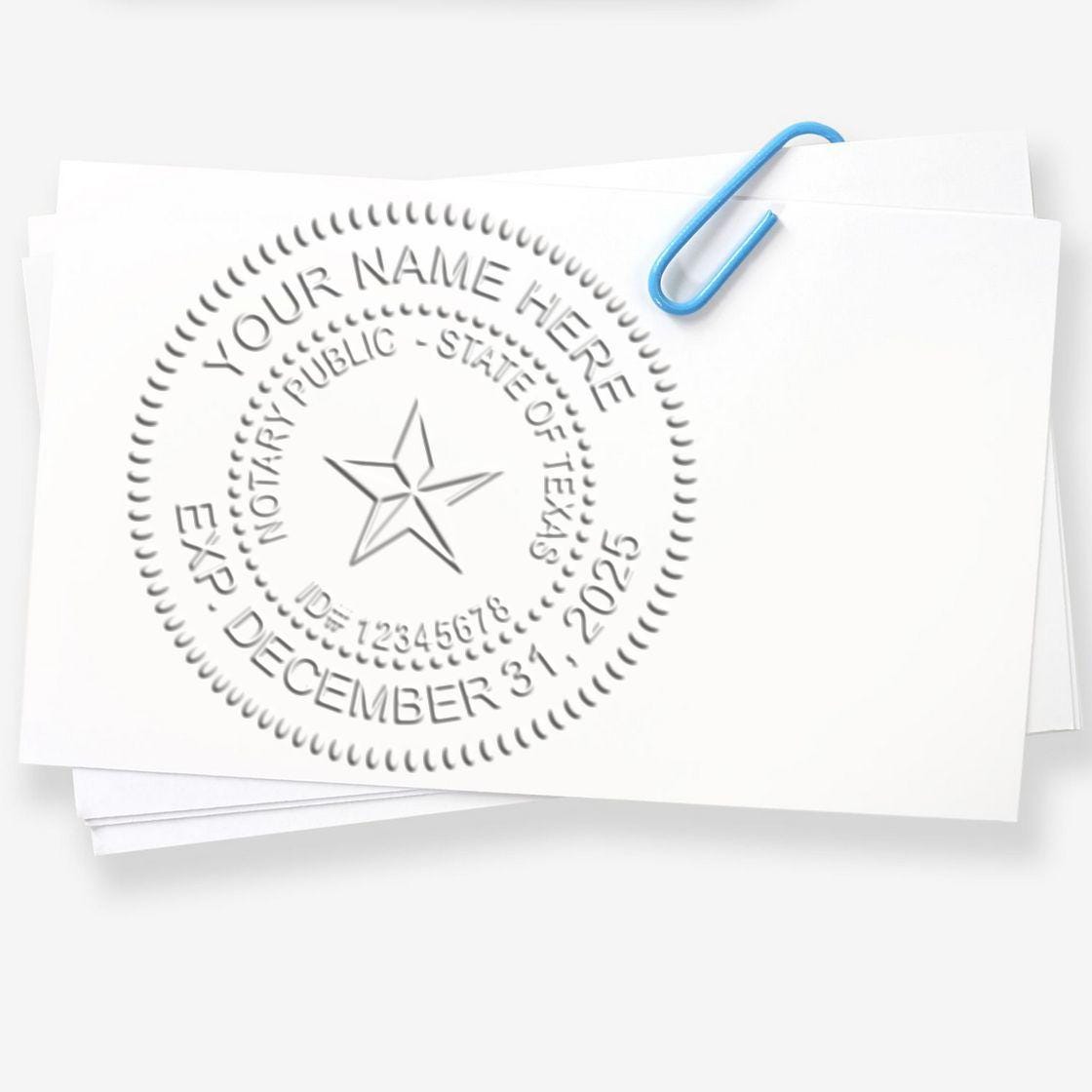
You want to feel confident that your Texas notary public stamp is not only compliant with state requirements but also a reliable tool you can count on every day. Finding the right stamp involves understanding the rules, choosing the features that matter most, and selecting a provider that consistently delivers high-quality products. Below, you will find a comprehensive overview of what to look for when shopping for a Texas notary public stamp, from essential elements to care tips and more.
Understand Your Texas Notary Stamp
Your Texas notary public stamp is a critical piece of your daily notarial duties. After all, this small stamp represents both your official authority and your professionalism. Whether you are just starting your commission or looking to replace an old stamp, investing time into choosing the best option can save you headaches later.
A properly made stamp helps ensure that any document you notarize has a clear, legible impression. Most clients and institutions will expect a clean-looking seal that clearly shows your name, your state of commission, and any other pertinent details. Because your Texas notary stamp is used for official duties, quality really does matter. A faint or smudged stamp impression can call into question the legitimacy of the notarization. By taking the time to choose a stamp that consistently produces crisp, readable marks, you play a key role in upholding trust in the notarial process.
Recognize Required Elements
Before selecting your Texas notary stamp, it is helpful to understand the legal and practical elements that your seal should contain. Although requirements can vary, the basic stamp format in Texas typically needs to include:
- Your name as listed on your notary commission
- The words “Notary Public” or “Notary Seal”
- The state designation “State of Texas”
- Your notary identification number (if applicable)
Including these details ensures you meet the guidelines mandated by Texas law. It is always a good idea to confirm the specific requirements with the Texas Secretary of State or an official state resource. By doing so, you will avoid having to reorder a non-compliant stamp that might get rejected by clients or institutions.
Explore Popular Stamp Types
Modern notary stamps come in several different styles. Understanding the nuances of each can help you decide which one is best suited to your daily workflow. Below are three common varieties you will likely encounter.
Self-Inking Stamps
Self-inking stamps have an internal ink pad, making them exceptionally convenient for frequent stamping. When you press down on the stamp, the die automatically re-inks between impressions. If you expect to perform many notarizations daily, these stamps help save time. Plus, they often leave a crisp impression and can be re-inked to extend their life.
Pre-Inked Stamps
Pre-inked stamps use a special gel formula that sits inside the stamp die rather than on a traditional pad. This results in a sharper and more detailed impression. The ink also tends to last longer before you need to refill. Pre-inked stamps are a good match if you want high-definition impressions while maintaining a smaller, more streamlined device.
Traditional Rubber Stamps
Rubber stamps rely on a separate ink pad that you press onto the seal before stamping the document. These may be less expensive but can be messier and slower to use, especially if you handle high volumes of notarizations. If you plan to use a rubber stamp, be sure to have a well-fitting ink pad designed to work with your stamp size and material.
Select The Right Ink
Ink color and consistency can make a noticeable difference in how your notary seal appears on documents. Although black is typically the most popular choice for an official seal, some states allow alternative colors like blue or purple. Beware that lighter colors may not scan or copy well, which can raise questions about authenticity.
Consider the following ink properties when making your choice:
- Viscosity: Thicker ink can lead to sharp impressions but may require more frequent re-inking.
- Drying speed: If you handle your documents immediately after stamping, a fast-drying ink formula helps you avoid smudges.
- Archival quality: Look for ink that does not fade quickly under normal storage conditions, so documents remain readable over time.
Selecting ink should not feel like guesswork. You deserve clarity that your stamp impressions will remain crisp from the moment they meet the page to the day someone needs to reference that notarized document.
Consider Durability And Ease
Since a Texas notary public stamp is typically used multiple times per day, durability matters. You want a stamp body that can withstand repetitive pressing over weeks, months, and years. Heavy-duty plastics, metal frames, and consistent internal components can help ensure a longer lifespan. Ease of use also goes hand in hand with durability, especially if you notarize thick stacks of documents or navigate various paper types. Some features that enhance convenience include:
- Ergonomic handles to reduce strain during repetitive stamping
- Light-tension mechanisms for smoother impressions
- Clearly visible alignment guides to position the stamp on your document
Balancing durability with comfort helps you stay efficient and consistent in your notarial duties. Rather than replacing flimsy or awkward stamps every few months, you can put your trust in one sturdy tool that functions reliably year-round.
Rely On Acorn Stamps
When you are looking for a high-quality Texas notary public stamp that meets official requirements and stands up to consistent use, Acorn Stamps has you covered. As a family-owned and operated company since 1964, our team has nearly 60 years of experience creating notary stamps and seals that exceed industry standards.
Acorn Stamps is proud to:
- Deliver stellar customer service tailored to your needs
- Offer super-fast turnaround times for those last-minute orders
- Maintain the tradition of excellence that has kept us going for decades
Our goal is to provide you with a properly formatted, dependable notary stamp. Whether you prefer self-inking or pre-inked designs, we can help you risk less smudging and fewer mistakes on important documents. We understand that in the professional notary world, reliability is everything. When your stamp consistently produces clear, legally compliant impressions, you can carry out your duties with peace of mind.
Maintain Your Notary Tools
Once you have your ideal Texas notary public stamp, you want it to perform flawlessly day after day. Routine maintenance tasks ensure that your seal remains distinct and readable:
- Clean the stamp surface regularly
Gently wipe off ink residue or paper lint that can build up over time. Use a mild, stamp-safe cleanser if needed to keep surfaces free of debris.
- Store properly
Keep your notary stamp in a cool, dry place away from direct sunlight to protect the ink. Use a cap or protective case to shield the impression area from dust.
- Re-ink as needed
Watch for signs of faded or inconsistent impressions. If you see uneven stamping, your pad may be drying out. Follow the manufacturer’s instructions for replenishing ink.
- Inspect for wear and tear
Examine each component for cracks or loosening parts, especially if you use your stamp daily. Repair or replace any damaged parts so your notary supplies stay safe and functional.
By following these simple care steps, you are more likely to maintain an accurate seal that lasts for its entire recommended lifespan. Plus, keeping your stamp in great condition means you can avoid unplanned downtime or document challenges.
Frequently Asked Questions
Below are five questions many notaries ask when they begin shopping for a Texas notary public stamp:
Do I Need A Specific Shape Or Size For My Texas Notary Stamp?
You have some freedom in selecting shapes and sizes. However, it is essential that your stamp’s text is easily legible and contains all the required elements. Common shapes include round or rectangular. Always ensure compliance with the latest Texas state guidelines to avoid issues later.
Is A Self-Inking Stamp Better Than A Pre-Inked Stamp?
It depends on personal preference. If you expect to handle several notarizations in a row, a self-inking stamp might be more convenient because it re-inks automatically. However, if you want the sharpest possible impressions, pre-inked stamps are known for their crisp detail.
How Long Will My Texas Notary Stamp Last?
With proper maintenance and moderate use, a quality stamp can last for years before needing a replacement. Regularly checking for ink dryness and worn-down components helps extend the life of your stamp.
Do I Need A Separate Seal Embosser In Addition To My Stamp?
In Texas, an embosser is not strictly required, provided you meet the state’s stamping rules. Some notaries prefer to use both for added security or tradition. If you choose an embosser, make sure it is specifically approved for Texas.
Does My Texas Notary Stamp Expire When My Commission Ends?
Yes. Your stamp linked to your specific commission is typically valid until your commission’s expiration date. Once you renew or reapply for your commission, you will need a new stamp that reflects your updated credential details.
By understanding these common questions and considerations, you can feel confident selecting a Texas notary public stamp that perfectly fits your daily needs. Whether you want an ultra-durable metal stamp for high-volume work or a sleek pre-inked stamp that delivers a flawless impression, there is a solution out there waiting for you. With a bit of planning, you can secure a reliable tool that lets you focus on what really matters, providing professional, timely notarization services to the people who count on you. And when you are ready to purchase, Acorn Stamps is here to help you find a stamp that meets all your requirements and stands the test of time.